
5 Amazing European Cities for Authentic Food
IntroductionEuropean cities for authentic food offer experiences that can completely change how you see travel. For me, it’s not just about trying famous dishes or checking off well-known restaurants; it’s about discovering places where meals feel deeply connected to the land, the culture, and the people.There’s something special about being seated at a table to […]
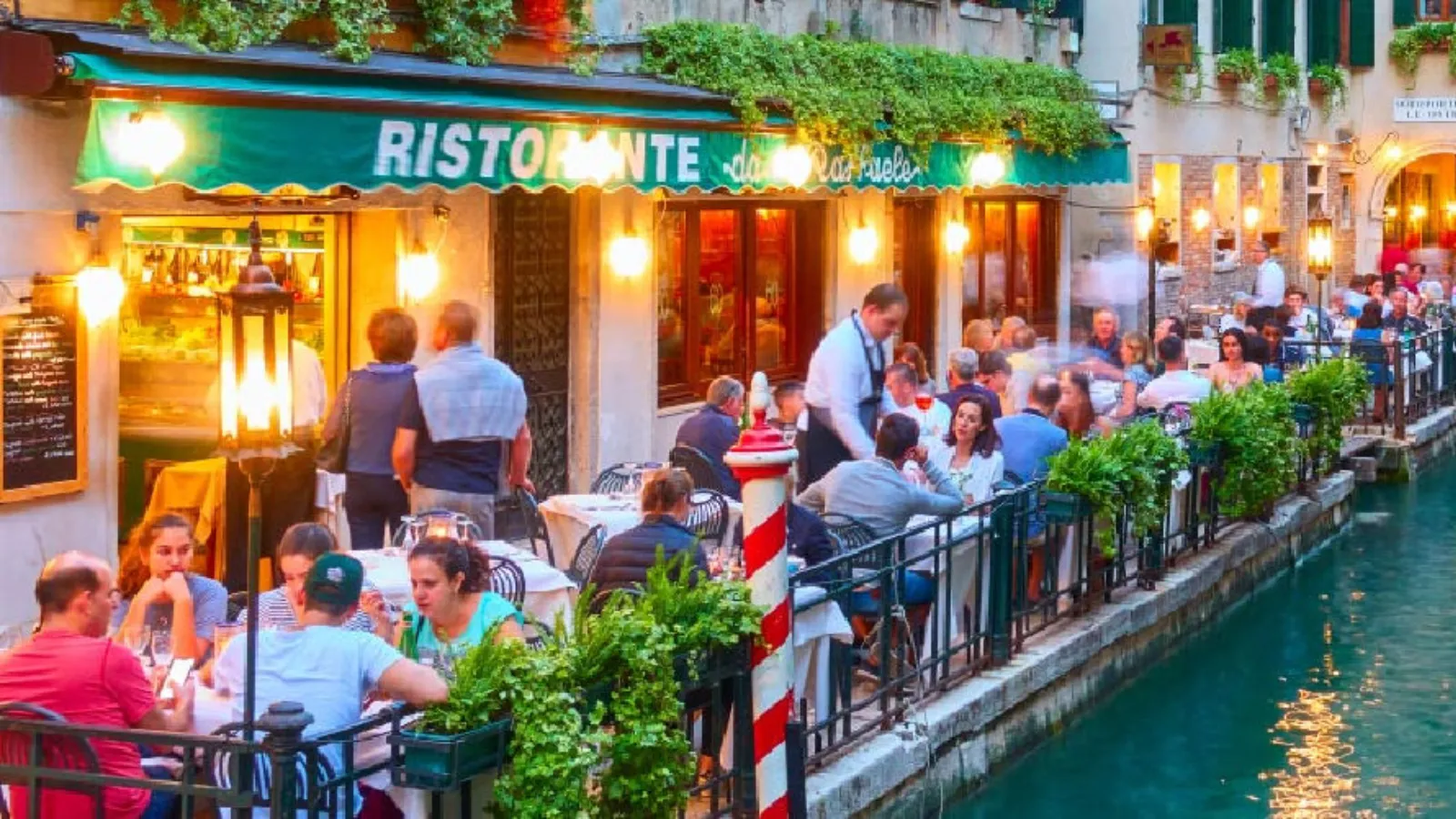
Introduction
European cities for authentic food offer experiences that can completely change how you see travel. For me, it’s not just about trying famous dishes or checking off well-known restaurants; it’s about discovering places where meals feel deeply connected to the land, the culture, and the people.
There’s something special about being seated at a table to eat in a place where the ingredients have come from local farms or markets, or off the sea, and where there isn’t any rush to shovel your food down so you can get back out into whatever havoc is waiting outside but rather an invitation for you to sit, taste every bite on your plate as closely as possible and be part of what’s around you.
But over the years, I have traveled throughout Europe and roamed in places where food takes place in everyday life. From the Greek islands to cities in Italy, I’ve found towns where food is more than a fuel source; it’s a window into local traditions and an opportunity to connect with both the people and place.
I’ve compiled five destinations that made a lasting impression on me as a food traveler seeking authentic experiences. None of them need insider knowledge, elaborate planning, or fancy reservations; they’re all about savoring a European city’s authentic food in its finest form.
Read more: https://travellerscoop.com/european-countries-indians-can-visit/
Which Cities Serve the Most Genuine Local Flavors in Europe?
Europe is a continent whose life is woven through with food. Mealtime reflects something of history, geography and culture in every city, town and village. Many destinations are now world-renowned for their food, consider the haute cuisine of Paris or the pasta traditions of Bologna, attracting travelers who want to savor those distinctive culinary experiences.
But European cities for real-deal food are about so much more than what’s covered in guidebooks and praised by Michelin. There are literally dozens of lesser-known places that keep their culinary traditions alive in a way that seems so connected to the land and the people who live there.
Markets in these cities are more than shopping errands: They are lively community hubs where farmers, fishermen and artisans deliver the best their craft has to offer. Local tavernas, pintxos bars and family-run trattorias may not make the travel magazine pages, but they deliver the dishes perfected over generations that give you an authentic taste of the region.
Whether hand-rolled pasta in a sun-kissed Italian village or grilled fish along the Mediterranean coast, flavors are literally, and culturally, grounded in place. These are the types of experiences that make for the best European cities when it comes to authentic food.
Visiting these places isn’t just about eating; it’s about diving into everyday life. So the dinner-party approach can help you connect on a cultural level, hearing how cooking, feasting and farming fits into day-to-day life while strolling cobblestone streets, listening to the hum of local markets or watching chefs at work in tiny kitchens.
Here, food serves as an expression of identity, the way communities celebrate their history and bond with one another. Which is what makes discovering authentic food in European cities so rewarding.
If you’re looking for the most authentic flavors Europe can provide, there’s no need to hunt down hot restaurants or high-end dining. Look instead for places where meals are uncomplicated, leisurely and intimately tied to homegrown traditions.’
In those cities, populated with bustling markets, casual tavernas and family kitchens, the food is more than something you eat. It’s a glimpse of Europe’s soul, offering history, culture and tradition in each delicious bite.
1. Mykonos, Greece: Simple, Fresh, and Island-Focused
Mykonos is well-known for its nightlife, but the culinary gems are what really seals a memorable visit for foodies. This island is a shining example of how the best authentic food experiences don’t always exist in the most obvious city destinations.
Why Mykonos stands out:
Unmatchable Taste and Freshness:
Why Mykonos is one of the top cities in Europe for authentic food, people will say that it is because nothing beats the taste and the freshness of its ingredients. Everything is local, which gives the flavors a uniqueness, creamier tangy Tinos cheese, intensely sweet tomatoes grown in rocky sun-baked soil and fish that are often caught only hours before being served at your table.
This freshness keeps every bite bright and true. Even simple things like grilled vegetables, fava or freshly baked local bread come off as elevated because the quality of the ingredients does the talking.
Traditional Cooking Techniques:
As in many European cities for authentic foods, Mykonos maintains conventional preparation techniques that bring out style and genuineness. Dishes are frequently prepared over open fires, legumes simmer for hours, and bread is baked in wood-fired ovens.
Such time-honored techniques yield deep, grazing flavors that modern-day, mass-produced food is unable to reproduce.
Budget Choices and Cost Awareness:
Despite being one of the most popular tourist destinations in Greece, Mykonos can be affordable — like most lesser-traveled European cities are for real food, if you eat like a local. Small tavernas outside the busy beaches serve substantial meals for about €15–€25 per person, typically with fresh fish, local wine or traditional appetizers.
Even a casual seafood meal seldom tops €35–€40 at family-run places. Fresh cheese, olives and bread in local markets are available for a pittance, so getting a taste of the real thing on a budget is easy.
Ambience Matters:
Really, the atmosphere is what makes Mykonos so different from many European cities for authentic food. Eating often takes place outdoors, with a soft sea breeze and the sound of waves.
Dining here is not fast, moving slow and unhurried, intended to be shared and savored. This leisurely pace gives you time to savor each bite as well as your surroundings.
Accessibility and Convenience:
For first-time visitors to Greece, Mykonos serves as an easy introduction to the European nations’ cities when it comes to having real food. Well-connected transport and package holidays mean you can easily sample the island’s culinary scene without fretting about logistics.
That helps guests concentrate solely on exploring local tastes and experiences.
Hidden Spots and Community Feel:
As with many of the great European cities you’ll find hidden gems for authentic food, and Mykonos is a place that rewards those who venture away from the obvious. Wandering through the old town usually ends in tucked-away tavernas where locals flock daily.
They are not just places to eat, they are part of a community, where meals, conversations and traditions are shared even as tourists flood in.
Why It’s a True Representation of European Food Culture:
Mykonos proves that more often in European cities the authentic food doesn’t mean fancy dining or haute cuisine, it’s all about good ingredients, time-honored practices and shattering experiences.
Each meal is a story of the island, its people and heritage that gives travelers a true authentic food experience from this European city.
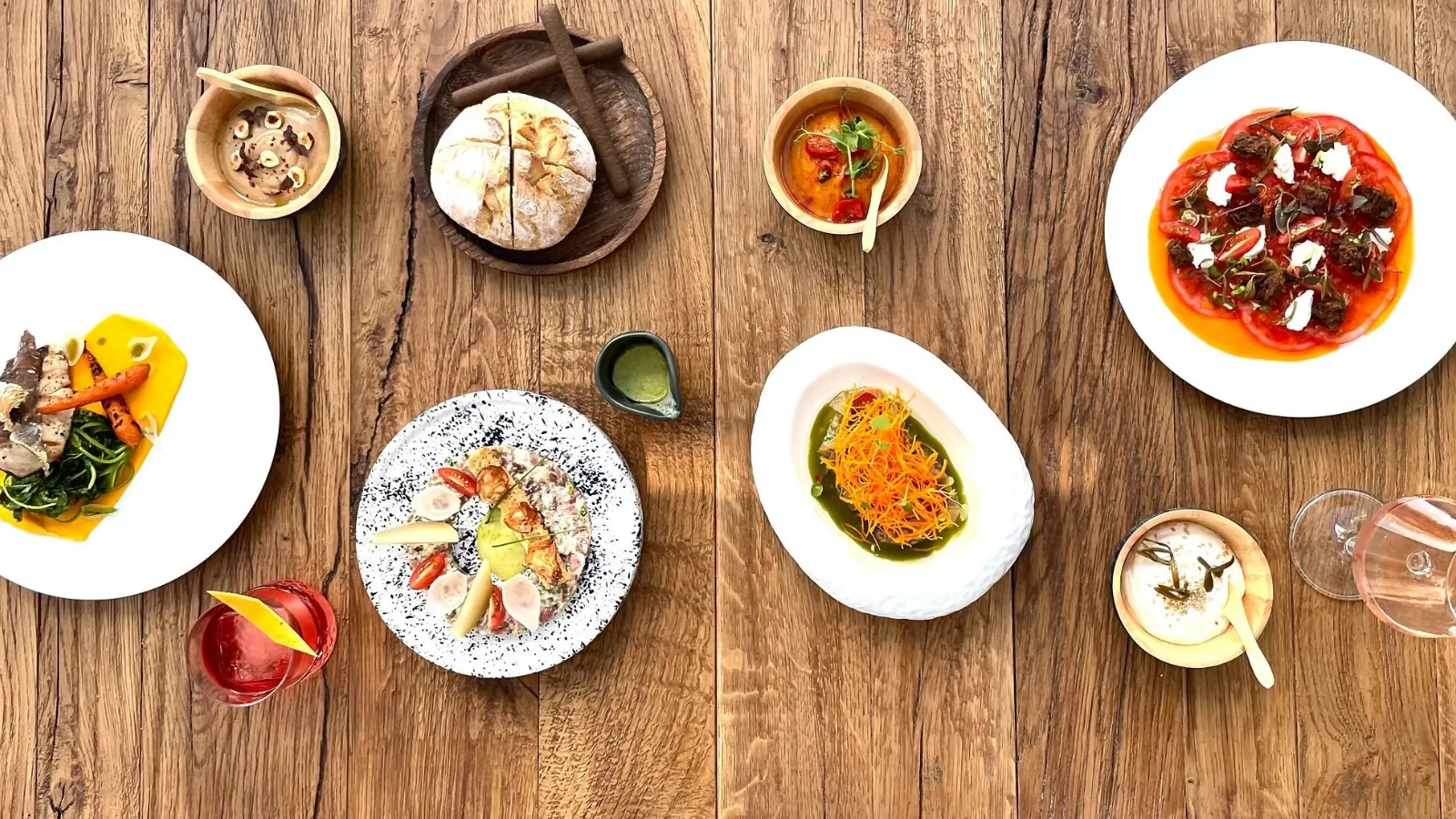
2. Sardinia, Italy: Rural Charm and Slow Dining
Perfect for the traveler seeking an authentic European city culinary experience away from the bustle of larger cities, Sardinia is a delightful discovery. Here, food isn’t so much about trends or flashy restaurants as it is about tradition, local ingredients and the joy of shared meals.
What makes it special?
Distinct Regional Flavors:
Among European cities, Sardinia is one of few places where the food comes from a deep regional past. Inland villages favor hearty, rustic cooking where pork and lamb reign supreme, slow-cooked in stews or roasted alongside aromatic herbs.
Pecorino and other sheep’s milk cheeses are firm but creamy, and some varieties are aged for even more flavor. Regions differ when it comes to handmade pasta, in Ogliastra, there’s culurgiones, and in Cagliari, malloreddus, each with a tale of local culinary heritage.
Near the Sea of Sardinia:
With its exceptional seafood, Sardinia rivals even the best European cities for authentic food along the coast. Seasonal fresh fish, clams, octopus and bottarga (cured fish roe) are caught daily and simply prepared, grilled with olive oil, lemon and local herbs.
These spartan techniques amplify natural flavors, so even a simple sardine or octopus salad tastes like the real thing, and Mediterranean life, distilled.
Immersive Living and Eating Experiences:
As with so many of the less well traveled European cities for genuine food, Sardinia offers opportunities to dive into its culinary culture. When you stay at a villa or guesthouse, food culture greets you at the door.
Market Visits:
The morning trips to local markets yield fresh vegetables and fragrant herbs, cheeses and cured meats, fish and seafood. Vendors frequently provide tips, suggest seasonal items and even sample.
Cook-at-Home Options:
With your own kitchen, you can play with local ingredients and recreate traditional recipes, allowing a deeper connection to Sardinia’s cooking traditions.
Flexible Food Exploration:
Without an agenda, you might stray into little trattorias or roadside eateries or neighborhood food fairs, finding real flavors organically, just as locals do.
Family-Run Trattorias and Local Charm:
Intimate, family-run restaurants define the character of European cities for real food in many towns. In places like Alghero, Bosa, and Santa Teresa Gallura, meals are:
Generous and meant for sharing:
Cheap and served with regional wines like Vermentino, Cannonau or Carignano
Personalized, with owners telling us the stories behind every dish and recommending what they made freshest
Why Sardinian Food Is So Good:
Sardinia embodies all that makes the European cities for real food so special:
Fresh, Seasonal Ingredients:
Confoundingly, locally sourced produce, dairy and seafood ensure bold, natural flavors.
Time-Honored Techniques:
Slow cooking, hand-rolled pasta, wood-fired grilling and traditional aging techniques create depth and authenticity.
Balanced Simplicity:
Seasonings in simple forms and olive oil support ingredients, never mask them.
Cost Considerations:
Like many off-the-radar (to Americans) European cities serving authentic food, Sardinia is a good deal:
Full meals with wine at family-run trattorias: €20–€30 ($21–$31) per person
Seafood meals in costal regions: €25–€40
Local markets: inexpensive tastings of cheese, olives, bread and cured meats
Authentic European Food Experiences
Sardinia shows that authentic eating in Europe isn’t just for the major urban destinations. Meals here are slow, social and intricately linked to tradition.
They are the perfect mixture of land and sea and culture, where each meal is a story. Here the pace is relaxed and hospitality warm, so dining becomes not just another meal but a communal celebration.
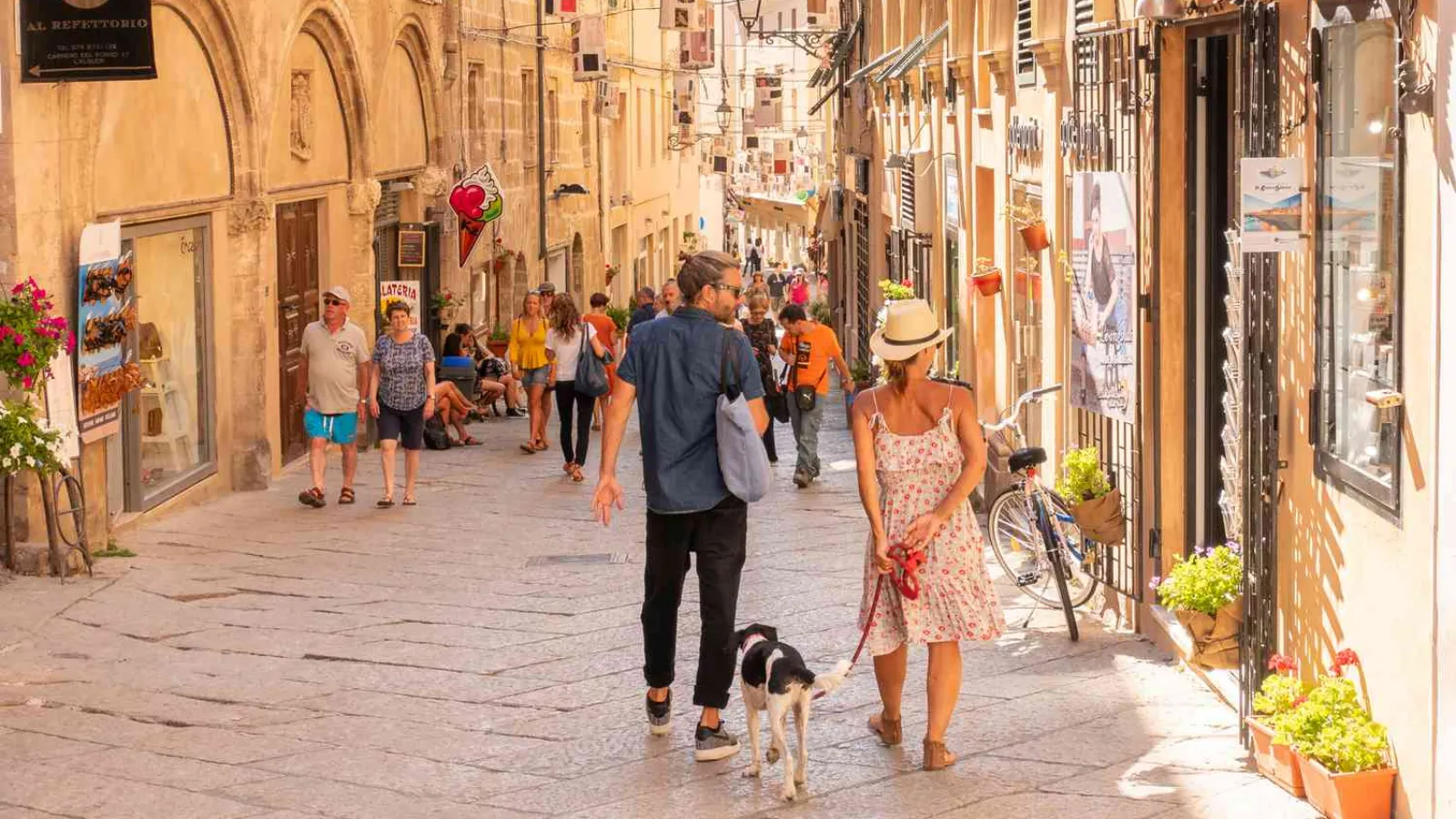
3. San Sebastián, Spain: Pintxos and Neighborhood Bars
San Sebastián, in Spain’s Basque Country, is one of the best-known culinary hotspots in the world, but what makes it special is how accessible and participatory its food scene is. European cities are also known for their authentic food scenes, and this particular city has the freshness of those kinds of culinary adventures mixed with tradition and leisurely exploration.
What it stands for
Accessible Food Culture:
San Sebastián is one of the most vivacious cities in Europe when it comes to real food, where eating well requires neither reservations nor guidebooks. Pintxos bars in the Old Town (Parte Vieja) and Gros neighborhood are hospitable and casual.
The “hop-and-graze” approach to dining allows for moving from bar to bar, grazing small plates along the way. This makes for a fun, flexible tasting experience that’s both genuine and immersive.
Unforgettable Flavors:
Take note, as with so many European cities where authentic food reigns, San Sebastián is built on bold but simple flavors:
Seafood:
Anchovies, grilled prawns and calamari are local staples along with fresh fish, often caught the same day and simply prepared to showcase their natural flavor.
Hearty Classics:
Slow-cooked beef cheeks and grilled chorizo, as well as Spanish tortillas, provide comforting, classic flavors.
Anchovies, grilled prawns and calamari are local staples along with fresh fish, often caught the same day and simply prepared to showcase their natural flavor.
Hearty Classics:
Slow-cooked beef cheeks and grilled chorizo, as well as Spanish tortillas, provide comforting, classic flavors.
Local Touches:
Many bars incorporate creative twists, such as drizzles of local olive oil or a touch of smoked paprika, adding flavor to dishes without overwhelming them.
Exploring Beyond the City Center:
Outside the city, San Sebastián shines as well among European cities with regard to authentic food through its traditional cider houses (sidrerías).
These tinned food pours serve up grilled meats, cheese boards and cod, alongside house-made cider poured from on high to enhance flavor, giving the dining experience a unique and theatrical element.
Why the Food Stands Out:
- San Sebastián embodies the soul of authentic food European city, through:
- Fresh, seasonal ingredients sourced locally
- Unpretentious but exacting techniques, showcasing natural flavors
- Well sized portions so that you feel like trying everything
Cost and Value Considerations:
- As with many of those underrated European food cities, San Sebastián also strikes a good value:
- Pintxos: €2–€4 per plate (a full tasting for €10–€15)
- Meals at cider houses or local restaurants: €20–€35 per person with drinks
- This makes it simple to identify wide varieties of flavors without breaking the bank.
The Joy of Eating Like a Local:
Dining in San Sebastián is laid-back and convivial, one of the hallmarks of European cities for true food. Hopping from bar to bar, talking with locals and immersing in the vibrant atmosphere makes for a memorable experience rich with culture.
- Here meals are not hurried; they’re about connection, pleasure and discovery.
- Umbrella Group wrote in “Connection to Authentic European Food Experiences”
- San Sebastián shows that cities of Europe for real food don’t need uppity or upscale. Instead, they depend on simplicity, freshness and accessibility.
Whether you’re savoring a pintxo at a bustling bar or sitting down to a full meal in a traditional cider house, each bite is reflective of the city’s culture and history, as well as its deep ties to local ingredients.
Read more: https://travellerscoop.com/best-cities-in-asia-for-travelers/
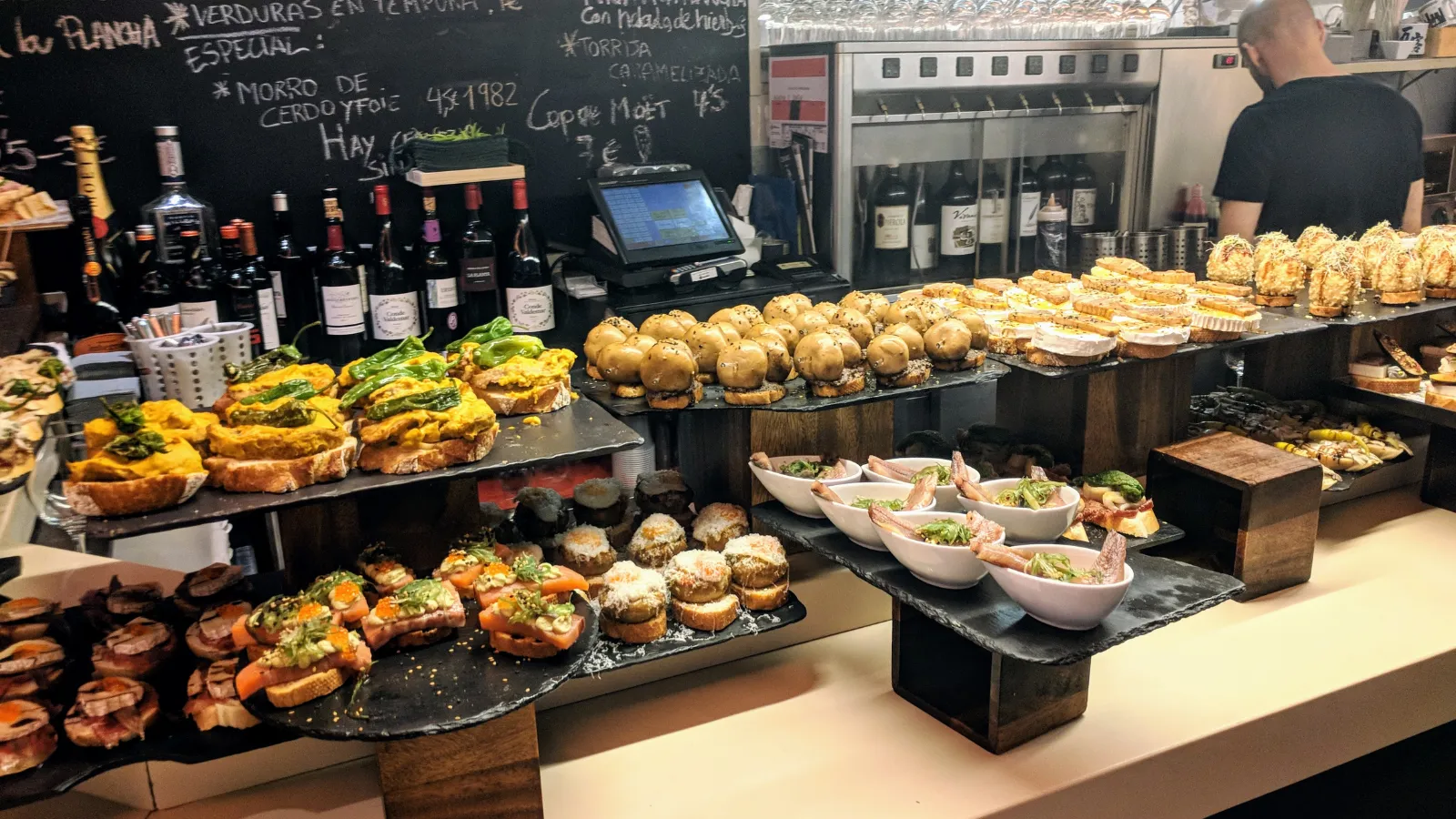
4. Porto, Portugal: Comfort, Rivers, and Local Wines
Porto, the riverside city of Portugal, is a heaven for those looking out for authentic food experiences in European cities. Traditional cooking, fresh-caught seafood and casual modern dining combine in this city, all set beside scenic views of the Douro River.
why Porto stands out
Traditional Dishes and Highlights:
Porto is one of the most delicious European cities for authentic food, where each dish tells a story — about the region’s history, its way of life and its dedication to intense flavors.
Francesinha:
The Francesinha is more than a mere sandwich, it is a symbol of the culinary identity of Porto. Stuffed with layers of cured meats, steak and sausage, then topped with melted cheese and soaked in a sumptuous tomato-and-beer sauce, it’s an indulgent and comforting experience. Usually served with crispy fries, it’s a bucket list worthy dish for anyone wanting to make sense of the city’s food culture.
Grilled Sardines and Seafood:
Because it is so close to the Atlantic Ocean, Porto specializes in seafood. Fresh sardines, whole fish, octopus and clams are brought in daily and cooked simply, most often grilled with olive oil, garlic, lemon and herbs. This minimal preparation lets the inherent freshness and flavor of the seafood shine through, a hallmark of European cities for authentic eats.
Innovative Small Plates:
Porto’s new wave of wine bars and restaurants mix tradition with innovation by serving small plates celebrating time-honored recipes. Mezze, tapas and dim sum, for example allow diners to sample a range of flavors in one sitting, making eating at once active and exploratory. It’s a great way to sample the range of Porto’s cuisine without having to commit to one dish.
Immersive Dining Experiences:
Ribeira District:
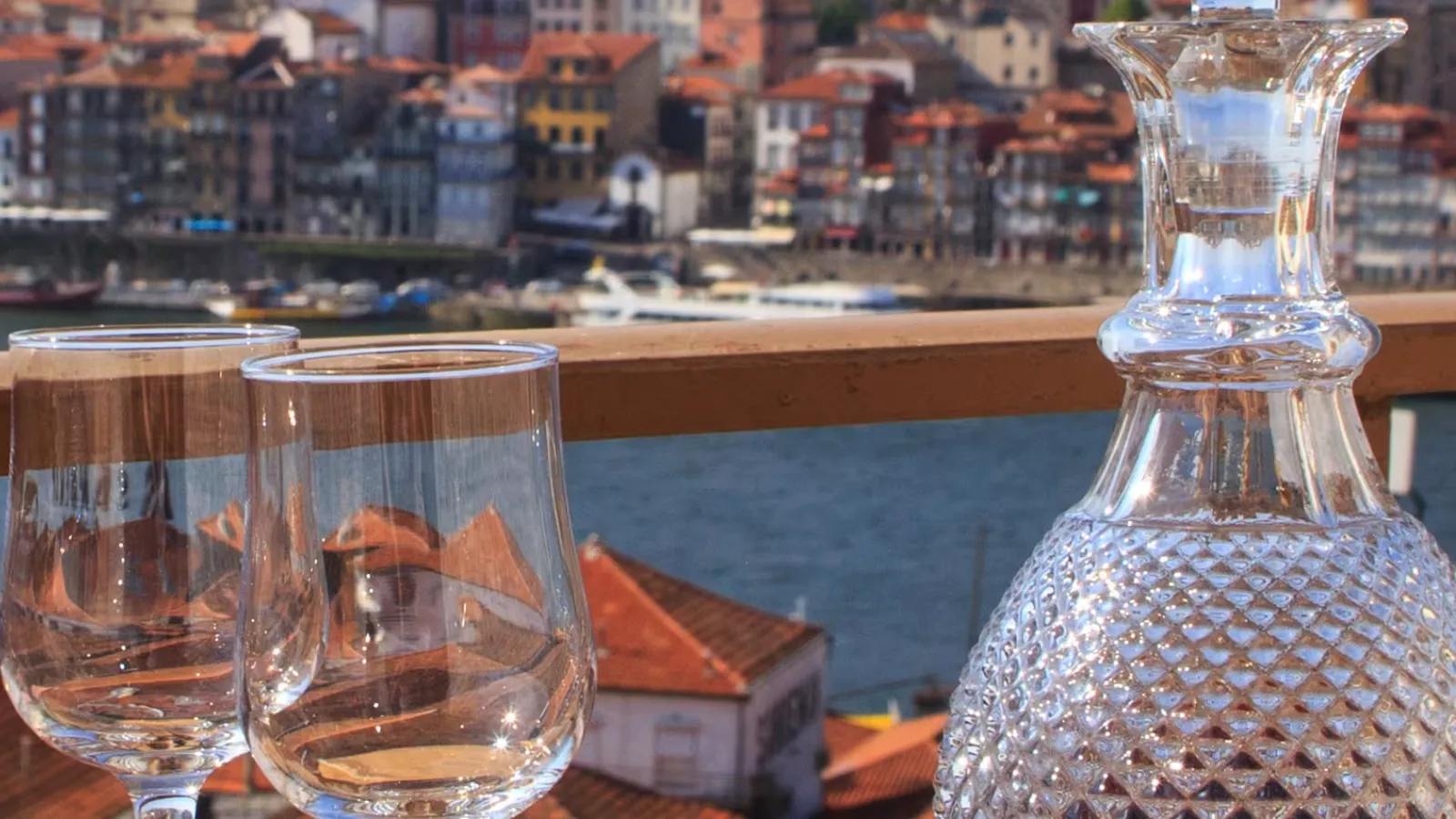
The Ribeira district is full of colourful buildings and riverside charm, making it one of the most picturesque places to eat in Porto. Relaxing and memorable, sitting at a café or restaurant overlooking the Douro River and watching traditional boats go pass. Meals here are not a race — they’re meant to be savored slowly, as mimics the relaxed dining culture in many European cities for great food.
Quieter Backstreets:
Though Ribeira is bustling and touristic, Porto’s real food culture often lives in its quieter lanes. Straying away from tourist hotspots brings you to family-run restaurants where recipes have been passed down for generations. Here, dishes are full-bodied, portions ample and flavors redoubtable authentic. These out-of-sight places provide a more intimate and authentic look into the city’s food traditions.
Why Porto’s Food Is So Special:-
Porto encapsulates what European cities for real food do best:
Fresh, Local Ingredients:
When possible, seafood is caught the same day, vegetables come from local farms and cheeses and cured meats are sourced regionally. This means every dish is colourful, fresh and naturally flavoursome.
Traditional Cooking Techniques:
The cooking techniques are simple yet exceedingly effective: grilling, slow-cooking and baking help bring forward the natural flavor of the ingredients rather than cover them up. These time-tested strategies add depth and authenticity to each bite.
Perfect Wine Pairings:
The wine culture of Porto is known around the world. Meals paired with regional wines including Port or Vinho Verde take dining to another level. Wine isn’t just something to drink here — it’s a staple of the meal as well as a marker of regional heritage.
Cost and Value
It’s not just that Porto is more affordable than many other top cities (like all of Portugal, for that matter) when it comes to truly authentic food; و
Affordable Tastings:
Wine bars will offer small plates and tastings starting at €2–€5, so you can sample multiple dishes on a budget.
Full Meals:
An entire meal at a family-run restaurant, including seafood and wine, usually costs around €20–€35 per person, great value for the quality and freshness provided.
Markets and Street Food:
For a cheaper alternative to tasting Porto’s flavors, head to the local markets. You can taste cheeses, pastries, bread and cured meats for a few euros while getting a feel for what life is like down there.
Accessibility and Ease of Exploration:
Porto is easily one of the most affordable European cities that can be well traversed by foot for deliciously authentic food.
The city’s proximity allows many of the best food destinations to be within walking distance, particularly around Ribeira and the historic center. One of the advantages of meandering around narrow streets is that you discover unexpected sites, like cute small cafés, bakeries and hidden restaurants with amazing food.
And the locals are friendly and hospitable. Even if you don’t speak Portuguese, restaurant staff are typically happy to help you navigate the menu and suggest dishes, so the experience is welcoming rather than stressful.
Porto: The Authentic Food Experience In Porto
Porto wonderfully illustrates that European cities with authentic food don’t need to hinge on luxury or fine cuisine for it to be memorable. Instead, authenticity comes with simplicity, quality ingredients and a deep connection to tradition.
Whether it’s having freshly grilled seafood out by the river, digging into a rich Francesinha in a cozy cafe or tasting local wines in an off-the-beaten-path bar, each meal in Porto tells a story. It’s a story about culture, history and community, how food is not merely sustenance but a way of life.
For travelers looking for authentic culinary experiences, Porto offers a deep dive into the essence of what makes European cities so special in terms of food: humble, delicious and intrinsically tied to local traditions.
5. Bologna, Italy: Heart of Italian Culinary Tradition
Bologna is sometimes referred to as Italy’s food capital, and for good reason. For the eater seeking authenticity in a European style city, where food is regarded as more than sustenance but lifestyle, Vienna offers heaven.
what makes Bologna so special
Rich Local Ingredients:
Bologna is arguably the greatest European city for genuinely good food, with superb local produce and an long-established culinary heritage.
Cured Meats:
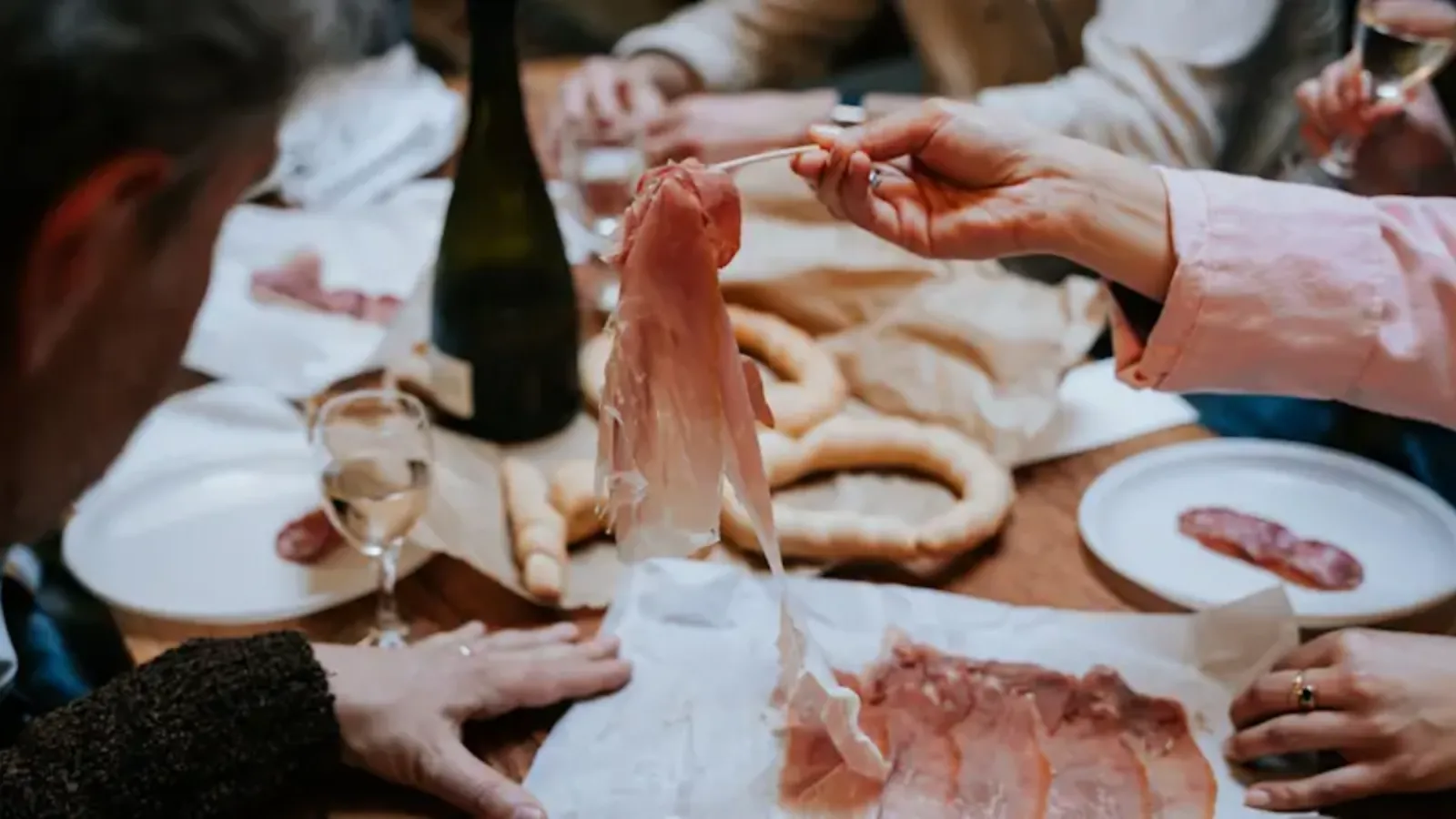
The city is known for mortadella, a smooth and flavorful sausage that is thinly sliced and served fresh. It will be complemented with prosciutto, salami and other cured meats sold in family-run shops and bustling market stalls. Speech, brain these meats crafted on traditional methods offer rich yet different flavors that make up the region.
Cheeses:
Bologna’s cuisine is rich, thanks in part to Parmigiano-Reggiano, one of Italy’s most famous cheeses, which is made nearby. Fresh ricotta and other local cheeses are also frequently turned to, either grated over pasta or served as simple, delicious sides to meals.
Pasta:
Bologna’s food culture revolves around handmade pasta. Local trattorias and bakeries make fresh pasta daily, sometimes using recipes that have been handed down for generations. Dishes like tortellini, tagliatelle and lasagne represent the culinary craftsmanship and tradition that set Bologna apart among European cities for authentic food.
Immersive Food Experiences:
As in many of the great European food cities, Bologna has ways for visitors to immerse themselves in its dining scene beyond the act of eating.
Markets:
Areas such as Mercato di Mezzo and the Quadrilatero district are vibrant local life centers. As you walk through these markets, you can smell fresh herbs, sample cheeses and observe chefs as they choose ingredients for their dishes. They are more than markets; they are living representations of the city’s food culture.
Trattorias and Bakeries:
Family-run trattorias specialize in dishes like tortellini in brodo or tagliatelle with slow-cooked ragù. I concentrate on simple recipes with deep, rich flavors. While bakeries provide freshly prepared bread and pastries that utilize traditional methods, adding an extra element to the culinary journey.
Short Day Trips:
Towns nearby, like Modena and Parma, offer clues about the roots of signature ingredients like balsamic vinegar and Parmigiano-Reggiano. Explaining these pockets give you a greater sense of why Bologna is such a key stop among European cities for those in search of authentic cuisine.
Why the Food Is So Special
Bologna epitomizes what is so special about European cities for authentic food:
Tradition and Technique:
The recipes are handed down from generation to generation, ensuring the most authentic and consistent flavors in tenderness.
Local Ingredients:
Meats, cheeses and vegetables come from local producers for freshness and depth of flavor.
Attention to Craft:
House-made pastas and slow-simmered sauces render even the simplest of dishes magical.
Cost and Accessibility
Even with a bid for more glamorous eating, Bologna is one of the European cities where you can still eat well for cheap:
- Dinners in local trattorias usually run €20–€35 per person, for hearty portions and true flavors
- Markets and bakeries offer tastings of local specialties for just €2–€5, which is great when you want to sample a bunch of dishes.
Atmosphere and Dining Culture:
- But for the kinds of food you are really interested in, dining in Bologna mirrors the laid-back and convivial side of most European cities. Meals are meant to be savored slowly, often in the company of conversation and a glass of local wine.
- This place is about sitting down at the table with people, with traditions, with the natural movement of life; it’s not just food.
Why These Cities Are Unique for Real Flavors:
The magic of European cities for authentic food is expressed by common attributes across Bologna, Mykonos, Sardinia, San Sebastián, and Porto:
- Seasonal Freshness: Ingredients are from local suppliers and reflect the season
- Heritage and Tradition: Family businesses pass down recipes, techniques through generations
- Regional Identity: The climate, geography and culture of each city informs its dishes
- Slow Food Movement: Meals are served slowly, making you reflect upon the flavor of each mouthful
- Immersive Experiences: A temptation that only exploration, authentic interaction with locals and dining in local-style establishments can satisfy.
Conclusion
Eating your way around the world is about more than just sampling famous dishes. The real magic of European cities for authentic food lies in experiencing meals that truly reflect their place of origin. Whether it’s a small taverna in Mykonos, a cozy trattoria in Sardinia, lively pintxos bars in San Sebastián, riverside restaurants in Porto, or bustling markets and cafés tucked along quiet streets—these are the places where food feels genuine and deeply connected to everyday life.
What connects all these experiences across European cities for authentic food is a shared philosophy: simplicity, high-quality ingredients, and a slower pace of dining. Meals are not rushed; they are meant to be enjoyed, allowing you to appreciate both the flavors on your plate and the atmosphere around you.
You don’t need complex planning, insider tips, or luxury reservations to enjoy the best food. Instead, all it takes is curiosity, a healthy appetite, and a willingness to explore neighborhoods, wander through local markets, and step into small, family-run restaurants.
Traveling through European cities for authentic food has shown me that the most memorable meals are often the simplest ones, those deeply rooted in daily life. Every bite tells a story, not just of the dish itself, but of the people, traditions, and land behind it.
FAQs
1- Do I need to make reservations for these cities?
Not always. In destinations like San Sebastián and Mykonos, plenty of places welcome walk-ins. Bologna and Porto are more casual, but a small reservation can assist during peak hours at popular restaurants.
2- Are these cities costly to eat in?
Not necessarily. Local prices in Porto and Sardinia are affordable, while similar shops in Mykonos and San Sebastián can cost more. For best value, walk into smaller tavernas and neighborhood bars.
3- Are these cities walkable?
Yes! Many of these destinations are quite walkable. The old town in Mykonos, Porto’s Ribeira, and Bologna’s historic center lend themselves to discover authentic food spots by wandering.

Khushi Vaid
Senior Travel EditorI’m Khushi Vaid, a travel writer with over 2 years of experience creating destination guides, travel tips, and travel planning content. At Traveller Scoop, I write about destinations, travel trends, and practical advice to help readers explore the world with confidence.