
Vacation Without Overspending: How to Plan the Perfect Trip
Vacation without overspending is something I always aim for whenever I plan the perfect trip. As an Indian traveler, I understand how these various costs, Flights, hotels, food, visas, and daily expenses can add up in no time. But as a former money manager, over time I’ve come to realize that the issue isn’t so much […]

Vacation without overspending is something I always aim for whenever I plan the perfect trip. As an Indian traveler, I understand how these various costs, Flights, hotels, food, visas, and daily expenses can add up in no time. But as a former money manager, over time I’ve come to realize that the issue isn’t so much about money as it is about planning.
What I noticed, when I first started understanding how to plan better, is that even international trips can be very affordable. The real secret lies in knowing how to price an itinerary and making judicious choices at each point along the way. All this to say, as long as I approach it sensibly, I can have a pleasant and memorable holiday without breaking the bank.
Here I share my journey-breaking method of traveling abroad on a dime and how it enables me to travel without missing the experience.
Read more: https://travellerscoop.com/mistakes-to-avoid-before-travel/
How I Enjoy Luxury Travel Experiences on a Budget
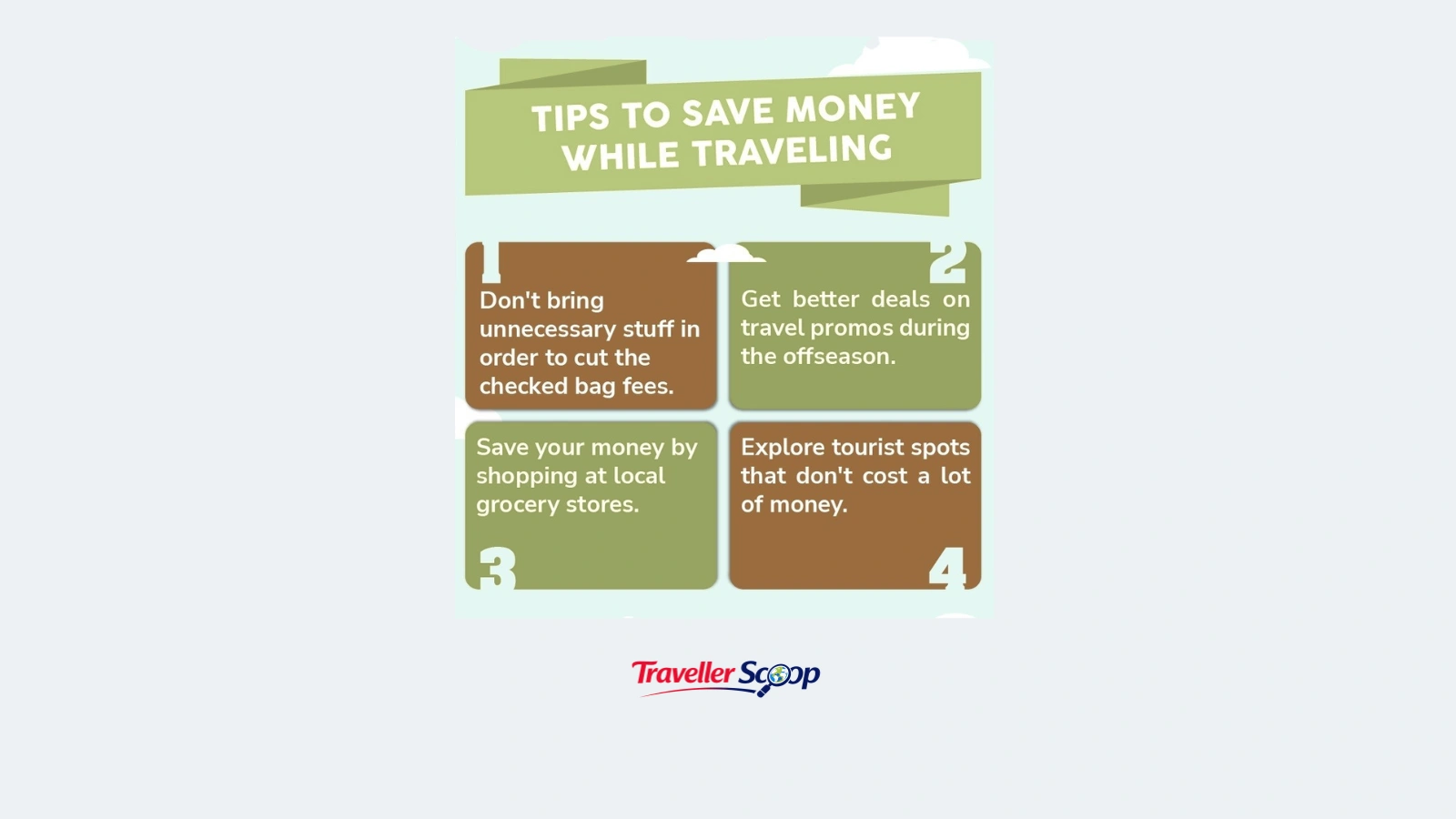
You don’t necessarily need to spend a small fortune when traveling in comfort and style. Over the years, I have come to realize that luxury is not primarily about sleeping in five-plus hotels or flying business class, or spending a lot on everything; it is more about making wise choices, planning, and knowing where you need to spend your money and how much you should save.
In my experience, what true luxury is to me personally is the opportunity to enjoy a journey without constantly worrying about money and feeling relaxed and comfortable while doing so.
For me, a way to enjoy luxury travel experiences on a budget is all about the balance. I don’t think you should take every possible cost and cut it to save $$$ over travel in a specific way. I’m instead focused on smart spending.
I get to decide where it makes sense to spend a little more for comfort and where I can save relatively easily without sacrificing the quality of my experience. Being mentored in this approach means that I am able to enjoy a vacation without overspending while still indulging in luxury travel experiences, but not putting my finances under undue stress.
And as I’ve grown, I’ve learned that luxury doesn’t always stem from expensive choices — it comes from intentional ones. If it fulfills my needs, a well-located hotel with clean rooms, good service and comfortable beds can be just as luxurious as an upscale resort.
In the same way, a seamless travel experience, an organized plan of action and worry-free transit from one place to another usually outweigh needlessly shelling out cash for upgrades when planning a vacation without overspending.
1. Choosing a Budget-Friendly Destination
Choosing the right destination is the first step and arguably the most important in planning a vacation without overspending. Certain countries are naturally more economical for Indian travelers, and selecting wisely can lead to significant savings on overall trip expenses.
Countries with Low Daily Costs:
I prefer destinations where food, transport, and sightseeing are affordable daily. Places like Southeast Asia are ideal because they offer rich experiences while still supporting a vacation without overspending, making it easy to enjoy more while spending less.
Visa-Friendly or Visa-Free Travel:
I prioritize countries with easy visa processes, such as visa-on-arrival or visa-free entry. This reduces pre-travel stress and supports a smoother, well-planned vacation without overspending or unnecessary financial or time burdens.
Currency Value Advantage:
I always compare the Indian Rupee against the local currency before choosing a destination. A favorable exchange rate means more experiences for less money, helping me plan a smarter vacation without overspending while maximizing value.
Short Flight Distance:
Shorter flights are usually cheaper and more convenient. They reduce travel fatigue and cut down airfare costs, making it easier to enjoy a vacation without overspending while reaching the destination faster and more comfortably.
Affordable Attractions:
I look for destinations with free or low-cost attractions such as beaches, parks, temples, and walking tours. These experiences allow me to explore deeply while maintaining a vacation without overspending, without compromising on enjoyment.
Selecting the right destination is one of the most important steps in planning a successful vacation without overspending. By focusing on cost of living, visa ease, exchange rates, travel distance, and affordable attractions, I can enjoy a fulfilling holiday without financial stress.
2. Planning Travel Dates Smartly
The timing of my trip is vital to managing my overall travel budget. The most beautiful destination may turn out expensive if I select a poor time to visit. Which is why I always plan my holiday dates carefully to ensure you get a vacation without the risks of overdraft.
This is how I determine the best time to travel:
Avoid Peak Seasons:
I never travel during school holidays, festivals, and peak vacation periods. Traveling during these times could become too expensive as flight tickets, hotels, and even local activities are in very high demand. Travel during the off-peak seasons. This is one of the things that allows me to decrease my travel expenses in a massive way and have a much smoother experience as well.
Prefer Shoulder Seasons:
I like traveling during the shoulder season, just before or after the high tourist season. Prices during this time are significantly lower, and the temperatures are still great for sightseeing. This is one of my favorite strategies for getting a vacation without breaking the bank. You can still have amazing experiences.
Book Mid-Week Flights:
For instance, I find that Tuesdays and Wednesdays are commonly cheaper to fly than the weekend. Prices are driven up because most travelers prefer weekends. I save a decent amount on airfare by being flexible with my travel days.
Track Prices Early:
I begin monitoring flight prices weeks or even months before the day of departure. It helps me know the trend for pricing and when would be the best time to book. Early tracking allows me to better control my budget and prevent sudden price increases as it becomes closer to my planned travel date.
Avoid Local Events and Festivals:
Before confirming my travel dates, I always do a destination calendar check. Festivals and other large local events often hike up the price of hotels and transport. Dates like these are a key to keeping my trips more cost-effective and less stressful
The date you travel is one of the best pieces of advice I can offer when it comes to taking a great vacation without breaking the bank. If I time it right, then I can still have a nice travel experience and save money on the flights at the same time, as well as hotels.
3. How I Calculate the Cost of My Itinerary
One of the most obvious factors affecting the entire travel budget is when you plan your trip. Even a very cheap place can be expensive if I go during bad days. This is why I usually plan the dates when I travel in advance, so I avoid getting a lousy vacation just because it’s cheaper and still have a good experience without spending heaps of money.
This is my step-wise approach in crux:-
Avoid Peak Travel Seasons:
I never travel on school holidays, public holidays, festivals, or peak vacation periods. Demand is very high during these periods, which causes ticket prices, hotel rates, and sightseeing charges to go up. There are many other benefits to traveling off-peak, such as saving money and having a less stressful travel experience.
Travel During Shoulder Seasons for Better Deals:
I always travel in shoulder season, just before the peak or just after. Prices are considerably lower during this time, but the weather is still enjoyable for sightseeing. One of the best ways I do this is by taking a vacation without tourism while maintaining good conditions.
Be Flexible with Mid-Week Flights:
I also try to book flights during the week (especially on Tuesdays and Wednesdays) as they tend to be cheaper than weekend flights. Second, demand and prices are generally higher on Fridays and Sundays when most travelers choose to fly. Not being locked into specific dates allows me to save a huge chunk on airfare.
Track Flight Prices in Advance:
Weeks or even months before my trip, I begin to monitor flight prices. It lets me see the price trends and know when the optimum time to book is. Early tracking allows me to bypass last-minute price bumps and helps me plan for a vacation without breaking the bank.
Avoid Local Events and Festivals:
Before booking my travel dates, I always consult the destination’s event and festival calendar. Major events, shows, or festivals can be a price-driving force between hotels and transport. Keeping my travel budget in check. Why it works: Avoiding these dates helps me keep my travel budget under control.
Plan Around Weather Conditions:
I take the weather into account as well when selecting travel dates. Extreme weather seasons can raise the costs and lower the fun of traveling. I have always favored stable and nice weather durations when I go out more within my pocket funds.
Compare Multiple Date Options:
I compare date combinations instead of fixed dates. Moving a trip solely 1–2 days like this can sometimes mean much cheaper flights and hotels, allowing me to have a more affordable experience without blowing my budget.
Timing your travels smartly is one of the simplest and most powerful ways to keep costs in line. But by avoiding peak seasons, focusing on shoulder seasons, and adjusting my dates, I may have a smooth-budgeted trip. After all, how to plan a successful vacation without overspending, without sacrificing experiences?
4. Smart Flight and Daily Expense Planning
The two biggest components of my travel budget are flights and daily expenses. If I play my cards right with these, they can work to keep a vacation livable without breaking the bank and still being enjoyable.
Here is my detailed approach:-
Flight Planning Strategy:
Book flights 2–3 months in advance
I try to book my flights ahead of time because, generally speaking, flight prices are lower before the travel date approaches. Booking early gives me more options for timings and seating, too.
Research prices on different platforms:
I do not visit one website. I ensure that I check many flight booking sites before deciding on what the best price is. This way, I don’t overpay, and it contributes towards my vacation without spending too much.
Be flexible with travel dates:
Wherever I can, I keep my travel dates flexible. Even moving my flight by a day or two can make a noticeable cost difference in my ticket. One of my biggest money-savers is being flexible.
Look into connecting flights, if they’re cheaper:
Nonstop flights are more convenient, but they run higher in cost. I sometimes take connecting flights if they are significantly cheaper, provided that the layover time is reasonable.
Confirm baggage fees before you book:
I always scrutinize baggage policies. Beware of flights that seem cheap, but you have to pay extra for luggage. Baggage fees, included up front, help me prevent hidden costs and have the vacation be an actual vacation without overspending.
Daily Expense Management:
Avoid tourist-type food and eat like a local
I like to eat at local food stalls and small restaurants instead of pricey tourist traps. Eating local is not just more budget-friendly, but far more authentic.
Use public transport:
Usually, I avoid taxis and use the bus, metro, or shared transport when possible. This cuts down greatly on daily travel costs.
Choose free attractions:
I go to free places like parks, beaches, temples, and vibrant local markets. These experiences are just as fun as paid attractions and help me keep a trip feeling like a vacation without breaking the bank.
Track daily spending:
To know exactly where my money is going, I have a daily expenses record. This keeps my budget in check and prevents me from spending money I don’t need to.
Bring a reusable water bottle:
I use my own water container, so I don’t have to continue buying bottled water. This little habit gets you to pay less by saving daily.
With careful flight management and pragmatism in daily expenditures, I can experience my trips without anxiety regarding finances. It is through these simple habits that I have been able to travel comfortably and still experience a true vacation without destroying my financial health.
Conclusion
From my experience, planning a budget-friendly international trip is completely possible with the right approach. The key is not just saving money but spending wisely.
When I choose the right destination, travel at the right time, calculate my itinerary properly, and manage daily expenses, I can enjoy my trip without financial stress.
For me, vacation without overspending is not about limiting experiences; it is about making smarter travel decisions.
Read more: https://travellerscoop.com/cheap-flights-and-hotels-guide-india/
FAQs
1- What is the easiest way to plan a budget international trip?
The easiest way is to choose an affordable destination, book flights early, and plan all expenses.
2- How do I calculate the total cost of my trip?
Add fixed costs (flight, visa, hotel), daily expenses, transport, activities, and a 10–15% emergency buffer.
3- Which countries are best for budget travel from India?
Popular budget-friendly destinations include Thailand, Vietnam, Sri Lanka, Indonesia, and Nepal.

Khushi Vaid
Senior Travel EditorI’m Khushi Vaid, a travel writer with over 2 years of experience creating destination guides, travel tips, and travel planning content. At Traveller Scoop, I write about destinations, travel trends, and practical advice to help readers explore the world with confidence.