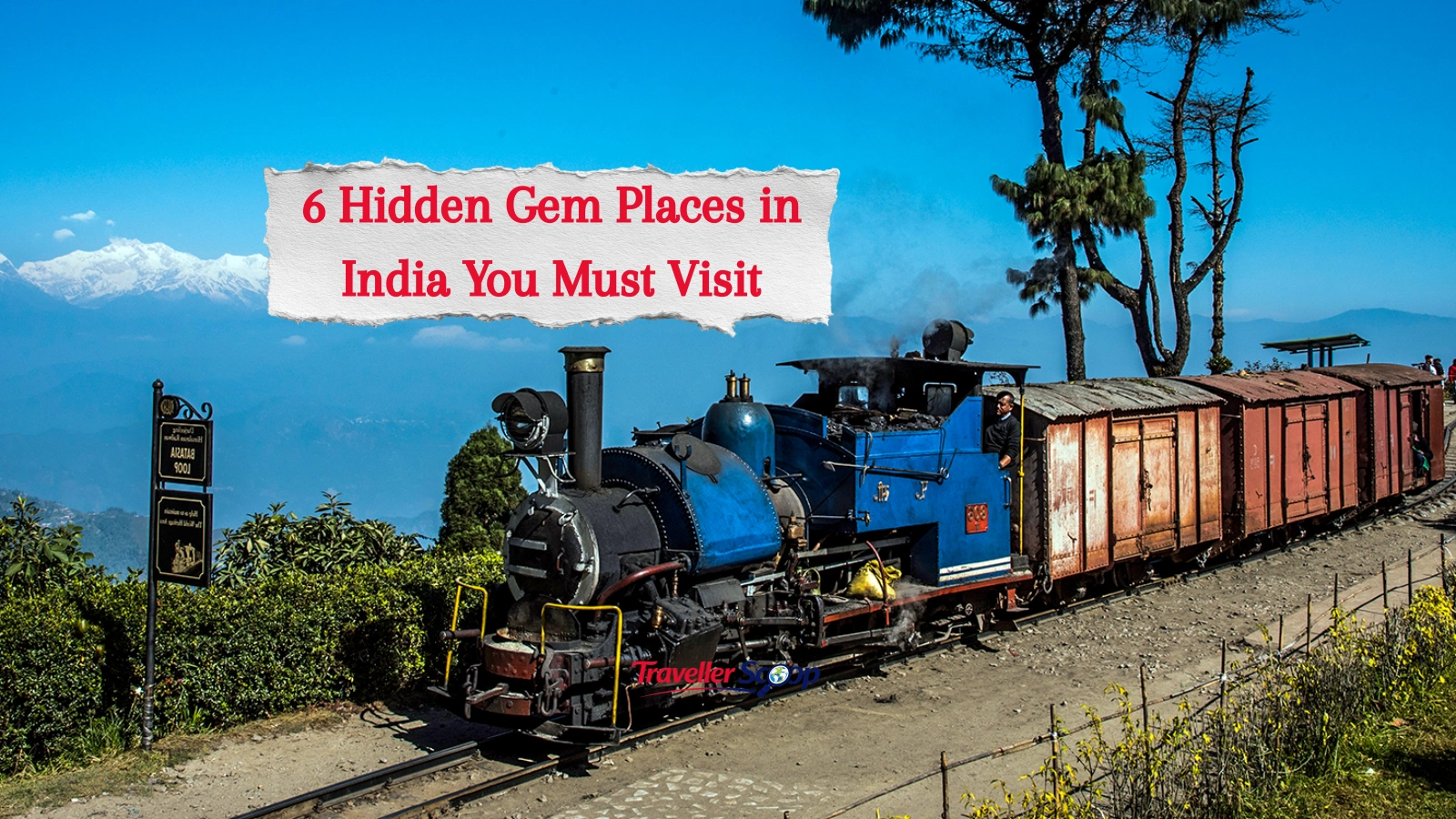
6 Hidden Gem Places in India You Must Visit
Hidden gem places in India are not just about escaping crowds; they are about discovering a deeper, quieter side of the country that most travelers never see. I have always believed that the true charm of India is found not only at the Taj Mahal and other iconic sites or in the well-known hill stations but […]
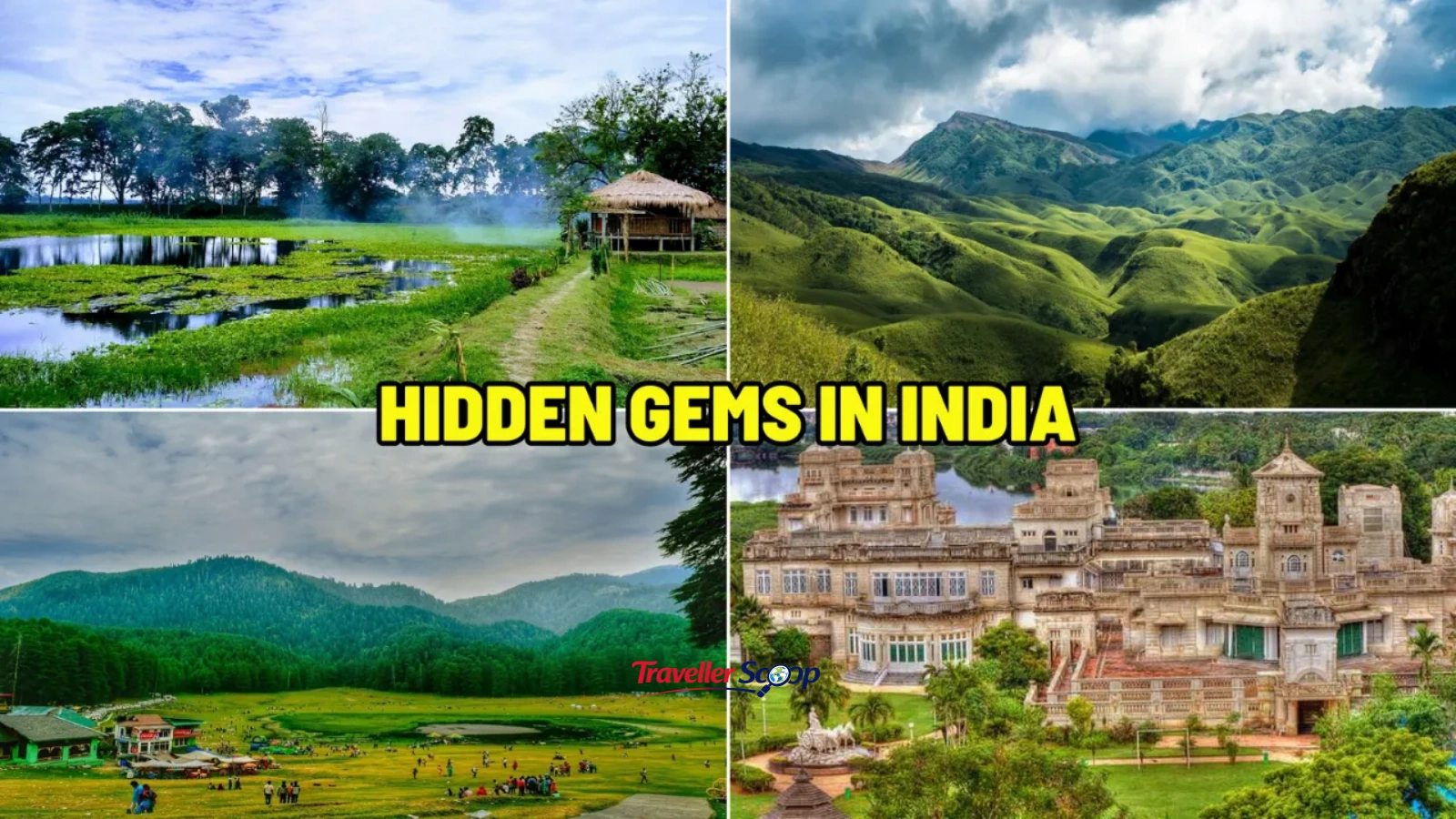
Hidden gem places in India are not just about escaping crowds; they are about discovering a deeper, quieter side of the country that most travelers never see. I have always believed that the true charm of India is found not only at the Taj Mahal and other iconic sites or in the well-known hill stations but also in some distant valleys, tribal settlements, ancient temples, or winding roads that seem to lead nowhere yet ultimately open up into something breathtakingly memorable.
Throughout my travels in India, I’ve found that using the offbeat India travel guide and hidden gem places strategy can transform your travel experience. Rather than racing from one busy spot to another, you will be able to slow down, interact with local people, and really immerse yourself in the destination.
In this guide, I want to introduce you to the six extraordinary places that, in my opinion, perfectly capture the essence of offbeat India travel + hidden gem places in India.
Read more: https://travellerscoop.com/places-to-visit-in-april-fresh-air-india
Why Should You Explore Hidden Places in India?
At the start of my traveling experiences, I would follow the conventional route as other people did. I would visit famous locations, settle in known destinations, and cover places that are usually recommended in the most popular travel guides. Even though all these were quite enjoyable, there was an empty feeling each time.
Eventually, I found myself in need of something else, something slower and more profound. It is then that I changed my mode and ventured out into the unknown gems of India. Truly, the switch has done wonders for me.
This way, rather than rushing around from one location to another, I found myself in places that were quiet and peaceful. I would be able to relax by sitting in the middle of valleys, walking down empty trails, or even observing the happenings around me.
Offbeat Places: Here’s Why I Like Them Better
Calmness and Solitude:
Silence is something that I experienced only after moving away from tourist spots. This allowed me to feel the breeze, the flow of rivers, the birds, and the wind, and yes, to think about anything I want to.
Authentic experiences:
There is no pretense when you travel in less popular destinations. Culture is not made up; it is raw, authentic, and it has not been tailored for tourists.
Better interaction:
I have had better interactions with people when I traveled to places that were not popular. Tourists usually hurry and are focused on completing a certain list of things that they want to see during their vacation; however, there is no such thing in less famous locations.
Unforgettable experience:
All the places that I visited were unique. They did not have any repetitive experiences in overcrowded places where everyone had already been. Each location had a different vibe.
To conclude, offbeat destinations provide many advantages over popular destinations since they allow experiencing culture in its purest form.
1. Chandrabhaga Route, Lahaul and Pangi Valley (Himachal Pradesh)
When I first drove along the Chandrabhaga Route, I quickly realized this wasn’t just another road trip—it was a journey that completely changed how I see travel. As part of my hidden gem places in India, this route gave me one of the most raw and peaceful experiences I’ve ever had.
Located beyond the busy tourist hub of Manali, this region feels untouched and far removed from the usual travel circuits. The moment I crossed into Lahaul, everything changed, the crowds disappeared, the roads became quieter, and the landscape turned dramatically wild.
What I Experienced
Driving along the Chandrabhaga Route was an experience in itself. There was something awe-inspiring about the way the mountains here stood imposingly tall, dominating the surrounding scenery in every possible way.
I went for hours without meeting a single vehicle. In those moments, it was as if all the hustle-bustle of day-to-day living fell away from me, leaving me alone in the quiet, almost eerie calm of this place where nothing disturbed me but the sound of the wind, rushing rivers, and the occasional noise from the gravel beneath my wheels.
The best experience came to me in the Pangi Valley. Something was isolating but very much alive about the place. All I could see were quaint little wooden huts in the midst of the mountains, people going about their business, and glimpses of untouched glaciers.
Why It’s Unique:
Being part of an unconventional travel guide to India and hidden places in India, this particular location has many characteristics making it special, including the following:
- Unspoiled by mass tourism: Few tourists visit this place, making their experience authentic
- Ideal for road trips: The whole journey becomes the main attraction with beautiful scenery all around
- A blend of cultures: I felt the unique presence of two cultures existing together
- Natural beauty: Not commercialized, just stunning natural landscapes
- Solitude: One of those rare spots that can provide true loneliness
Travel Tips for Practical Purposes:
If you intend to venture into this as a part of your unconventional India travel guide + places in India that you never knew existed, here’s what you need to know from my personal experience:
Best time to visit: June to September (roads remain open for safe passage)
How I got there:
- Began my trip from Manali
- Passed through the Atal tunnel
- Arrived at Keylong
- Proceeded further on to Killar in the Pangi Valley
Accommodation facilities available:
- Homestays in Udaipur
- Guest houses in Killarney
- No luxurious accommodations here
This journey wasn’t about ticking off destinations, it was about the feeling of being somewhere truly untouched. The Chandrabhaga Route taught me that sometimes the best travel experiences come from the roads less traveled.
If you’re someone looking to explore beyond the usual and truly follow hidden gem places in India, this route should be at the top of your list.

2. Zanskar, Ladakh
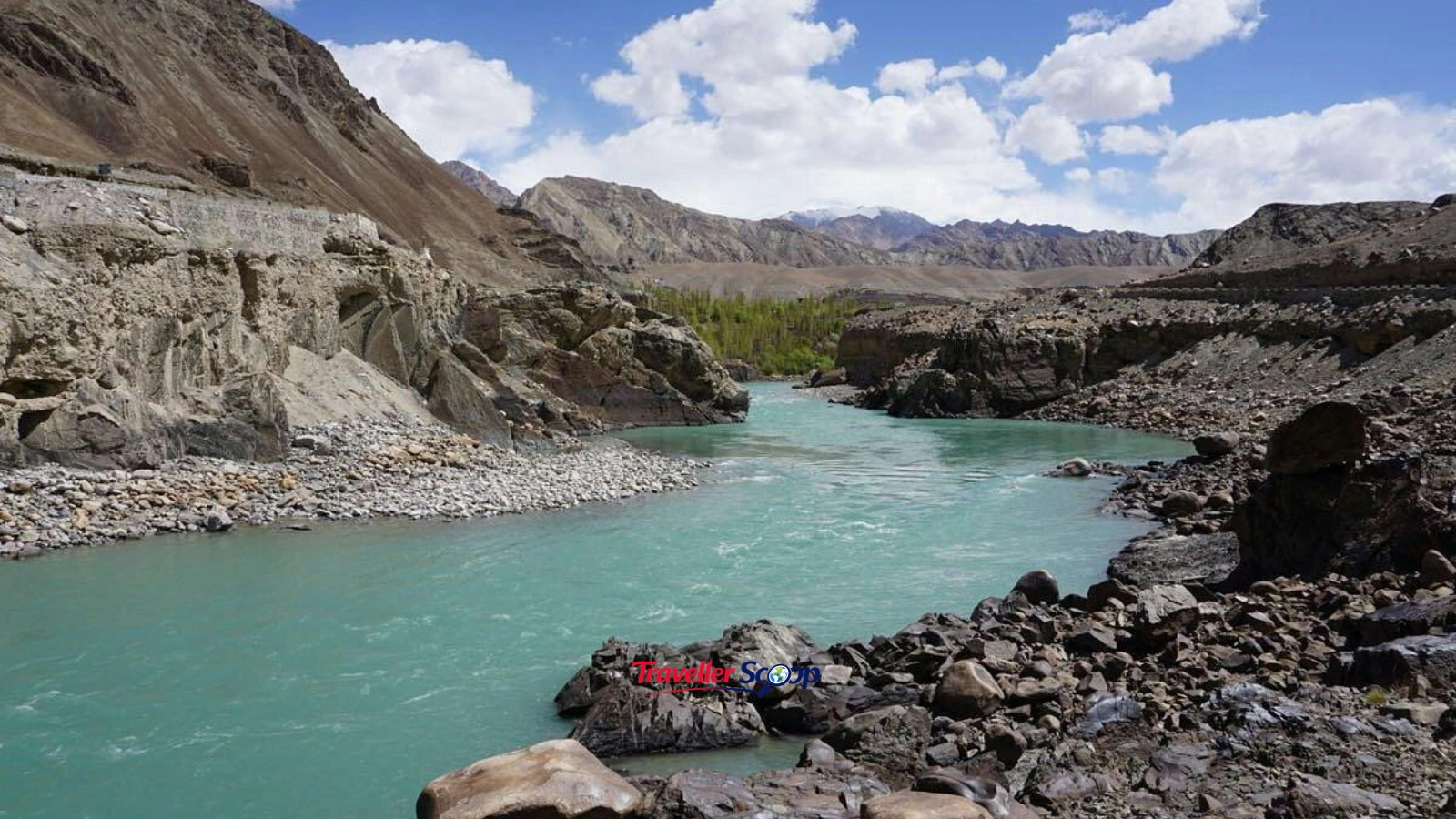
If I had to describe Zanskar in one line, I’d say it feels like the edge of the world. As I explored more places for my hidden gem places in India, I knew Zanskar had to be on the list. Even within Ladakh, which is already known for its remote beauty, Zanskar stands out as quieter, raw, and far less explored.
This is not a place you visit casually, it’s a destination you experience deeply.
What I Experienced
The experience I had while discovering Zanskar seemed like moving to another world where all the landscapes are huge and even surreal at times. It’s not difficult to get completely isolated from any outside contact when the area is dominated by endless mountain ranges, deep river valleys, and clear blue skies.
One of the most memorable experiences of mine on the trip was exploring Phugtal Monastery. Located on top of a cliff face, this structure seemed to hang in midair. Although we needed some effort to reach the destination, all those efforts turned out to be worth it.
The one thing I liked about it was the lack of everything around us. There weren’t many people and no unnecessary noises.
Why Is It Unique?
Zanskar is the epitome of hidden gems in India because of the following reasons:
Extreme isolation and tranquility:
It is one of the most secluded destinations in Ladakh
Distinctive Buddhist culture:
Buddhist monasteries, prayer flags, and practices are prevalent in the daily lives of locals
Adventure paradise:
It is ideal for hiking, road journeys, and exploration of high altitudes
Scarcity of tourists:
There is no tourist influx in Zanskar, unlike Leh or Nubra Valley
Pristine natural landscape:
It has an ethereal atmosphere that makes it seem like an alien planet.
Traveling Suggestions:
For those who are planning a trip to Zanskar as one of their trips to discover the best hidden gems in India, the following tips based on personal experience will prove useful:
- Best visiting period: July to September
- Optimum traveling period: 8-12 days (slow travel and acclimatization to altitude)
My mode of travel:
- Kargil was the way I took
- The Darcha-Padum road route was also taken by me
Permit Needed:
The Inner Line Permit (ILP) should be obtained for this destination
Zanskar is not just a destination; it’s a feeling of complete disconnection from the modern world. Traveling here made me slow down, appreciate silence, and truly connect with nature.
If you’re searching for real hidden gem places in India, Zanskar offers something rare: space, silence, and an experience that stays with you long after the journey ends
3. Bastar, Chhattisgarh
Bastar was one of the most surprising places I’ve ever visited. Before going, I honestly had very little idea about it. But once I explored the region, it became one of the most meaningful and culturally rich experiences of my journey through hidden gem places in India.
Unlike popular destinations, Bastar doesn’t try to impress you; it simply shows you its real, raw identity. And that’s what makes it so special.
What I Experienced
The first unique phenomenon that immediately impressed me was the tribal markets, called haats, organized every week. This place was not made just for tourists; it was a way of life’s daily routine. Local people congregated here in order to exchange products of the forests, their handmade stuff, and necessary things. It was so alive and interesting to see it all.
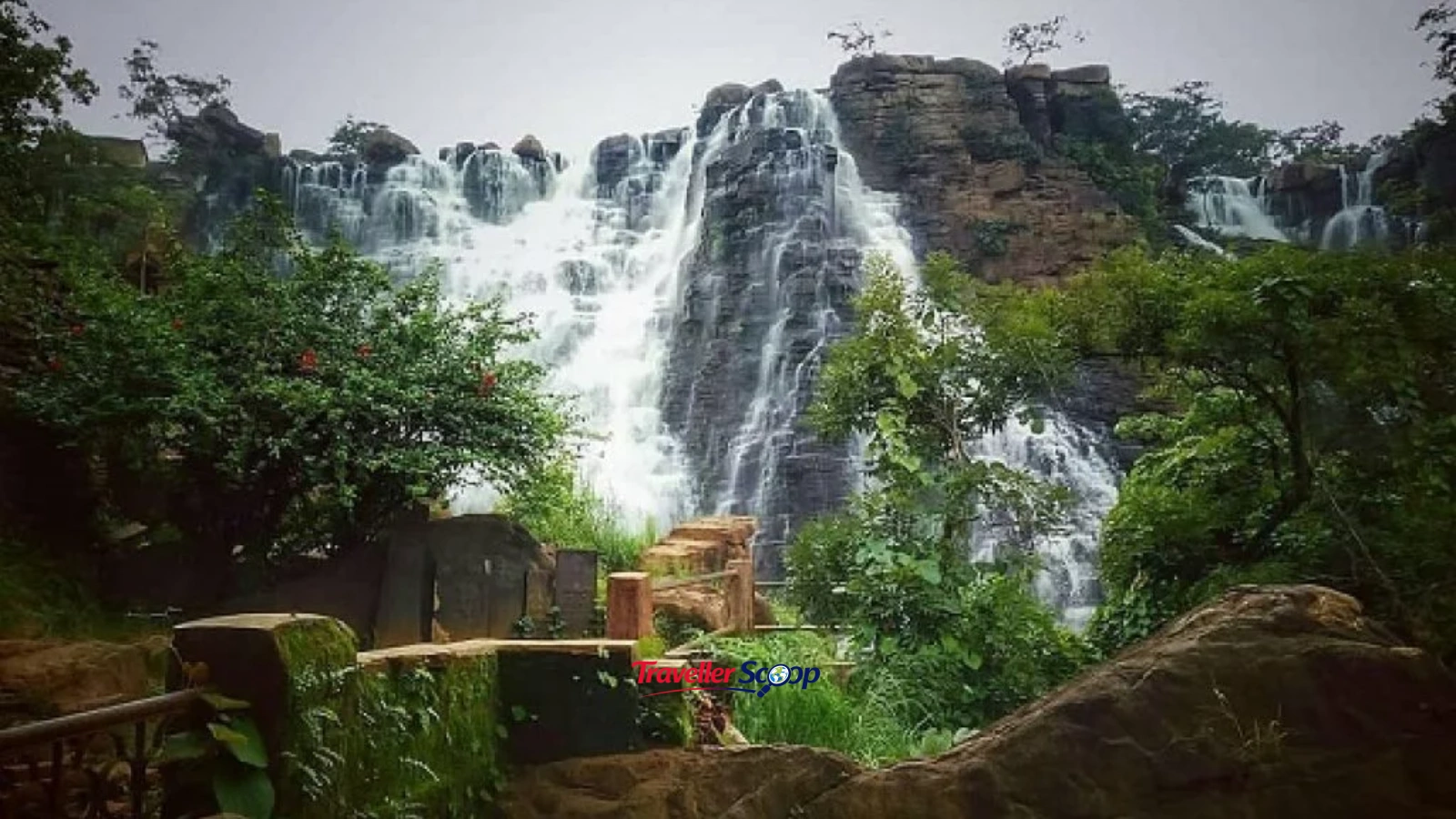
One of the most unforgettable moments was the visit to Chitrakote Falls. They are often compared with the Niagara Falls of India. What amazed me the most was the absence of many tourists despite the fact that it was such an incredible view.
To go to Bastar meant to get immersed in its culture.
Why is it special?
There are some unique gems hidden in India, where one can witness perfect synergy between culture and nature:
Rich tribal culture:
In Bastar, you will find authentic cultures like the Muria and Maria tribes
Genuine cultural experience:
The place is all about authenticity, without any artificial performance or staged settings
Unspoiled natural beauty:
Natural attractions like waterfalls, dense forests, and caves remain unexploited by tourism
Low commercialization:
As a result, tourists won’t see crowds and will get an exclusive experience
Distinctive festivals:
Unlike other Dussehra festivals, Bastar Dussehra is unique
Practical Travel Hints
In case you have plans for visiting Bastar while searching for the best undiscovered destinations in India, take note of these travel tips from my travel experience:
Perfect time to visit: October – February (favorable climatic conditions and perfect for sightseeing activities)
Optimal trip period: 4 – 6 days
How I reached it:
- Flown to Raipur (airplane/railway transport)
- Ridden the railway to Jagdalpur, the gateway to Bastar exploration
Accommodation possibilities:
- Satisfactory homestay accommodations in Jagdalpur
- Eco-lodges in the forest zones
Bastar showed me a completely different side of India, one that is rich in culture, deeply rooted in tradition, and still untouched by modern tourism.
If you’re exploring hidden gem places in India, Bastar is not just a destination; it’s an experience that connects you with people, nature, and a way of life that is slowly disappearing.
4. Dibang Valley and Anini Circuit, Arunachal Pradesh
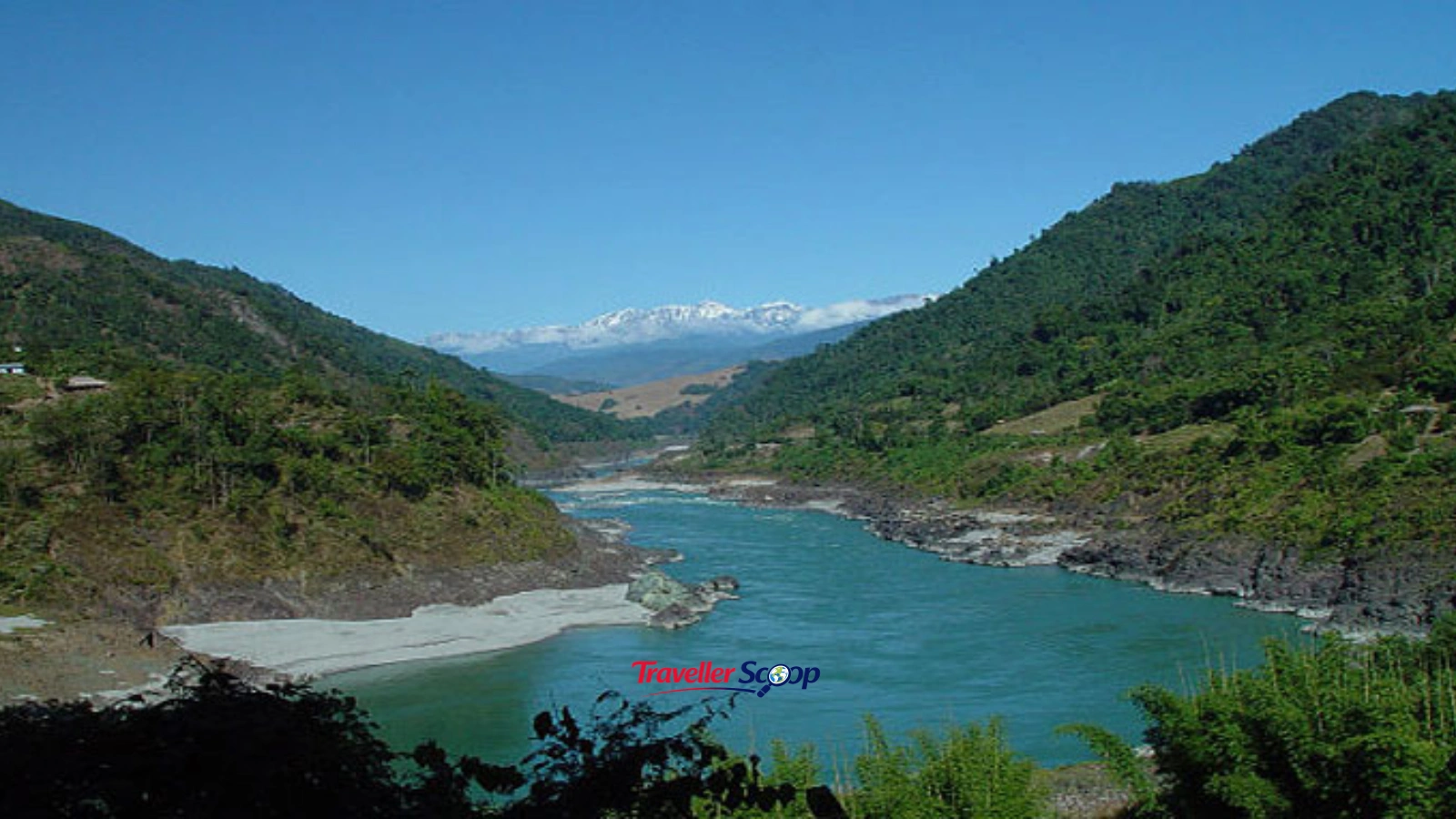
Reaching Anini truly felt like an expedition rather than a normal trip. This is not your typical tourist destination; it’s raw, remote, and completely untouched. During my journey exploring hidden gem places in India, this region stood out as one of the most adventurous and unforgettable experiences.
Far away from crowded hill stations and commercial tourism, Dibang Valley offers something rare: complete isolation, natural beauty, and a deep connection with nature.
What I Experienced
The journey was perhaps the most exciting part of this trip. Going from Roing to Anini was time-consuming, but it was very interesting.
Roads went through thick forests, mountains, and valleys covered by mists; sometimes the clouds were so low that it seemed like I was traveling in clouds. The uniqueness of this trip was also in the silence around me because there were parts when nothing would disturb me except myself and the nature around.
Unlike other places I have visited before, there was no entertainment on every step, and what makes this place unique is that it gives you an opportunity to live and feel nature. It was also very interesting to learn more about the culture of one of the tribes of Arunachal Pradesh, the Idu Mishmi tribe.
What Makes it Special?
Dibang Valley is among the most pristine destinations in India, and here are some of the reasons why it should make your list:
Virtually Unvisited:
Among the most unexplored locations in India
Biodiversity Hotspot:
- The rarity of flora and fauna and the presence of dense forests
- The Idu Mishmi tribe keeps alive unique customs and lifestyle
Absolutely Pristine Nature:
- Unpolluted landscapes with no commercial influence whatsoever
- Feel of Complete Isolation
Travel Tips for Your Convenience:
If you have the intention of exploring Dibang Valley during your tour of the hidden gems of India, take a look at some travel tips from my personal experience:
- Best time to visit: October to April
- Best duration of stay: 6–8 days
- My travel route was as follows:
Permits:
Inner Line Permit is essential
Dibang Valley is not about luxury or convenience;An it’s about raw adventure and real experiences. Traveling here pushed me out of my comfort zone and showed me a side of India that very few people get to see.
If you’re searching for truly untouched hidden gem places in India, this region offers something rare: silence, wilderness, and a journey that feels like a true exploration.
Read more: https://travellerscoop.com/affordable-family-friendly-resorts-in-india
5. Mon District and Konyak Naga Culture, Nagaland
Mon district gave me one of the most unique cultural experiences of my life. While exploring hidden gem places in India, this destination stood out not just for its beauty but also for its people, traditions, and history.
This is not a place for typical sightseeing; it’s a place where culture feels alive, raw, and deeply rooted in the past.
What I Experienced
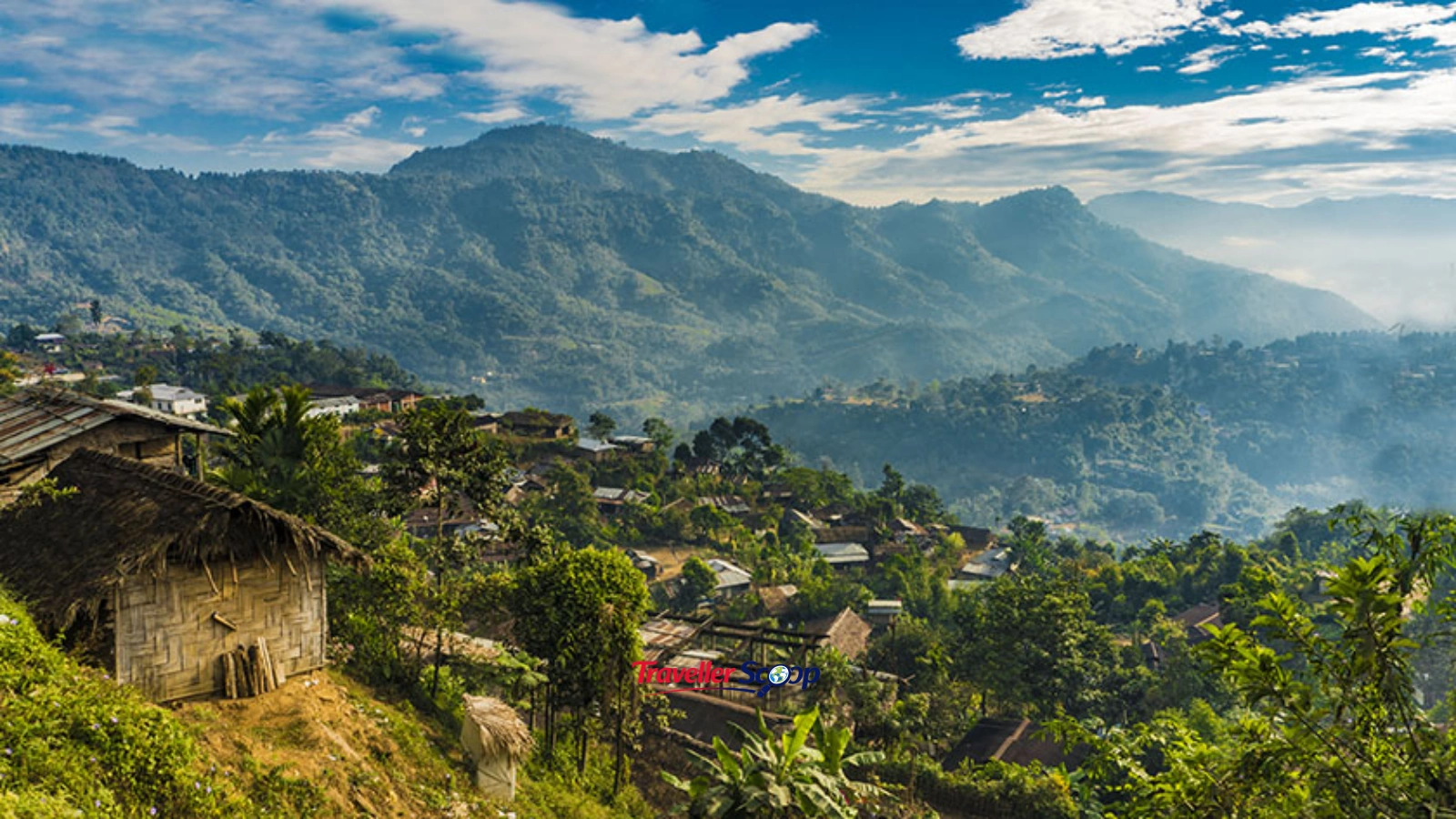
The road trip to Mon District was unique compared to any other places I have visited. The most memorable experience was visiting the Longwa Village, which is an intriguing border village.
The uniqueness of this place is that we were able to visit the houses built in such a way that one side of the house is located in one country, India, while the other end of the house is situated on the other country, Myanmar. This experience is quite extraordinary because you cannot find any other similar kind of house like this.
We also got the chance to visit the Konyak tribes, who are famous for their facial tattoos and warrior background. Listening to their experiences regarding their past life and traditions was really heart-touching.
What Makes It Unique:
Mon district is one of the most culturally diverse and interesting hidden gems in all of India, and here are the reasons why:
Unique tribal culture:
The Konyak Nagas have a different identity and culture from any other tribe in India.
Experience living in a border village:
The village of Longwa provides an extremely rare opportunity to live on the border between two nations.
Interesting festivals:
Participating in the Aoleang Festival will let you see local traditions through traditional dances and rituals.
No fake or staged performances:
Experience raw and genuine local culture without any influence of tourism.
History-rich place:
Local legends and history are especially interesting because they include a time when the tribes were headhunting.
Travel Tips for Practicality:
Should you be visiting the Mon district in your attempt to discover hidden gems in India, here are some useful travel tips that will help you plan your trip:
When to go: Nov – Apr (good climate and scenic view)
How to get there:
- By flight to Dibrugarh (Assam)
- Then on the road to Mon district
Required Permits:
ILP (must have)
Accommodations:
- Homestays at Longwa village
- Basic, yet cozy accommodations
Mon district is not about luxury or comfort, it’s about connection, culture, and understanding a completely different way of life.
Exploring this region made me realize that some of the most powerful travel experiences come from places that are still untouched. If you’re looking for truly meaningful hidden gem places in India, the Mon district offers something rare, authenticity, history, and stories that stay with you forever.
6. Chalukya Heritage Circuit: Badami, Aihole, Pattadakal (Karnataka)
This part of my journey felt completely different from the mountains and forests I had been exploring. While discovering hidden gem places in India, this region added a rich historical layer that I didn’t expect but truly appreciated.
Instead of dramatic landscapes, I found myself surrounded by centuries-old temples, intricate carvings, and stories carved into stone. It was peaceful, slow, and deeply immersive.
What I Experienced
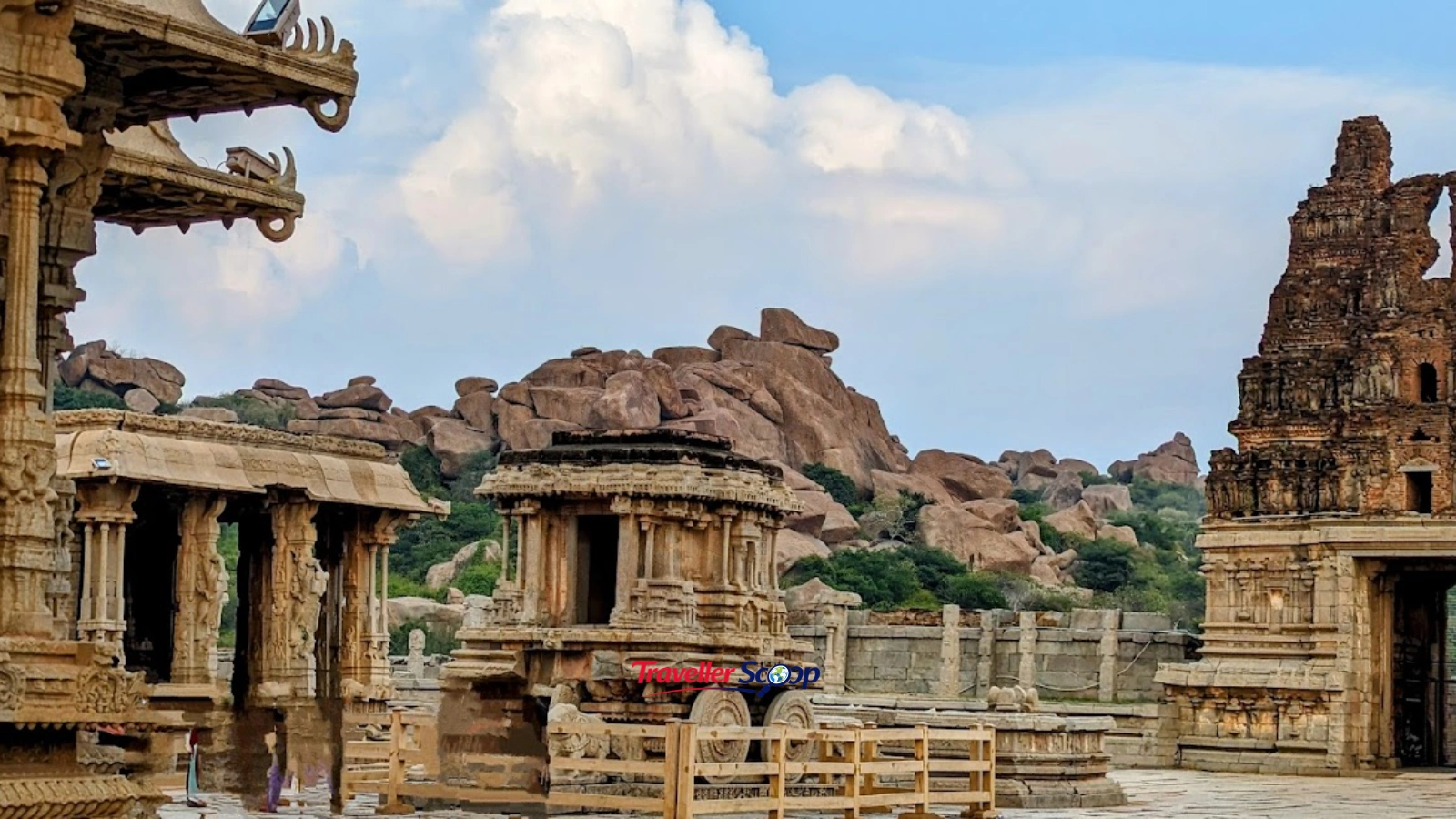
Aihole reminded me of an open-air museum. Every inch of this city is packed with old temples with their unique style and history. It felt as though I was observing the development of the architecture of Indian temples from the beginning.
Next, I visited Badami, with rock-cut caves in red sandstone hills. The climb to the cave and the views of the entire village were breathtaking, particularly at sunset when the place became even more tranquil.
Finally, I visited Pattadakal, which features temples with the architectural styles of both North and South India. My favorite aspect of Pattadakal was the calm atmosphere that allowed me to fully appreciate the beauty of these temples without tourists around.
Why It’s Unique: –
Here are some reasons why this circuit is unique and a great destination for visiting:
History-rich ancient heritage sites:
They were built during the Chalukya period and reflect the evolution of temples
Distinctive temple architecture:
They feature an unusual combination of Nagara and Dravidian architectural styles
Calm atmosphere:
They are not as crowded as famous sites such as Hampi
Ideal for slow travel:
One can tour them leisurely without feeling rushed
Picturesque scenery:
Their sandstone monuments and carvings make for breathtaking images, especially at sunrise and sunset
Travel Tips for Practicality:
In case you are traveling on this route as part of your tour of the best-kept secret locations of India, then here are some useful travel tips:
- Perfect period to visit: October-February (weather conditions are favorable for exploration)
- Recommended duration: 2-3 days
Mode of transport used to reach:
- Destination reached by traveling to Hubli
- Drive from Hubli to Badami, which acts as a gateway
Accommodation choices:
- Heritage homestays in Badami
- Basic budget hotels
This region showed me that hidden gem places in India are not just about remote nature—they can also be about quiet history and timeless architecture.
Exploring Badami, Aihole, and Pattadakal gave me a chance to slow down, walk through history, and truly connect with India’s past without the usual crowds. It’s a perfect destination for anyone who wants a peaceful yet enriching travel experience.
Conclusion
Exploring these destinations made me realize one thing—India is far more than its famous tourist spots. The real beauty lies in places that are quiet, untouched, and full of stories.
Choosing an offbeat travel guide + hidden gem places in India approach helped me travel deeper, not just farther. I met people, learned traditions, and experienced landscapes that felt personal and real.
If you’re someone who wants more than just photos, if you want stories, connection, and unforgettable journeys, these hidden gems are waiting for you.
Read more: https://travellerscoop.com/himachal-pradesh-hill-stations-guide
FAQs
1- What are the hidden gem places in India?
Hidden gem places are less-explored destinations that are not crowded but offer unique experiences, culture, and natural beauty.
2- Is it safe to travel to these offbeat locations?
Yes, but I always recommend checking local conditions, permits, and travel advisories before visiting.
3- Do I need permits for these places?
Some places, like Arunachal Pradesh, Ladakh, and Nagaland, require Inner Line Permits.
4- What is the best way to explore offbeat India?
I prefer road trips and slow travel. It allows you to experience places more deeply.

Khushi Vaid
Senior Travel EditorI’m Khushi Vaid, a travel writer with over 2 years of experience creating destination guides, travel tips, and travel planning content. At Traveller Scoop, I write about destinations, travel trends, and practical advice to help readers explore the world with confidence.