
Summer vs Winter Travel: Which Season Is Better for Europe?
Summer vs winter travel is one of the biggest debates among travelers planning a trip to Europe in 2026. Europe remains one of the world’s most visited destinations, attracting more than 700 million international tourists every year, according to recent tourism reports.From the romantic streets of Paris to the snow-capped Alps of Switzerland, every season […]
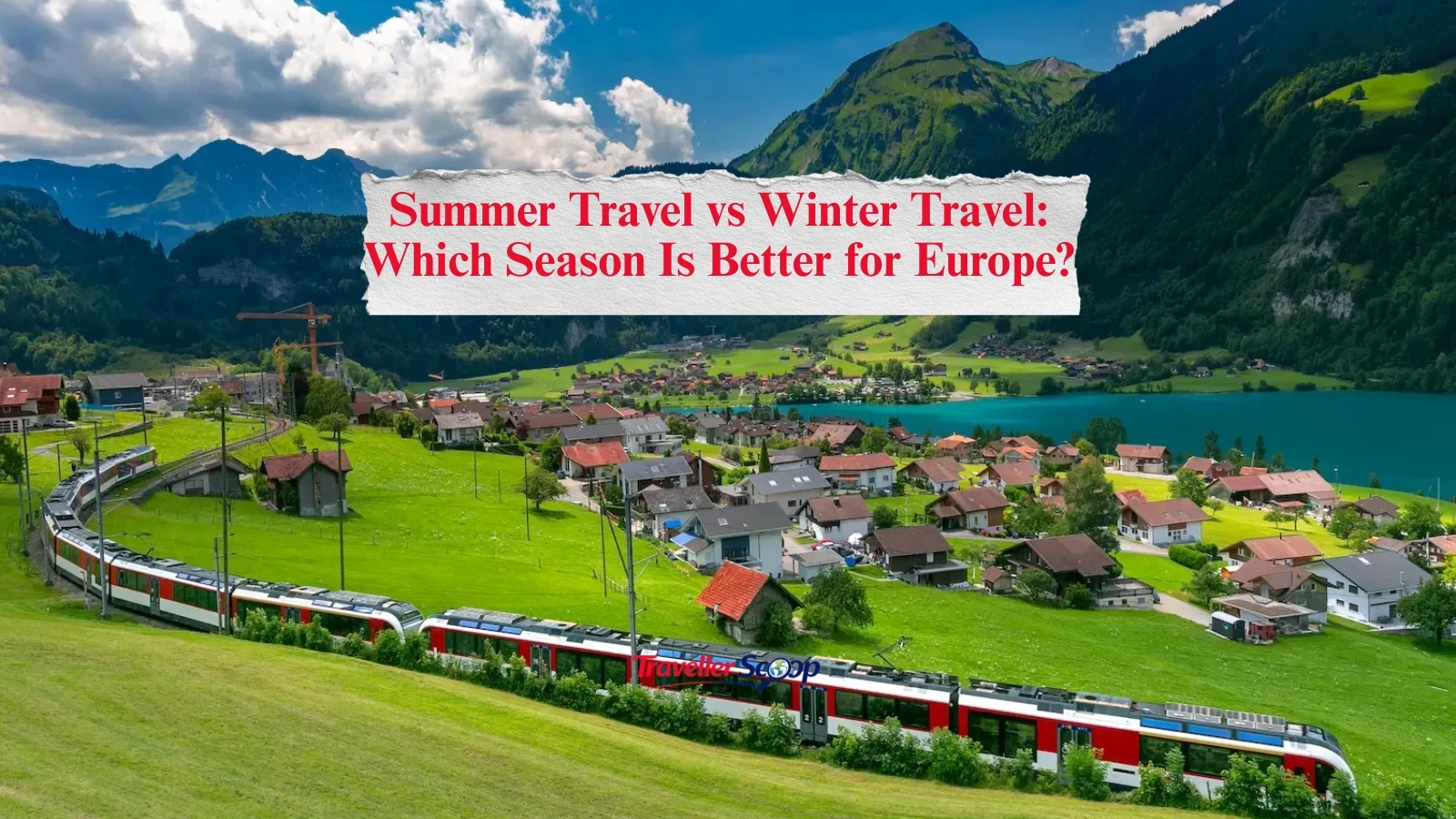
Summer vs winter travel is one of the biggest debates among travelers planning a trip to Europe in 2026. Europe remains one of the world’s most visited destinations, attracting more than 700 million international tourists every year, according to recent tourism reports.
From the romantic streets of Paris to the snow-capped Alps of Switzerland, every season is a completely different experience.
If you are wondering when to travel Europe, this comprehensive guide explains the weather, crowds, prices, festivals, and activities. You may be super into beaches, snow escapes, travel on a budget, or weekend trips in the countryside; when you decide to go could completely change your experience in Europe.
The flip side of Europe is that every season has its own beauty. Some walkers want sun and long days, some want Christmas markets in the snow.
However, understanding when is the best time to travel Europe largely depends on your budget, where you are in life, why you want to go to Europe, and what kind of vacation you would like.
In this ultimate guide to Europe travel seasons, we break down the weather, hotel prices, flight costs, sightseeing opportunities, and crowd levels by season.
Why is Europe One of the Most Visited Destinations in the World?
Europe is among the most diverse travel destinations worldwide, receiving more than 700 million international tourists yearly. So from romantic cities for dates and historical sites to wintery mountains and seaside Mediterranean beaches, the continent has something for every type of traveler.
That is when the summer vs winter travel debate gets interesting in Europe trip planning.
Why Europe is Perfect for Summer vs Winter Travel
1. More Than 400 UNESCO World Heritage Sites
Europe is home to over 400 UNESCO World Heritage Sites, making it a paradise for history and culture lovers. From the ancient ruins of Rome to the fairy-tale castles of Germany, every destination tells a different story. During summer vs winter travel, these heritage sites offer completely different experiences.
2. Some of the World’s Most Famous Cities
Europe features globally famous cities like Paris, London, Barcelona, Rome, and Amsterdam. These cities are known for iconic attractions, nightlife, shopping, architecture, and food culture.
In the discussion of summer vs winter travel, summer offers lively streets, rooftop cafes, and long sightseeing days, while winter transforms these cities with Christmas markets, festive lights, and fewer tourist crowds.
3. Historic Castles and Monuments
Europe is filled with medieval castles, cathedrals, museums, and ancient monuments that attract millions of visitors annually. Countries like France, Germany, and Austria are famous for their royal palaces and old-world charm.
When comparing summer vs winter travel, castles look stunning during spring and summer because of blooming gardens and pleasant weather. In winter, snow-covered castles create a completely different fairy-tale experience.
Summer vs Winter Travel: Which Season is Better for Europe?
Choosing between summer vs winter travel depends on what kind of trip you want.
| Feature | Summer Travel | Winter Travel |
|---|---|---|
| Weather | Warm & Sunny | Cold & Snowy |
| Tourist Crowds | Very High | Moderate |
| Hotel Prices | Expensive | Cheaper |
| Festivals | Beaches & Music Festivals | Christmas Markets |
| Activities | Hiking, Beaches, Cruises | Skiing, Snow Adventures |
| Best For | Family Trips & Sightseeing | Budget & Snow Lovers |
The best time to travel Europe for most tourists is usually between April and June and September to October because prices and crowds are more balanced.
1. Spring Season in Europe (April to June)
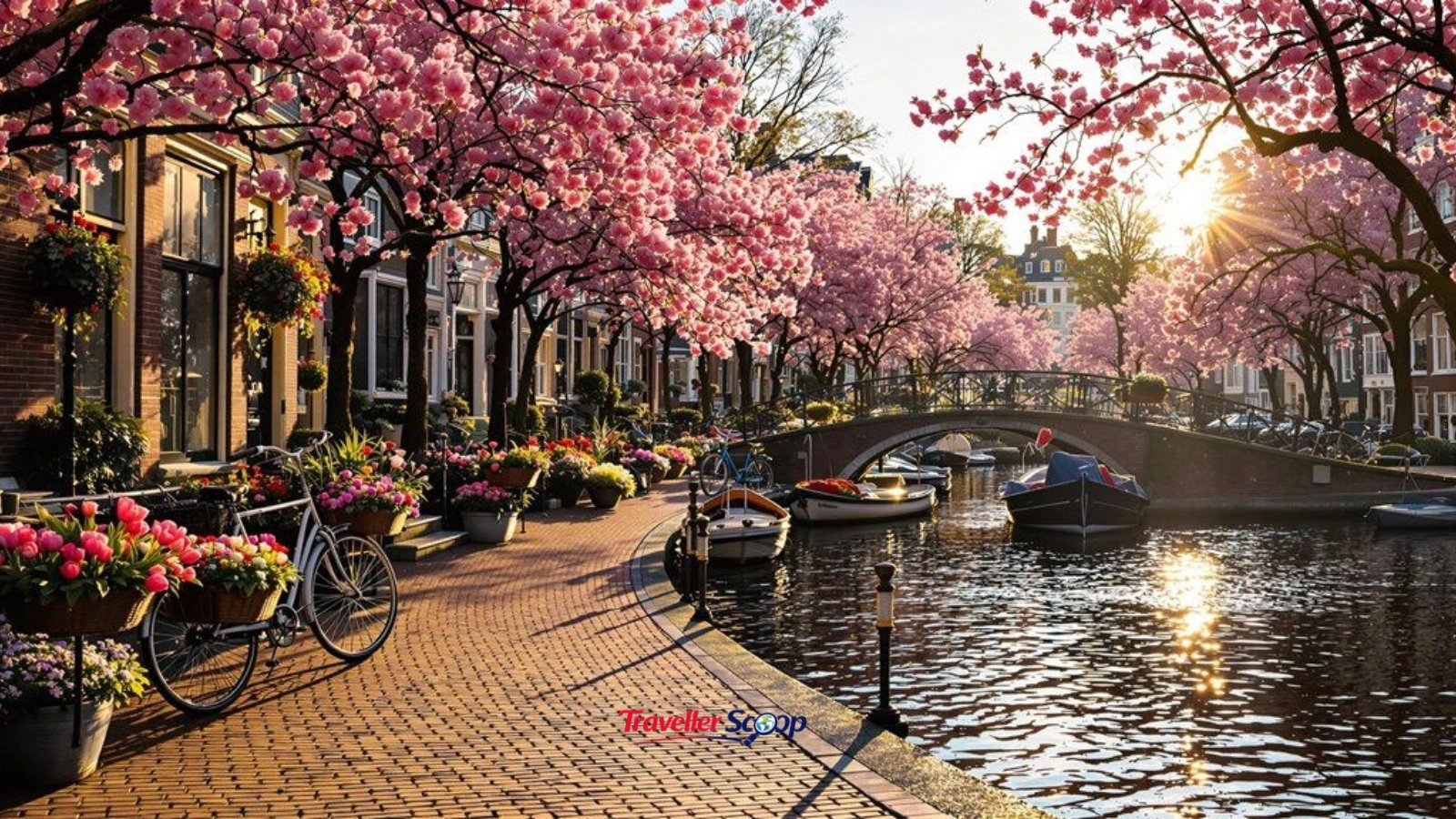
Spring is widely considered one of the best seasons in the entire summer vs winter travel debate because Europe starts transforming from freezing winter landscapes into colorful and lively destinations. The weather becomes fresh, flowers begin blooming across cities and countryside regions, and tourist crowds remain much lower compared to peak summer months.
For travelers searching for the best time to travel Europe, spring offers the perfect balance of pleasant weather, affordable prices, and beautiful scenery. During this season, temperatures across most European countries usually range between 12°C and 18°C, making sightseeing extremely comfortable.
Peak season travel tips for travelers, which allow them to enjoy famous attractions without standing in long queues for hours. This is one of the biggest reasons why many experienced travelers prefer spring over peak season while comparing summer vs winter travel options.
Why Spring is the Best Time to Travel Europe
Pleasant Weather for Sightseeing:
The comfortable spring weather is one of the most significant advantages in the summer vs winter travel comparison. This is neither too hot nor too cold for Europe, and walking tours, city exploration, and outdoor stuff are so much easier to do.
Travelers can comfortably explore:
- Historic streets
- Castles and monuments
- Local markets
- Cafes and gardens
- River cruises
This lovely weather is also why springtime tends to be the best European travel season for first-time visitors.
Fewer Tourist Crowds:
Spring arrives well before peak tourist season across Europe. This means that popular destinations are far less crowded in October than they are over the summer.
Certain cities, such as those in Paris and Rome, become more accessible due to less influx of tourists.
Extremely convincing in the summer vs winter travel comparison as it allows travelers to
- Take better photographs
- Enjoy peaceful sightseeing
- Spend less time waiting
- Experience local culture more authentically
Lower Hotel and Flight Prices:
The next big thing that sets spring apart in terms of summer vs winter travel is cost.
During spring:
- Hotel prices are lower than in the summer
- Flights are comparatively cheaper
- Tourist packages become more budget-friendly
Travel industry estimates suggest spring travelers can often pay 15% to 30% less than those traveling at the peak of summer.
This establishes spring as one of the most sensible times for travelers exploring Europe during the best off-seasons on a mid-range budget.
Beautiful Flowers and Green Landscapes:
As Europe awaits the arrival of spring, the new season brings new life and color to landscapes. Parks, rural areas, riverbanks, and gardens burst in flowers and lushness.
Countries such as the Netherlands are particularly well known for their tulip fields and flower festivals in spring.
This natural beauty is also central to the summer vs winter travel discussion since spring offers up fresh weather along with some stunning scenery.
Travelers can enjoy:
- Cherry blossoms
- Tulip gardens
- Green valleys
- Scenic countryside roads
- Blooming city parks
Best Season for Honeymoon Couples:
The best time for honeymoon couples to travel across Europe is spring, true, because destinations are always romantic, peaceful, and visually appealing.
Couples can enjoy:
- Romantic evening walks
- Outdoor cafes
- Scenic river cruises
- Flower-filled gardens
- Sunset viewpoints
During the summer, the places get a little too crowded and busy, but you still have to be in line from time to time, which is why spring makes it a pleasant experience.
It is this balance that makes spring, perhaps the best time to travel in Europe, both for first-timers and seasoned travelers, according to many travel experts
2. Summer in Europe (June to August)
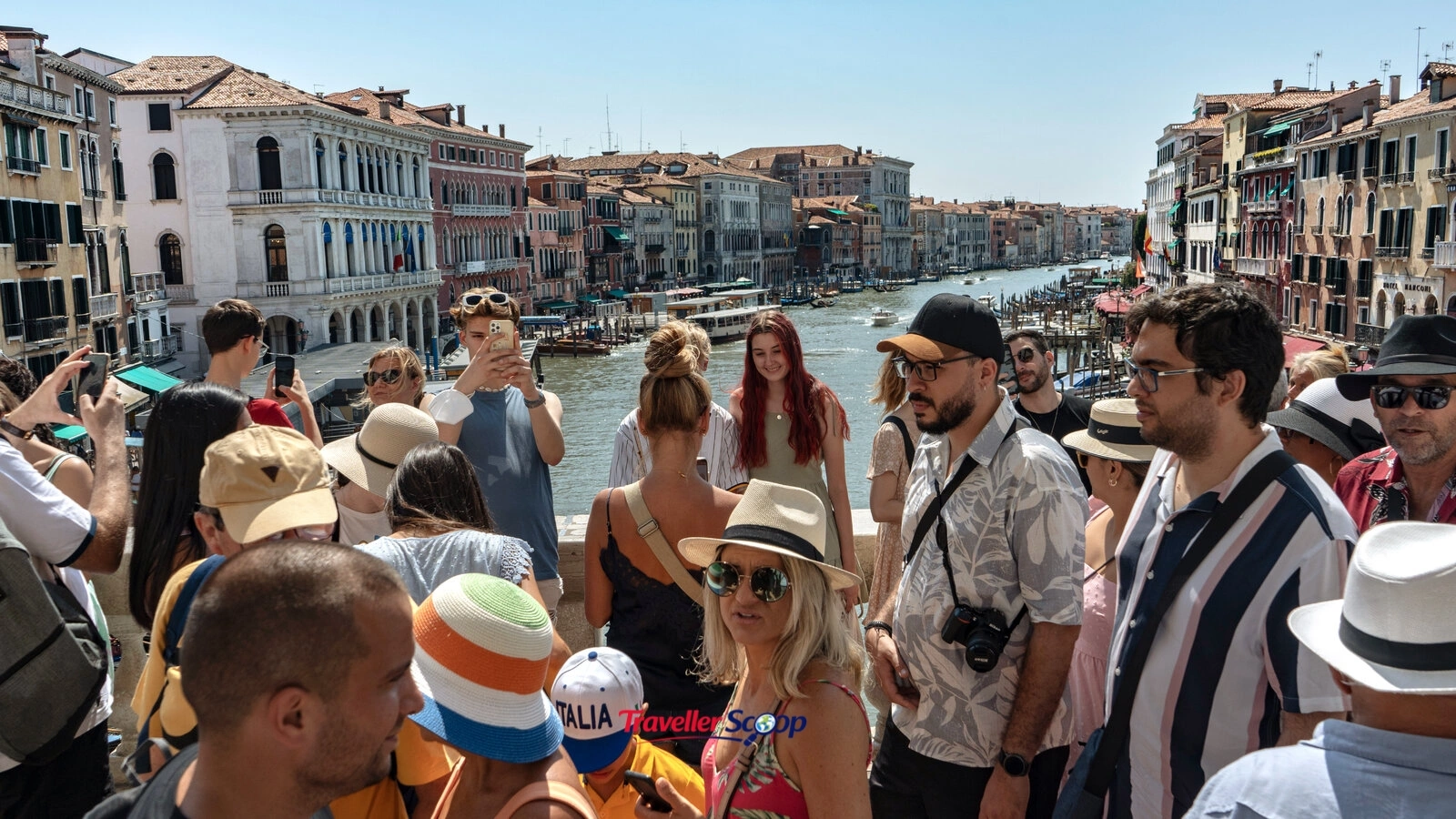
Summer is the busiest and most popular tourist season across Europe. Every year, millions of international travelers visit European countries during this period for beaches, sightseeing, road trips, festivals, and outdoor adventures.
In the debate of summer vs winter travel, summer is often considered the perfect season for travelers who love vibrant cities, sunny weather, and long travel days.
The summer season in Europe usually begins in June and lasts until August. During this time, temperatures across most European countries range between 20°C and 35°C, depending on the region.
Southern European countries like Spain, Italy, and Greece experience warmer temperatures, while mountain regions remain cooler and pleasant.
Why Summer is Popular in Europe
Long Daylight Hours:
Probably the largest positive in comparing summer vs winter travel to Europe is the long daylight hours found over there during the summertime.
In several European countries:
- Sunsets take place as late as 9 PM to 10 PM
- Travelers get more sightseeing time
- Outdoor cafes remain open longer
You are placated by the fact that cities remain alive until sunset
This gives visitors a little bit more time to enjoy the attractions, nightlife, and local culture without feeling rushed.
One of the major reasons why summer is considered by many to be the peak travel time in Europe is the long days.
Perfect Beach Weather:
Europe is a mecca of summer seaside fun. Millions flock to coastal destinations for the warm sunshine, blue skies, and pleasant sea temperatures.
Popular beach destinations include the following:
- Santorini
- Barcelona
- Amalfi Coast in Italy
- Croatia coastline
French Riviera
Summer vs winter travel: for beach holidays and island-hopping-type trips, summer wins this hands down.
Travelers can enjoy:
- Swimming
- Sunset cruises
- Beach clubs
- Water sports
- Coastal cafes
Outdoor Festivals and Concerts:
Europe gets home to thousands of open-air celebrations throughout the late spring,
Summer is when European cities come alive, with music festivals, food fairs, and cultural celebrations.
Some popular summer experiences include:
- Music festivals in Spain
- Open-air concerts in Austria
- Food festivals in Italy
- Street performances in France
The cheer of this type makes summer possibly the most vigorous time for sun against winter travel.
Best Season for Road Trips:
The summer is probably the best period of time for European road trips, as roads are clear, the weather remains nice, and scenic routes become absolutely amazing.
Travelers can enjoy:
- Alpine mountain drives
- Coastal highways
- Countryside villages
- Lake-side routes
- Border-crossing trips
Some of the best scenic summer road trip countries, such as Switzerland, Austria, and Croatia, have become much more sought-after to visit.
Ideal Time for Family Vacations:
The other big reason that July is the winner between summer and winter in the summer vs winter travel debate is a lot of schools and universities are out for the summer, keeping many more people away from their vacations.
Families prefer summer because:
- Kids have holidays
- Attractions remain fully operational
- Theme parks stay open longer
- Accessible beaches and outdoor activities
As a result, summer is one of the busiest times for tourists throughout Europe.
Popular Summer Destinations in Europe:
Santorini:
Through its iconic whitewashed buildings, blue domes, and picturesque sunsets, Santorini becomes one of the most searched travel destinations during summer.
Best Summer Experiences:
- Island hopping
- Sunset viewpoints
- Luxury resorts
- Beach cafes
- Boat tours
If summer vs winter travel is a thing, Santorini is perhaps the greatest of all the European summer destinations.
Barcelona:
Summer in Barcelona is the perfect mix of beach, nightlife, architecture, and food culture.
- Best Summer Experiences
- Mediterranean beaches
- Street festivals
- Gothic Quarter walks
- Rooftop dining
- Outdoor concerts
Amalfi Coast, Italy:
Amalfi’s Known for its colorful coastal towns, luxury hotels, and winding cliffside roads
Best Summer Experiences:
- Coastal drives
- Beach resorts
- Italian seafood
- Boat cruises
- Photography spots
Swiss Alps, Switzerland
Southern Europe is characterized by a coastal nature with beaches; however, the places to escape from summer heat are often high up in the Swiss Alps, where mountain pictures and cooler temperatures await.
Best Summer Experiences
- Hiking
- Cable car rides
- Scenic train journeys
- Lake visits
- Adventure sports
This is also why lots of people look for the cheapest time to travel in Europe.
The result is that, as summer is the high season for tourists in Europe, many backpackers are now opting for the following:
- Spring travel
- Autumn travel
- Early winter trips
These seasons offer:
- Lower hotel prices
- Cheaper flights
- Smaller crowds
- Better availability
This is why so many veteran travelers are convinced that shoulder seasons, rather than peak summertime, are when to travel in Europe at all.
3. Winter in Europe (November to March)
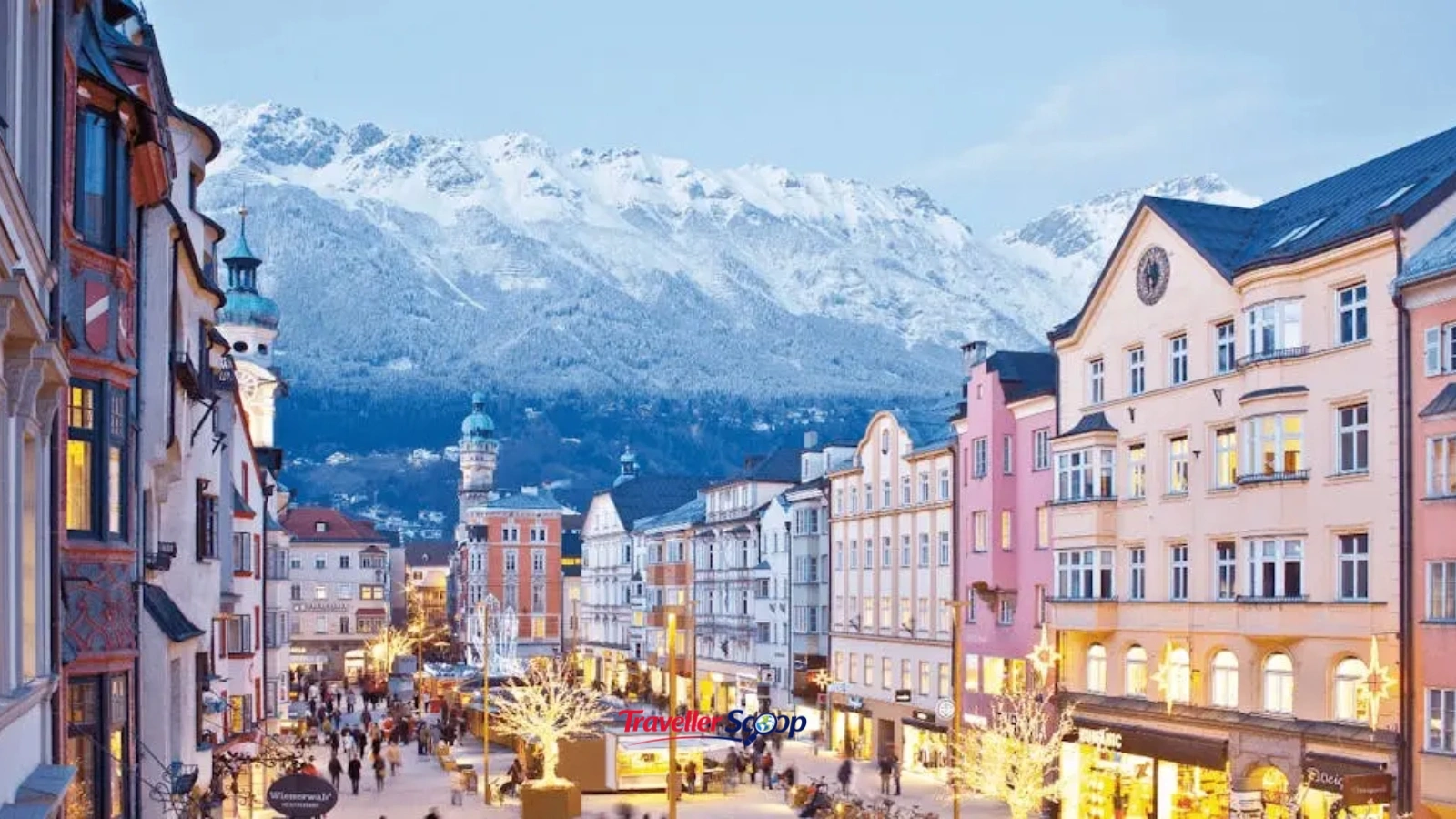
Winter completely transforms Europe into a magical snowy destination filled with Christmas lights, festive markets, frozen landscapes, and breathtaking mountain scenery. In the discussion of summer vs winter travel, winter becomes the perfect choice for travellers who love snowfall, skiing adventures, cozy cafes, and peaceful travel experiences away from peak tourist crowds.
From snow-covered villages in Switzerland to Northern Lights experiences in Norway, Europe during winter feels completely different compared to summer. While summer is known for beaches and sightseeing, winter offers romantic snowy streets, winter sports, and festive celebrations.
The best time to travel Europe for winter lovers is usually between December and February, when most regions experience peak snowfall and Christmas celebrations.
Why People Love Winter Travel in Europe
Winter is, of course, region-dependent in Europe.
- Average Winter Temperatures
- Northern Europe: -5°C to 5°C
- Western Europe: 2°C to 10°C
The Heavy Snow and Freeze in the Alpine Regions
Finland and Norway endure frigid winters, while cities in Western Europe stay less chilly in contrast.
The summer vs winter travel debate is bountiful, but winter has a completely different vibe that most travelers fantasize about experiencing at least once.
Magical Christmas Markets:
With winter on the way over here in Europe, one of the greatest things about it is those ever-so-famous Christmas markets.
From November through the end of the year, cities throughout Germany, Austria, France, and Switzerland become so merry you would think they all fell under a magic spell:
- Christmas lights
- Wooden market stalls
- Hot chocolate cafes
- Traditional food
- Winter decorations
Snowfall in Alpine Regions:
This season really turns the European Alps into one of the most stunning winter hotspots across the globe!
Among them, snow-covered mountains, frozen lakes and magnificent train journeys make amazing landscapes between:
- Switzerland
- Austria
- France
- Northern Italy
For the nature lovers and winter photographers among us, this period is often regarded as the best time to travel Europe.
Travelling during the summer vs winter travel debate — Winter wins for the snowy mountain scenes and alpine nature experiences.
Skiing and Snowboarding Adventures:
Europe is one of the leading ski destinations globally. Millions of adventure lovers flock to famous ski resorts every winter.
Popular winter activities include:
- Skiing
- Snowboarding
- Snow hiking
- Ice skating
- Cable car rides
Top skiing destinations:
- Swiss Alps
- Austrian Alps
- French ski resorts
- Norway mountain regions
This is one of the biggest reasons why we have travelers who prefer winter in the summer vs winter travel debate.
Winter is by far one of the most memorable seasons for travel in Europe, even with colder weather and shorter days.
Travelers choose winter because:
- It is less crowded
- Hotels are more affordable
- Snow experiences are unforgettable
- Christmas celebrations feel magical
- Scenic winter landscapes are breathtaking
However, winter is often regarded by snow lovers and budget travelers as the best time to travel Europe.
Cheapest Time to Visit Europe in 2026
If your priority is saving money, avoid peak summer months.
Cheapest Months
- January
- February
- November
Average Savings
Travelers can save:
- 20% to 40% on flights
- 30% on hotels
- 15% on attraction tickets
This is why many budget travellers prefer winter while comparing summer vs winter travel.
Conclusion
The debate around summer vs winter travel ultimately depends on your personal travel style and budget. If you love beaches, festivals, sunshine, and long sightseeing days, summer is perfect for you. But if you enjoy snow, Christmas vibes, fewer crowds, and budget-friendly travel, winter can be magical.
For most travelers, the best time to travel Europe remains spring and autumn because these seasons offer the ideal balance between weather, prices, and crowd levels.
No matter when you visit, Europe always offers unforgettable experiences, historic beauty, scenic landscapes, and world-class travel memories. Planning smartly with proper research, budget management, and seasonal understanding can help you enjoy the perfect Europe trip in 2026.
FAQs
Which European countries are best during winter?
Switzerland, Austria, Finland, and Norway are among the best winter destinations in Europe.
What is the best time to travel Europe in 2026?
The best times to travel in Europe are usually spring (April to June) and autumn (September to October) because the weather is pleasant and crowds are lower.
Is summer or winter better for Europe travel?
In the summer vs winter travel debate, summer is better for beaches and sightseeing, while winter is perfect for snow lovers and budget travellers.
Which is the cheapest time to visit Europe?
January, February, and November are considered the cheapest time to visit Europe because flights and hotels are more affordable.
Is Europe expensive during summer?
Yes, summer is Europe’s peak tourist season, and prices for hotels and flights increase significantly.

Khushi Vaid
Senior Travel EditorI’m Khushi Vaid, a travel writer with over 2 years of experience creating destination guides, travel tips, and travel planning content. At Traveller Scoop, I write about destinations, travel trends, and practical advice to help readers explore the world with confidence.