
5 Most Beautiful Rural Places in Japan to Add to Your Bucket List
Rural places in Japan are, without question, some of the most breathtaking and soul-stirring destinations on earth, and yet, millions of travelers fly past them every year, rushing toward Tokyo’s neon lights and Kyoto’s temple trails. I’m Khushi Vaid, travel author at Traveller Scoop, and I’ve spent months researching beautiful rural places in Japan to visit […]
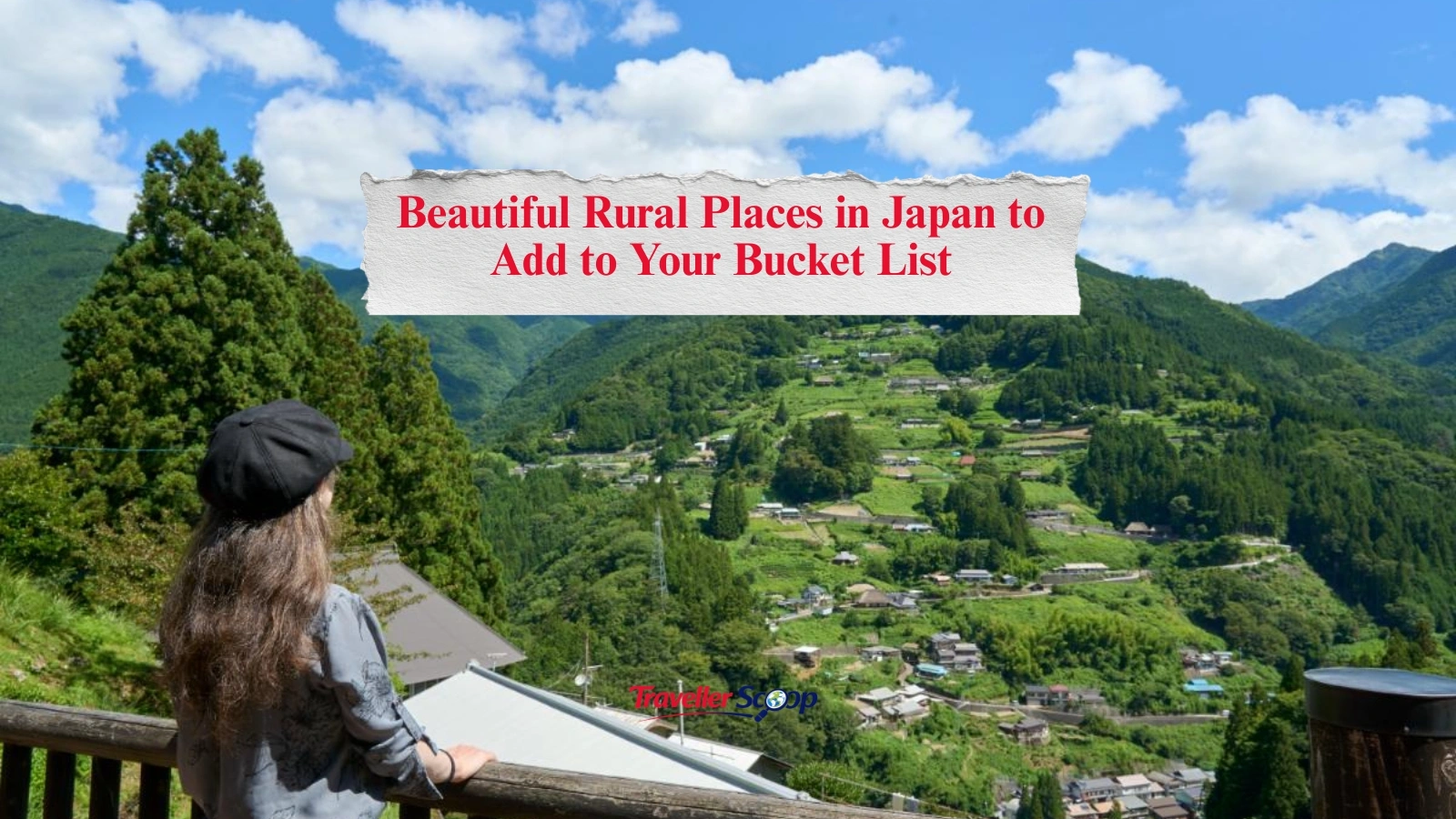
Rural places in Japan are, without question, some of the most breathtaking and soul-stirring destinations on earth, and yet, millions of travelers fly past them every year, rushing toward Tokyo’s neon lights and Kyoto’s temple trails.
I’m Khushi Vaid, travel author at Traveller Scoop, and I’ve spent months researching beautiful rural places in Japan to visit that deserve a permanent spot on your bucket list.
Japan’s countryside holds a completely different kind of magic. Here, time slows down. Gassho-zukuri farmhouses stand knee-deep in snow. Vine bridges sway over roaring gorges. Ancient pilgrimage paths wind through cedar forests untouched for centuries.
These are the rural places in Japan where you don’t just see a country, you feel it.
If you’re tired of overcrowded tourist spots and want to experience Japan the way locals have lived it for generations, this guide is for you.
These hidden countryside destinations in Japan are my personal picks, backed by deep research, real travel data, and genuine love for slow travel. Consider this your complete Japan rural travel guide for beginners and veterans alike.
Let’s get into it.
Why Visit Rural Places in Japan Instead of the Big Cities?
Before we dive into the list, let’s talk about why rural places in Japan deserve your attention. According to Japan’s National Tourism Organization (JNTO), Japan welcomed over 25 million international visitors in 2023, with the vast majority concentrated in just 5 major cities: Tokyo, Osaka, Kyoto, Hiroshima, and Nara.
That leaves more than 70% of Japan’s geographic area largely unexplored by international tourists.
The beautiful rural places in Japan to visit aren’t just “pretty.” They are:
- Home to UNESCO World Heritage Sites that fewer than 5% of Japanese visitors ever see
- Where traditional Japanese architecture, food, and culture are still alive and practiced daily
- Significantly cheaper than major cities (accommodation can cost 40–60% less)
- Ideal for travelers seeking authentic local experiences over curated tourist trails
These hidden countryside destinations in Japan are also far more accessible in 2026 than most people think, thanks to Japan’s legendary rail network and growing rural tourism infrastructure.
If you’ve been dreaming of an off-the-beaten-path Japan village experience, here are my top 5 picks.
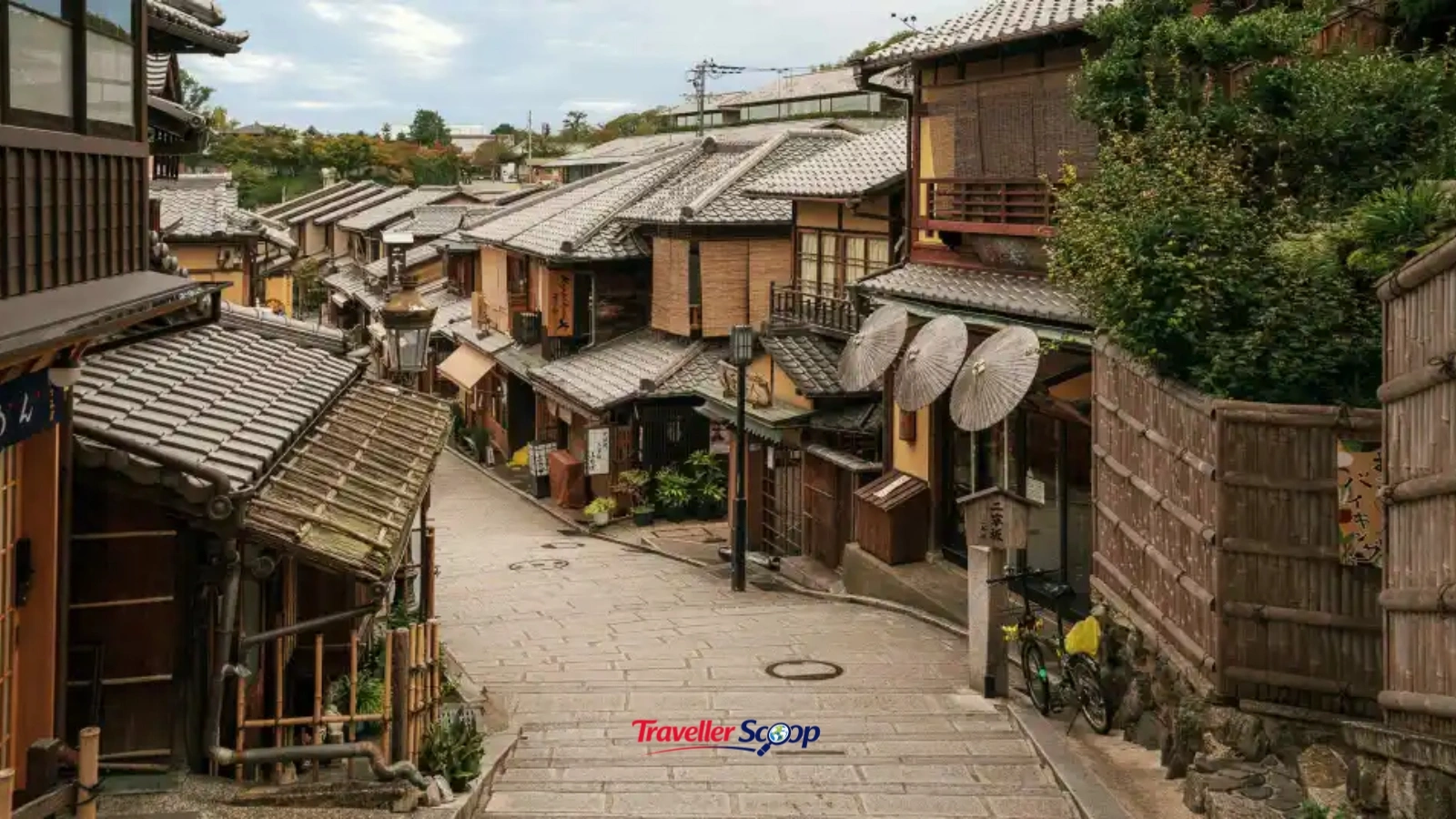
5 Rural Places in Japan
Japan’s countryside is full of hidden beauty, from historic villages and peaceful mountains to scenic coastlines, making these five rural destinations perfect for travelers seeking an authentic and unforgettable experience beyond the big cities.
1. Shirakawa-go & Gokayama, Gifu/Toyama Prefecture: UNESCO's Hidden Mountain Villages
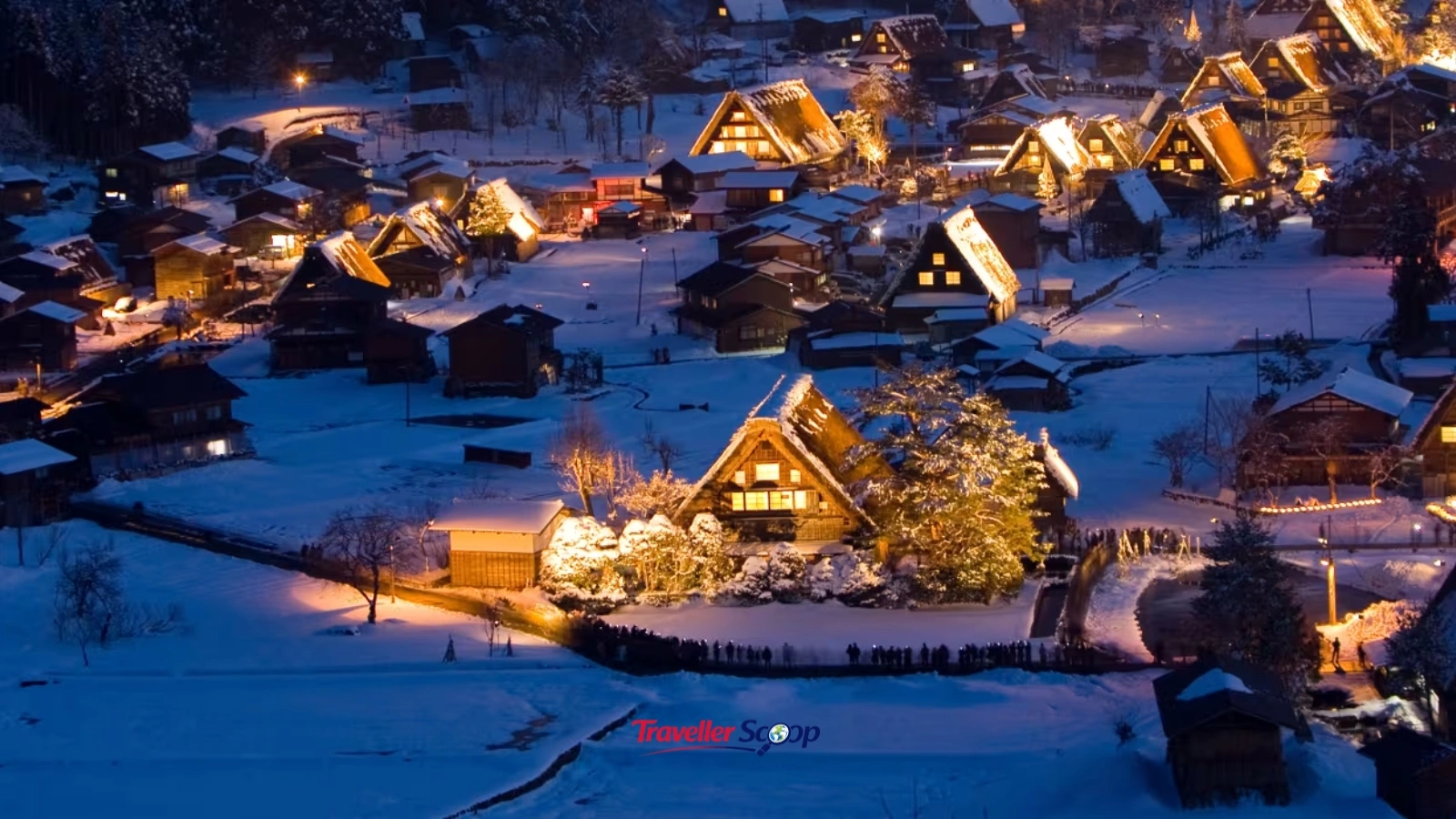
When it comes to rural places in Japan that genuinely take your breath away, Shirakawa-go and Gokayama sit at the very top of the list. Designated a UNESCO World Heritage Site in 1995, these mountain villages in the remote Shogawa River Valley are famous for their gassho-zukuri farmhouses, a Japanese architectural style where steeply thatched roofs are built to resemble hands pressed together in prayer.
The word gassho-zukuri literally means “constructed like hands in prayer,” and once you see these farmhouses rising from a carpet of fresh winter snow, you’ll understand why this is one of the most beautiful, photographed rural places in Japan to visit.
Why You'll Love It:
- The farmhouses in Shirakawa-go are over 250 years old, built entirely without nails, each beam slots into the next using traditional joinery techniques so precise they’ve survived Japan’s earthquakes for centuries.
- Ogimachi village (the largest hamlet) has a cluster of 59 gassho-zukuri houses, while neighboring Ainokura in Gokayama has 20, and tiny Suganuma has just 9, giving you a range of experiences from lively to deeply secluded.
- The winter illumination events (usually held in January–February) turn the village into a scene straight out of a fairytale, with soft golden light glowing through thatched roofs in the dark.
- You can stay inside a gassho-zukuri farmhouse, many of which have been converted into guesthouses where you sleep on tatami mats and wake up to mountain views.
Getting There (Japan Rural Travel Guide for Beginners):
From Takayama, take the hourly bus to Shirakawa-go (about 50 minutes, approximately ¥2,470 one-way). From Tokyo, take the Hokuriku Shinkansen to Toyama (¥12,500 one-way) and then transfer to a bus. For Ainokura in Gokayama, take a bus from Shirakawa-go (¥1,300).
Pro Tip:
Stay overnight rather than doing a day trip. The tour buses from Takayama clear out by mid-afternoon, leaving the evenings beautifully peaceful, one of the most authentic off-the-beaten-path Japanese village experiences you can have.
2. Iya Valley, Tokushima Prefecture: Japan's Most Remote Jungle Gorge
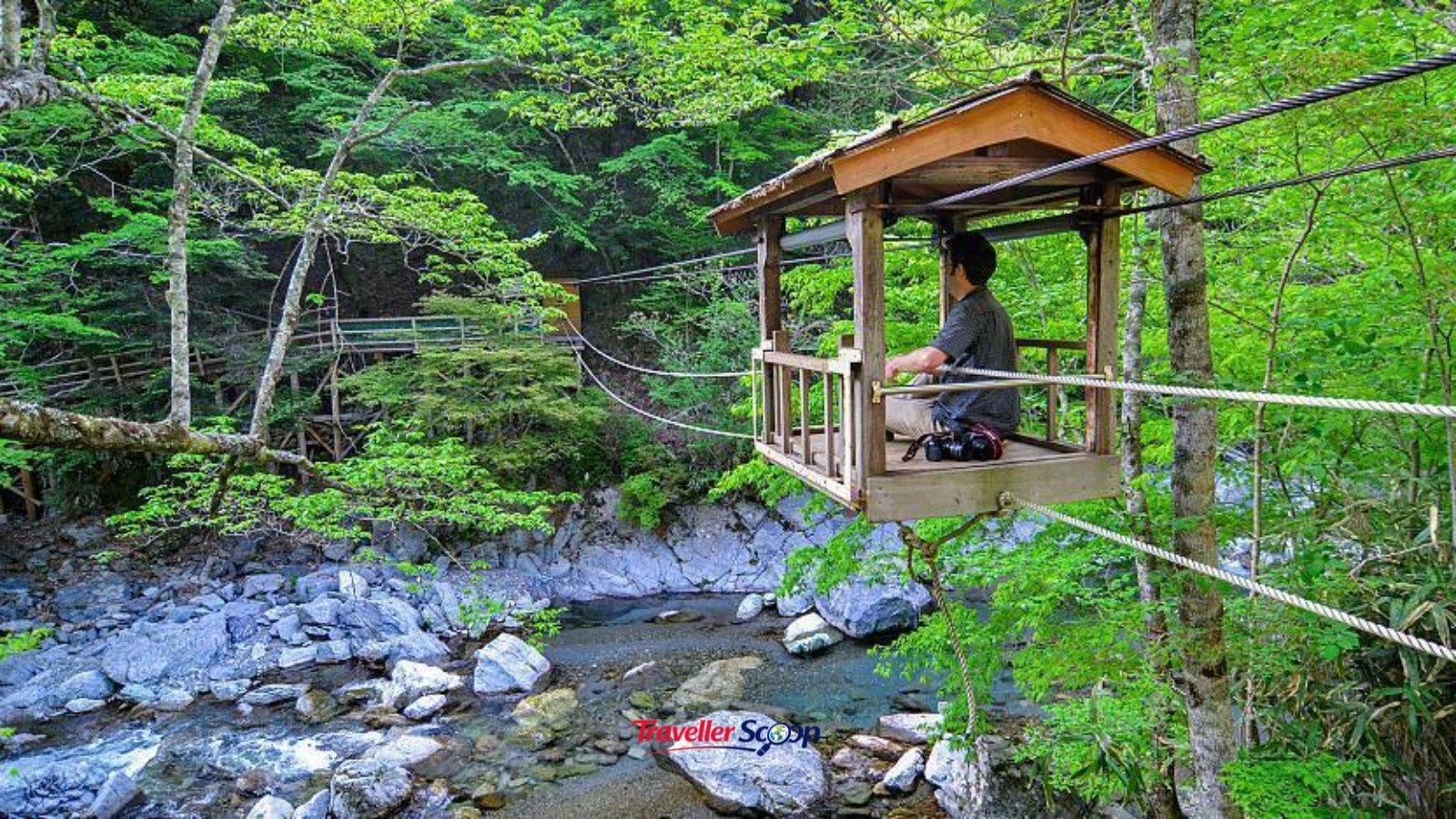
If you’re looking for hidden countryside destinations in Japan that feel like another world entirely, the Iya Valley on Shikoku Island is it. Buried deep within the mountains of Tokushima Prefecture, Iya is one of Japan’s three great “hidden regions”, a place so remote and rugged that it became a refuge for defeated samurai clans over 800 years ago.
This is one of those rural places in Japan where the landscape does all the talking. Steep gorges drop hundreds of meters below ancient vine bridges. Waterfalls thread down mossy cliff faces. Traditional thatched farmhouses (called kayabuki) cling to mountain slopes at impossible angles, seemingly defying gravity.
Why You'll Love It:
- The famous Kazurabashi vine bridges, woven entirely from mountain vines and replaced every 3 years, swing over the rushing Iya River. Walking across them is thrilling, terrifying, and unforgettable.
- The Oboke Gorge offers scenic boat rides through dramatic limestone formations sculpted by thousands of years of river erosion.
- Outdoor hot spring baths (rotenburo) sit perched on mountainsides with views over the valley, among the most scenic onsen experiences in Japan.
- You can hike paths that ancient emperors and monks walked over 1,000 years ago, through forests that haven’t changed in centuries.
- Local farmhouses that are hundreds of years old offer authentic overnight stays, waking up to mist rolling through mountain valleys is an experience you won’t find in any city hotel.
Best Time to Visit:
Autumn (October–November) is spectacular when the entire valley turns crimson and gold. Summer offers lush green gorges and cooler mountain air. This is truly one of the beautiful rural places in Japan to visit year-round.
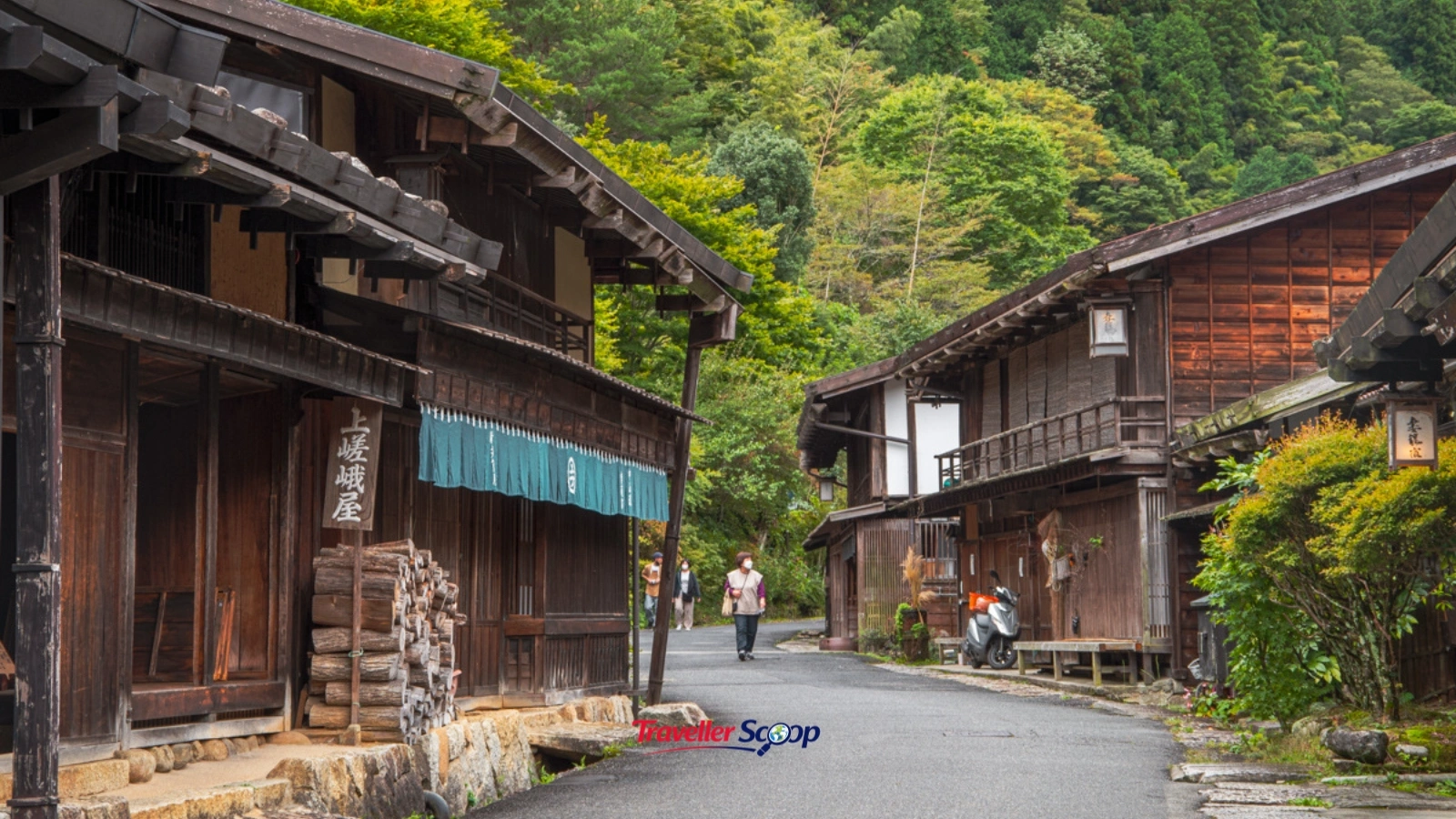
3. Tsumago & Magome, Nagano Prefecture: Walking Edo Japan on the Nakasendo Trail
For travelers who want to literally walk through history, the Tsumago–Magome stretch of the Nakasendo Trail is one of the most remarkable off-the-beaten-path Japanese villages available anywhere in the world.
The Nakasendo was one of Japan’s great mountain highways connecting Edo (old Tokyo) to Kyoto, and this 8-kilometer section between the two post towns of Tsumago and Magome remains almost perfectly intact.
Walking this trail, through cedar forests and past terraced rice fields, feels, as one travel writer beautifully put it, “like Edo-period Japan preserved under glass.”
Why You'll Love It:
- Tsumago was one of the first places in Japan to legally prohibit modern construction in its historic district. Power lines are buried, cars are kept out during the day, and the wooden buildings lining the main street look exactly as they did 300 years ago. It is among the most pristine rural places in Japan you’ll ever encounter.
- Magome sits on a hillside with stone-paved streets, traditional wooden shops, and sweeping mountain views. It’s especially magical in the early morning, before hikers arrive, when the town is wrapped in mountain mist.
- The hike between the two towns takes 3–4 hours at a comfortable pace, passing through forests, rice paddies, and tiny hamlets. The route is well-marked and manageable even for first-timers, perfect for anyone using a Japan rural travel guide for beginners.
- There’s a baggage forwarding service between the towns, so you can walk with a light day pack while your luggage is transported for you (approximately ¥1,000 per bag).
Getting There:
From Nagoya, take the JR Chuo Line to Nagiso Station (for Tsumago) or Nakatsugawa Station (for Magome). Both take roughly 90–120 minutes. This is one of the most accessible hidden countryside destinations in Japan via rail.
4. Ouchi-juku, Fukushima Prefecture: The Thatched-Roof Street That Stopped Time
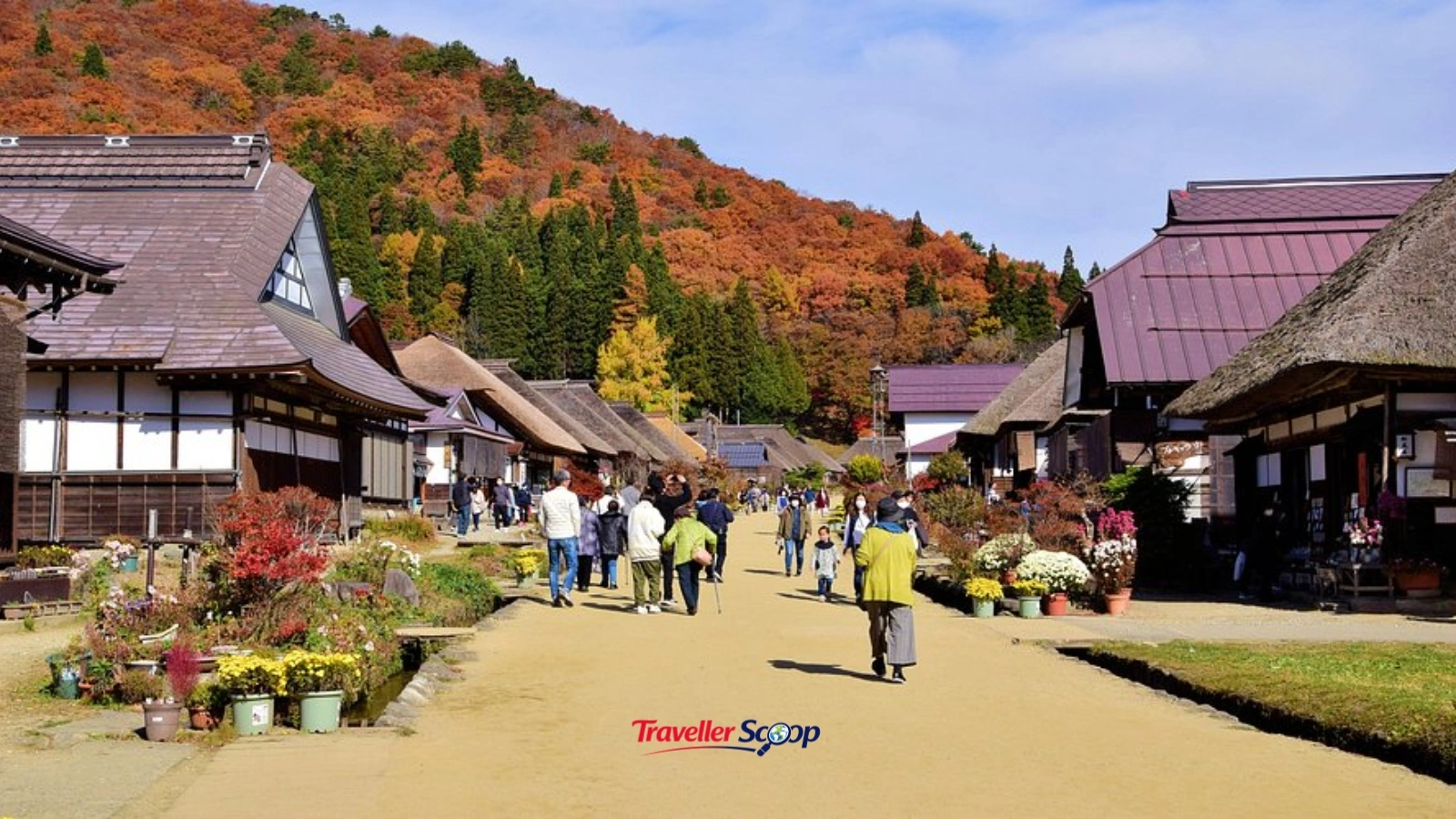
Less famous than Shirakawa-go but equally atmospheric, Ouchi-juku in Fukushima Prefecture is one of those beautiful rural places in Japan to visit that consistently leaves travelers speechless.
This preserved Edo-period post town features a single long main street lined entirely with thatched-roof buildings, maintained by the approximately 100 families who still live and work there.
Unlike some “preserved” villages that feel like museums, Ouchi-juku is genuinely alive. Locals run restaurants serving the town’s famous negi soba (buckwheat noodles eaten with a whole green onion instead of chopsticks, yes, really). Shops sell handmade crafts.
And in winter, the snow piling on every thatched roof transforms it into one of the most magical hidden countryside destinations in Japan.
Why You'll Love It:
- The entire village is one of Japan’s “Important Preservation Districts for Groups of Traditional Buildings,” a designation that ensures strict architectural preservation.
- The Ouchi-juku Yuki-matsuri (Snow Festival), held every February, lights up the street with hundreds of snow lanterns and bonfires. It is one of the most enchanting off-the-beaten-path Japanese villages’ winter festivals in the country.
- The surrounding mountains offer fantastic hiking in spring and summer, with views of the entire preserved streetscape from a hilltop shrine.
- It’s an ideal rural place in Japan for a day trip from Aizu-Wakamatsu, one of Fukushima’s historic castle towns.
Getting There:
Take the Aizu Line train to Yunokami-Onsen Station, then a 20-minute taxi or bus to Ouchi-juku. From Tokyo, budget about 3–3.5 hours. Relatively uncrowded compared to better-known sites, a true gem for your Japan rural travel guide for beginners itinerary.
5. Tottori Sand Dunes & Daisen, Tottori Prefecture: Where the Desert Meets the Mountain
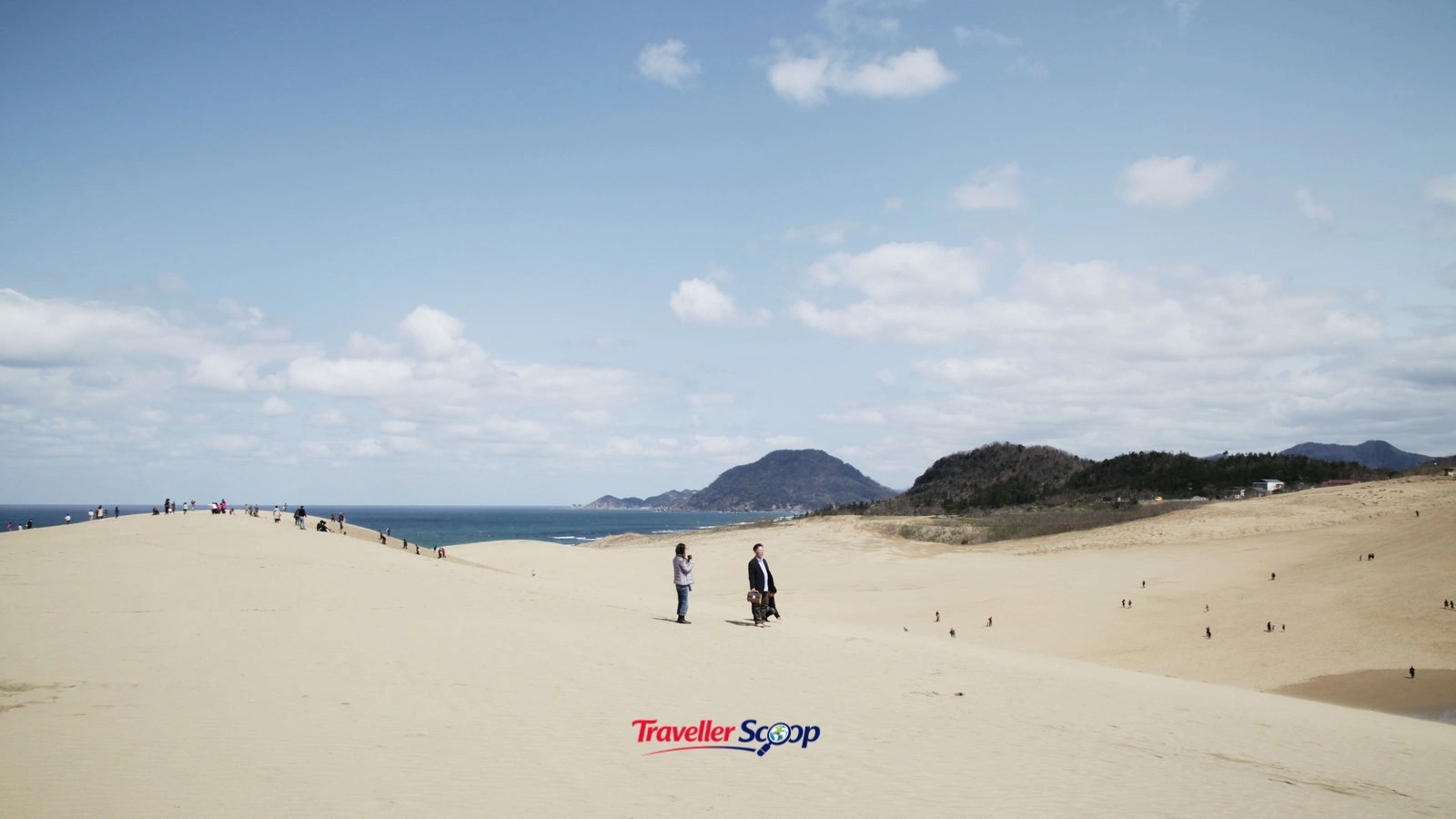
The final entry on this list of rural places in Japan surprises most travelers: Tottori Prefecture, Japan’s least-populated prefecture and, arguably, one of its most dramatically beautiful. Tottori is home to Japan’s largest dune system and the majestic Mt. Daisen, an ancient stratovolcano that locals call “the Chugoku Fuji.”
This is a beautiful rural place in Japan to visit, a choice for travelers who want something beyond traditional villages, a landscape that feels genuinely vast and wild, in a country where open space is rare.
Why You'll Love It:
- The Tottori Sand Dunes stretch for about 16 kilometres along the Sea of Japan coastline, with dunes reaching up to 90 metres high. Watching the sunrise from the top of these dunes — with the sea shimmering in the distance — is a bucket-list moment.
- Sandboarding, camel rides (yes, really), and paragliding are all available at the dunes, making this one of the most activity-rich hidden countryside destinations in Japan.
- Mt. Daisen (1,729 metres) offers spectacular hiking through ancient beech forests, with a summit view that stretches on clear days all the way to the Shimane Peninsula. The autumn foliage here is extraordinary.
- Tottori City’s Karouke Crab (snow crab) season (November–March) means this is also a pilgrimage site for food lovers, fresh crab pulled straight from the cold Sea of Japan.
- With only about 550,000 residents, Tottori is one of the most authentic off-the-beaten-path Japan villages and natural destinations in the country. You’ll rarely encounter tourist crowds.
Getting There:
From Osaka, the Super Hakuto limited express train takes about 2.5 hours (¥6,000). From Tokyo, fly into Tottori Airport (about 1 hour). This is one of the easier rural places in Japan to reach despite feeling so remote.
Practical Tips: Japan Rural Travel Guide for Beginners
Planning your rural places in Japan trip? Here are my most important practical notes:
- Getting Around: Japan’s Shinkansen and JR rail network is superb for reaching regional hubs, but getting into truly hidden countryside destinations in Japan often requires local buses, taxis, or a rental car. Many rural areas have limited public transport after 6 PM, so plan.
- Accommodation: Stay in traditional ryokan (Japanese inns) or minshuku (family-run guesthouses) in rural areas. Prices range from ¥8,000 to ¥25,000 per night, including dinner and breakfast, often dramatically cheaper than city hotels of equivalent quality.
- Japan Rail Pass: If you’re visiting multiple beautiful rural places in Japan to visit, the Japan Rail Pass (7-day pass: approximately ¥50,000) is worth considering. It covers most Shinkansen and JR local trains.
- Language: In truly off-the-beaten-path Japan villages, very little English is spoken. Download Google Translate with Japanese offline support and keep it handy. A phrasebook app goes a long way.
- Best Time to Visit: Spring (March–May) for cherry blossoms and mild weather. Autumn (October–November) for foliage. Winter for snow-covered farmhouses. Summer for mountain hiking. There’s honestly no wrong season for rural places in Japan.
Conclusion
Japan’s rural places in Japan are not a compromise; they are the destination. From the snow-dusted gassho-zukuri farmhouses of Shirakawa-go to the vine bridges of the Iya Valley, from the stone-paved Nakasendo trail to the thatched streets of Ouchi-juku and the wild dunes of Tottori, these beautiful rural places in Japan to visit offer something that no amount of money can buy in a big-city hotel: authenticity.
These hidden countryside destinations in Japan are where culture is still practiced, not just preserved in museums. They are where the food is made by grandmothers who learned from their grandmothers.
They are where the stars are visible at night, the rivers are clean, and the silence is something you can actually hear.
Whether you’re a first-timer using this Japan rural travel guide for beginners or a seasoned Japan traveler looking to go deeper, I hope this guide inspires you and gives you the confidence to step off the tourist trail.
Save this list. Share it with a travel friend. And when you’re ready to go, Traveller Scoop will be right here to help you plan every detail.
FAQs
Are rural places in Japan expensive?
Rural places in Japan are significantly more affordable than major cities. Traditional guesthouses (ryokan and minshuku) typically cost ¥8,000–¥20,000 per night, often including two meals. Local restaurants serve filling set meals for ¥700–¥1,500. Transport between rural towns is inexpensive once you're in the region.
What are the most beautiful rural places in Japan?
The most beautiful rural places in Japan include Shirakawa-go (UNESCO World Heritage villages), the Iya Valley (Japan's most remote gorge region), the Tsumago–Magome Nakasendo trail in Nagano, Ouchi-juku in Fukushima, and Tottori's sand dunes and Mt. Daisen.
Is it safe to travel to rural Japan alone?
Absolutely. Japan consistently ranks among the safest countries in the world for solo travelers. Rural places in Japan are especially safe — locals are extraordinarily helpful even with language barriers, and crime rates in the Japanese countryside are among the lowest globally.
How do I get around in rural Japan without a car?
Most hidden countryside destinations in Japan are accessible via a combination of Shinkansen (bullet train) to the nearest city, followed by local JR trains or regional buses. For more remote areas like the Iya Valley, renting a car is strongly recommended.
What is the best time to visit rural places in Japan?
Every season offers something special in Japan's countryside. Spring (March–May) brings cherry blossoms even to mountain villages. Autumn (October–November) paints the hills in extraordinary color. Winter turns Shirakawa-go and Ouchi-juku into snow globe fantasies.

Khushi Vaid
Senior Travel EditorI’m Khushi Vaid, a travel writer with over 2 years of experience creating destination guides, travel tips, and travel planning content. At Traveller Scoop, I write about destinations, travel trends, and practical advice to help readers explore the world with confidence.