
5 Stunning Monsoon Safari Destinations in India Every Nature Lover Will Love
Monsoon safari destinations in India were never on my radar until three years ago, when a cancelled winter trip forced me to look at the rainy season differently. I used to believe, like most Indian travelers, that jungle safaris only worked in the cool, dry months between November and March.That belief broke the day I […]
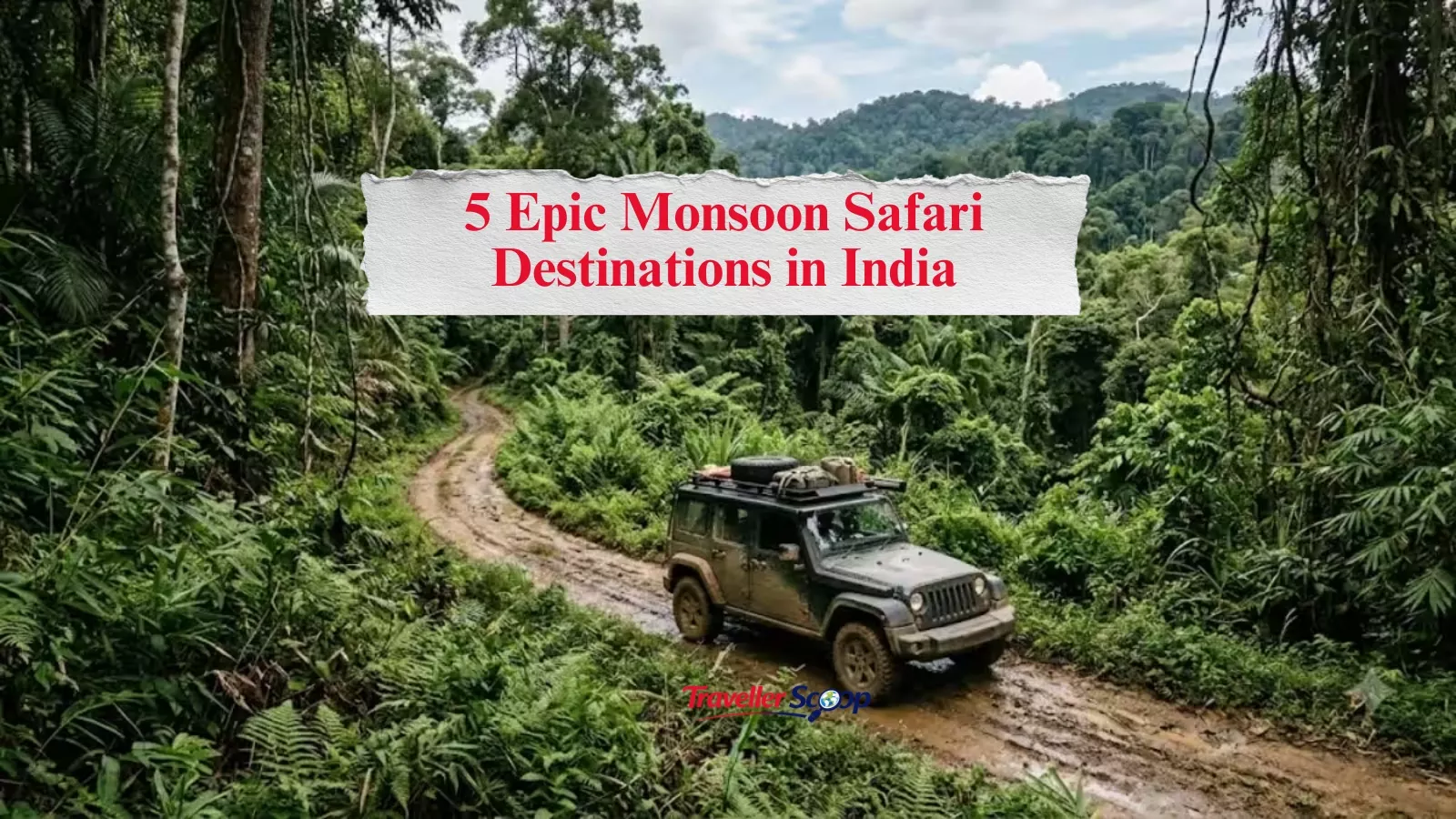
Monsoon safari destinations in India were never on my radar until three years ago, when a cancelled winter trip forced me to look at the rainy season differently. I used to believe, like most Indian travelers, that jungle safaris only worked in the cool, dry months between November and March.
That belief broke the day I sat in an open gypsy at 6 a.m., watched mist roll off a 40-foot sal tree, and realized Monsoon Safari Destinations in India are not a compromise; they’re a completely different, arguably better, way to see the wild.
I’ve now done seven monsoon trips across five states, and this guide is built entirely from that ground experience, not recycled listicle facts.
If you’re searching for wildlife sanctuaries open during monsoon in India, you already know the frustration: nearly 70% of India’s core tiger reserve zones shut down between 1 July and 30 September to protect breeding cycles and prevent erosion damage on forest roads.
But that still leaves a genuine handful of buffer zones and reserves that welcome visitors, and in my experience, these are the least crowded, most photogenic months of the entire year.
In this article, I’m sharing the five monsoon safari destinations in India I’d personally send a first-time visitor to, along with real fees, timings, and the mistakes I made so you don’t have to repeat them.
Why Monsoon Safaris Deserve a Spot on Your India Bucket List
Before jumping into the list of the best national parks to visit in monsoon season in India, let me explain why I switched seasons in the first place. Three things changed my mind permanently:
- Fewer tourists, better sightings: On my July visit to Tadoba, our gypsy was one of only 4 vehicles in a zone that sees 40+ jeeps daily in December. Animals move more freely with less vehicle noise.
- Greener, richer landscapes: Forests that look brown and dusty in summer turn into 60-shade-green canvases. Photography during Monsoon Safari Destinations in India trips is, hands down, more dramatic than winter shots.
- Active wildlife behaviour: Naturalists I spoke with at three different reserves, and they confirmed that big cats actually walk forest roads more often in the rains because tall grass forces them onto cleared paths, and scent marking increases since rain washes old scent trails away.
5 Epic Monsoon Safari Destinations in India
Discover India’s most exciting monsoon safari destinations, where lush forests and incredible wildlife create unforgettable adventures.
1. Tadoba-Andhari Tiger Reserve, Maharashtra
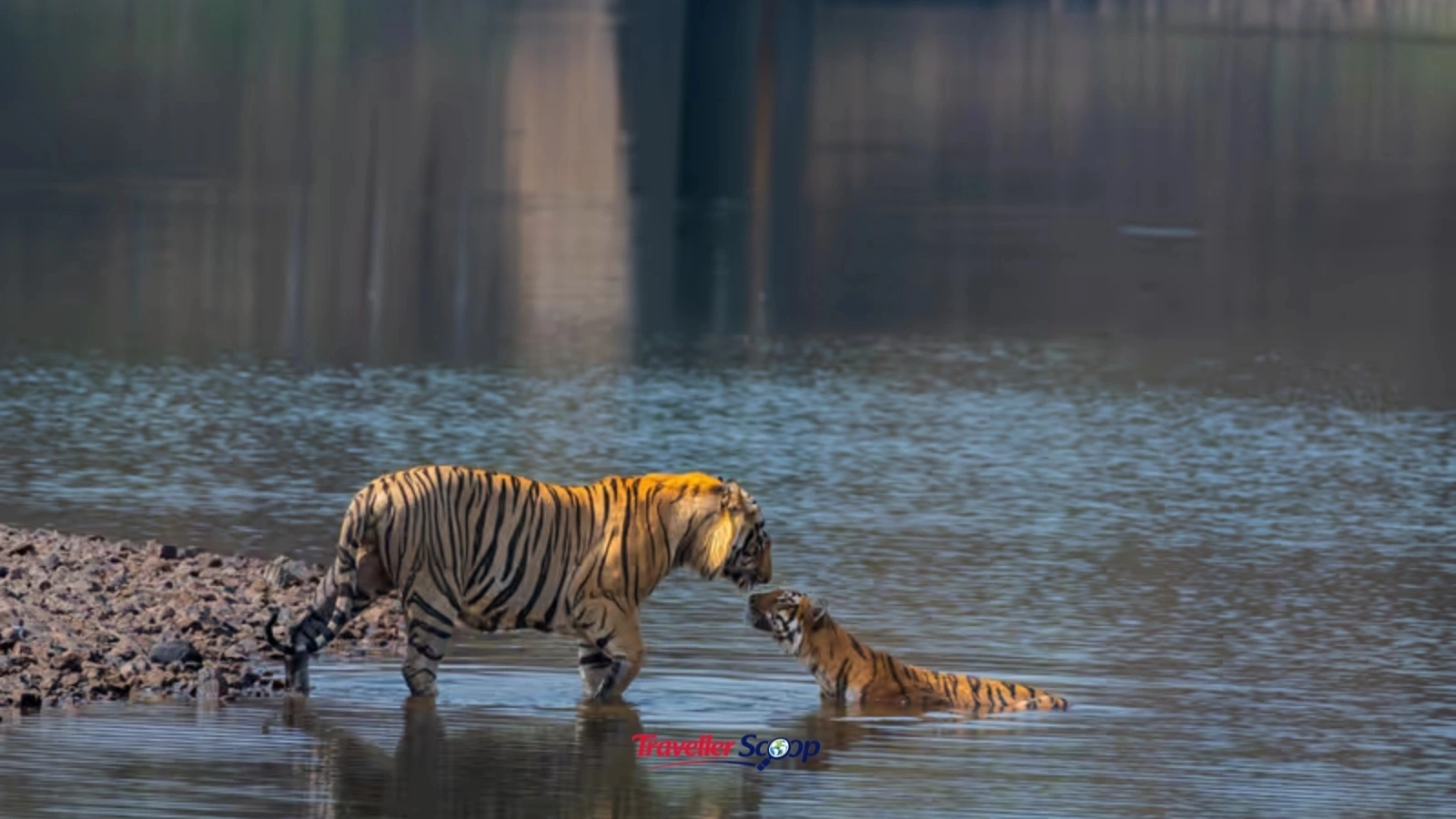
Tadoba is the single best-known name among monsoon safari destinations in India, and for good reason, it’s one of the few reserves that keep its buffer zones open right through July, August, and September while the core zone closes. On my visit, I stayed near the Moharli gate and did two safaris in three days.
- Entry fee (buffer zone): approx. ₹1,500–₹2,000 per jeep for 6 people
- Safari duration: 3 hours per trip
- Distance from Nagpur: roughly 140 km (about 3 hours by road)
- Best sightings: tiger, sloth bear, wild dog (dhole), over 195 recorded bird species
This is the destination I recommend most when people ask me about wildlife sanctuaries open during monsoon in India, simply because the tiger density here is among the highest in the country even in the off-season.
2. Pench National Park, Madhya Pradesh & Maharashtra
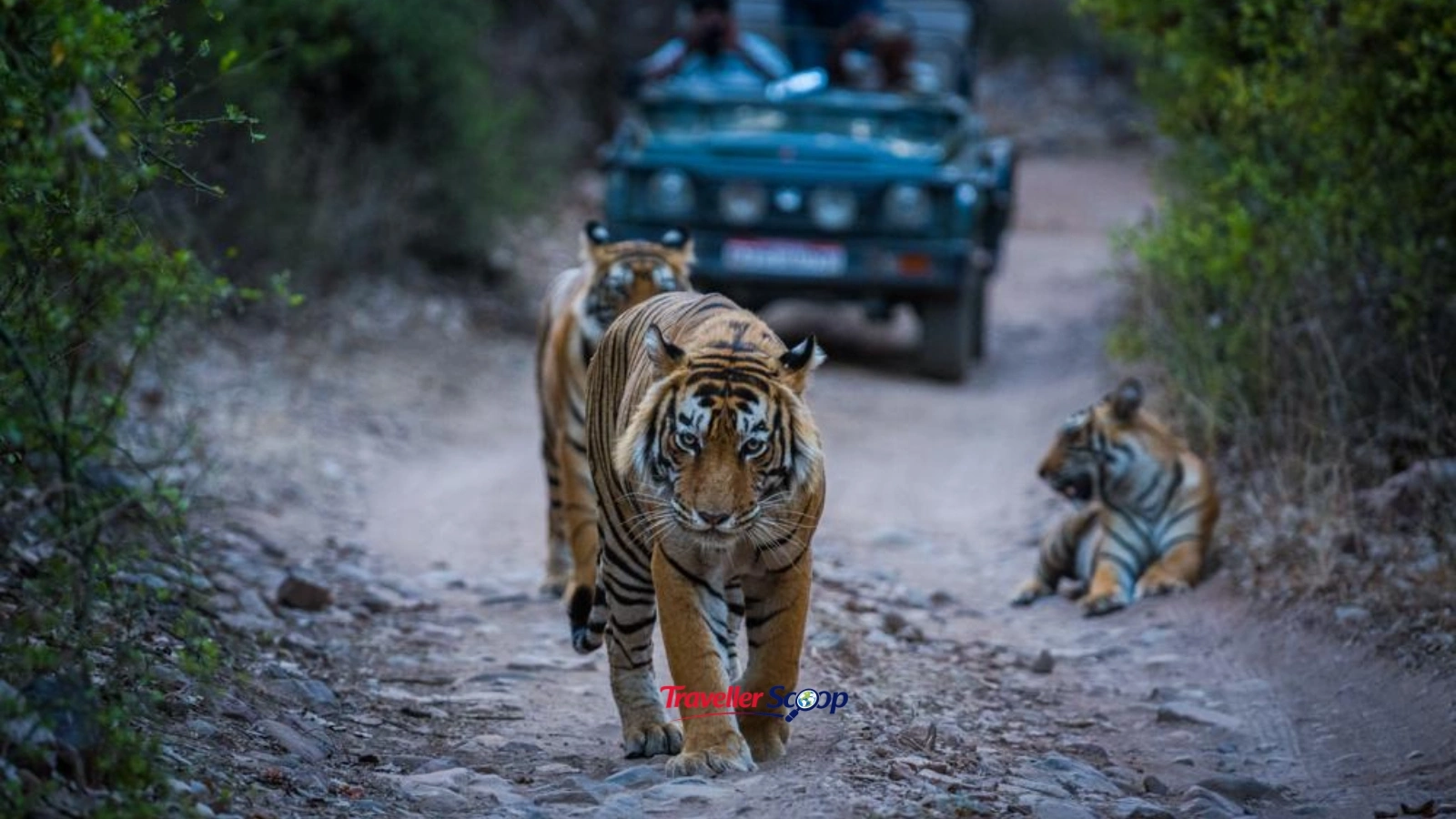
Pench is the forest that inspired Rudyard Kipling’s The Jungle Book, and walking through it in the rains genuinely feels cinematic. Select zones stay open through the monsoon months, and I found the Turia gate side the most reliable for access.
- Core area: roughly 758 sq km, spread across two states
- Safari zones open in monsoon: select buffer routes (always confirm 48 hours ahead, this changes yearly)
- Distance from Nagpur: about 90 km
- Best for: leopard sightings, langurs, and over 285 bird species
I’d rank Pench as the most underrated of all monsoon safari destinations in India; most tourists don’t even realize it stays partially accessible during the rains.
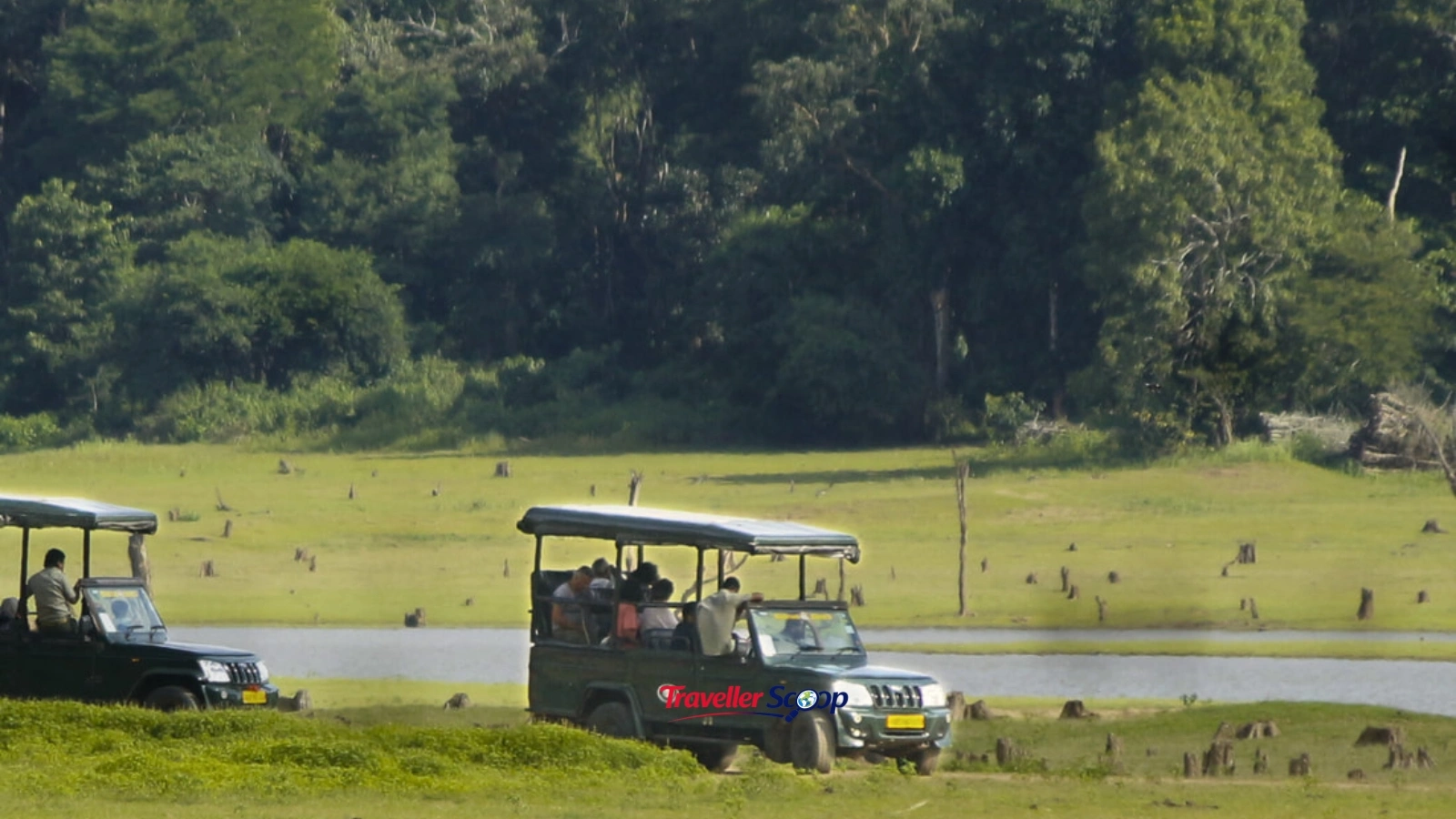
3. Kabini (Nagarhole National Park), Karnataka
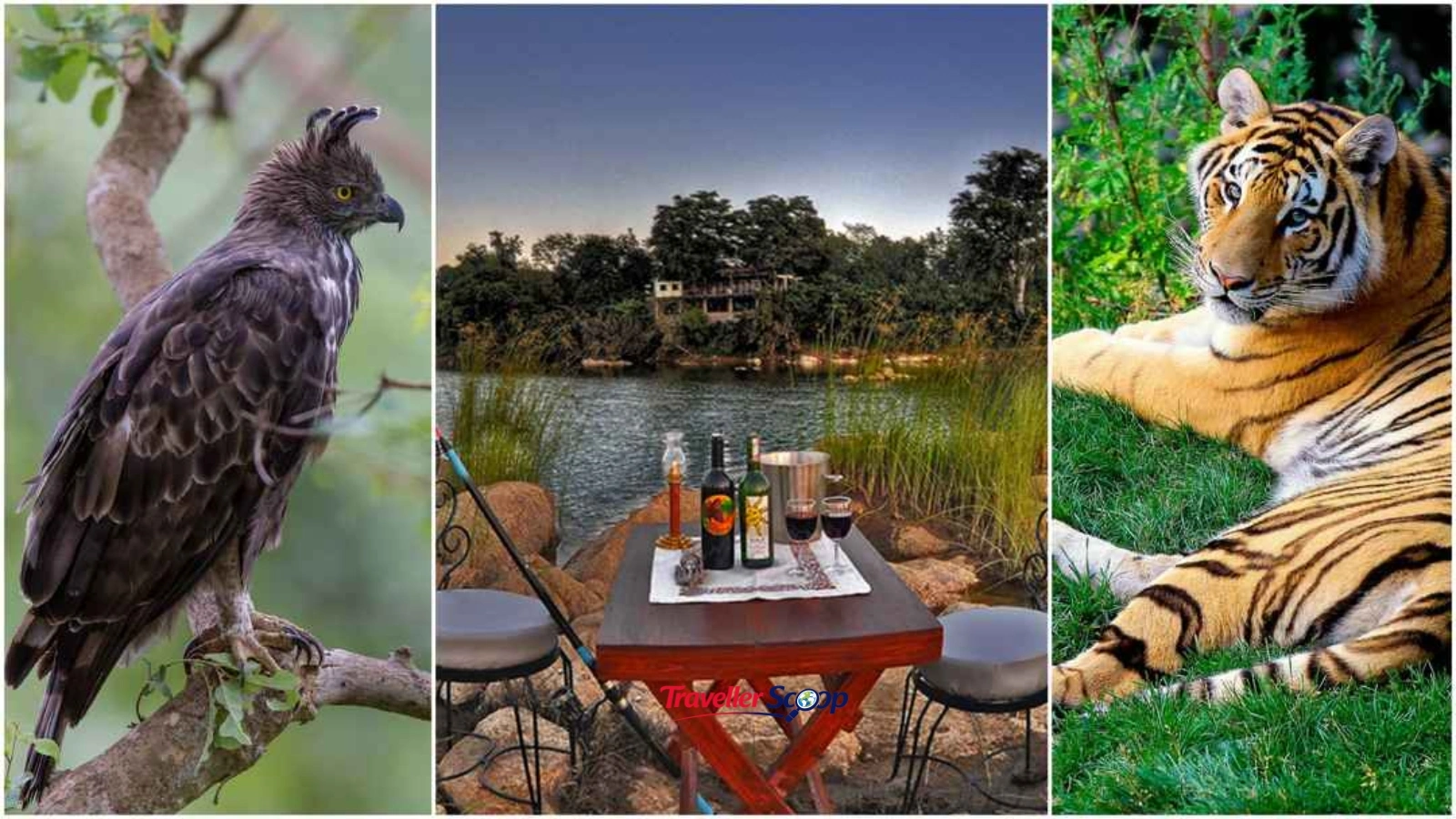
Kabini sits close to the Karnataka-Kerala border and is roughly 240 km from Bangalore. It’s one of the rare South Indian reserves where select safari zones remain open in the rainy season, and it’s a top pick if you’re researching monsoon wildlife safari tips for South India specifically.
- Distance from Bangalore: approx. 240 km (5–6 hours by road)
- Known for: Asiatic elephants, especially large gathering herds near the backwaters
- Safari fee: typically ₹2,000–₹3,000 per person depending on the resort/operator package
- Bonus: the surrounding Kabini backwaters are dramatically full during monsoon, adding boat-safari options
4. Satpura National Park, Madhya Pradesh
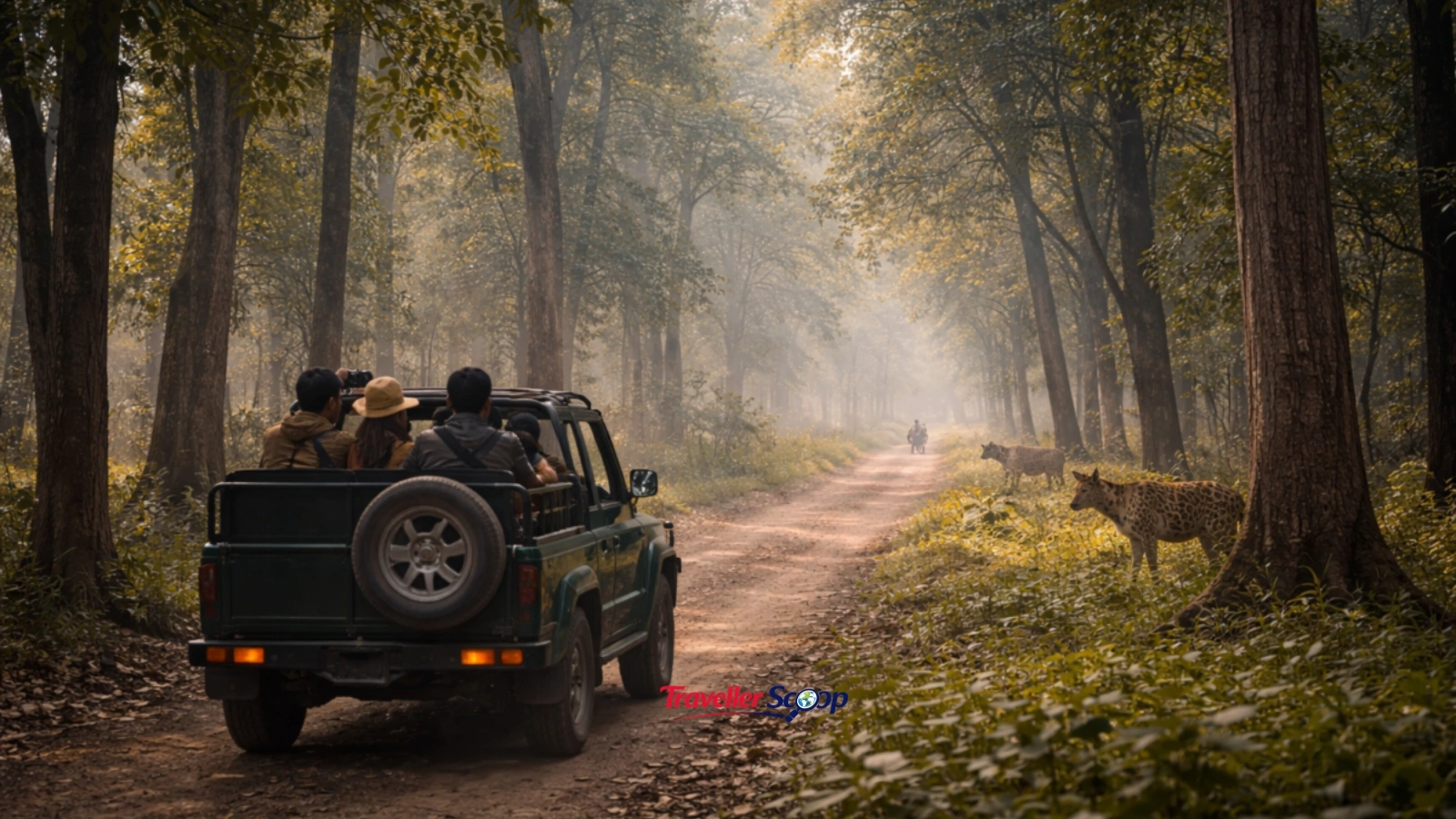
If crowd-free is your priority among Monsoon Safari Destinations in India, Satpura wins easily. It’s one of the only reserves in India that permits walking safaris and canoeing alongside jeep safaris, making it feel far more immersive than the standard drive-through experience.
- Core area: approx. 524 sq km
- Unique feature: one of the few parks offering monsoon walking safaris with armed guides
- Best for: leopard, Indian bison (gaur), and over 50 species of orchids that bloom only in the rains
- Distance from Bhopal: about 210 km
5. Valley of Flowers National Park, Uttarakhand
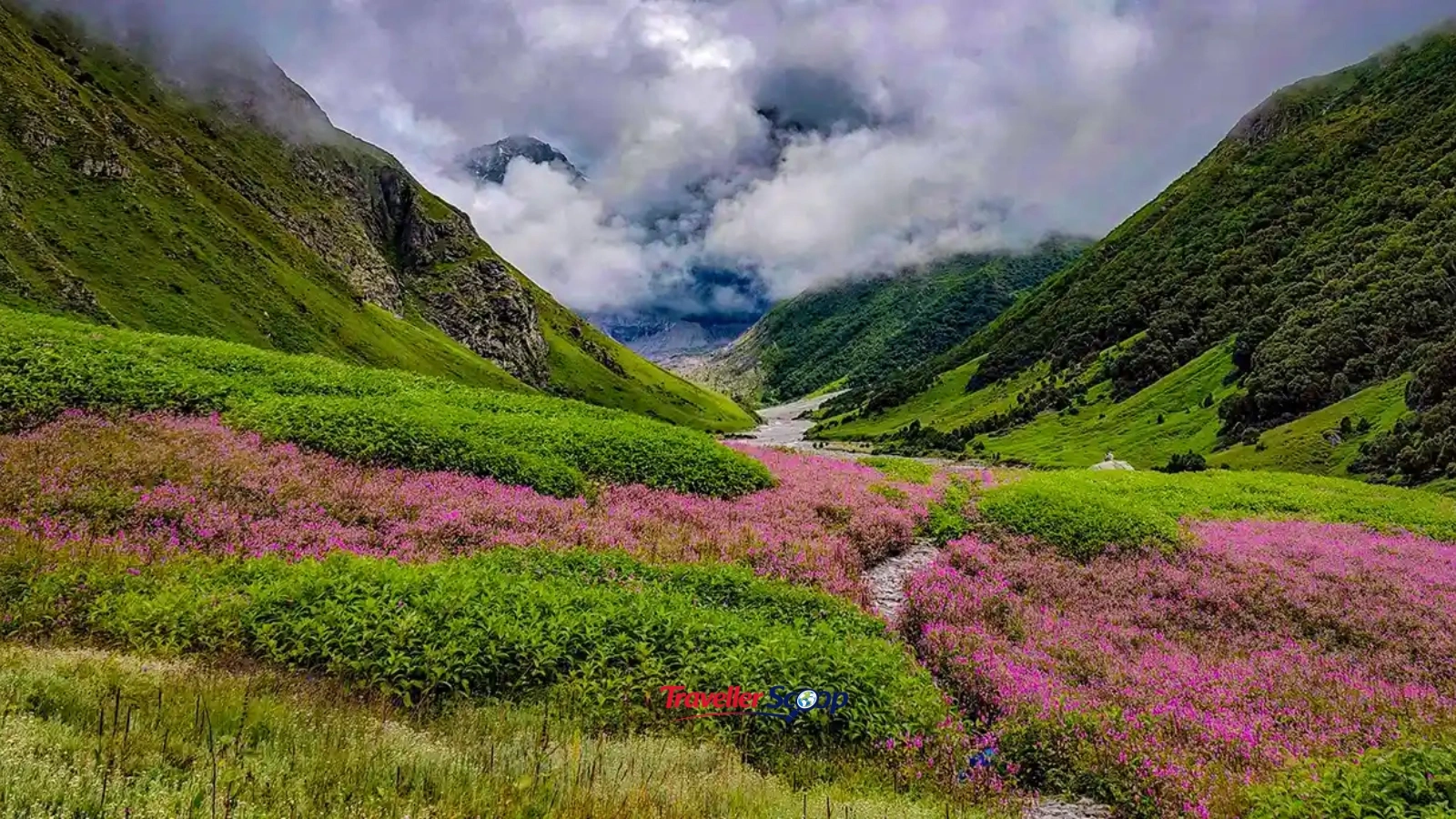
Technically not a wildlife jeep safari, but I’m including it because it’s the single most spectacular monsoon nature destination in India, and readers researching best national parks to visit in monsoon season India consistently ask about it.
- Area: 87 sq km, UNESCO World Heritage Site
- Opens: typically 1 June, once monsoon begins
- Species: over 600 varieties of alpine flowers, including orchids, poppies, and marigolds
- Entry fee: approx. ₹150 per person; park closes to visitors by 5 p.m.
- Trek base: Ghangaria village, reached via a roughly 17 km trek from Govindghat
This is where Monsoon Safari Destinations in India stop being just about animals and become about the sheer scale of the landscape itself.
Monsoon Safari Tips I Wish Someone Had Told Me
A few monsoon wildlife safari tips from personal trial and error:
- Book buffer-zone permits at least 15 days in advance: many parks release only 50% of monsoon-season permits online, and walk-in availability is unreliable.
- Carry a rain poncho, not an umbrella: jeeps don’t stop for umbrella adjustments, and open-top vehicles get genuinely wet.
- Pack a dry bag for cameras: I lost a lens to humidity damage on my first Pench trip.
- Check road closure alerts 24–48 hours before travel, especially for Satpura and Kabini, since sudden heavy rain can shut access routes with almost no notice.
- Budget an extra day as a buffer: Across my seven trips, at least two safaris were rescheduled due to rain-related closures.
If you’re mapping this into a longer trip, our Travel Budget Calculator is a useful way to estimate daily costs for a monsoon India itinerary, and our Destination Safety Radar is worth checking before heading into remote forest regions during heavy rains.
1. Book Your Safari Permits Early
Many national parks reduce the number of safari permits available during the monsoon season, especially in buffer zones. In some parks, only a limited number of permits are released online, and last-minute availability is often unpredictable.
- Try to book your safari at least 15–20 days in advance.
- Check the official park website for updated permit availability.
- If you’re visiting during weekends or holidays, book even earlier.
2. Carry a Rain Poncho Instead of an Umbrella
A lightweight rain poncho is much more practical than an umbrella during a jeep safari.
- Open safari vehicles leave you exposed to rain.
- Umbrellas can block other passengers’ views and are difficult to manage inside a moving jeep.
- A waterproof poncho keeps both you and your backpack dry while allowing you to enjoy the safari comfortably.
3. Protect Your Camera and Electronics
Monsoon humidity and sudden rain showers can damage expensive equipment.
- Carry a waterproof dry bag or camera rain cover.
- Keep extra memory cards and batteries in sealed waterproof pouches.
- Wipe your camera lens regularly to prevent moisture from affecting your photos.
- If you’re using a phone for photography, a waterproof pouch is a smart investment.
4. Check Weather and Road Conditions Before You Leave
Heavy rainfall can lead to temporary road closures or delayed safari timings.
- Check the weather forecast 24–48 hours before your trip.
- Follow the official social media pages or websites of the national park for the latest updates.
- Contact your hotel or safari operator to confirm that roads and safari zones are open.
5. Keep an Extra Day in Your Itinerary
Monsoon weather is unpredictable, and safari drives may be cancelled or postponed due to heavy rain.
- Add one extra day to your travel plan if possible.
- This gives you another chance to enjoy a safari if your original booking is affected by bad weather.
- A flexible schedule also allows you to explore nearby attractions without rushing.
6. Pack the Right Essentials
A few small items can make your safari much more comfortable.
- Waterproof shoes with good grip
- Quick-dry clothing
- Insect repellent
- Hat or cap
- Reusable water bottle
- Small first-aid kit
- Extra plastic bags for wet clothes and shoes
With the right preparation, a monsoon safari can be one of the most rewarding wildlife experiences. The forests are lush and green, animals are active, birdlife is abundant, and the peaceful atmosphere makes every safari feel unique.
Conclusion
Monsoon safari destinations in India completely changed how I plan my travel calendar. What started as a backup plan for a cancelled winter trip turned into my favorite safari season: fewer crowds, greener forests, and sightings that felt earned rather than staged.
Whether you pick the tiger trails of Tadoba, the walking safaris of Satpura, the elephant herds of Kabini, or the flower-carpeted valleys of Uttarakhand, the rains in India don’t shut the door on wildlife travel; they just open a quieter one.
If you’re planning your first monsoon trip, start with Tadoba or Pench for the easiest logistics, and build out from there.
For more India travel planning, check out our Destination Guides category, browse Adventure Travel stories for more offbeat itineraries, and if you’re traveling with family, our Family Travel tag has season-specific advice too.
FAQs
Is Valley of Flowers a wildlife safari or a trek?
It's a guided nature trek rather than a jeep safari, but it's one of the most rewarding monsoon nature experiences in India and pairs well with a wildlife-focused itinerary in Uttarakhand.
Are safaris safe during the monsoon season in India?
Yes, at reserves that officially keep buffer zones open. Parks close core zones specifically to manage safety and forest regeneration, so sticking to approved, open zones like Tadoba or Pench buffer areas is safe and well-regulated.
Which is the best month for monsoon safaris in India?
July and August tend to offer the greenest landscapes, while September often has slightly better road conditions as heavy rains taper off toward the end of the season.
Do monsoon safaris cost less than winter safaris?
Generally yes. Jeep and permit costs are often 10–20% lower in the monsoon months, and accommodation rates near reserves also drop due to lower demand.
Can I see tigers during a monsoon safari?
Yes. Naturalists at Tadoba and Pench have reported that tigers use forest roads more frequently in the monsoon because of tall grass and refreshed scent-marking behavior, though sightings are never guaranteed at any time of year.

Khushi Vaid
Senior Travel EditorI’m Khushi Vaid, a travel writer with over 2 years of experience creating destination guides, travel tips, and travel planning content. At Traveller Scoop, I write about destinations, travel trends, and practical advice to help readers explore the world with confidence.