
Grand Canyon Crowd-Free: 5 Epic Ways to Experience It
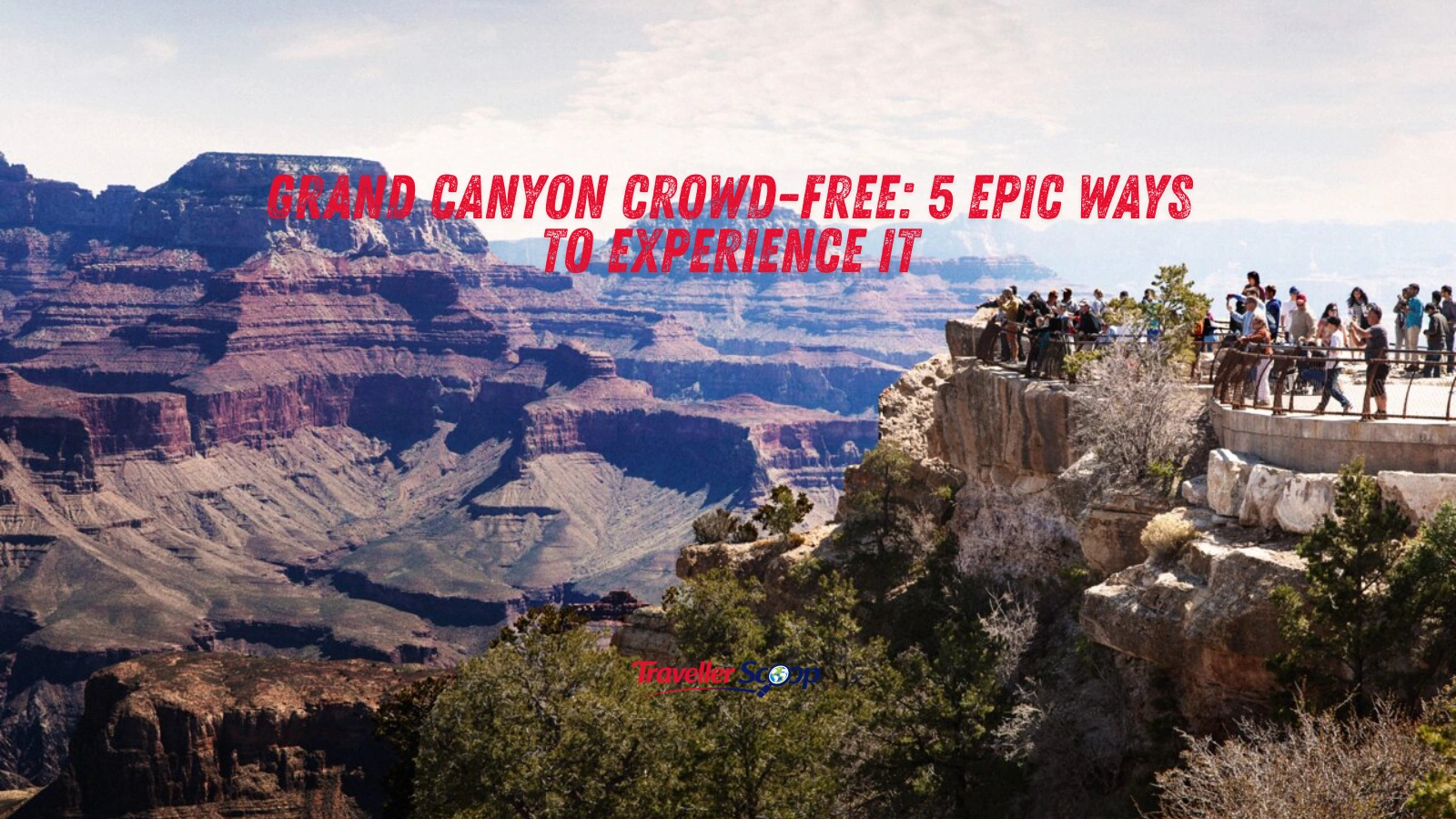
IntroductionThe Grand Canyon, crowd-free, was the highlight of my trip to one of the most famous natural wonders on Earth. The Grand Canyon is gigantic, spectacular, and mind-bogglingly beautiful, but it can also be extremely crowded. Which is why I decided to plan my trip differently. So instead of hurrying from one mobbed viewpoint to […]
Introduction
The Grand Canyon, crowd-free, was the highlight of my trip to one of the most famous natural wonders on Earth. The Grand Canyon is gigantic, spectacular, and mind-bogglingly beautiful, but it can also be extremely crowded.
Which is why I decided to plan my trip differently. So instead of hurrying from one mobbed viewpoint to another, I prioritized crowd-beating methods for experiencing the Grand Canyon while still taking in its greatest sights. With over 277 miles of canyon winding through Arizona, there are many ways to experience this natural wonder without feeling besieged by other visitors.
Some are well-known places you just can’t miss, while others provide a quieter and more meaningful way to enjoy the landscape. I also learned that timing, planning, and being selective about locations can make a big difference when avoiding large crowds.
In this guide, I’m going to discuss the top five experiences that made my trip unforgettable. Places like Mather Point and hiking a segment of the Bright Angel Trail helped me experience the Grand Canyon void of tourists while taking in its most awe-inspiring sights.
What Are the Must-See Places at the Grand Canyon?
When I first visited the Grand Canyon, it didn’t take long to realize that deciding where to go can feel overwhelming. The canyon stretches 270 miles, and every viewpoint seems more breathtaking than the last. During my trip, I discovered that a few spots truly stand out and are top of mind for every traveler.
While the Grand Canyon has many popular viewpoints, some locations offer a Grand Canyon crowd-free experience, allowing you to enjoy the scenery in peace. These quieter spots are perfect for taking photos, soaking in the landscape, and truly appreciating the canyon’s scale without the distractions of large tourist groups.
Here are five must-see places from my unforgettable trip that provide once-in-a-lifetime views and Grand Canyon crowd-free moments. If you’re hoping to avoid the busiest areas, these recommendations make it easier to plan a memorable and serene visit. Following these tips, you can make your Grand Canyon adventure both enjoyable and relaxing, experiencing the beauty without the usual hustle.
Read more: https://travellerscoop.com/best-places-u-s-for-baby-boomers-retire/
1. Mather Point: The Perfect First Look at the Canyon
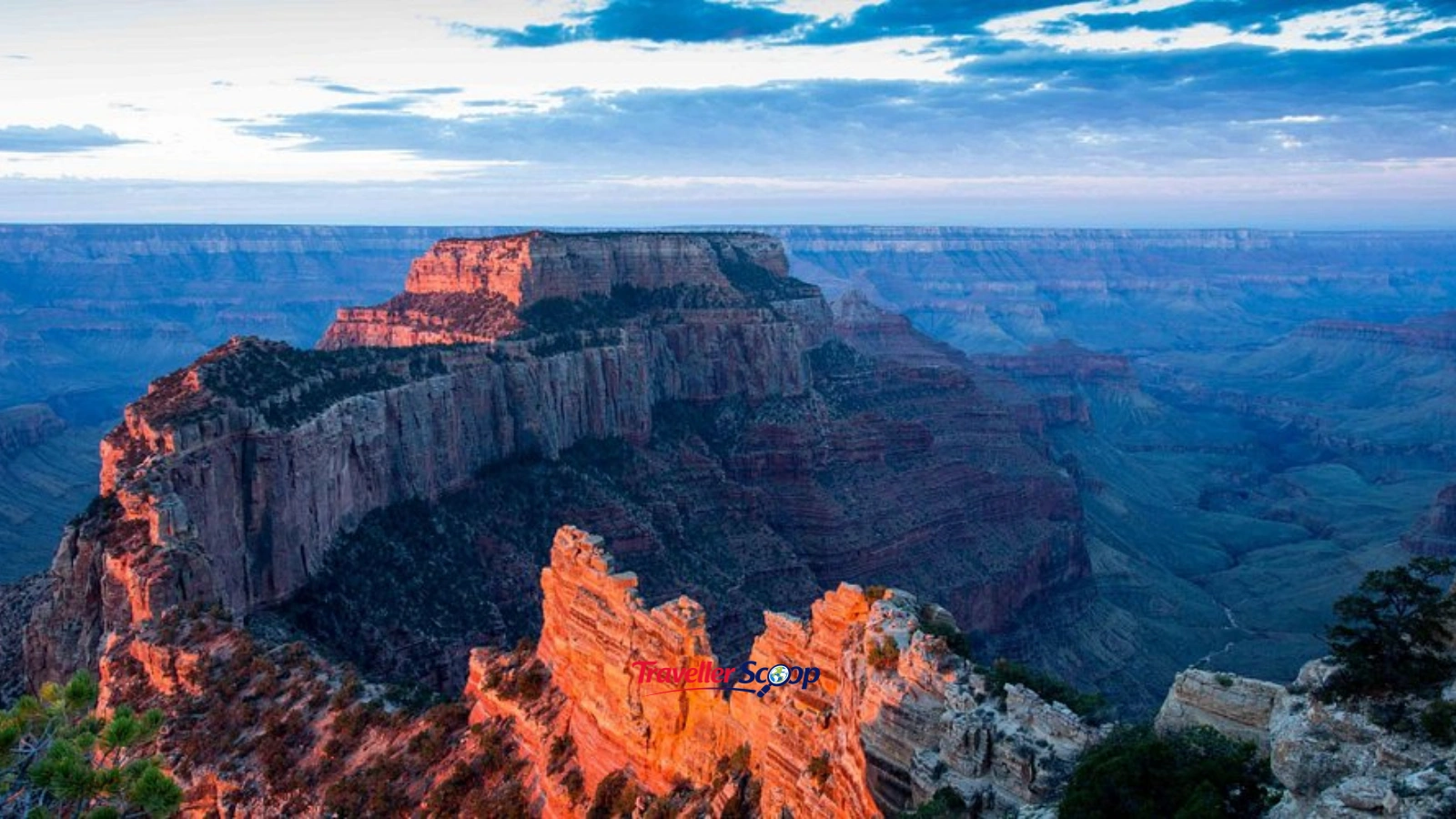
My experience began at Mather Point, one of the most stunning viewpoints on the Grand Canyon South Rim. It’s so close to the main visitor center that for many travelers, it’s the first stop after entering the park.
The canyon was breathtaking when I arrived early in the morning. The sky shifted through shades of pink, orange, and blue as the sun rose, and the first rays of sunlight bathed the cliffs in deep red, gold, and orange. It truly felt like the land was waking up.
Standing at Mather Point, the scale of the canyon became clear. Layers of cliffs, buttes, and valleys stretched endlessly in all directions. While this viewpoint is very popular, arriving early allowed me to enjoy a Grand Canyon crowd-free moment, making the experience peaceful and unforgettable.
Seeing the canyon walls plunge toward the Colorado River below in a quiet morning setting was incredible. Experiencing a Grand Canyon crowd-free sunrise like this gave me a rare sense of solitude amidst one of the world’s most famous natural wonders.
Mather Point is special because it introduces visitors to the canyon’s immense beauty right from the start. I felt awe and humility, appreciating nature’s power during this truly Grand Canyon crowd-free experience. Moments like these are why I recommend planning your visit early for the best Grand Canyon crowd-free views.
Why You Should Visit Mather Point:
- It provides one of the broadest panoramas on the South Rim.
- The viewpoint is easily accessible, near the visitor center and parking lots.
- It is a perfect entry point for first-time visitors to the canyon.
- The sunrises and sunsets here are some of the most breathtaking in the park.
- Getting there early allows you to enjoy the Grand Canyon without the crowds, as large tour groups generally don’t arrive until much later.
What I Learned at Mather Point: Tips
- Get there before 8 AM to have a quieter and more peaceful experience.
- Visit at dawn or dusk, when the colors of the canyon are at their most dramatic.
- Bring sunscreen, sunglasses, and a hat, as the sun is fierce at this elevation.
- Travel with sufficient water, particularly in warmer months. Decide to slow down and just enjoy the view rather than whipping out your camera.
Launching my adventure here was the ideal way to be introduced to the canyon’s staggering size, natural beauty, and ancient history.
2. Hopi Point: The Best Sunset View
Later that day, I trekked to Hopi Point, one of the Grand Canyon’s most popular sunset viewing spots. Widely considered the best place to watch the sunset over the canyon, it didn’t take long to see why firsthand.
Hopi Point sits along Hermit Road, a scenic route on the Grand Canyon South Rim. What makes this viewpoint special is how far it juts over the canyon, offering a wider and more open perspective than many other overlooks along the rim.
Even in the late afternoon, the scenery was breathtaking. The canyon cliffs displayed layers of red, orange, and brown rock stretching seemingly forever. As the sunlight softened, the canyon walls glowed in deeper shades of gold and orange, casting long shadows across the floor and highlighting the dramatic contrasts between light and dark.
Though Hopi Point is a popular spot for sunsets, I was able to enjoy a Grand Canyon crowd-free experience by arriving early. I found a secluded spot in the viewing area and simply soaked in the view as the sun slowly dipped behind the canyon walls. Experiencing the sunset this way gave me a rare, peaceful Grand Canyon crowd-free moment that made the beauty of Hopi Point even more memorable.
For anyone visiting, I highly recommend arriving early to enjoy a Grand Canyon crowd-free sunset. These quiet moments allow you to fully appreciate the scale, colors, and magic of the canyon without the distraction of crowds.
Why Hopi Point Is One of the Best Places to Watch the Sunset:
- Its panoramic view is among the widest along the South Rim.
- The overlook continues slightly deeper into the canyon for more pronounced and defined views.
- This is a perfect spot for sunset photography in the Grand Canyon.
- From this viewpoint, visitors can see this layered hunk of canyon and rock formations.
- The viewpoint features a great west-facing view for sunset viewing.
- During sunset, the colors of the canyon become even more dramatic and deep.
- The landscape shifts from one scene to the next every few minutes as the sunlight dips.
- Guests may witness a peaceful Grand Canyon sunset without crowds, with precise timing.
Tips for Visiting Hopi Point:
- Plan your visit 1–2 hours ahead of sunset to claim a good observation location.
- You should bring along a light jacket or sweater, because it gets cold fast once the sun goes down.
- Bring water and light snacks, since there are limited facilities in this area.
- If you love taking photographs, a tripod can help shoot stable sunset pictures.
- Photographers often stay 10–20 minutes beyond the sunset because sometimes the sky colors get even nicer.
- Look up when the sun sets in advance so you can time your visit accordingly.
- If you desire a more crowd-less Grand Canyon experience, try heading up on a weekday evening.
- Instead of rushing to take photos, give yourself time to simply enjoy the moment.
- One of the most unforgettable highlights I had during my visit was taking in the sunset from Hopi Point.
3. Yavapai Geology Museum: Understanding the Canyon
Next, I visited the Yavapai Geology Museum, located at Yavapai Point. This turned out to be one of the most interesting and educational stops during my Grand Canyon trip.
Before visiting the museum, I mostly admired the canyon for its sheer beauty, the huge cliffs, colorful rock layers, and endless views were already breathtaking. However, after spending time inside the museum, I began to understand the fascinating geological story behind the canyon.
The museum features several easy-to-understand exhibits explaining how the canyon formed over millions of years. Displays describe how erosion, shifting land, and the powerful flow of the Colorado River slowly carved this massive landscape. The exhibits also highlight how different rock layers formed during different time periods, some dating back nearly two billion years.
One of the most amazing features of the museum is its large panoramic windows. These windows perfectly frame the canyon outside, allowing visitors to connect the geological information inside with the real landscape in front of them. By arriving early, I enjoyed a Grand Canyon crowd-free experience, making it easy to explore the exhibits and take in the views without distractions.
Standing at Yavapai Point after exploring the museum made the canyon even more fascinating. I could identify different rock layers and imagine the ancient environments—oceans, deserts, and forests—that existed long before humans ever saw this place. Moments like these are best enjoyed during a Grand Canyon crowd-free visit, letting you truly appreciate the scale and history of this natural wonder.
Why Yavapai Point Is Worth Visiting:
- It combines beautiful canyon views with educational exhibits.
- The museum explains the geological history of the Grand Canyon in simple ways.
- Large windows allow visitors to connect what they learn with the real landscape outside.
- The viewpoint offers wide and unobstructed views of the canyon.
- It is often less crowded than other viewpoints, making it easier to experience the Grand Canyon.
- Visitors can sometimes see sections of the Colorado River far below the canyon.
Tips for Visiting Yavapai Geology Museum and Point:
- Spend at least 30 minutes exploring the museum’s exhibits to understand the canyon’s history.
- Bring binoculars to spot details deep inside the canyon.
- Visit during early morning or late afternoon for better lighting and fewer crowds.
- Use the museum displays to identify the different rock layers visible in the canyon.
- Take time outside the museum to slowly observe the landscape and appreciate its scale.
Visiting the Yavapai Geology Museum transformed my trip from simple sightseeing into a deeper learning experience.
4. Desert View Watchtower: A Cultural Landmark
Some of my favorite memories from the Grand Canyon trip were at the Desert View Watchtower. This beautiful stone tower, located at the far eastern end of the South Rim, provides a blend of history and culture, plus stunning views of the canyon.
The watchtower isn’t merely another lookout point; it’s also a pivotal historic site for Grand Canyon National Park. Designed in 1932 by the famed architect Mary Colter, who designed multiple iconic structures within the park, the structure is perfectly integrated into its desert surroundings. It’s as if it feels timeless to the canyon ecology.
One of the highlights of my visit was walking up to the top via the spiral staircase. Murals and artwork along the way celebrate Native American culture, traditions, and stories. The viewpoint itself was stunning when I finally made it to the top. The canyon stretched endlessly to the horizon, layers of cliffs and valleys between them, and the twisting Colorado River far below.
Arriving early allowed me to enjoy a Grand Canyon crowd-free experience at Desert View, making it possible to explore at my own pace and truly take in the scenery. From this eastern vantage point, the scale of the canyon felt even more dramatic.
Moments like these are best savored during a Grand Canyon crowd-free visit, allowing you to appreciate both the natural beauty and the historical significance of the watchtower without distractions.
Spending peaceful, crowd-free moments here made the eastern side of the canyon one of the highlights of my entire trip. It’s the perfect way to witness the Colorado River carving its path and reflect on the power of nature over millions of years.
Why Visit Desert View Watchtower?
- It combines history, architecture, and nature in a way that is unique.
- Mary Colter, one of the most influential architects in the park’s history, designed the tower.
- At The Tower to learn about Native American culture murals are inside the tower.
- The upper observation deck offers sweeping panoramic views of the canyon.
- It offers one of the best views from the above long stretches of the Colorado River.
- The area is a bit farther from the main visitor area, which may lend itself to more crowd-free Grand Canyon experiences.
Visiting Desert View Watchtower:
- Head to the top observation deck for the widest and furthest views over the canyon.
- Go in the mid-afternoon when sunlight bathes the canyon walls.
- Spend time viewing the murals and artwork inside the tower.
- So, bring a camera or smartphone, because the views are made for photography.
- Make it to the smaller overlook on Desert View Drive for a quieter view.
- Bring water and sun protection, especially in the warmer months.
- Also spend some time walking around that area so you can take in the surroundings and have a more solitary Grand Canyon experience without crowds.
Exploring the Desert View Watchtower opened my eyes to both the cultural history and natural beauty of the canyon.
5. Bright Angel Trail: Experience the Canyon from Inside
The Grand Canyon is awesome seen from the rim viewpoints, but I soon understood that that’s not where the real adventure begins — it’s when you descend over the edge of the canyon. It’s breathtaking when viewed from the top, but hiking inside provides a whole new experience.
On my Grand Canyon hike, I decided to walk part of the world-famous Bright Angel Trail. This is one of the park’s most popular hiking trails, and allows visitors to see the canyon up close.
As I fell slowly into the canyon, the walls loomed ever higher above. The rock formations grew more vibrant up close, with deep reds, oranges, and browns. The environment changed, to some extent noticeably, as I ventured further. The temperature fluctuated upward, and the places I passed felt quieter and remoter.
By starting early in the morning, I was able to enjoy a Grand Canyon crowd-free hiking experience, making it easier to appreciate the scenery and feel immersed in the canyon’s vastness.
Exploring the trail this way gave me a sense of solitude and connection with nature that is hard to find later in the day when the crowds arrive. A Grand Canyon crowd-free hike like this is truly one of the most memorable parts of any Grand Canyon trip.
Because of this, planning your hike carefully is extremely important if you want to enjoy the experience safely while still enjoying a peaceful, crowd-free Grand Canyon adventure.
Why Hiking the Bright Angel Trail Is Worth It:
- It allows visitors to experience the canyon from inside rather than just from the rim.
- The trail offers closer views of the canyon’s colorful rock layers
- Hiking even a short distance gives a better understanding of the canyon’s depth and scale.
- The trail is well-maintained and clearly marked, making it suitable for many visitors.
- Early morning hikes can offer a peaceful, crowd-free Grand Canyon experience.
Hiking Tips I Followed:
- Start hiking early in the morning to avoid the intense midday heat.
- Drink plenty of water and bring snacks or energy bars.
- Wear comfortable hiking shoes with a good grip for the rocky trail.
- Set a clear turnaround point so you don’t become too tired during the return hike.
- Walk at a slow and steady pace, especially while climbing back up.
- Take short breaks to enjoy the scenery and rest your legs.
- Bring a hat, sunscreen, and sunglasses to protect yourself from the strong sun.
- Always remember that going down is optional, but coming back up is mandatory.
- Even though I only hiked a short section of the Bright Angel Trail, the experience made me feel much more connected to the canyon.
Conclusion
A crowd-free visit to the Grand Canyon may sound far-fetched, but with a little planning, it can easily be done. I was able to enjoy a truly Grand Canyon crowd-free experience by arriving early, exploring different viewpoints, and venturing beyond the most popular areas.
Every single viewpoint (certainly, the beautiful vistas at Mather Point or magical sunset at Hopi Point) was breathtaking in its own right. The Yavapai Geology Museum helped me understand the canyon’s interesting geological history, and Desert View Watchtower added a deep cultural layer to my visit.
My last adventure was a hike up the Bright Angel Trail, which allowed me the rare experience of walking inside the canyon’s cliffs and enjoying a peaceful, crowd-free Grand Canyon trail experience.
The Grand Canyon isn’t simply a destination, it’s an entire adventure. You see it in its real beauty when you experience it like this, in moments and places away from the crowds, early morning or off-the-beaten-path. A Grand Canyon crowd-free visit is the best way to fully appreciate this natural wonder and create lasting memories.
Read more: https://travellerscoop.com/national-parks-budget-2026/
FAQs
1- What is the best time to visit the Grand Canyon crowd-free?
Early morning, especially around sunrise, is the best time to avoid crowds at most viewpoints.
2- Can beginners hike the Bright Angel Trail?
Yes. Many visitors hike just a short section, such as the 1.5-mile resthouse, which is manageable for most people.
3- How many days do you need at the Grand Canyon?
Most visitors spend 1–3 days exploring the South Rim, viewpoints, and hiking trails.

Khushi Vaid
Senior Travel EditorI’m Khushi Vaid, a travel writer with over 2 years of experience creating destination guides, travel tips, and travel planning content. At Traveller Scoop, I write about destinations, travel trends, and practical advice to help readers explore the world with confidence.