
Stay Safe! Don’t Make These 4 Travel Mistakes That Can Lead to Identity Theft
Travel mistakes that can lead to identity theft are more common than most people realize, and I learned this the hard way on a trip I still think about. I was two days into a solo trip when I got an alert on my banking app, a transaction I never made, from a city I’d […]
Travel mistakes that can lead to identity theft are more common than most people realize, and I learned this the hard way on a trip I still think about. I was two days into a solo trip when I got an alert on my banking app, a transaction I never made, from a city I’d never been to.
That one moment taught me that identity theft doesn’t just happen to careless people; it happens to distracted ones, and travel makes all of us a little distracted.
Between new time zones, unfamiliar Wi-Fi networks, crowded airports, and the excitement of exploring, it’s easy to let your guard down in exactly the moments when scammers are watching closely.
Identity theft isn’t a rare, far-off risk either. More than 1.1 million identity theft reports were filed with the FTC in a single recent year, and losses connected to identity fraud crossed $43 billion.
Reports have also grown faster year over year, with losses climbing at roughly 27% annually in recent tracking. Travelers are an easy target inside these numbers because we hand over passports at check-in counters, connect to random airport Wi-Fi, and post our location in real time, all things we’d think twice about at home.
In this guide, I’m sharing the exact 4 travel mistakes that put your identity at risk, based on real research and my own experience, plus simple fixes you can start using on your very next trip.
What Is Travel-Related Identity Theft (And Why It's Rising)
Travel-related identity theft happens when someone steals your personal, financial, or document information while you’re away from home, often through public Wi-Fi, lost documents, skimming devices, or oversharing online.
It’s rising because travelers unknowingly create more “exposure points” in a single trip than they do in weeks at home. Airports, hotels, cafes, and even rideshares all ask for some form of your data, and scammers know tourists are less likely to notice something is wrong until it’s too late.
If you want a broader look at staying safe on the road in general, I’ve also covered this in my travel safety tips for tourists guide, which pairs well with this article.
4 Travel Mistakes That Can Lead to Identity Theft
Identity theft can happen when you least expect it, especially while traveling. Avoid these four common travel mistakes to protect your passport, credit cards, personal information, and digital accounts throughout your journey.
1: Connecting to Public Wi-Fi Without Protection
This was my mistake. I logged into my bank app on free airport Wi-Fi because my data roaming hadn’t kicked in yet. Public networks at airports, cafes, and hotels are rarely encrypted properly, and it takes very little technical skill for someone on the same network to intercept your login details.
How to Fix It
- Use a VPN before connecting to any public network
- Avoid logging into banking or shopping accounts on hotel or airport Wi-Fi
- Turn off auto-connect to open networks in your phone settings
- Use your mobile data instead whenever possible
2: Oversharing Your Trip on Social Media
Posting “Landed in Bali! ” with your live location feels harmless, but it tells two things to the wrong person: that you’re away from home, and roughly where to find you. Combine that with a public profile listing your birthday, hometown, or workplace, and you’ve handed a scammer most of what they need to guess passwords or answer security questions.
How To Fix It
- Post photos and locations after you’ve left, not in real time
- Keep travel dates off public posts
- Review what personal details (birthdate, hometown) are visible on your profile
- Turn off location metadata on photos before posting
If you’re planning a longer trip, my perfect travel itinerary guide also has tips on keeping your plans organized without oversharing them publicly
3: Carrying Too Many Cards and Documents
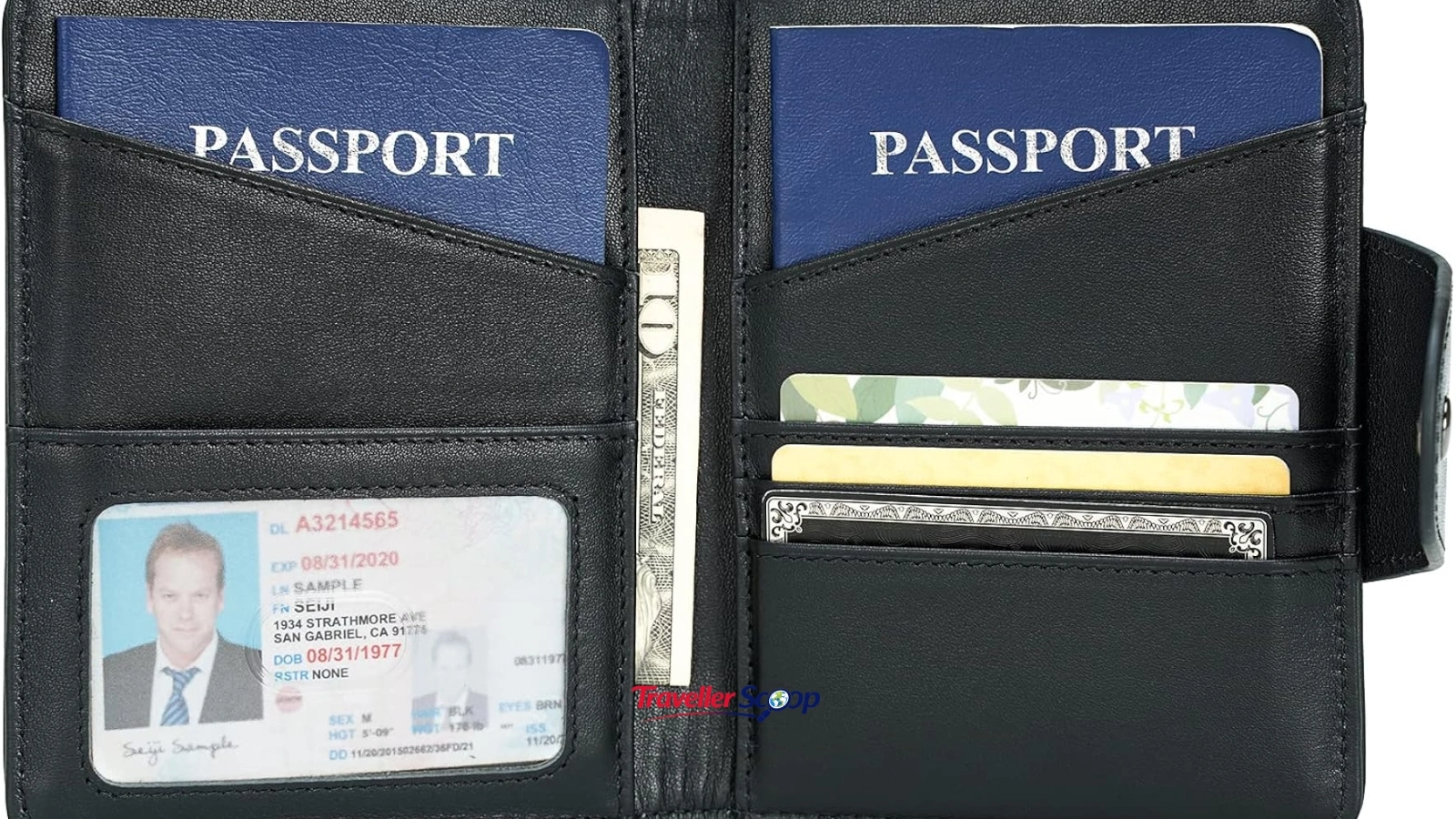
I used to carry my passport, every debit and credit card I owned, my Aadhaar or national ID, and even my Social Security-type documents in one bag “just in case.” One lost or stolen bag later, and I understood why that’s a mistake. Every extra card or document you carry is another piece of your identity a thief can walk away with in seconds.
How To Fix It
- Carry only 1–2 cards you’ll actually use, not your entire wallet
- Leave extra IDs and unused cards locked at home or in a hotel safe
- Keep digital copies of your passport and ID in an encrypted app, not your email
- Use a money belt or hidden pouch for your passport in crowded areas
For more on packing and travel prep smartly, check my adventure travel tips for fun article.
4: Ignoring ATM and Card Skimming Risks
Tourist-heavy ATMs and card readers at unfamiliar shops are common targets for skimming devices, small attachments that copy your card data the moment you swipe. Financial fraud remains one of the most reported categories of identity theft overall, and travelers using unfamiliar machines abroad are especially vulnerable because they don’t know what a “normal” ATM in that country is supposed to look like.
How To Fix It
- Use ATMs inside banks, not standalone street or shop machines
- Cover the keypad with your hand while entering your PIN
- Check for loose or oddly-placed attachments on the card slot
- Enable instant transaction alerts on your banking app before you leave
If your trip involves flights and layovers, my airport travel tips to save time guide also covers safer ways to handle cards and documents at security checkpoints.
How to Protect Your Identity While Traveling (Quick Checklist)
- Use a VPN on All Public Wi-Fi
- Avoid connecting to public Wi-Fi at airports, hotels, cafés, or train stations without protection.
- Use a trusted VPN to encrypt your internet traffic and keep hackers from stealing passwords or financial information.
- Avoid logging into banking apps or making online payments on unsecured networks.
2. Avoid Sharing Your Real-Time Location on Social Media
- Wait until you’ve left a location before posting photos or videos.
- Real-time updates can reveal that you’re away from home, making you a target for burglars or scammers.
- Turn off location tagging unless it’s necessary.
3. Carry Only the Cards and Documents You Need
- Leave extra credit cards, unnecessary IDs, and important documents in a secure place at home or in your hotel safe.
- Carry just one or two payment cards and a photocopy of your passport for daily use.
- Keep your passport and backup cash in a separate, secure location.
4. Inspect ATMs Before Using Them
- Check the card slot, keypad, and cash dispenser for anything loose or unusual that could indicate a card-skimming device.
- Use ATMs located inside banks or well-lit areas with security cameras whenever possible.
- Shield the keypad while entering your PIN to prevent hidden cameras from recording it.
5. Enable Transaction Alerts Before You Travel
- Turn on instant SMS, email, or banking app notifications for every card transaction.
- Real-time alerts help you detect unauthorized purchases immediately.
- If you notice suspicious activity, contact your bank and block the card without delay.
6. Keep Encrypted Digital Copies of Important Documents
- Store encrypted copies of your passport, visa, travel insurance, flight tickets, and hotel bookings in a secure cloud service or password-protected device.
- Having digital backups makes it much easier to replace lost or stolen documents while traveling.
- Avoid saving sensitive files in easily accessible folders without password protection.
7. Freeze Unused Credit Cards While Traveling
- If your bank offers the feature, temporarily lock or freeze credit cards you don’t plan to use during your trip.
- Unlock the card only when you need to make a purchase.
- This simple step reduces the risk of fraudulent transactions if your card details are compromised.
What to Do If Your Identity Is Stolen While Traveling
Even with precautions, mistakes and theft can still happen. If it does:
- Contact your bank or card issuer immediately to freeze accounts
- Report the theft to local police to get an official report (often required for insurance or embassy help)
- Contact your embassy or consulate if your passport is involved
- Change passwords for any accounts accessed on the same device or network
- Monitor your credit report for unusual activity once you’re back
Traveling with family adds extra document exposure too, I go deeper into keeping everyone’s information safe in my family travel tips guide.
Conclusion
Identity theft while traveling usually isn’t caused by one big mistake, it’s the small, everyday habits like connecting to open Wi-Fi, posting your location live, or carrying every card you own that quietly add up.
After my own experience, I’ve learned that a few extra minutes of precaution before a trip save you days of stress afterward. Keep this checklist handy before your next trip, and you’ll travel with a lot more peace of mind.
FAQs
What should I do first if my identity is stolen abroad?
Freeze your cards and accounts through your bank's app or hotline immediately, then file a police report and contact your embassy if travel documents were involved.
What are the most common travel mistakes that lead to identity theft?
The most common ones are using unsecured public Wi-Fi, oversharing real-time location on social media, carrying unnecessary cards or documents, and using unfamiliar ATMs without checking for skimming devices.
Is it safe to use hotel Wi-Fi for banking?
It's risky. Hotel networks are often shared and not always properly secured. Use a VPN or your mobile data for anything involving banking or personal accounts.
Should I carry my passport with me all day while sightseeing?
Generally, carry a photocopy or digital copy instead, and keep the original passport secured in a hotel safe unless it's specifically required for the day's activities.
How can I tell if an ATM has been tampered with?
Look for loose, wobbly, or oddly colored card slots, a keypad that feels raised or sticky, and check if the card reader looks different from other ATMs of the same bank.

Khushi Vaid
Senior Travel EditorI’m Khushi Vaid, a travel writer with over 2 years of experience creating destination guides, travel tips, and travel planning content. At Traveller Scoop, I write about destinations, travel trends, and practical advice to help readers explore the world with confidence.