
5 Must-Try Hyderabad Breakfast Traditions Everyone Loves
Must-Try Hyderabad Breakfast traditions are something I discovered by accident, the first time I sat down for breakfast in the city’s Old City and genuinely didn’t know where to start. It was 8 a.m., the lanes near Charminar were already buzzing, and every second shop had a different smell pulling me in, cardamom-laced tea from […]
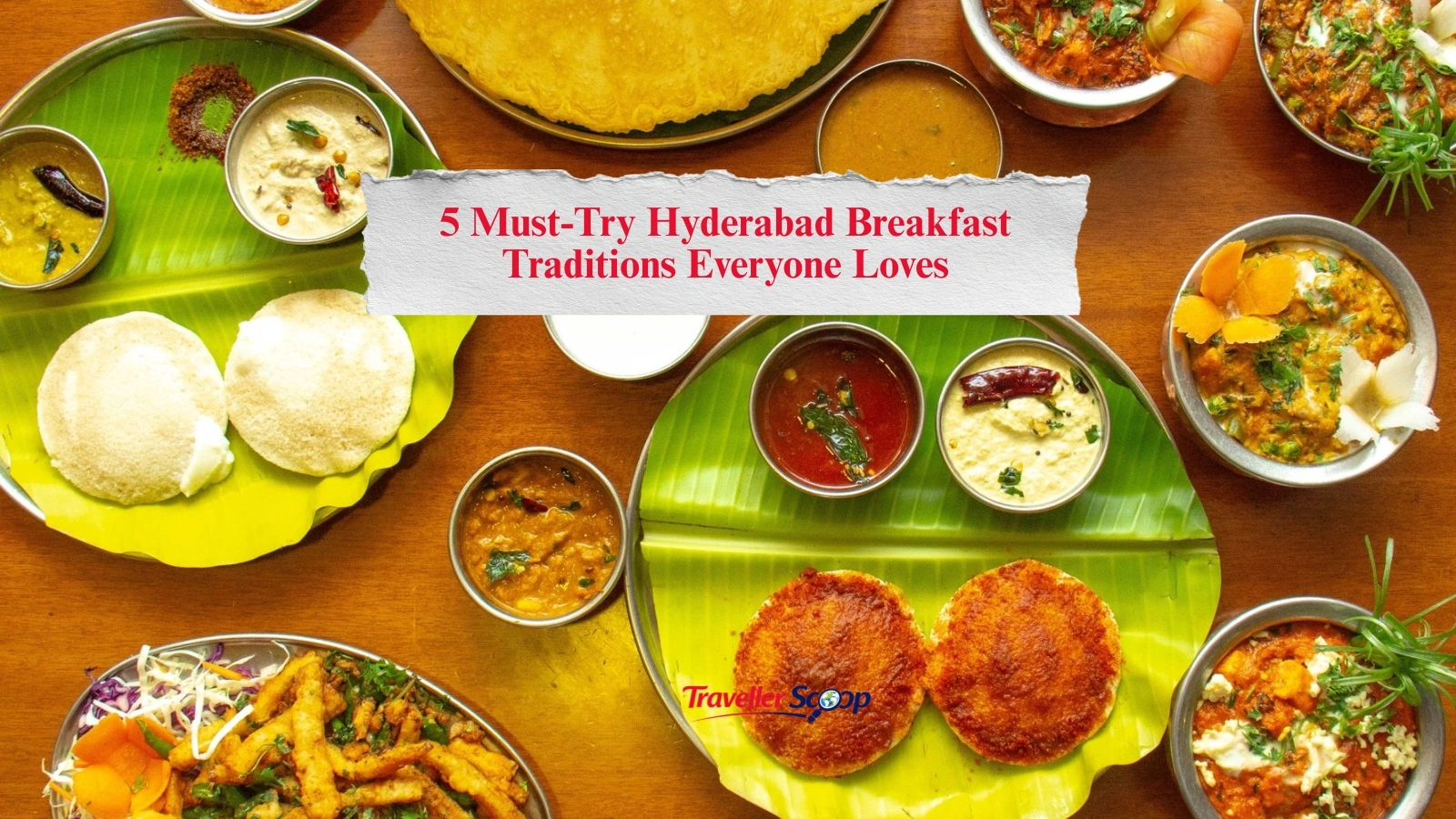
Must-Try Hyderabad Breakfast traditions are something I discovered by accident, the first time I sat down for breakfast in the city’s Old City and genuinely didn’t know where to start. It was 8 a.m., the lanes near Charminar were already buzzing, and every second shop had a different smell pulling me in, cardamom-laced tea from one side, frying keema from the other.
That morning turned into a three-hour breakfast crawl, and it’s the reason I keep coming back to write about the must-try Hyderabad breakfast traditions every single visitor should experience at least once.
Hyderabad isn’t only about biryani. Ask any local and they’ll tell you the city’s soul actually shows up at the breakfast table, in a small Irani café, at a 60-year-old bakery, or on a plastic stool outside a nihari stall.
Over four separate trips and more than 20 breakfast stops, I put together this guide to the must-try Hyderabad breakfast traditions that locals actually eat, not just what shows up on tourist lists.
If you’re planning your visit, I’d also recommend pairing this with a proper Hyderabad destination guide so your mornings and your itinerary line up.
In this article, I’m covering 5 dishes, their approximate prices (in 2026), where to find them, and the small details, like the right time to go, that most guides skip. This is everything I wish someone had told me before my first Hyderabad morning.
What Are the Must-Try Hyderabad Breakfast Traditions?
The must-try Hyderabad breakfast traditions go far beyond a quick morning meal—they’re a reflection of the city’s rich Nizami heritage, centuries-old recipes, and vibrant café culture. During my visits to Hyderabad, I quickly realized that breakfast here is treated almost like a celebration.
Locals don’t just grab a snack on the way to work; they gather at Irani cafés, bustling street stalls, and family-run eateries to enjoy recipes that have been passed down for generations.
If you’re wondering what to eat for breakfast in Hyderabad, you’ll be spoiled for choice. From the comforting combination of Irani chai and Osmania biscuits to hearty plates of khichdi-keema, slow-cooked nihari with kulcha, crispy lukhmi, and freshly baked sheermal, every dish tells a story about the city’s multicultural food heritage.
Many of these recipes blend Mughlai, Persian, and Telugu influences, creating flavors that you won’t easily find anywhere else in India.
One thing I learned is that timing matters. Some of the most famous breakfast dishes are available only during the early morning hours and often sell out before 10 a.m. That’s why I always recommend starting your day early, especially if you’re planning to explore the best breakfast places in Hyderabad Old City.
Areas around Charminar, Madina, and Shah Ali Banda come alive at sunrise, with locals lining up for freshly prepared keema, steaming chai, and hot breads straight from traditional ovens.
Another reason these meals stand out is their affordability. Most traditional Hyderabadi breakfast dishes to try cost anywhere between ₹30 and ₹250, making it easy to sample multiple specialties in a single morning without spending much.
Whether you’re a foodie looking for authentic flavors or a first-time visitor curious about local culture, Hyderabad’s breakfast scene offers one of the most memorable culinary experiences in the city.
In the sections below, I’ll share the Must-Try Hyderabad Breakfast Traditions, where to find them, what they typically cost in 2026, and the small tips I picked up along the way that helped me enjoy each dish like a local.
5 Must-Try Hyderabad Breakfast Traditions
From Irani chai and Osmania biscuits to hearty nihari and khichdi-keema, these are the 5 must-try Hyderabad breakfast traditions every foodie should experience.
1. Irani Chai and Osmania Biscuits
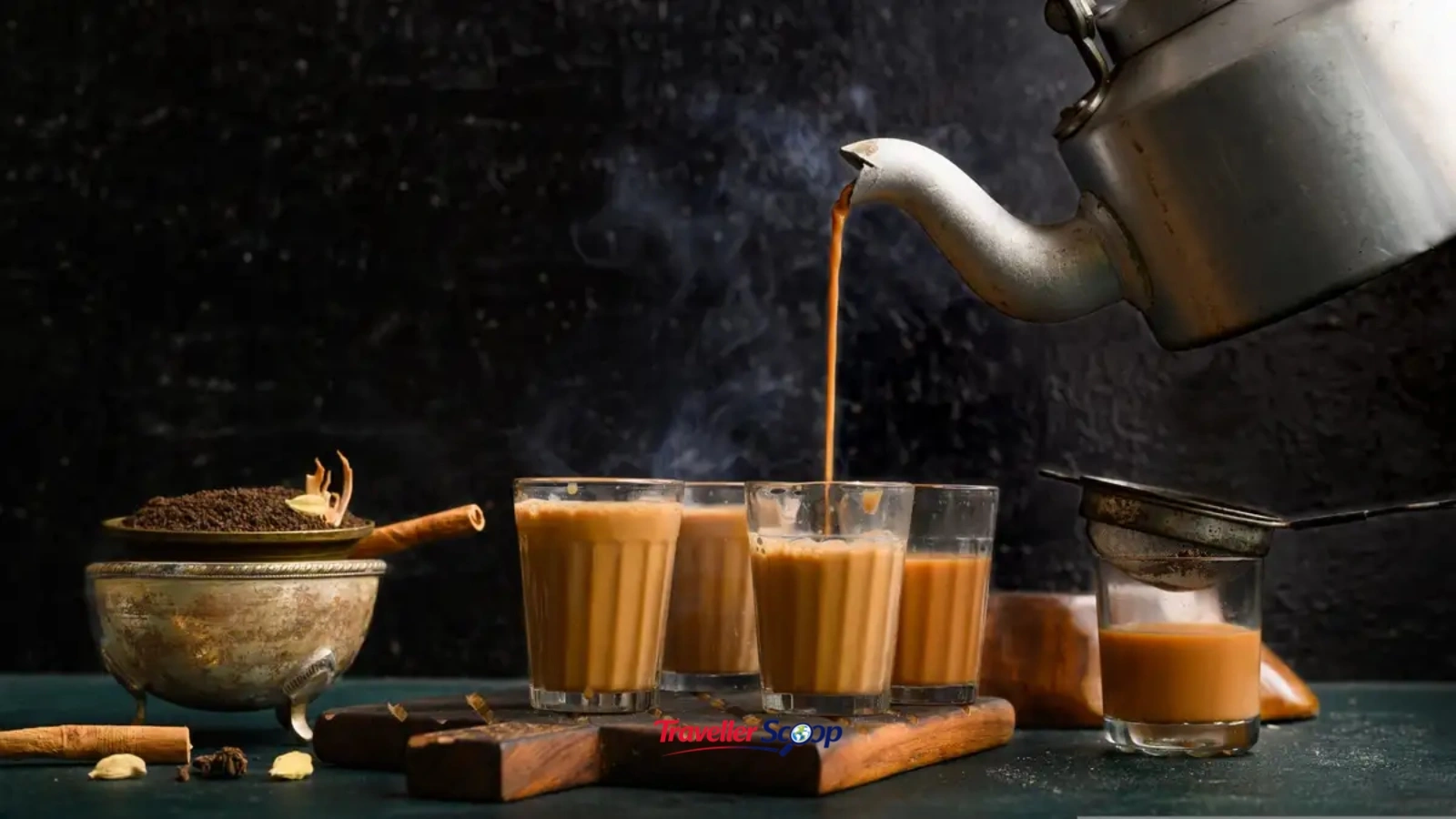
If there’s one traditional Hyderabadi breakfast dish you cannot skip, it’s this combo. Irani chai is a strong, milky tea brewed in a distinct way that Irani immigrants brought to the city in the early 1900s.
It’s served in small glass cups, usually costing between ₹15 and ₹30 per cup even in 2026, which tells you how deeply it’s woven into daily life rather than being a tourist gimmick.
The Osmania biscuit, named after the last Nizam, Osman Ali Khan, is a slightly salty-sweet biscuit designed specifically to be dunked in chai. I’ve tried at least 8 different Iranian cafés across the city, and Nimrah Café & Bakery near Charminar remains my personal favorite for this exact pairing. Go before 9 a.m. if you want a table without a wait.
Where to go:
- Nimrah Café, Café Bahar (original branch), Grand Hotel
- Price range: ₹15–₹40 for chai and biscuits combined
- Best time: 7:30 a.m.–9:30 a.m., before the crowd builds up
2. Keema Pav
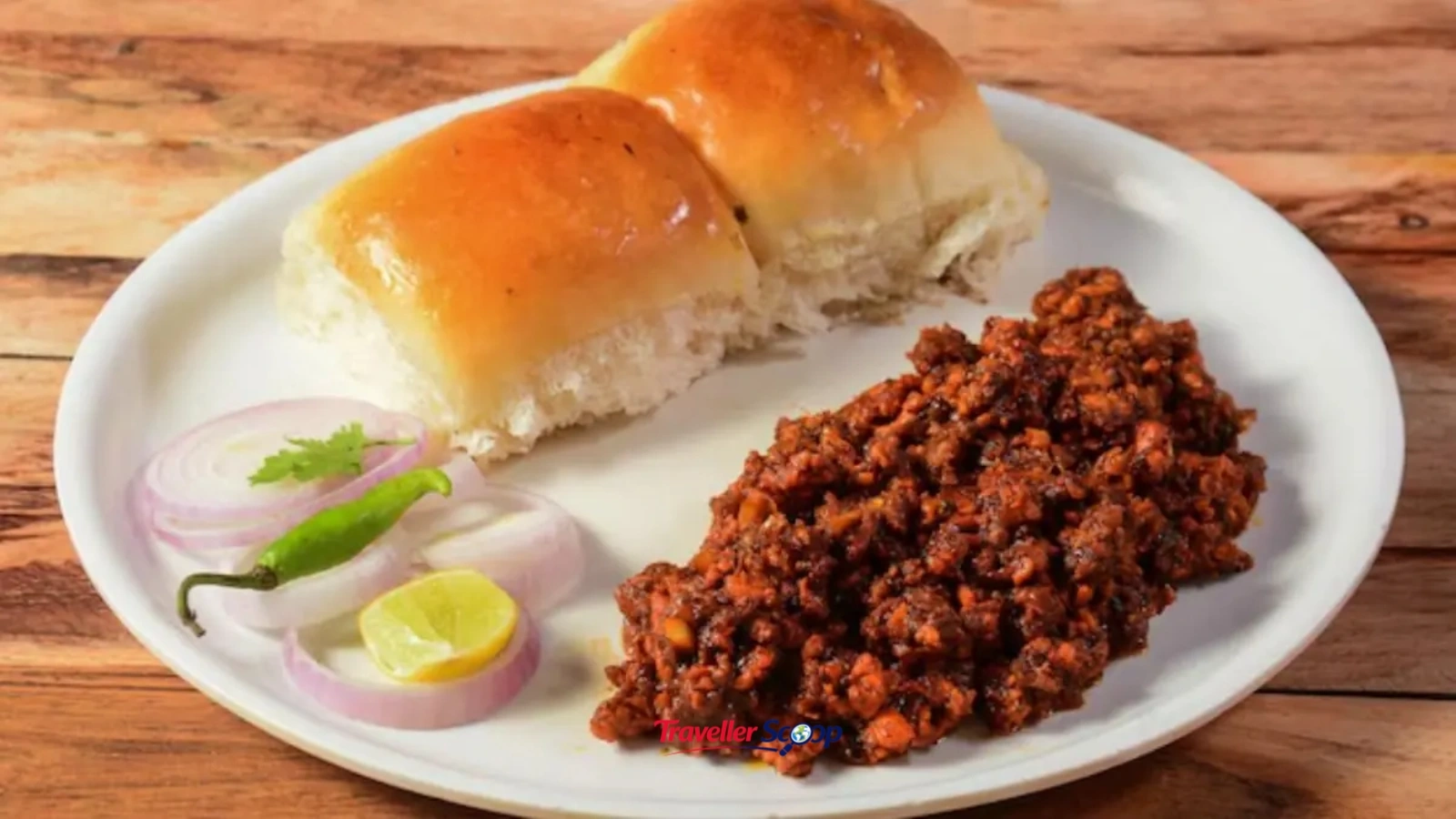
Keema pav is spiced minced mutton or chicken, slow-cooked with onions, tomatoes, and a mix of whole spices, and served with soft, buttered pav. It’s one of the best breakfast places in Hyderabad Old City finds, you won’t see it in five-star hotel buffets, but every local knows exactly which cart makes the best version near their house.
What surprised me was how affordable it is: a full plate typically costs between ₹80 and ₹150, and one plate genuinely fills you up for hours. I’d suggest going to the stalls around Malakpet or Musheerabad, where I found the keema noticeably richer in flavor, likely because these vendors have been running the same recipe for decades.
If you’re building out a food-focused day plan, our travel budget calculator is a handy way to factor in street-food costs into your daily spending before you land.
Where to go:
- Malakpet stalls, Musheerabad breakfast carts, Shadab Restaurant
- Price range: ₹80–₹150 per plate
- Best time: 8 a.m.–10 a.m.
3. Khagina (Hyderabadi Spiced Eggs)
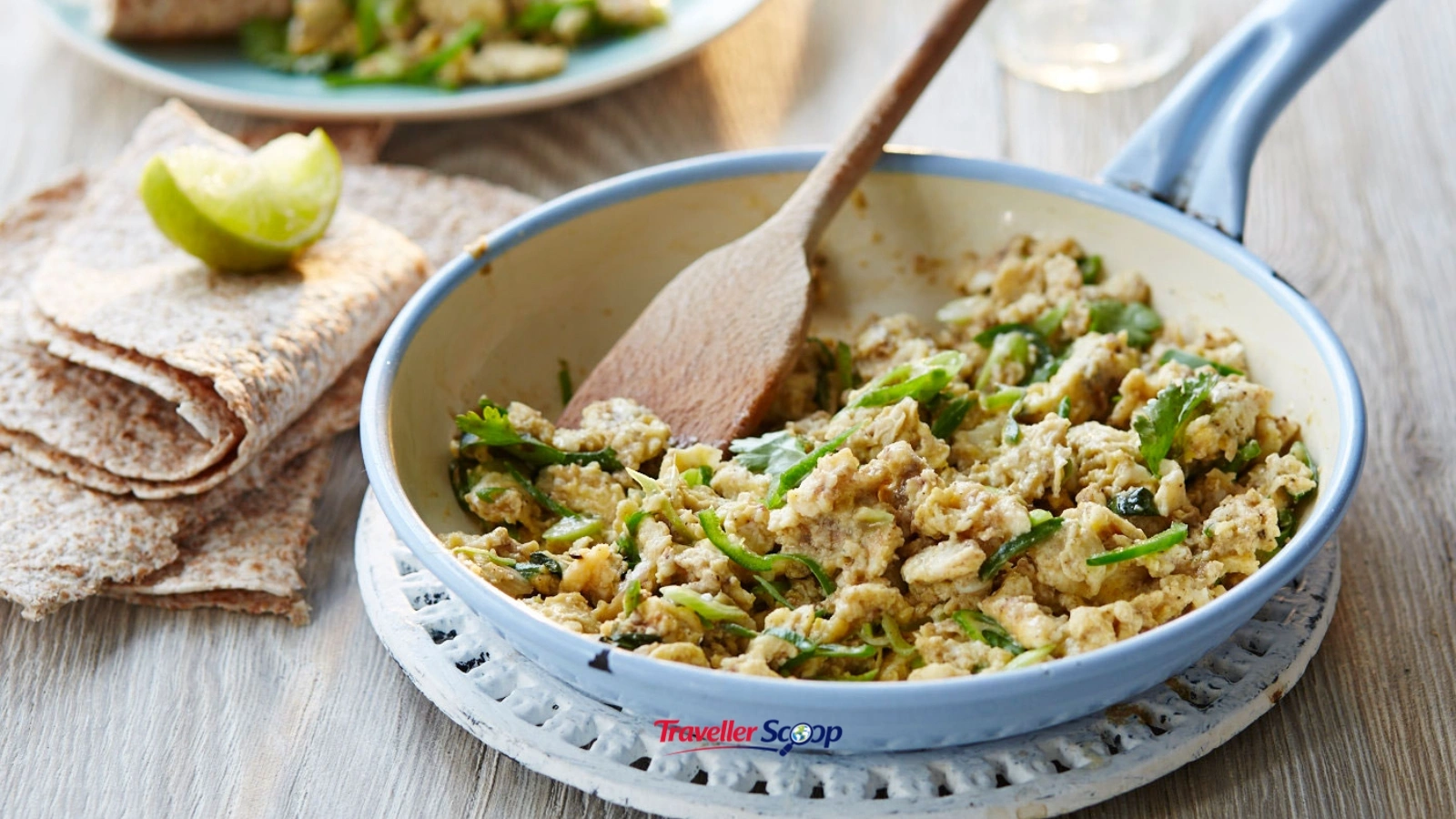
Khagina is essentially Hyderabad’s answer to scrambled eggs, but don’t let that undersell it. Eggs are cooked with green chilies, onions, curry leaves, and a distinct masala blend, then served with roti or naan.
It’s one of the more underrated entries when people search for breakfast in Hyderabad, mostly because it doesn’t photograph as dramatically as biryani, but the flavour is unforgettable.
I usually order 2 eggs’ worth of khagina, which costs around ₹60–₹100 depending on the eatery, and it’s enough with one roti. Small Irani-style diners in Abids and Koti serve some of the most consistent versions I’ve had.
If eggs aren’t your thing, most places will happily swap in paneer for a vegetarian version; just ask.
- Where to go: Abids diners, Koti breakfast joints, local dhabas near Nampally
- Price range: ₹60–₹100
- Best time: Anytime between 7 a.m. and 11 a.m.
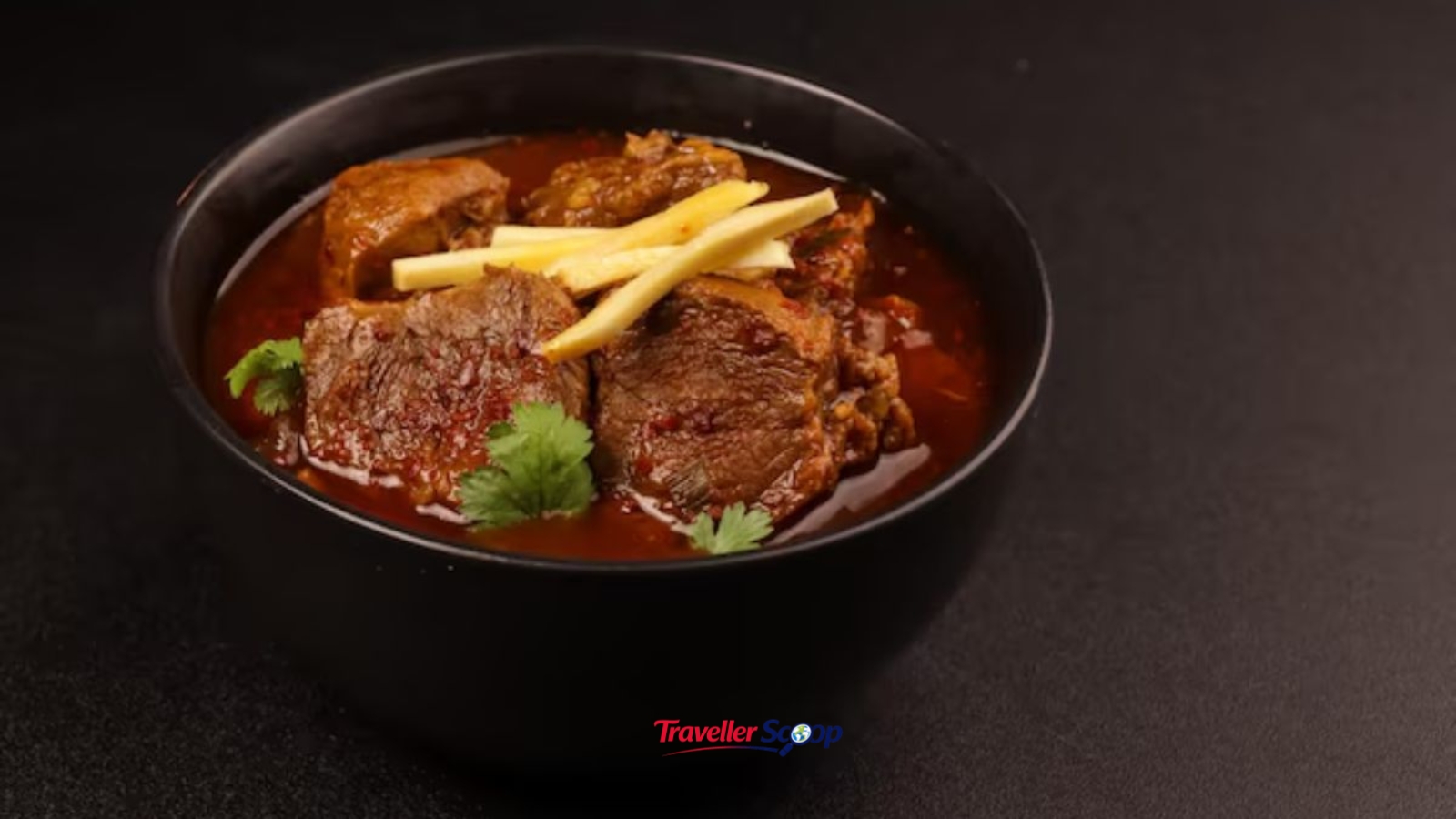
4. Nihari
Nihari is a slow-cooked meat stew, traditionally simmered overnight, and it’s meant to be eaten early in the morning, the name itself comes from the Arabic word for “morning.” This is one of those must-try Hyderabad breakfast traditions that requires a bit of planning because the good stalls genuinely sell out.
I once showed up at 10:30 a.m. to a well-known spot near Puranapul and was told to come back the next day, they’d already run out.
A generous bowl with naan costs roughly ₹150–₹250, and it’s rich enough to double as an early lunch. If you’re serious about trying it, aim to arrive by 8 a.m.
Pair this stop with a wider look at family-friendly restaurant options if you’re traveling with relatives who prefer a sit-down meal over street stalls.
- Where to go: Puranapul stalls, Shah Ghouse, Charminar-area eateries
- Price range: ₹150–₹250
- Best time: 7 a.m.–9 a.m. (arrive early, it sells out)
5. Sheer Khurma (Special-Occasion Favourite)
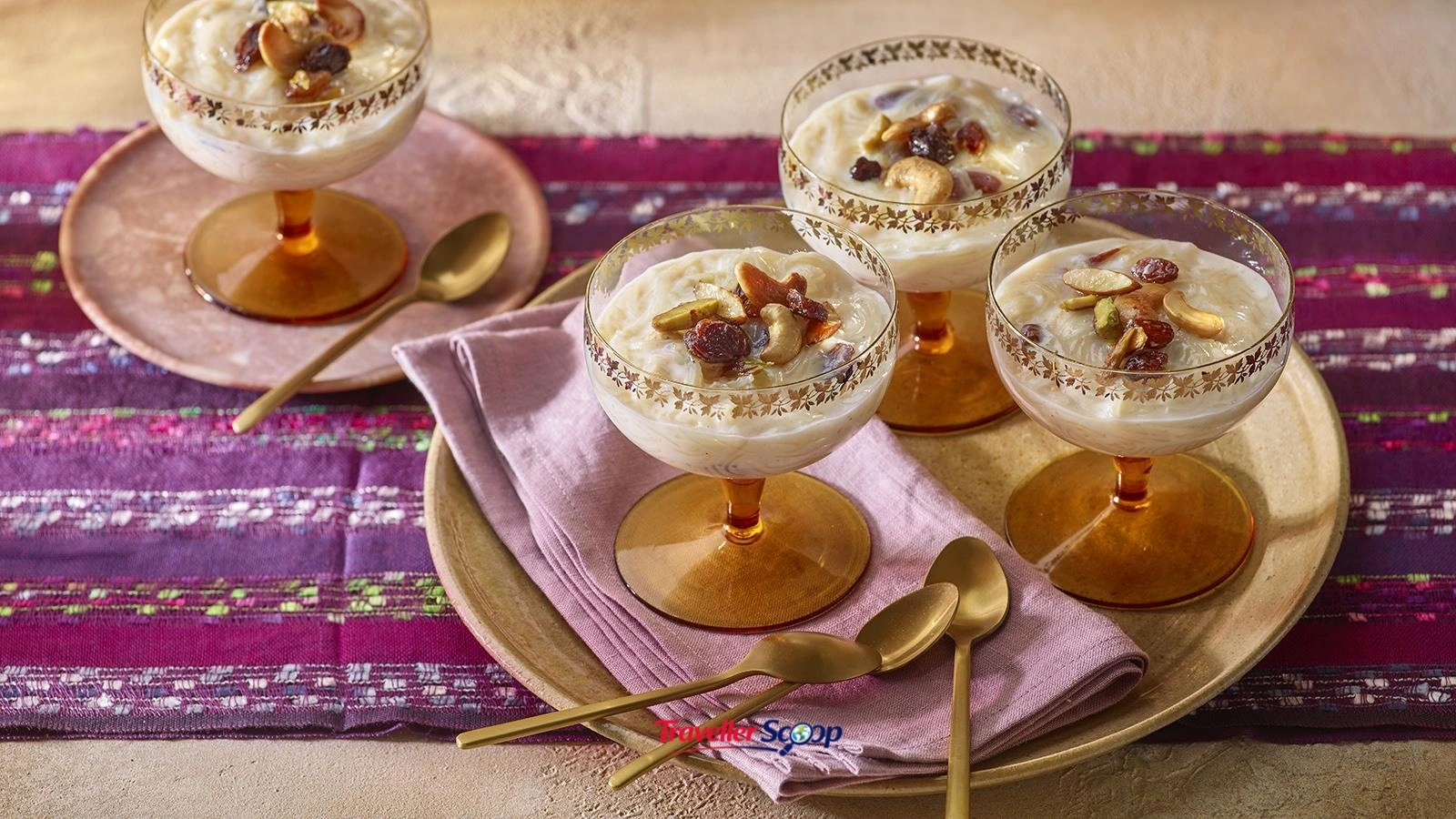
Sheer khurma is a rich vermicelli pudding made with milk, dates, and dry fruits, traditionally eaten during Eid mornings but increasingly available year-round at bakeries across the city. It’s less of an everyday breakfast and more of a “must-try if you’re in town during the right season” dish, but I’m including it because visitors consistently tell me it was their favourite discovery.
A single bowl usually runs ₹50–₹90 at most bakeries, and it pairs beautifully with a cup of Irani chai, basically closing the loop on your breakfast crawl. If your trip lines up with a festival, don’t skip it; if you’re traveling on a tighter schedule, our weekend trip guides can help you plan a short Hyderabad visit around the right dates.
- Where to go: Karachi Bakery, Pista House, local Eid-season stalls
- Price range: ₹50–₹90
- Best time: Seasonal (Eid), otherwise available at bakeries year-round
A Quick Breakfast-Crawl Itinerary
If you only have one morning, here’s the order I’d personally follow based on my own crawl: start with Irani chai and Osmania biscuits at 7:30 a.m., move to khagina and roti by 8:15, hit a nihari stall by 8:45 before it sells out, grab keema pav around 9:30 as a second wave, and finish with sheer khurma or a sweet at a bakery by 10:30.
Total cost for one person, eating generous portions at all five stops, came to around ₹450–₹600 in 2026, genuinely one of the best-value food experiences I’ve had anywhere in India.
Conclusion
Hyderabad’s breakfast culture doesn’t get nearly as much attention as its biryani, and honestly, that’s part of why I love writing about it. These 5 dishes- Irani chai and Osmania biscuits, keema pav, khagina, nihari, and sheer khurma- aren’t just food; they’re a window into the city’s Nizami and Irani influences, still alive on plastic stools and marble-top tables every single morning.
If you’re mapping out your trip, take a look at our destination guides for more on what to do once breakfast is done, and don’t rush your first Hyderabad morning; it’s worth the extra hour.
FAQs
Where is the best area in Hyderabad to try traditional breakfast?
The Old City around Charminar, along with Abids, Koti, and Malakpet, has the highest concentration of authentic breakfast spots.
What is the most famous Hyderabad breakfast dish?
Irani chai with Osmania biscuits is the most iconic combination, but nihari and keema pav are equally popular among locals for a heartier morning meal.
Is Hyderabadi breakfast mostly non-vegetarian?
Many traditional options like nihari and keema pav are meat-based, but khagina can be made vegetarian with paneer, and Irani chai with biscuits or bakery items works well for vegetarians too.
What time do Hyderabad breakfast stalls open?
Most Irani cafés and breakfast stalls open between 6:30 a.m. and 7:30 a.m., and popular nihari spots often sell out by 10 a.m., so going early is worth it.
How much does a typical Hyderabad breakfast cost?
A single dish usually costs ₹60–₹250, and a full breakfast crawl covering multiple items comes to roughly ₹450–₹600 per person.

Khushi Vaid
Senior Travel EditorI’m Khushi Vaid, a travel writer with over 2 years of experience creating destination guides, travel tips, and travel planning content. At Traveller Scoop, I write about destinations, travel trends, and practical advice to help readers explore the world with confidence.