6 Dreamy U.S. Places to Live That Nature Lovers Are Falling in Love With
Dreamy U.S. Places to Live, that phrase kept showing up in my notes long before it became this article’s title. I still remember the first time I stood on a ridge outside Boise, watching the sun drop behind the Owyhees while the whole Treasure Valley turned gold.That’s the moment I started making a real list, not […]
Dreamy U.S. Places to Live, that phrase kept showing up in my notes long before it became this article’s title. I still remember the first time I stood on a ridge outside Boise, watching the sun drop behind the Owyhees while the whole Treasure Valley turned gold.
That’s the moment I started making a real list, not a copy-paste “top 10 cities” list, but a working notebook of dreamy U.S. places to live that I’d actually researched, mapped, and cross-checked against trail counts, park data, and cost of living.
A year and six states later, here’s that list.
If you’ve ever opened ten browser tabs trying to find the best places to live for nature lovers in the USA, only to get the same five overused cities (Denver, Seattle, Austin, yes, we know), this guide is different. I dug into real numbers: trail mileage, park acreage, population size, and what it actually costs to rent or buy in each town.
Whether you’re chasing small towns to live near nature in the USA or looking for affordable nature towns to live in without draining your savings, you’ll find something concrete here, not just pretty adjectives.
Nature lovers today aren’t just chasing a view from a hotel window for a weekend. They’re rethinking where they put down roots. Remote work, rising rents in big metros, and a genuine hunger for slower mornings have pushed people toward towns where a trailhead is a five-minute drive, not a five-hour flight.
That shift is exactly why dreamy U.S. places to live keep showing up in relocation searches, people aren’t dreaming about vacationing in nature anymore. They’re dreaming about waking up in it.
What Are the Dreamiest U.S. Places to Live for Nature Lovers?
When I started researching dreamy U.S. places to live, I quickly realized that the “perfect” destination looks different for everyone. Some people want mountain trails just outside their front door, while others dream of waking up to ocean views or spending weekends kayaking through lakes and forests. Instead of focusing only on famous cities, I looked for places where nature is part of everyday life.
For this list, I compared factors that actually matter if you’re planning to relocate, access to hiking trails, national and state parks, outdoor recreation, cost of living, safety, and overall quality of life. I also considered whether each destination offers year-round outdoor activities rather than just seasonal attractions.
The result is a collection of communities where you can enjoy nature without sacrificing modern conveniences like healthcare, restaurants, or reliable internet.
Whether you’re searching for a peaceful mountain town, a lakeside community, or a vibrant outdoor city, these dreamy U.S. places to live prove that you don’t have to choose between comfort and adventure.
6 Dreamy U.S. Places to Live That Nature Lovers
From scenic mountain towns and lakeside communities to coastal escapes, these dreamy U.S. places to live offer breathtaking landscapes, endless outdoor adventures, and the perfect lifestyle for every nature lover.
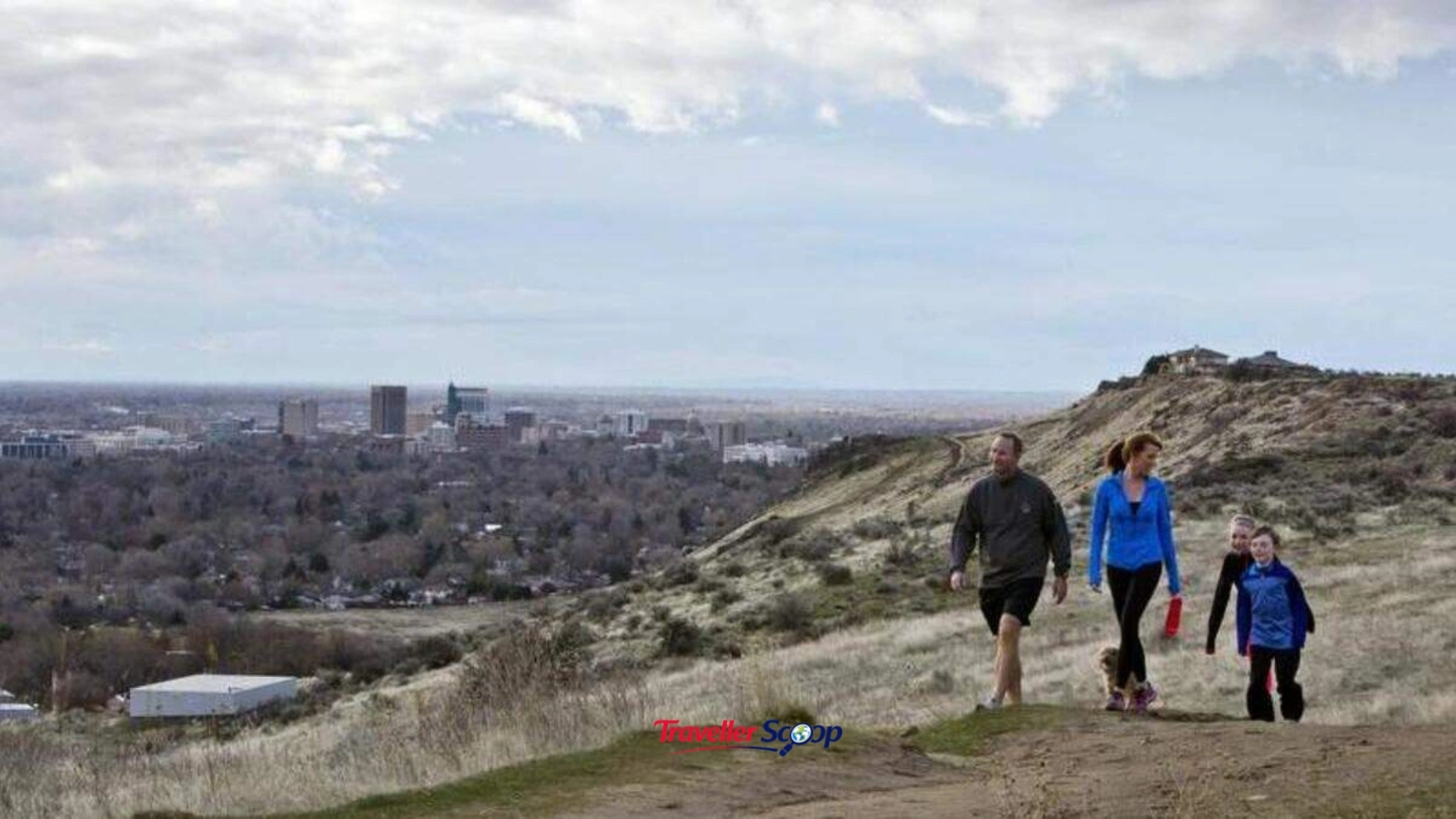
1. Boise, Idaho: The City of Trees With 340+ Miles of Trail
Boise is the town I keep coming back to when someone asks me for peaceful places to live surrounded by nature in the USA. It sits right in the foothills of the Rockies, and locally maintained trail networks here span roughly 340 miles across 150 hiking areas, most of them accessible within 15–20 minutes of downtown.
Trail-tracking platforms also log well over 400 dedicated hiking routes across the wider Boise trail system, which tells you this isn’t a one-trail town; it’s a genuine network.
What makes Boise different from other “outdoorsy” cities is that it doesn’t ask you to choose between nature and normal city life.
You get a walkable downtown, a real job market (tech and healthcare have grown steadily here), and then the foothills start right where the sidewalks end.
Winters are manageable compared to the Rockies proper, and the cost of living, while it has climbed in the past few years, is still noticeably lower than Denver or Seattle.
2. Fort Collins, Colorado: 966 Acres of Parks Inside City Limits
An hour north of Denver, Fort Collins somehow avoids Denver’s traffic and price tag while keeping almost all of the mountain access.
The city maintains close to 966 acres of developed parks and 45 miles of paved trails inside its limits, and that’s before you count the natural areas ringing the city, like Bobcat Ridge and Coyote Ridge, which add hundreds more acres of undeveloped hiking terrain.
This is one of those dreamy U.S. places to live that quietly rewards patience; it’s a college town (Colorado State University), so there’s a younger, more affordable rental market than you’d expect this close to the Rockies.
You can tube down the Cache la Poudre River in July and be skiing an hour away by December.
3. Concord, Massachusetts: Small-Town New England With Walden Pond
If you want proof that living in nature doesn’t require mountains, Concord is it. This is the town where Thoreau wrote about living deliberately, and Walden Pond remains the town’s centerpiece today, offering swimming, canoeing, and self-guided walking trails right next to the historic site.
Nearby, the Great Meadows National Wildlife Refuge adds another quiet stretch of marsh and woodland, and birders here have recorded more than 220 species.
Concord is compact; it’s the kind of place where you can live without a car for daily errands, and it sits close enough to Boston for weekend access to a major city without living inside one.
For anyone searching for small towns to live near nature in the USA that still have strong schools and a walkable center, this is a serious contender.
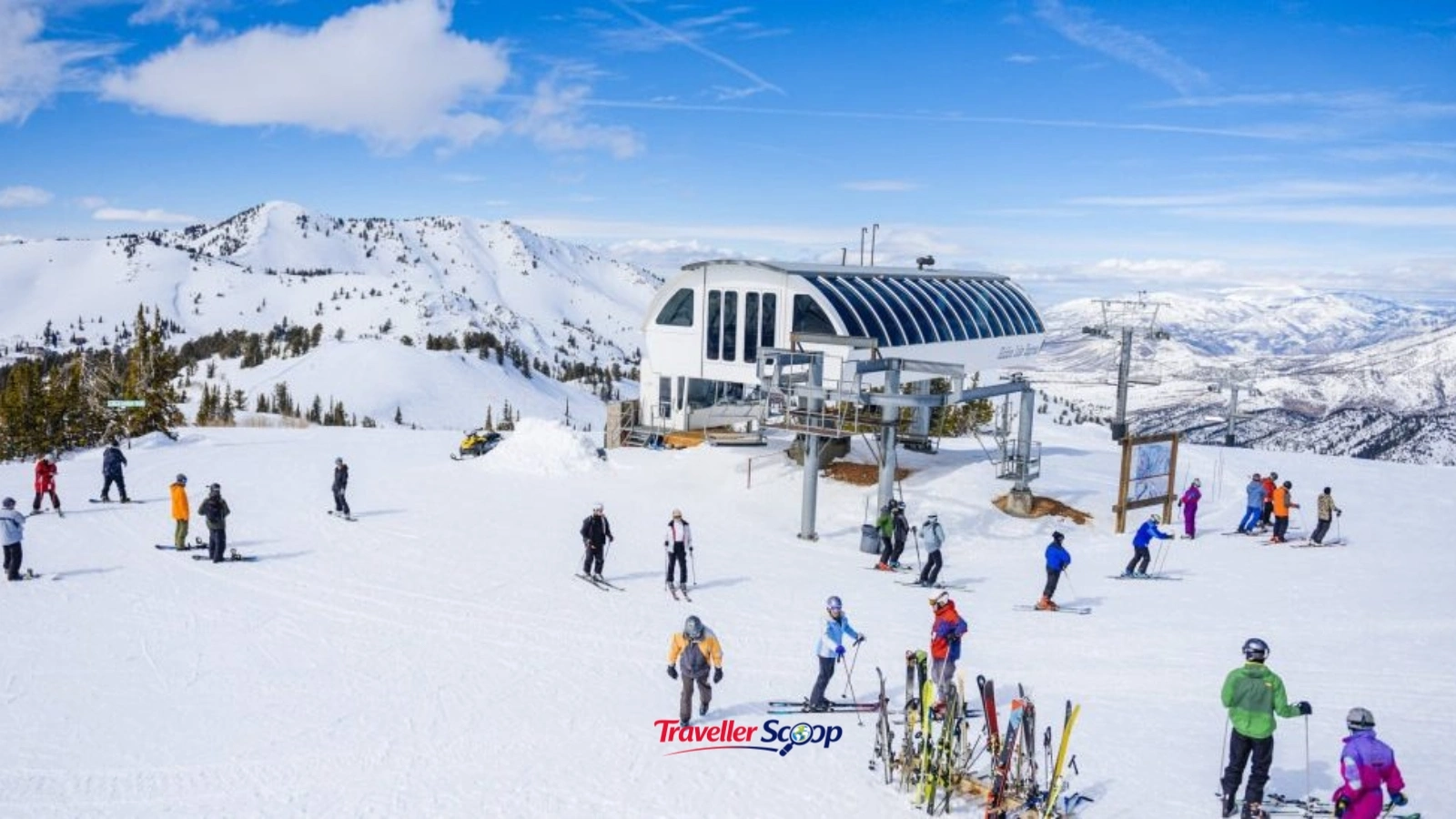
4. Ogden, Utah: Three Ski Resorts, One Downtown
Ogden gets overshadowed by Salt Lake City and Park City, but it’s arguably the better deal for anyone chasing mountain life on a budget. The town has direct access to three separate ski resorts from its downtown core, including Powder Mountain, the largest ski resort by skiable acreage in the country.
Ogden itself is Utah’s oldest town, and its historic 25th Street downtown has been steadily revitalized with local breweries, coffee shops, and outdoor gear stores.
Unlike Park City, where median home prices sit well into seven figures, Ogden still offers realistic entry points for first-time buyers who want ski-town living without the ski-town price tag, which is exactly why it belongs on any honest list of affordable nature towns to live in.
5. Minneapolis–St. Paul, Minnesota: More Than 5 Miles of Trail Per 10,000 Residents
The Twin Cities prove that living with nature doesn’t require leaving urban life behind entirely. Minneapolis has consistently ranked among the top U.S. cities for park access, with more than five miles of trail per 10,000 residents, a dense network of connected parks, and strong pedestrian-friendly design throughout the city.
St. Paul, right across the river, has posted some of the highest park-access scores of any mid-sized U.S. city in recent rankings.
What surprises people is how functional this is year-round; the same trail network that hosts summer runners becomes cross-country ski terrain in winter.
For someone who wants dreamy U.S. places to live without giving up a real metro job market, arts scene, and airport access, the Twin Cities close that gap better than almost anywhere else on this list.
6. Juneau, Alaska: Glaciers, Whales, and Under 32,000 People
Juneau is the wild card on this list, and I mean that literally. Alaska’s capital has a population of under 32,000 people, yet it’s surrounded by glaciers, waterfalls, and beaches where bald eagles gather to feed on salmon.
Between May and early September, Juneau is considered one of the best places on earth to watch humpback whales from shore, and orca sightings pick up through July and August.
This isn’t a town for everyone, the isolation is real, and it’s only reachable by boat or plane, no roads connect it to the rest of Alaska. But for someone chasing the most peaceful, least crowded version of a nature-first life, Juneau is about as dreamy as it gets.
If Alaska interests you, it’s worth reading through our full guide on planning a first-time Alaska trip before deciding to relocate, since visiting first will tell you a lot about whether the isolation suits you.
What to Actually Check Before You Move for Nature
A view is not a relocation plan. Before packing a single box, run through this checklist:
- Healthcare access: specialist care concentrates in metro areas, so map your nearest trauma center before committing to a small town
- Climate risk: wildfire seasons and water restrictions have lengthened across parts of California, Oregon, and Colorado, and insurance premiums have risen sharply in several Western counties
- Job market reality: confirm remote-work feasibility or a real local hiring market before you move, not after
- Winter severity: towns like Fort Collins and Ogden get real snow; test a winter visit before you buy
- School quality: if you’re moving with kids, check district ratings separately from “nature access” rankings
If you’re still narrowing your shortlist, our guide to the most underrated hiking trails in the U.S. is worth a read before you finalize any one town, and our piece on weekend outdoor activities across America can help you picture what daily life would actually look like in each of these places.
Conclusion
Every one of these six towns earned its place on this list for a different reason — Boise for trail density, Fort Collins for balance, Concord for walkable small-town charm, Ogden for ski access on a budget, the Twin Cities for proving nature and city life aren’t opposites, and Juneau for pure, quiet wildness.
If you’re genuinely chasing dreamy U.S. places to live, the right pick isn’t the prettiest Instagram photo, it’s the one where the daily numbers (commute, healthcare, climate, cost) match the life you actually want to live.
Start with whichever of these six matches your must-haves, plan a real visit in both a good season and a hard one, and let that trip make the final decision for you.
FAQs
What's the biggest mistake people make when relocating for nature access?
Choosing a town based on photos alone. Always check healthcare distance, climate risk (wildfire, flooding, water restrictions), and job market reality before signing a lease or mortgage.
What is the best U.S. state to live in if I love hiking and camping?
Idaho, Colorado, and Montana consistently top the list for trail access, public land share, and camping options, with Idaho alone maintaining roughly 10,000 miles of hiking, biking, and equestrian trail statewide.
Which of these dreamy U.S. places to live is the most affordable?
Boise and Ogden currently offer the best balance of nature access and affordability compared to the rest of this list, though both have seen home prices rise over the past few years, so check current listings before committing.
Can I find nature-focused living without leaving a big city job market?
Yes, Minneapolis–St. Paul is the strongest example on this list, combining genuine metro job access with unusually high park and trail density inside city limits.
Is Juneau, Alaska realistic for a permanent move, not just a visit?
It's realistic but requires planning: no roads connect Juneau to the rest of Alaska, so groceries, goods, and travel all depend on ferry or flight access. Visit during both summer and winter before deciding.

Khushi Vaid
Senior Travel EditorI’m Khushi Vaid, a travel writer with over 2 years of experience creating destination guides, travel tips, and travel planning content. At Traveller Scoop, I write about destinations, travel trends, and practical advice to help readers explore the world with confidence.