
Vande Bharat vs Flights: Which Is Better for Short-Distance Travel in 2026?
Vande Bharat vs Flights is a question I’ve asked myself at least a dozen times this year alone, usually while staring at two open browser tabs at 11 PM, one showing an IRCTC fare and the other a flight price that keeps jumping every time I refresh it.I’ve now taken both options on the same […]

Vande Bharat vs Flights is a question I’ve asked myself at least a dozen times this year alone, usually while staring at two open browser tabs at 11 PM, one showing an IRCTC fare and the other a flight price that keeps jumping every time I refresh it.
I’ve now taken both options on the same corridors, Delhi-Chandigarh, Mumbai-Goa, and Chennai-Bengaluru, within a six-month window, and I’m writing this because most articles comparing Vande Bharat vs Flights either sound like a press release from Indian Railways or a copy-pasted airline ad.
I wanted actual numbers, actual delays, actual seat comfort, the stuff you only know once you’ve sat through both journeys with a stopwatch and a half-charged phone.
By the time you finish reading, you’ll know exactly when the train wins, when the flight wins, and when it genuinely doesn’t matter which one you pick.
What Exactly Is the Vande Bharat vs Flights Debate About?
The Vande Bharat vs Flights comparison isn’t really about trains versus planes in general; it’s specifically about short- and medium-distance routes, roughly 200 km to 800 km, where both options realistically compete for the same traveler.
Nobody is comparing a 12-hour Delhi-Chennai flight to a train on that route. But Delhi-Chandigarh, Mumbai-Pune, Chennai- Mysuru, and similar corridors? That’s where the real decision happens.
As of May 2026, Vande Bharat trains run on 82 routes across 16 railway zones, covering more than 274 districts, with 164 services operating daily or near-daily.
That’s a massive jump from the single Delhi-Varanasi route it launched back in 2019, and it’s exactly why this comparison has become relevant to so many travellers who previously never considered a train for a “business trip” distance.
How Much Do Vande Bharat and Flight Tickets Actually Cost in 2026?
This is where most people start, so let’s start here too. Vande Bharat Chair Car fares in 2026 typically range from ₹700 to ₹3,200, depending on distance, demand, and how early you book. The new Vande Bharat Sleeper, which debuted on the Howrah–Kamakhya route in January 2026, starts at around ₹2,300 for 3AC, opening up overnight long-distance travel at a price that undercuts most flight-plus-hotel combinations.
Flights, on the other hand, swing wildly. On a route like Mumbai-Pune, for instance, Vande Bharat Chair Car sits between ₹655 and ₹1,360, while comparable flight fares on the same corridor have been recorded between ₹2,500 and ₹5,500, a 70-80% price gap in the train’s favor. Add airport cab fares of ₹600 to ₹1,200 each way, since airports usually sit further from the city than railway stations, and the total cost gap widens even more.
Where flights claw this back is on longer 600 km+ routes booked 45-60 days in advance, when low-cost carriers occasionally undercut even the train. So if you’re asking, “Is Vande Bharat cheaper than flight tickets?” the honest answer is: almost always under 500 km, usually under 800 km, and it’s a toss-up beyond that if you book the flight early enough.
If you do end up comparing flight fares for the longer leg of your trip, my breakdown of Skyscanner vs Google Flights explains which tool actually shows you the real lowest fare instead of a teaser price.
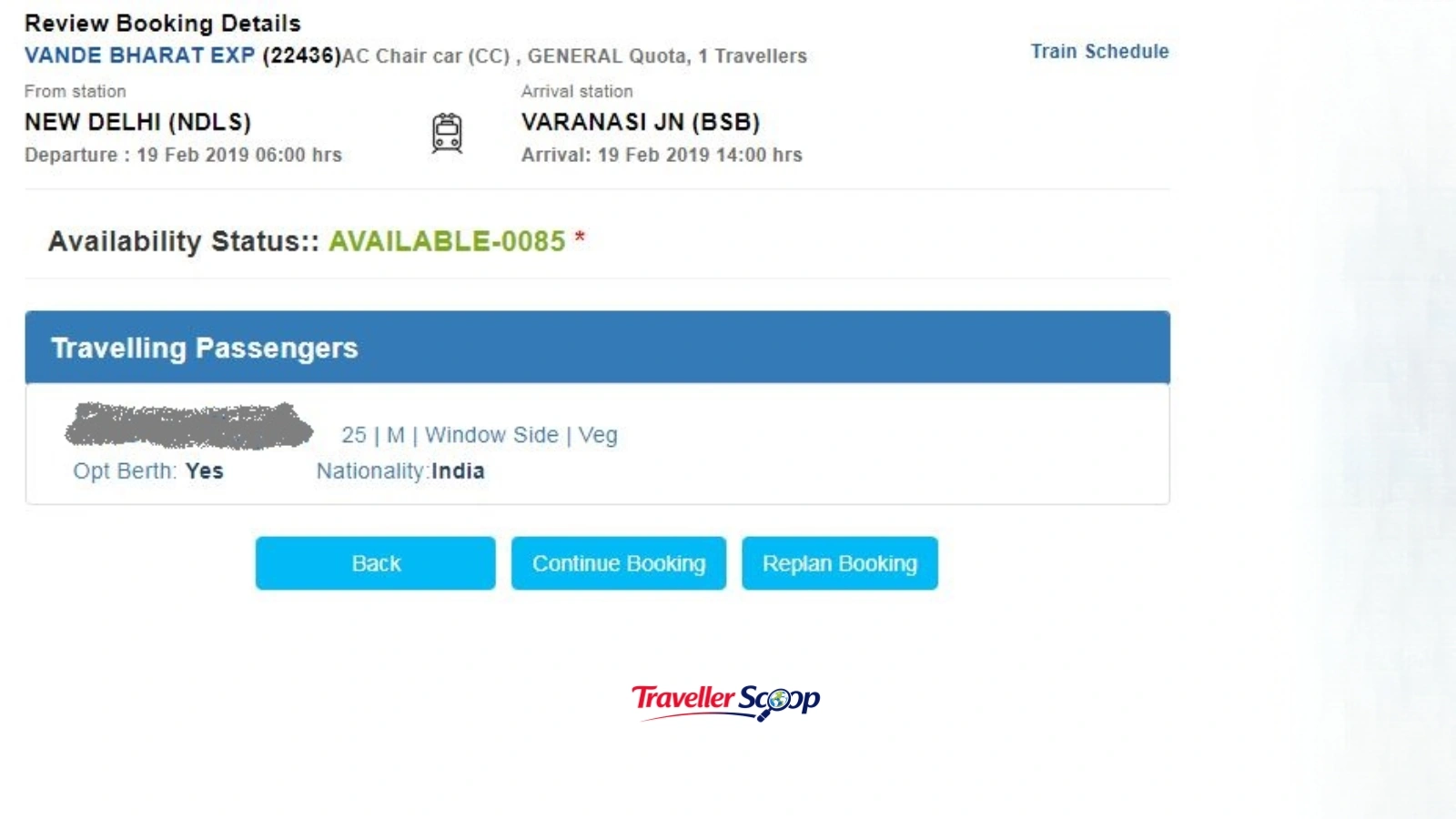
Which Is Faster for Short Distance Travel — Vande Bharat or Flights?
On paper, flights win every time, cruising speed simply beats a train’s 160 km/h (with the new Sleeper variant tested at 180 km/h during Kota-Nagda trials). But door-to-door time is a completely different story, and this is the part I underestimated before I actually timed it myself.
A flight covering 400-500 km might take 60-75 minutes in the air, but factor in reaching the airport 2 hours early, security, boarding, taxiing, deplaning, baggage claim, and the cab ride into the city, and you’re realistically looking at 4 to 4.5 hours door-to-door.
A Vande Bharat covering the same distance, departing from a city-centre station where you can walk in 20-30 minutes before departure, often finishes the entire journey, platform to platform, in a similar or shorter window, with zero baggage claim wait.
This is exactly why Vande Bharat has become the default for business travellers on routes like Delhi-Agra, Mumbai-Goa, and Chennai-Mysuru, the in-air time saved by flying gets eaten up entirely by ground logistics. If you are flying, though, my airport travel tips can help you shave real minutes off that ground-time gap
Is Vande Bharat Cheaper Than Flight Tickets on Popular Routes?
Since this question keeps coming up, here’s a route-by-route snapshot based on 2026 fare data I cross-checked across IRCTC and major flight booking platforms:
- Mumbai-Pune: Vande Bharat ₹655-₹1,360 vs Flight ₹2,500-₹5,500
- Delhi-Chandigarh: Vande Bharat under ₹1,500 vs Flight frequently above ₹3,500
- Chennai-Bengaluru: Comparable base fares, but train wins on total door-to-door cost once airport transfers are added
- Delhi-Katra (Vaishno Devi): Vande Bharat remains one of the most booked routes precisely because of this price gap combined with pilgrim traffic
The pattern holds across almost every corridor under 600 km: Vande Bharat wins on sticker price, and it wins by an even bigger margin once you add airport-to-city transport on both ends of the flight.
What About Comfort, Food, and Onboard Experience?
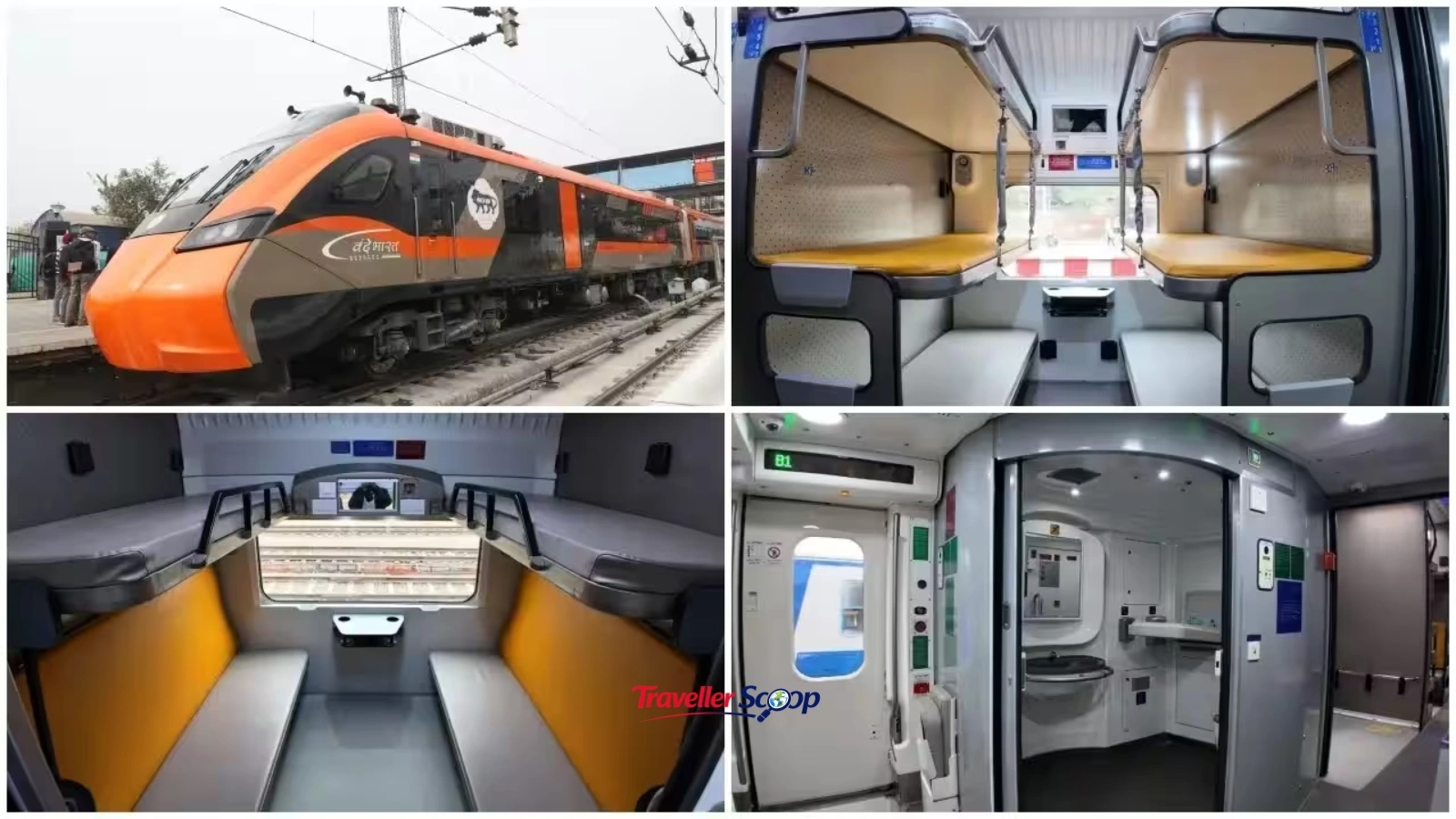
I’ll be honest, this is the category where Vande Bharat genuinely surprised me. Most Vande Bharat routes include catering bundled into the fare for journeys over 4 hours, sourced from IRCTC-approved kitchens, and it’s generally rated well by frequent riders.
You get automatic sliding doors between coaches, bio-vacuum sensor toilets, onboard Wi-Fi, GPS-based infotainment showing your route and next station, and CCTV coverage throughout.
Flights obviously offer their own version of comfort, quieter cabins for a shorter duration, and for Executive Chair Car passengers, the seat width and legroom on Vande Bharat are genuinely comparable to a premium domestic flight seat.
But once you factor in the walking, standing in queues, and cramped seating during boarding, most families I’ve spoken to (and my own experience backs this up) find the train noticeably less fatiguing for the same distance.
How Reliable Are Vande Bharat Trains vs Domestic Flights?
Reliability is where the debate around Vande Bharat vs Flights gets interesting depending on the season. Flights are more exposed to weather-related cancellations, especially fog delays across North India between mid-December and mid-February, and air traffic congestion at metro airports during peak hours.
Trains aren’t immune to weather either, but a Vande Bharat delay is typically measured in tens of minutes rather than the multi-hour cancellations that plague winter flight schedules out of Delhi.
If you’re travelling in that December-to-February fog window on any route under 800 km, Vande Bharat is the safer structural choice, and it’s worth keeping a backup train ticket in mind even if you do book a flight during this period.
Whichever mode you pick, my general travel safety tips cover the basics of staying alert and protecting your belongings on both trains and flights.
Which Option Is Better for the Environment?
This isn’t the first thing most travellers think about, but it’s becoming a bigger factor for a lot of readers who write in to ask.
Trains emit roughly 14 to 18 grams of CO2 per passenger-kilometre, while domestic flights emit several times that amount per passenger-kilometre for comparable distances, largely due to the fuel burn during takeoff and climb, the most energy-intensive part of any short flight.
If sustainability plays into your travel decisions at all, this is another point in the train’s favour for any route where both options genuinely compete.
So, Train or Flight: What Should You Choose in 2026?
Here’s how I’d sum up the Vande Bharat vs Flights decision after actually living through both sides of it:
- Under 500 km: Vande Bharat is almost always the smarter pick cheaper, comparable door-to-door time, and less fatigue.
- 500-800 km: Still generally favours the train, especially if you book 45-60 days ahead through IRCTC and value predictability over raw speed.
- Over 800 km, or when you need a same-day return with limited time: Flights remain the right call, particularly on routes without a direct Vande Bharat connection yet.
- Fog season (mid-December to mid-February) on any short route: Default to the train and keep flight bookings as backup, not the other way around.
If you’re still weighing the numbers for your specific trip, our Travel Budget Calculator can help you total up the real door-to-door cost, including cabs and transfers, for both options before you book. And if flights do end up being your best option for a longer leg of your trip, this summer’s flight price trends are worth checking before you commit to a fare.
Conclusion
After actually running the numbers and the stopwatch on both sides of the Vande Bharat vs Flights debate, my honest takeaway is this: for any short-distance trip under 600-800 km within India, Vande Bharat has genuinely closed the gap that used to make flights the automatic choice.
It’s cheaper, the door-to-door time is often equal or better, and the onboard experience no longer feels like a compromise. Flights still make sense for longer distances, tight same-day return schedules, or routes without rail connectivity, but for the everyday short trip, I’m booking the train more often than not these days, and the fare data backs up why.
For more route-by-route breakdowns like this one, browse our Travel Package Comparison guides, or head to our Blog for the latest data-driven travel stories
FAQs
Is Vande Bharat better than a flight for a same-day business trip?
For distances under roughly 500-600 km, yes — door-to-door travel time is often comparable or shorter once you account for airport check-in, security, and transfer time, and there's no baggage claim wait on either end.
Is Vande Bharat cheaper than a flight in 2026?
On most routes under 600-800 km, yes. Vande Bharat Chair Car fares generally run 40-80% lower than comparable flight fares once you include airport transfer costs, though flights booked far in advance on longer routes can occasionally match or beat train prices.
What is the maximum speed of Vande Bharat Express?
Standard Vande Bharat trains operate up to 160 km/h, while the newer Sleeper version has been tested at up to 180 km/h during trial runs, though actual operating speeds depend on track conditions for each route.
Does Vande Bharat include meals in the ticket price?
Yes, on most routes catering is bundled into the fare for journeys over four hours, sourced from IRCTC-approved kitchens, though some corridors allow you to opt out of the meal to reduce the fare slightly.
How many Vande Bharat routes are operational in 2026?
As of May 2026, Vande Bharat runs on 82 routes across 16 railway zones, covering more than 274 districts, with 164 total services in operation.

Khushi Vaid
Senior Travel EditorI’m Khushi Vaid, a travel writer with over 2 years of experience creating destination guides, travel tips, and travel planning content. At Traveller Scoop, I write about destinations, travel trends, and practical advice to help readers explore the world with confidence.