
Window vs Aisle Seat: Which Is Better for Long-Haul Flights?
Window vs aisle seat is the one question I get asked more than any other when a friend is booking their first long-haul flight, and honestly, I used to give a different answer every time I asked myself the same thing.I’ve flown over 40 long-haul sectors in the last six years, Delhi to London, Mumbai […]
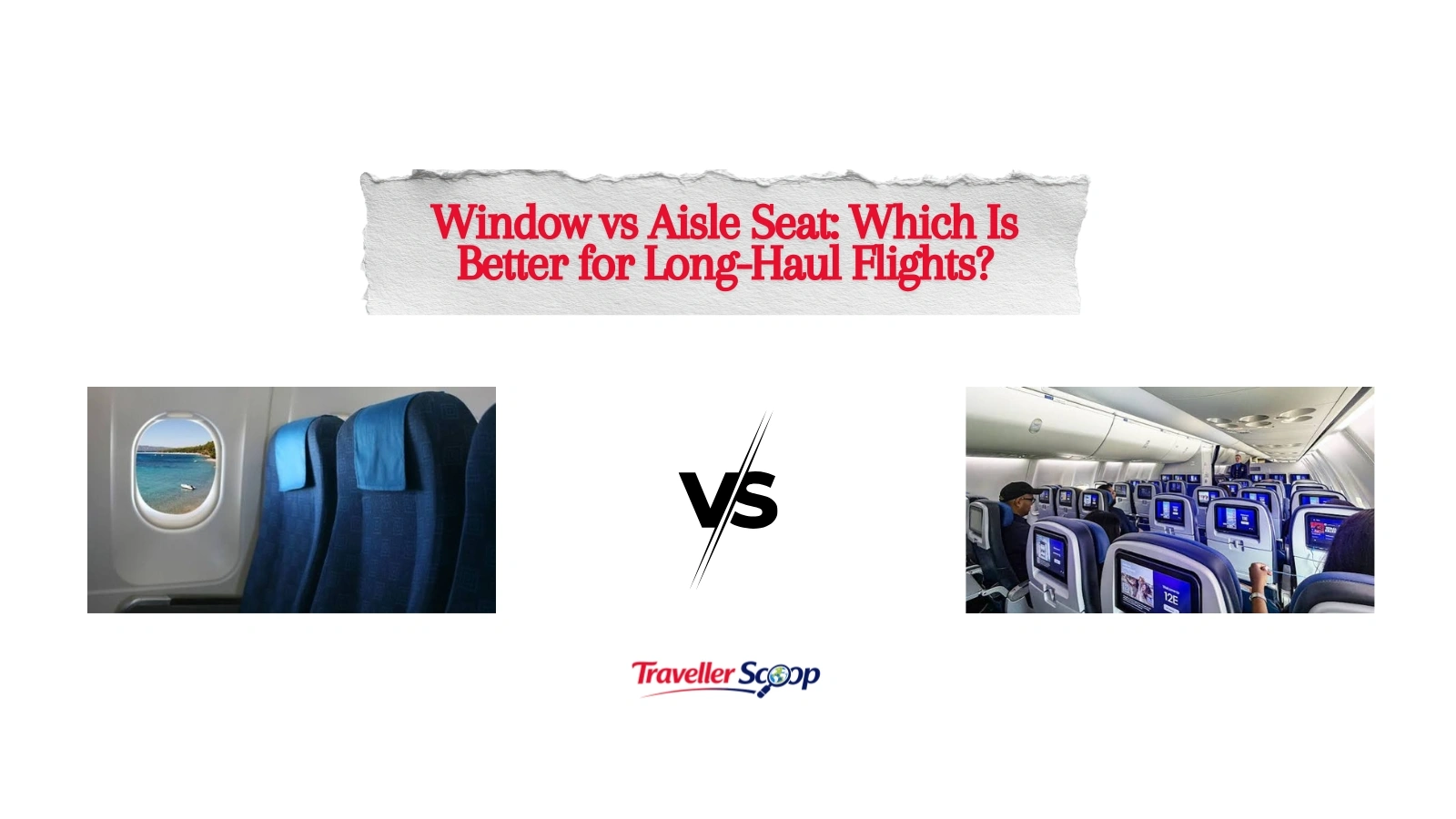
Window vs aisle seat is the one question I get asked more than any other when a friend is booking their first long-haul flight, and honestly, I used to give a different answer every time I asked myself the same thing.
I’ve flown over 40 long-haul sectors in the last six years, Delhi to London, Mumbai to New York, Bangalore to Melbourne, and I’ve deliberately alternated between window and aisle seats on almost every one of them, just to figure out which one actually wins when a flight crosses eight, ten, or even fourteen hours.
This isn’t a “pros and cons” list copied from an airline brochure. This is what I learned in economy class, at 38,000 feet, with a cramped 17-inch-wide seat and a stranger’s elbow fighting me for the armrest.
If you’re trying to decide between a window or aisle seat for long flights, the honest answer is: it depends on what kind of flyer you are, how long your flight is, and what you value more, uninterrupted sleep or the freedom to move.
In this guide, I’m breaking down exactly how to choose a seat on a long flight using real numbers: seat width, cabin humidity, DVT (deep vein thrombosis) risk, boarding and deplaning time, and my own in-flight experience across 3 airlines and 4 aircraft types.
By the end, you’ll know whether window vs aisle seat comfort matters more to you than mobility, and you’ll never book blind again.
Why the Window vs Aisle Seat Debate Actually Matters on Long-Haul Flights
On a 90-minute domestic hop, nobody cares where they sit. But on a long-haul flight, anything over 6 hours, seat choice stops being a small detail and starts shaping your entire arrival experience.
I learned this the hard way on a 14-hour Bangalore–San Francisco flight in an aisle seat, where I was woken up four separate times by fellow passengers needing to get past me. I landed with a headache and zero hours of continuous sleep.
Here’s the physical reality of the long-haul economy that most people don’t think about before they book:
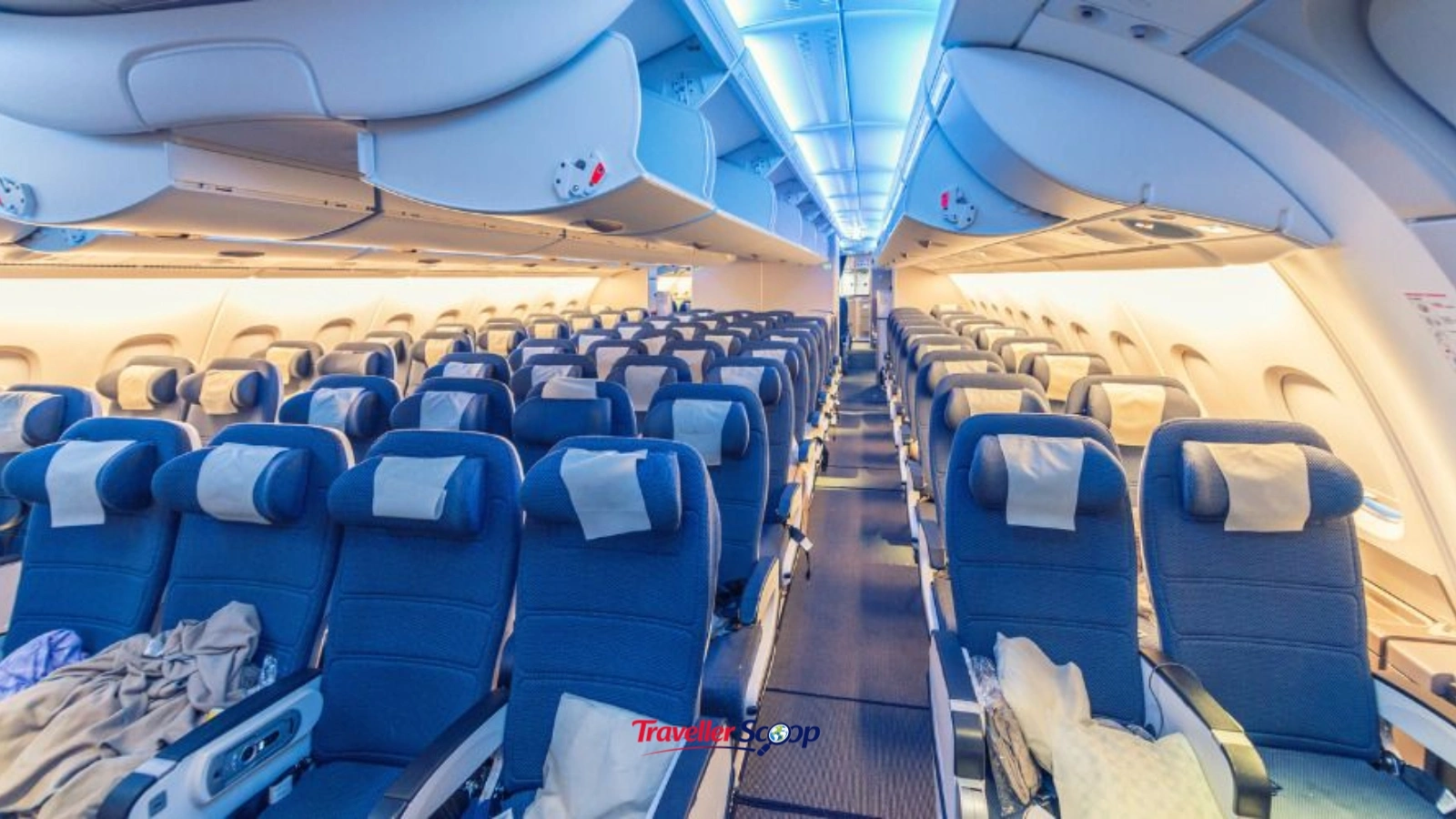
- Economy seat width typically ranges from 17 to 18.5 inches, depending on the aircraft (Boeing 787: ~17–17.5 inches; Airbus A350: ~18 inches in a 3-3-3 layout).
- Seat pitch (legroom) sits between 30 and 31 inches on standard economy, versus 34–38 inches in exit rows.
- Cabin humidity on long-haul aircraft runs as low as 10–20%, drier than most deserts, this affects your skin, sinuses, and hydration regardless of where you sit.
- Your body loses roughly 8 ounces of water per hour in-flight just from normal breathing in this dry cabin air.
- DVT (deep vein thrombosis) risk climbs significantly after 4 hours of continuous sitting, which makes seat choice a genuine health consideration on any flight longer than that.
None of these numbers change whether you’re at the window or the aisle. But how comfortably you deal with them absolutely does, and that’s the real core of the window vs aisle seat decision
Window Seat: What You Actually Get on a Long Flight
I’ll be direct, for pure sleep quality, the window seat wins for me almost every time on an overnight long-haul flight. Here’s why, based on actual flights:
- A wall to lean on. On my Delhi–London flight, I fell asleep within 40 minutes because I had the fuselage wall to rest my head against. In an aisle seat, I’ve never once managed more than a light doze without a neck pillow, and even then, it’s shallow, interrupted sleep.
- Nobody climbs over you. This sounds small until you’re the person being climbed over. On a full 10-hour flight, if you’re the aisle passenger’s neighbor, expect to be disturbed 2–4 times minimum for bathroom breaks, this is one of the most common complaints I’ve heard from other window-seat flyers too.
- You control the shade. On long-haul routes crossing multiple time zones, controlling when light enters your row genuinely helps with adjusting to your destination’s time zone faster, something I now treat as a mini jet-lag hack.
- The view. On a clear-sky daytime long-haul flight, think Dubai to Cape Town, or anything over the Alps or Himalayas, the window seat delivers views you simply won’t get anywhere else. I’ve taken some of my best travel photography from 35,000 feet.
- The trade-off: you’re trapped. If you need the bathroom, you’re either waking two people or doing an awkward squeeze past sleeping strangers. The window seat is also measurably colder, since the fuselage loses heat fastest at the edges of the cabin, I always pack a light shawl now specifically for window seats.
Aisle Seat: What You Actually Get on a Long Flight
Now for the other side of the window vs aisle seat argument — because on certain flights, I choose aisle every single time, no hesitation.
- Mobility without asking permission. This is the single biggest reason to pick an aisle seat on a long-haul flight. With DVT risk rising sharply after 4 hours of sitting, being able to get up, stretch, and walk the cabin every 90 minutes without disturbing two other people is a real physical advantage — not just a comfort preference.
- Faster access to essentials. Need the bathroom during a 10+ hour red-eye? Aisle seat passengers are in and out without waking anyone. On my longest flight — a 15-hour Mumbai–New York sector — I chose aisle specifically because I knew I’d need the bathroom at least three times.
- Marginally easier deplaning. While row position (how close you are to the front) matters more than aisle vs window for exit speed, aisle passengers still get out of their row a beat faster since they’re not waiting for two neighbors to move first.
- Slightly warmer, and no fuselage chill. Being closer to the cabin’s central airflow, I’ve personally found aisle seats a touch warmer than window seats on the same flight.
- The trade-off: interruptions. You will be woken up. Drink carts, other passengers, and flight attendants all use the aisle, and on a long-haul overnight flight this can seriously fragment your sleep — which is exactly why, for red-eye flights where sleep matters most, I still lean window over aisle for comfort.
Window vs Aisle Seat: Head-to-Head Comparison
| Factor | Window Seat | Aisle Seat |
|---|---|---|
| Sleep Quality (Overnight Flights) | Better — provides wall support and fewer disturbances | Worse — more interruptions from passengers and crew |
| Mobility / Bathroom Access | Poor — you need to ask others to move | Excellent — easy and unrestricted access |
| DVT / Circulation | Higher risk if you stay seated for long periods | Lower risk — easier to stretch and move around |
| Temperature | Slightly colder near the fuselage | Slightly warmer |
| Views / Photography | Excellent — best views from the sky | Limited — no direct window view |
| Best For | Overnight flights, sleepers, and travelers who love views | Long daytime flights, tall travelers, frequent bathroom users, and those who like to move around |
If I had to compress six years of long-haul flying into one rule for how to choose a seat on a long flight, it’s this: choose a window for overnight, sleep-focused long-haul flights, and choose aisle for daytime long-haul flights or if you’re tall, restless, or have any circulation/health concern.
Here’s exactly how I now decide between a window or aisle seat for long flights before every booking:
- Is the flight overnight, or does it cross my normal sleep hours? Window seat, every time. Sleep quality wins.
- Is it a daytime flight where I’ll want to move, eat, and work? Aisle seat, without question.
- Is the flight under 6 hours? I stop overthinking it and just take whatever’s available, because comfort factors barely matter below that threshold.
- Am I traveling with a partner? We book the window and aisle in the same three-seat row. There’s a reasonable chance the middle stays empty on quieter midweek routes, though it’s a gamble on peak-season weekend departures.
- Do I have any back, leg, or circulation issues that day? Aisle wins automatically, no matter what time the flight is.
This simple checklist has replaced what used to be 20 minutes of back-and-forth every time I booked a long-haul ticket.
If you’re planning your own trip and haven’t finalized your route yet, my guide on budget travel planning walks through how seat selection fees fit into your overall flight budget, and our Travel Budget Calculator can help you work out whether it’s worth paying extra for an exit-row aisle seat on a specific route.
Extra Factors That Change the Window vs Aisle Seat Answer
A few things I wish someone had told me before my first long-haul flight:
- Aircraft type matters as much as seat position. Newer aircraft like the Airbus A350 and Boeing 787 Dreamliner maintain cabin pressure equivalent to roughly 6,000 feet (versus 8,000 feet on older jets) and higher humidity, around 15–20% versus 10–12%, which genuinely reduces fatigue and dehydration regardless of window or aisle.
- Row position beats seat type for deplaning speed. Sitting closer to the front of the cabin gets you off the plane faster than choosing aisle over window ever will.
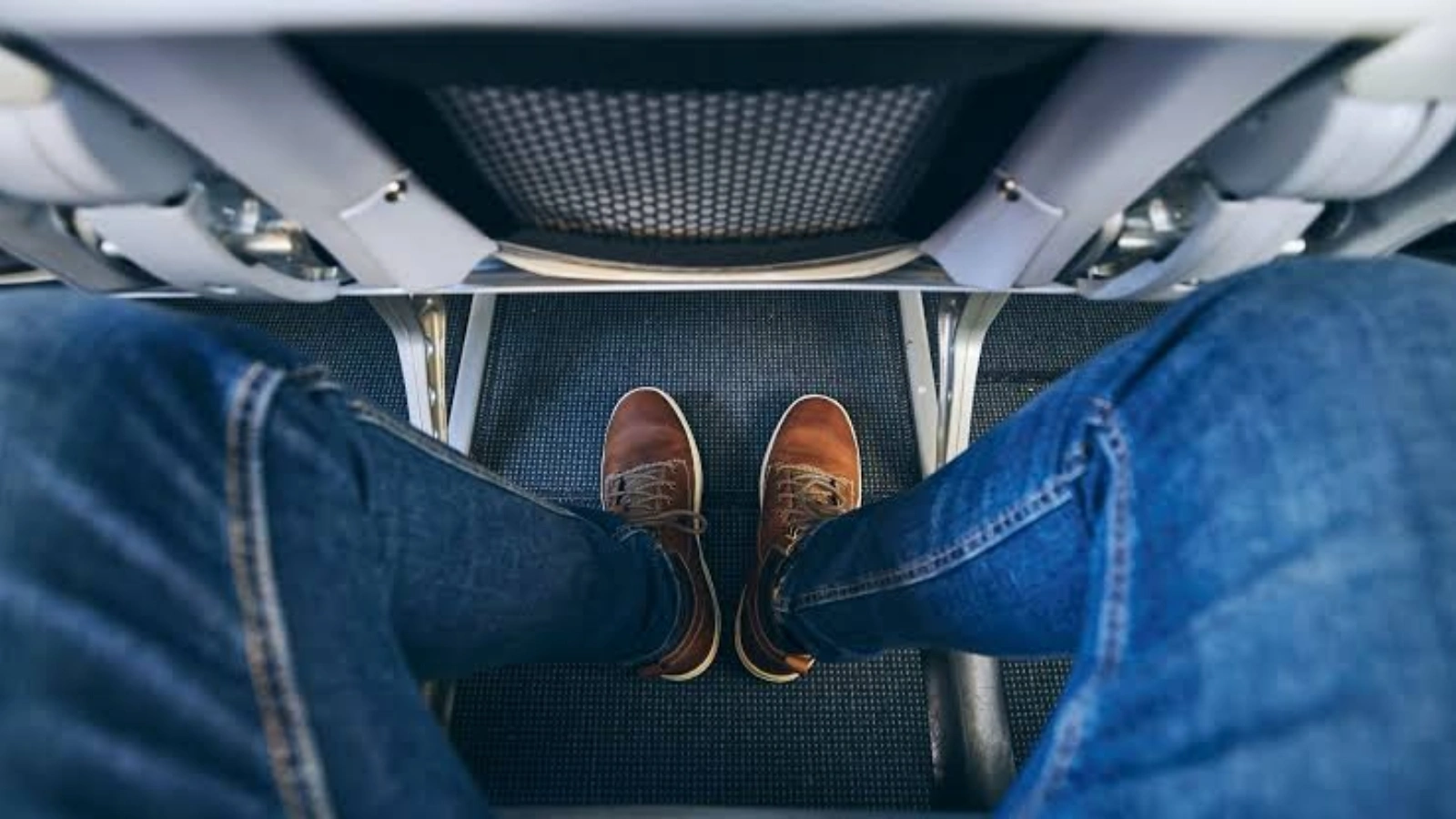
- Exit rows are a hidden upgrade. With 34–38 inches of pitch versus the standard 30–31, an aisle seat in an exit row solves almost every complaint people have about long-haul economy, just double-check it’s a row that still reclines.
- Bulkhead seats aren’t automatically better. No underseat storage and fixed armrests can actually make them feel tighter, despite the open legroom.
If you’re comparing multiple long-haul carriers before booking, it’s worth reading a proper side-by-side breakdown, our Travel Comparison section covers exactly this kind of airline-vs-airline, gear-vs-gear analysis so you’re not choosing blind.
And if jet lag from crossing time zones is your bigger worry after a long-haul flight, our Travel Tips archive has dedicated guides for that too
Conclusion
After 40+ long-haul flights and genuinely testing both sides of this debate, my honest verdict on window vs aisle seat is this: there is no single universal winner, only the right seat for the flight you’re actually taking.
Choose the window seat when your priority is sleep, privacy, and views on an overnight or scenic long-haul route. Choose the aisle seat when mobility, bathroom access, and circulation matter more, especially on daytime flights or if you’re tall, restless, or flying with a health concern.
What matters most is that you stop leaving it to random seat-map luck and start choosing on purpose, using what actually happens in that seat for 8, 10, or 14 hours, not just how the seat map looks on a screen. Next time you’re booking, run it through the checklist above, and you’ll land more rested no matter which side of the row you’re on.
FAQs
What's the best seat for sleeping on a long-haul flight, window or aisle?
Window seat. Having a solid surface to lean against is more effective for sleep than a neck pillow alone, and you won't be woken by neighbors needing to pass during the flight.
Is window or aisle seat better for a long flight?
It depends on the flight type. Window seats are better for overnight, sleep-focused long-haul flights because they offer a wall to lean on and no disturbances. Aisle seats are better for daytime long-haul flights, tall passengers, and anyone concerned about circulation or DVT, since they allow unrestricted movement.
Does window vs aisle seat affect deep vein thrombosis (DVT) risk?
Indirectly, yes. DVT risk increases significantly after 4 hours of continuous sitting. Aisle seat passengers can get up and move more easily without disturbing others, which naturally lowers the risk compared to a window seat where movement requires asking neighbors to shift.
Which seat is warmer, window or aisle, on a long-haul flight?
Aisle seats tend to feel slightly warmer since they're closer to the cabin's central airflow. Window seats can feel colder because the fuselage loses heat fastest along the cabin edges, it's worth packing a light layer if you choose window.
Is it worth paying extra for an aisle or window seat on a long-haul flight?
On flights over 6 hours, yes seat selection meaningfully affects comfort. On flights under 6 hours, the difference is minor and usually not worth the added cost.

Khushi Vaid
Senior Travel EditorI’m Khushi Vaid, a travel writer with over 2 years of experience creating destination guides, travel tips, and travel planning content. At Traveller Scoop, I write about destinations, travel trends, and practical advice to help readers explore the world with confidence.