
Agra vs Varanasi: Which Is Better for a Cultural Trip?
Agra vs Varanasi is a question I get asked almost every week by readers planning their first cultural trip to North India, and honestly, I used to struggle to answer it too, until I actually packed my bags and spent 11 days between the two cities back-to-back.I stood under the marble dome of the Taj […]

Agra vs Varanasi is a question I get asked almost every week by readers planning their first cultural trip to North India, and honestly, I used to struggle to answer it too, until I actually packed my bags and spent 11 days between the two cities back-to-back.
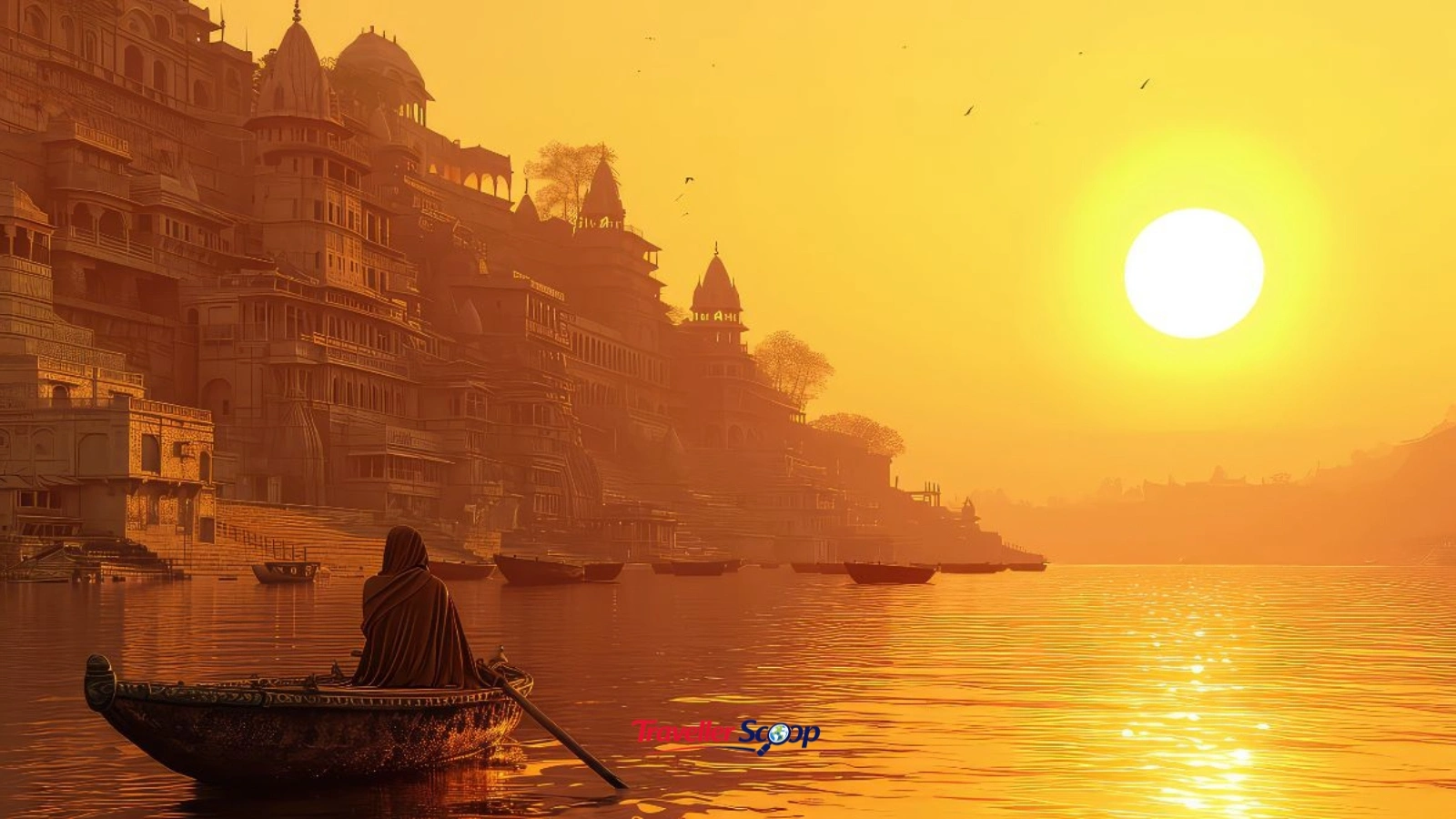
I stood under the marble dome of the Taj Mahal at sunrise in Agra, and four days later, I sat on the stone steps of a 300-year-old ghat in Varanasi watching a priest wave a five-tiered brass lamp over the Ganges.
Both moments left me speechless, but for completely different reasons. That’s exactly why the Agra vs Varanasi debate isn’t really about which city is “better” in a generic sense, it’s about which experience matches the kind of traveller you are.
In this Agra vs Varanasi guide, I’m going to break down everything I wish someone had told me before I went: the real cost per day in both cities, the number of monuments and ghats you can actually cover, how safe each city felt as a solo woman traveller, and which one gives you a deeper cultural payoff for your time and money.
If you’re trying to decide between Agra or Varanasi for a cultural trip, or you’re torn between the Taj Mahal vs Varanasi ghats as your India debut, stick with me; I’ve put real numbers, real costs, and real first-hand notes into this one.
Agra vs Varanasi: A Quick Snapshot Before You Decide
Before I go deep into the Agra vs Varanasi comparison, here’s the snapshot I wish I had on one page when I was planning my own trip.
| Factor | Agra | Varanasi |
|---|---|---|
| Core Identity | Mughal architecture & monuments | Hindu spiritual capital |
| Signature Landmark | Taj Mahal (one of 3 UNESCO sites in the city) | 84 ghats along the Ganges |
| Average Daily Budget | Around ₹4,200 per person | Around ₹2,700 per person |
| Ideal Trip Length | 1–2 days | 2–3 days |
| Best For | First-timers, architecture lovers, quick weekend trips | Spiritual seekers, photographers, slow travellers |
| Annual Footfall at Top Site | 7–8 million visitors a year at the Taj Mahal | Lakhs of pilgrims daily during peak festival season |
When I look at this table now, I realise the Agra vs Varanasi choice usually comes down to one simple question: do you want a monument, or do you want an experience?
Agra gives you the former in a tightly packed, efficient day. Varanasi asks for more time but rewards you with something you can’t photograph properly, a feeling.
1. Cultural and Historical Depth: Agra vs Varanasi
Agra’s culture is frozen in a specific 200-year window, the Mughal era, roughly from 1526 to 1707. The city itself was the Mughal capital under Akbar, and its structures reflect that single, glorious chapter of Indo-Islamic architecture.
When people ask me Agra or Varanasi for history, I always clarify: Agra gives you architectural history you can walk through and touch, with three UNESCO World Heritage Sites packed inside a 15 km radius, the Taj Mahal, Agra Fort, and Fatehpur Sikri.
Varanasi, on the other hand, isn’t preserved history, it’s continuous, living history. Locals and scholars regularly describe it as one of the oldest continuously inhabited cities in the world, with a documented spiritual life stretching back well over 3,000 years.
Unlike Agra, where I felt like a tourist walking through a museum, in Varanasi I felt like a guest inside someone’s everyday ritual. Weddings, cremations, temple bells, and morning yoga on the ghats all happen in the same 500 metres of riverbank, every single day, regardless of whether tourists show up or not.
If your definition of a cultural trip leans toward monuments and dynasties, Agra wins this round. If it leans toward rituals, philosophy, and a city that has never stopped being sacred, Varanasi takes it.
2. Spiritual Experience: Why Varanasi Wins for Soul Travel
I need to be honest here, nothing in Agra prepared me for my first evening Ganga Aarti in Varanasi. Every evening at Dashashwamedh Ghat, a row of priests performs a synchronized fire ceremony facing the river, and hundreds of people, locals and travellers alike, sit shoulder to shoulder on the steps to watch it. I’ve been to many religious sites while travelling, and I’ve never felt an entire crowd go silent together the way the ghat does the moment the conch shells start.
Varanasi is also home to the Kashi Vishwanath Temple, one of the twelve Jyotirlinga shrines dedicated to Lord Shiva, rebuilt in its current form in 1780 by Maharani Ahilyabai Holkar of Indore.
Walking the narrow lanes near the temple, I passed at least six smaller shrines within 200 metres, that’s how dense the spiritual fabric of this city is.
Agra does have its own quieter spiritual layer, the Itmad-ud-Daulah tomb (often called the “Baby Taj”) has a gentler, more intimate feel than the Taj Mahal itself, and a few riverside temples along the Yamuna offer a smaller-scale version of the ghat culture.
But in terms of sheer spiritual density, Varanasi vs Agra isn’t really a contest. When people ask me specifically about Agra vs Varanasi for spiritual travel, I tell them straight: come to Varanasi if you want your trip to change something in you, not just fill your camera roll.
3. Monuments and Architecture: Taj Mahal vs Varanasi's Ghats
This is the heart of most Agra vs Varanasi comparisons, so let me put real numbers on it. The Taj Mahal alone draws an estimated 7 to 8 million visitors a year, including around 800,000 international tourists, making it India’s single most-visited monument.
Agra Fort, a 380,000-square-meter Mughal fortress complex just 2.5 km from the Taj, adds another half-day of exploration.
Combine that with Fatehpur Sikri, a 16th-century abandoned Mughal city 40 km outside Agra, and you get three UNESCO sites you can realistically cover in a single well-planned day trip.
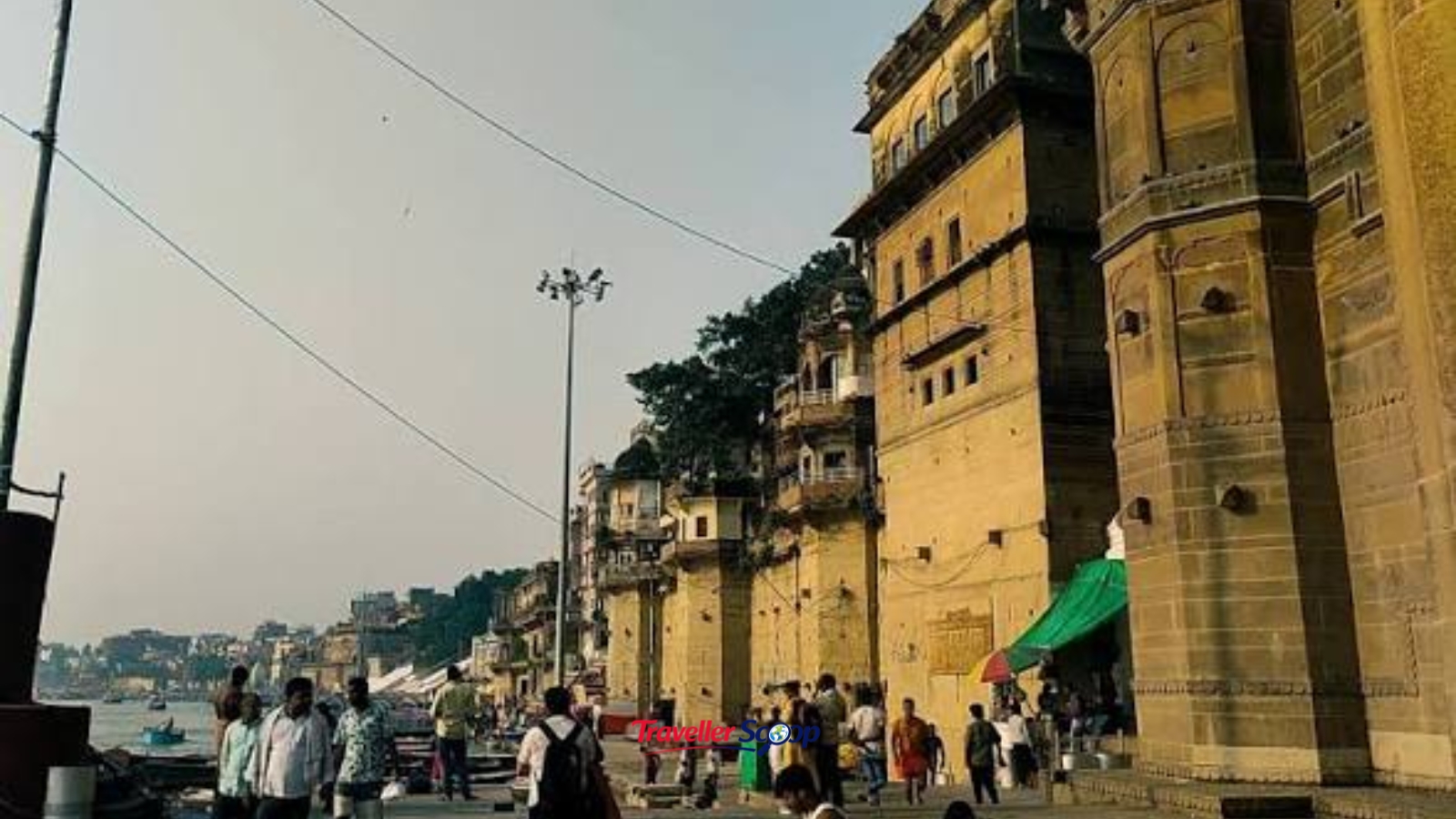
Varanasi flips the script completely; instead of three grand monuments, it offers 84 ghats stretched along roughly 7 km of riverfront. Two of them, Manikarnika and Harishchandra, are active cremation ghats used exclusively for that sacred purpose, and most of the current stone structures date back to 18th-century Maratha patronage.
There is no single “must-see” monument in Varanasi the way there is in Agra, the entire riverfront is the attraction, best experienced slowly, ideally from a wooden boat at sunrise.
So if you’re the kind of traveller who wants to tick off famous landmarks quickly, Agra’s concentrated cluster of UNESCO sites wins. If you enjoy wandering, getting a little lost, and letting a city reveal itself gradually, Varanasi’s sprawling ghats will suit you far better.
4. Budget Comparison: Agra vs Varanasi Daily Cost
Numbers matter when you’re planning, so here’s what actual traveller spending data shows. The average daily cost per person in Agra runs around ₹4,200 (roughly $51), while Varanasi comes in noticeably cheaper at around ₹2,700 per day (roughly $33), that’s nearly a 35% difference in daily spend between the two cities.
This gap comes from Agra’s higher hotel rates near the Taj Mahal zone and pricier entry tickets (foreign tourists pay significantly more than domestic visitors at the monument), while Varanasi’s budget guesthouses, street food culture, and shared boat rides keep costs down.
If you’re travelling on a tight budget, Varanasi stretches your rupee further. If you’re willing to spend a bit more for a shorter, high-impact trip, Agra’s cost is still very reasonable compared to most international cultural destinations, you can use a travel budget calculator to map this against your own trip length before booking anything.
If the bigger cheap-vs-comfort question is still on your mind, I’ve unpacked that in more detail in my cheap vs luxury travel comparison too.
Best Time to Visit: Agra vs Varanasi
Both cities share North India’s climate pattern, but the ideal windows differ slightly because of what you’re doing there.
- Agra: October to March, with November and February being the sweet spot, cool mornings are perfect for outdoor monument walks, and this is also when the Taj Mahal sees its heaviest footfall, so early entry (the gates open at sunrise) is non-negotiable.
- Varanasi: October to March as well, though the city’s biggest festivals, Dev Deepawali (usually mid-November) and Maha Shivratri (February/March), turn the ghats into a sea of a million diyas and are genuinely worth timing your trip around, even if it means bigger crowds.
Summers (April to June) in both cities regularly cross 40°C, and I’d honestly steer most first-time cultural travellers away from that window entirely.
Distance, Connectivity, and How to Travel Between Them
A lot of readers don’t realise Agra and Varanasi aren’t next-door neighbours, they’re roughly 600 km apart. Here’s how that breaks down practically:
- By flight: Around 1.5 hours, with regular daily connections via Delhi or Lucknow.
- By train: 10–12 hours depending on the route, and this is genuinely one of the best ways to see rural Uttar Pradesh if you have the time.
- By road: A 10–11 hour drive, usually broken up with a halfway stop in Lucknow, which itself is worth a few hours for its Mughal-era Bara Imambara and famous street food.
If your itinerary allows it, doing both cities back-to-back, Agra first, then Varanasi, actually makes for one of the most complete cultural circuits in North India, because you get architectural grandeur and spiritual intensity in a single trip instead of choosing one over the other.
Food and Local Experience: Agra vs Varanasi
Agra’s food scene is built around Mughlai richness; think petha (a translucent sugar-soaked sweet unique to the city), bedai with spicy aloo sabzi for breakfast, and slow-cooked mutton korma in the old city’s narrow lanes. It’s indulgent, heavy, and deeply satisfying after a long day of monument-hopping.
Varanasi’s food culture is louder and more chaotic in the best way, kachori-sabzi stalls that have been run by the same family for generations, thandai (a spiced milk drink, especially popular during festivals) sold from hole-in-the-wall shops, and the city’s famous Banarasi paan, which locals treat almost like a ceremonial closer to every meal.
Street food safety is something I always tell readers to be a little careful about in both cities, stick to stalls with high turnover and visibly fresh ingredients.
Safety and Convenience for Tourists
I travelled through both cities largely solo, and my honest take is that Agra felt slightly easier to navigate for a first-time visitor to India, it’s more compact, hotel infrastructure near the Taj Mahal is tourist-oriented, and English is widely spoken by guides and drivers.
Varanasi’s old city lanes are narrower, more crowded, and can genuinely disorient you on your first walk, but I never felt unsafe, just occasionally lost.
Both cities have visible tourist police near their major sites, and I’d recommend running a quick check on the Destination Safety Radar before you travel, especially if you’re going solo or with a small group.
Agra vs Varanasi: Which Should You Actually Choose?
If I had to boil down this entire Agra vs Varanasi comparison into a decision framework, here’s how I’d sort it:
- Choose Agra if: you have limited time (a weekend or less), you want efficient, high-impact sightseeing, you’re travelling with family or elderly parents, or the Taj Mahal has been on your list since childhood.
- Choose Varanasi if: you have at least 3 days to spare, you’re drawn to spirituality and photography, you want a slower, more immersive cultural experience, and you’re comfortable with a bit of organised chaos.
- Choose both if: you can spare 5–6 days total. This combination genuinely gave me the most complete picture of North India’s cultural range, from imperial grandeur to living faith, in a single trip.
There’s no wrong answer in the Agra vs Varanasi debate. I’ve met travellers who found Agra underwhelming after all the hype, and others who found Varanasi too intense for their taste.
What matters is matching the city to your travel style, not to what’s “supposed” to be more impressive. If you’re still unsure which side of this you lean toward, our Travel Style Quiz takes two minutes and gives you a clearer answer than I probably can.
Conclusion
After spending real time in both, my honest verdict on Agra vs Varanasi is this, Agra is the trip you take to see something extraordinary, and Varanasi is the trip you take to feel something extraordinary.
If you’re a first-time visitor to India with limited days, start with Agra; it’s the easier entry point and the Taj Mahal genuinely earns its reputation. But if your idea of a cultural trip goes beyond checking a monument off a list, give Varanasi the extra day it demands.
I went into this trip thinking I’d have a clear favorite between Agra and Varanasi, and I came out realising they’re not really competing with each other; they’re just showing you two completely different sides of what culture in India actually looks like.
Whichever one you pick first, I’d bet you’ll be planning a trip to the other within the year.
FAQs
Is Varanasi safe for solo female travellers?
Varanasi is generally safe for solo female travellers, though the narrow old-city lanes can feel disorienting at first. I'd recommend staying in well-reviewed guesthouses near the main ghats and avoiding poorly lit lanes late at night, same as you would in any dense old city.
Is Agra or Varanasi better for a first trip to India?
Agra is generally easier for first-time visitors because it's more compact, has stronger tourist infrastructure, and the Taj Mahal can be covered in a single well-planned day. Varanasi is better once you're ready for a deeper, slower cultural immersion.
How many days do I need for Agra and Varanasi combined?
I'd recommend 2 days for Agra and 3 days for Varanasi, so budget around 5–6 days total if you want to see both cities without rushing.
Which city is cheaper, Agra or Varanasi?
Varanasi is cheaper, averaging around ₹2,700 per day compared to Agra's roughly ₹4,200 per day, mainly due to lower hotel and monument entry costs.
Can I visit both Agra and Varanasi in one trip?
Yes. They're about 600 km apart, connected by a 1.5-hour flight, a 10–12 hour train journey, or a 10–11 hour drive, usually via Lucknow. Many travellers combine both into a single North India cultural circuit.

Khushi Vaid
Senior Travel EditorI’m Khushi Vaid, a travel writer with over 2 years of experience creating destination guides, travel tips, and travel planning content. At Traveller Scoop, I write about destinations, travel trends, and practical advice to help readers explore the world with confidence.