
5 Cheapest Hill Stations in India for a Budget Vacation
The cheapest hill stations in India were the last thing I believed existed, until I actually sat down, tracked every rupee I spent across five trips, and realized I was wrong. Over the last two travel seasons, I’ve stayed in ₹450-a-night guesthouses in Darjeeling, eaten ₹80 plates of thukpa in Himachal, and hitched a shared […]
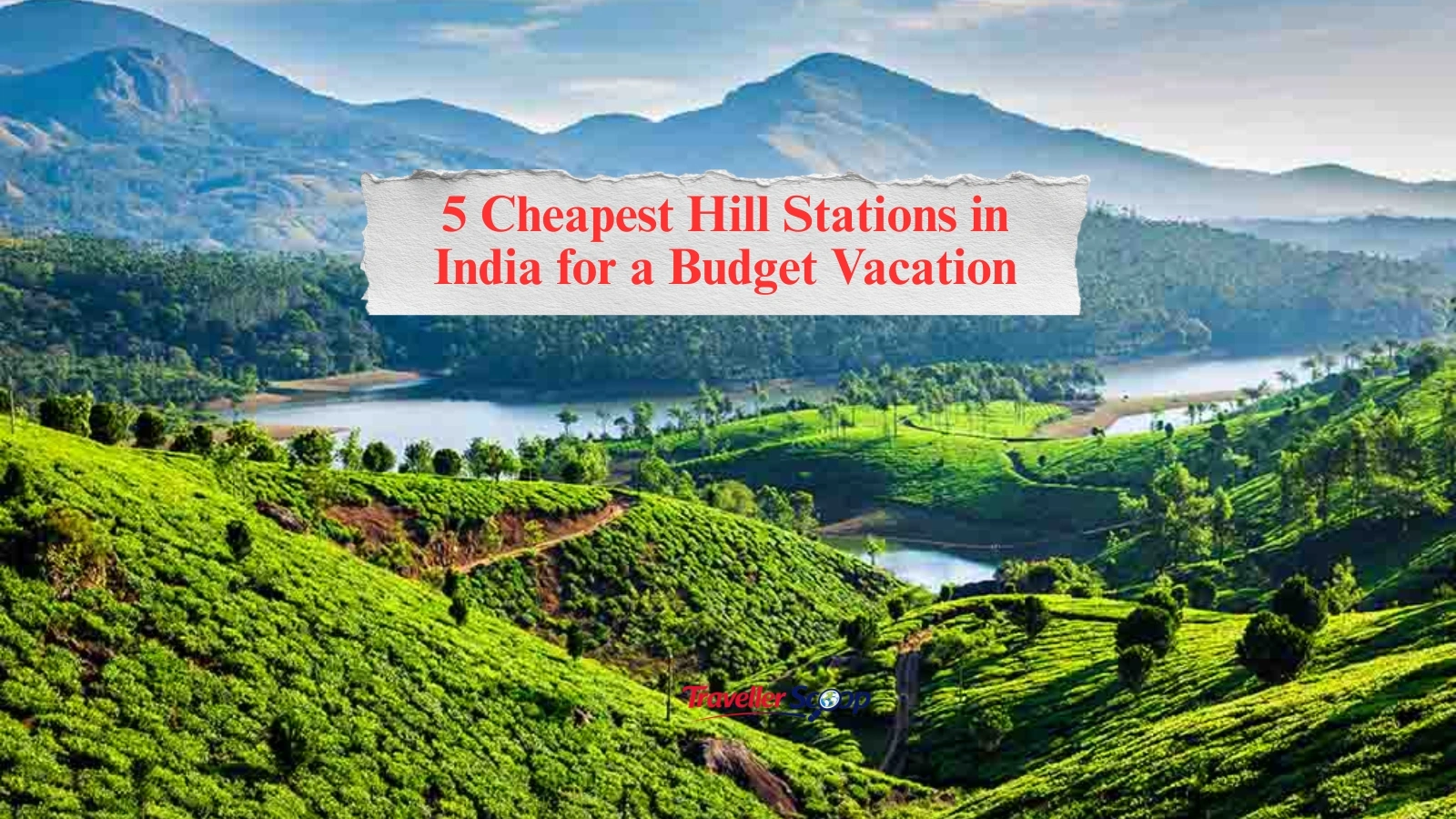
The cheapest hill stations in India were the last thing I believed existed, until I actually sat down, tracked every rupee I spent across five trips, and realized I was wrong. Over the last two travel seasons, I’ve stayed in ₹450-a-night guesthouses in Darjeeling, eaten ₹80 plates of thukpa in Himachal, and hitched a shared cab up to a hill town where my entire day cost less than a movie ticket in Delhi.
This isn’t a copy-paste listicle; it’s the actual budget breakdown from my own notebook, plus fresh 2026 pricing I cross-checked before writing this.
Whether you’re a college student stretching a semester’s savings, a solo backpacker, or a family trying to escape the plains’ 45°C summers without spending like it’s a five-star holiday, these five hill stations prove that fresh mountain air doesn’t have to come with a fat bill.
Which Are the Cheapest Hill Stations in India
You don’t always need to spend ₹20,000–₹30,000 for a memorable mountain holiday in India. In fact, some of the country’s most beautiful hill stations can be explored comfortably on a much smaller budget if you plan your trip around affordable stays, local transport and the right travel season.
I’ve always felt that a good mountain trip is more about the views, peaceful surroundings and experiences than staying in an expensive resort, which is why I looked beyond the usual luxury destinations while putting together this list.
From quiet Himalayan towns and forest-covered escapes to backpacker-friendly destinations with cheap homestays and cafés, there are plenty of options for travellers who want to experience the mountains without spending a fortune.
The biggest advantage of choosing budget-friendly hill stations is that you can control almost every major expense. Instead of spending ₹5,000–₹10,000 a night on a premium hotel, you can often find homestays, hostels and simple guesthouses at much lower prices.
Eating at local restaurants rather than tourist-focused cafés can further reduce your daily expenses, while travelling by bus or shared taxi instead of booking a private cab can make a noticeable difference to your overall budget. For a 2–3 day trip, many of these destinations can realistically be explored within ₹4,000–₹10,000 per person, depending on where you’re travelling from, the type of accommodation you choose and how much you spend on activities.
The timing of your trip also matters more than most people realise. Peak summer months, long weekends and holiday periods can push hotel prices significantly higher, especially in popular destinations such as Himachal Pradesh and Uttarakhand.
If your schedule is flexible, travelling during the shoulder season or on weekdays can help you find better room rates and fewer crowds. I’d also recommend booking your accommodation in advance if you’re travelling during a popular period, because the cheapest and best-reviewed properties are usually the first ones to disappear.
What I like most about these destinations is that budget travel doesn’t mean compromising on the mountain experience. You can wake up to Himalayan views, spend an afternoon walking through pine forests, enjoy local food, visit monasteries or temples, explore nearby villages and simply sit somewhere with a cup of chai without paying for expensive attractions.
For travellers coming from Delhi, destinations such as Lansdowne, McLeod Ganj and Chail can work particularly well for short breaks, while places like Tirthan Valley, Kausani and Bir are better suited to travellers who want a slower and more immersive mountain escape.
So, if you’re planning a mountain holiday but don’t want to burn through your savings, India has plenty of affordable hill stations worth exploring.
The trick is to choose the destination carefully, travel at the right time and spend your money on experiences rather than unnecessary luxury.
5 Cheapest Hill Stations in India
These 5 cheapest hill stations in India offer beautiful mountain views, peaceful escapes and memorable experiences without forcing you to stretch your travel budget.
1. Kasol, Himachal Pradesh: The Backpacker's Favourite
Kasol is where I first understood that a hill station could run on a shoestring budget without feeling like a compromise. It sits along the Parvati River, roughly 30 km from Bhuntar, and has grown into India’s unofficial backpacker capital.
Average daily budget: ₹700–₹1,500
- Dorm beds in hostels: ₹300–₹500/night
- Israeli-style cafés with hummus and pita: ₹150–₹250 per meal
- Local dhaba thali: ₹100–₹150
- Shared cab from Bhuntar: ₹100–₹150 per person
What makes Kasol one of the cheapest hill stations in India for students is the sheer density of budget hostels; places like Zostel-style dorms cluster within a 1 km stretch, so you can literally compare prices by walking.
Nearby Kheerganga trek (free, aside from the ₹50–₹100 entry at some checkpoints) adds a full day of activity without extra spending.
Best time to visit:
March–June and September–November for pleasant weather and lower accommodation rates.
2. Lansdowne, Uttarakhand: Uttarakhand's Best-Kept Secret
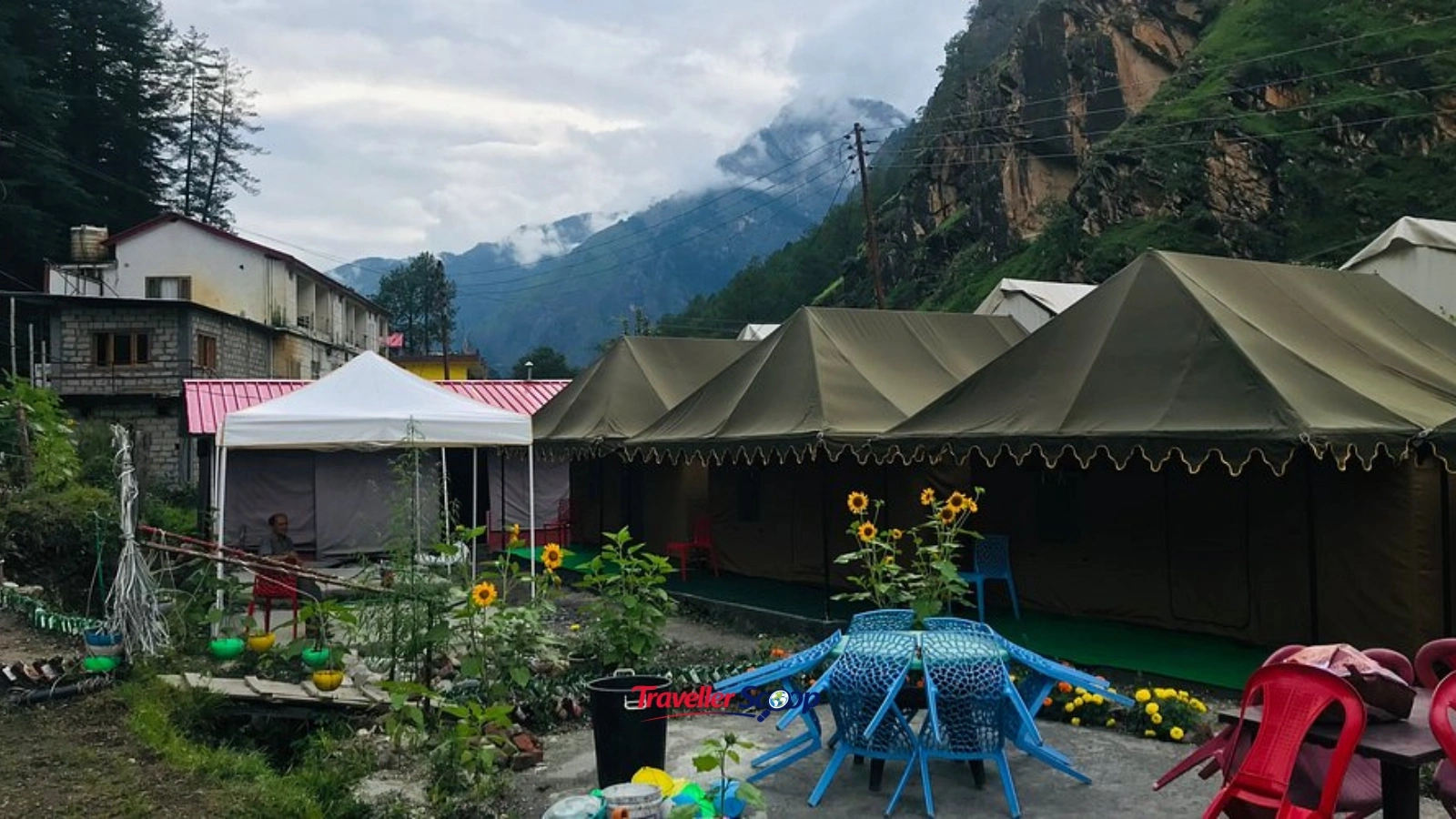
Lansdowne rarely makes it to mainstream hill-station lists, and that’s exactly why it stays cheap. It’s a small Garhwal Rifles cantonment town at 1,706 m, just a 6-hour drive from Delhi, with almost none of the tourist crowding you’d find in Nainital or Mussoorie.
Average daily budget: ₹900–₹1,800
- Budget hotel rooms: routinely under ₹2,000/night, often closer to ₹1,200–₹1,500 even in peak season
- Meals at local eateries: ₹80–₹150
- Sightseeing (Bhulla Tal Lake, Tip n Top Viewpoint, Tarkeshwar Mahadev Temple): mostly free or nominal entry
If you’re specifically searching for a budget hill station trip under 10000, Lansdowne is my top pick for a Delhi-based 3-day weekend. The total cost, including a shared cab, stay, and food, can realistically land under ₹6000–₹8000 per person for two people travelling together.
Best time to visit:
March–June and October–November, when the pine forests are at their greenest.
3. Chopta, Uttarakhand: The "Mini Switzerland" That Costs Almost Nothing
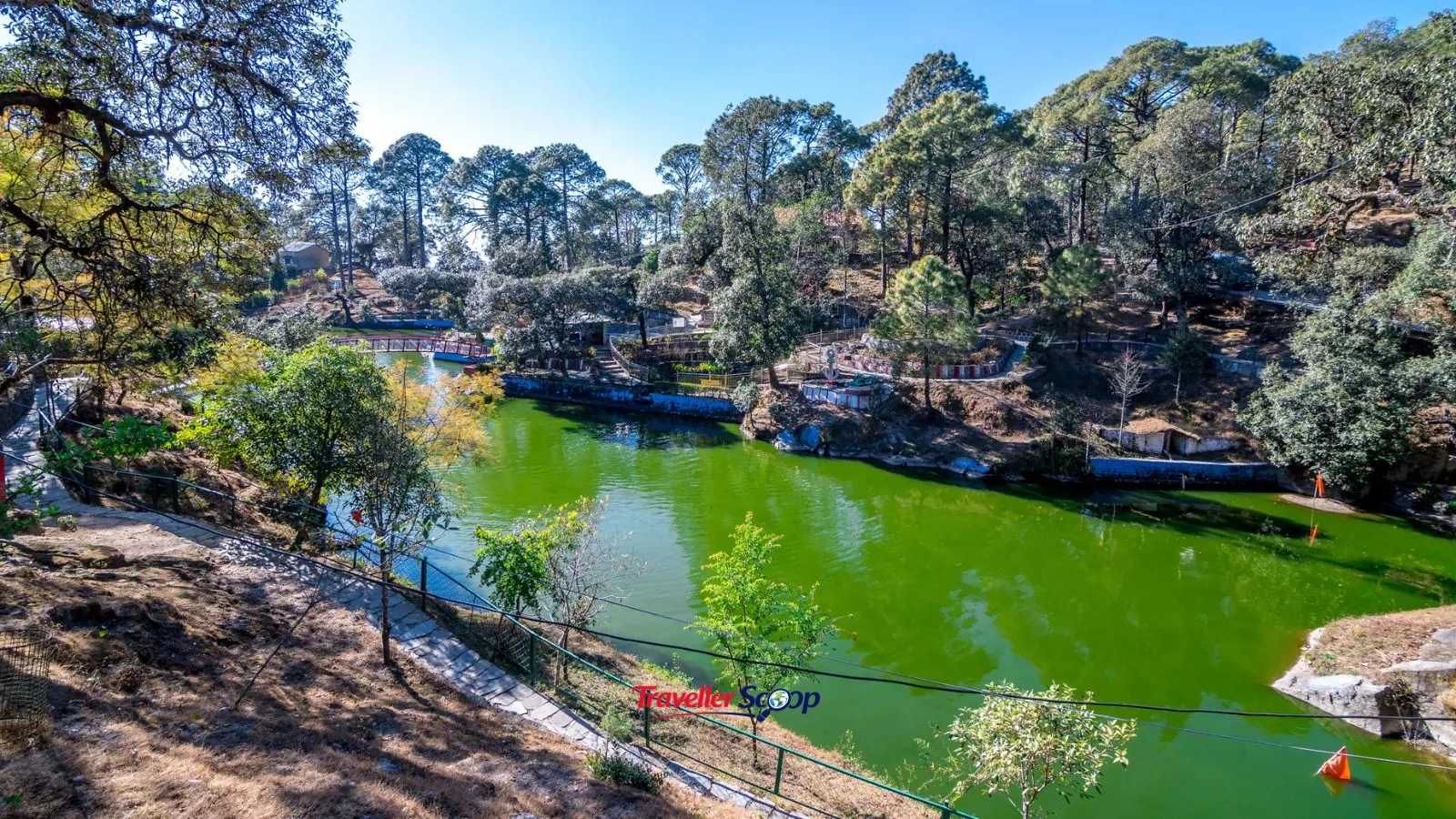
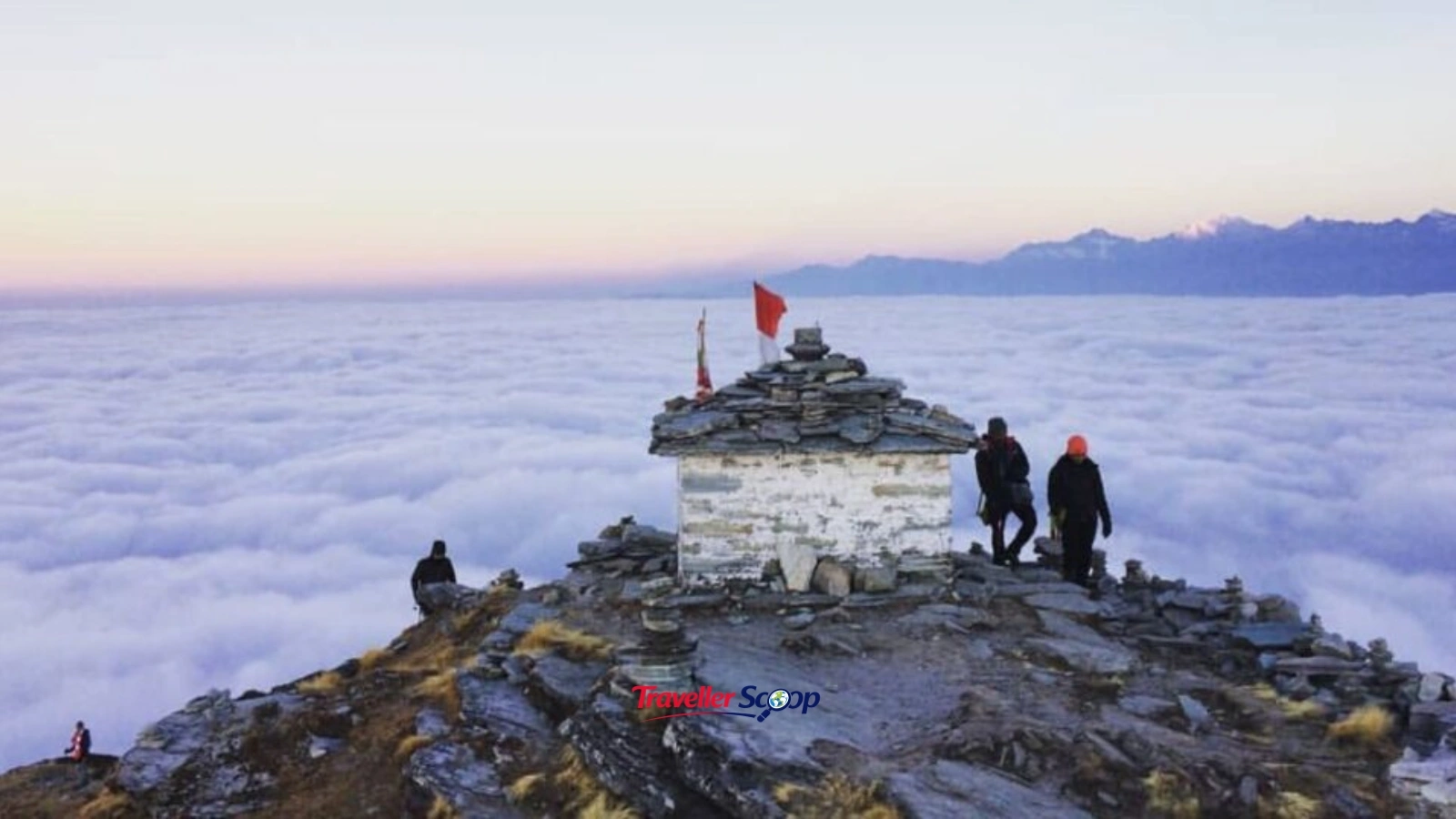
Chopta surprised me the most. Perched at 2,680 m on the road to Tungnath temple, it has barely any permanent population, open meadows, and homestays that I found priced as low as ₹1,000–₹1,500 a night, sometimes with meals included.
Average daily budget: ₹2,500–₹3,500 (higher than others mainly due to trek logistics, but still exceptional value for the altitude and scenery)
- Homestay with breakfast and dinner: ₹1,000–₹1,800/night
- Local guide for Chandrashila trek (optional, shared cost): ₹500–₹800 per group
- Simple meals: ₹100–₹200
Chopta is genuinely one of the best hill stations in India under 2000 per night if you skip the resort-style stays and go the homestay route, which I’d recommend anyway, the families running them know every shortcut on the Tungnath trail.
Best time to visit:
April–June and September–November; avoid heavy monsoon months for trail safety.
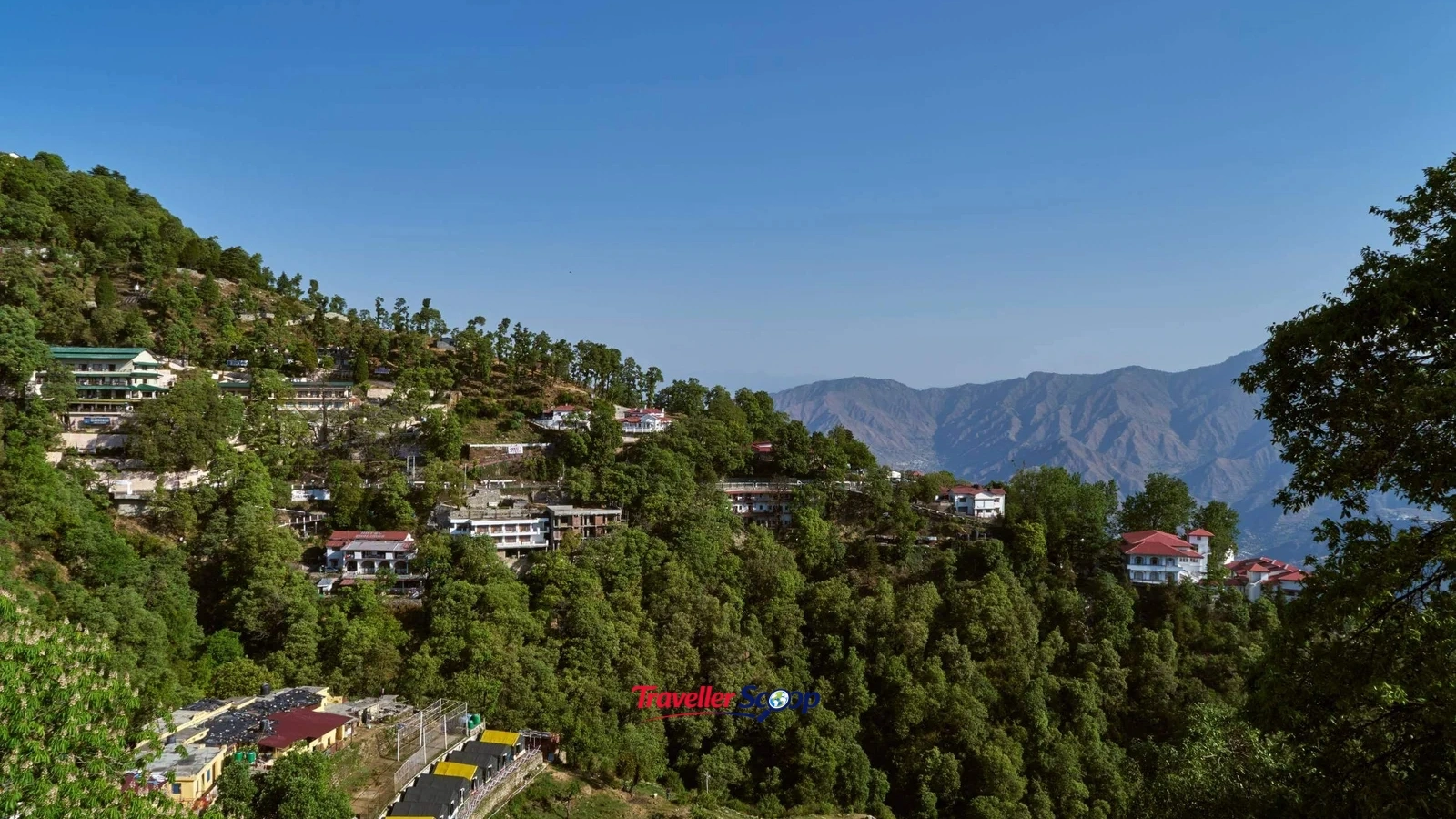
4. Mussoorie (Landour & Barlowganj Side), Uttarakhand: Budget-Friendly If You Know Where to Look
Most people write off Mussoorie as expensive because they book Mall Road hotels blind. I did the same mistake on my first trip and paid nearly double what I needed to. On my second visit, I booked in Barlowganj instead, 3 km from the main crowd, and cut my stay cost by close to 35%.
Average daily budget: ₹1,200–₹2,200
- Budget guesthouses in Landour/Barlowganj: ₹800–₹1,800/night
- Street food and local Garhwali meals: ₹100–₹200
- Kempty Falls entry + local transport: under ₹200 total
Since Mussoorie is only 290 km from Delhi and well connected by both bus and shared cab, it remains one of the most accessible cheap hill stations near Delhi for a quick two-day escape.
Best time to visit:
March–June for clear views, December for light snowfall (book early, prices rise fast in December).
5. Munnar, Kerala: South India's Answer to Budget Hill Travel
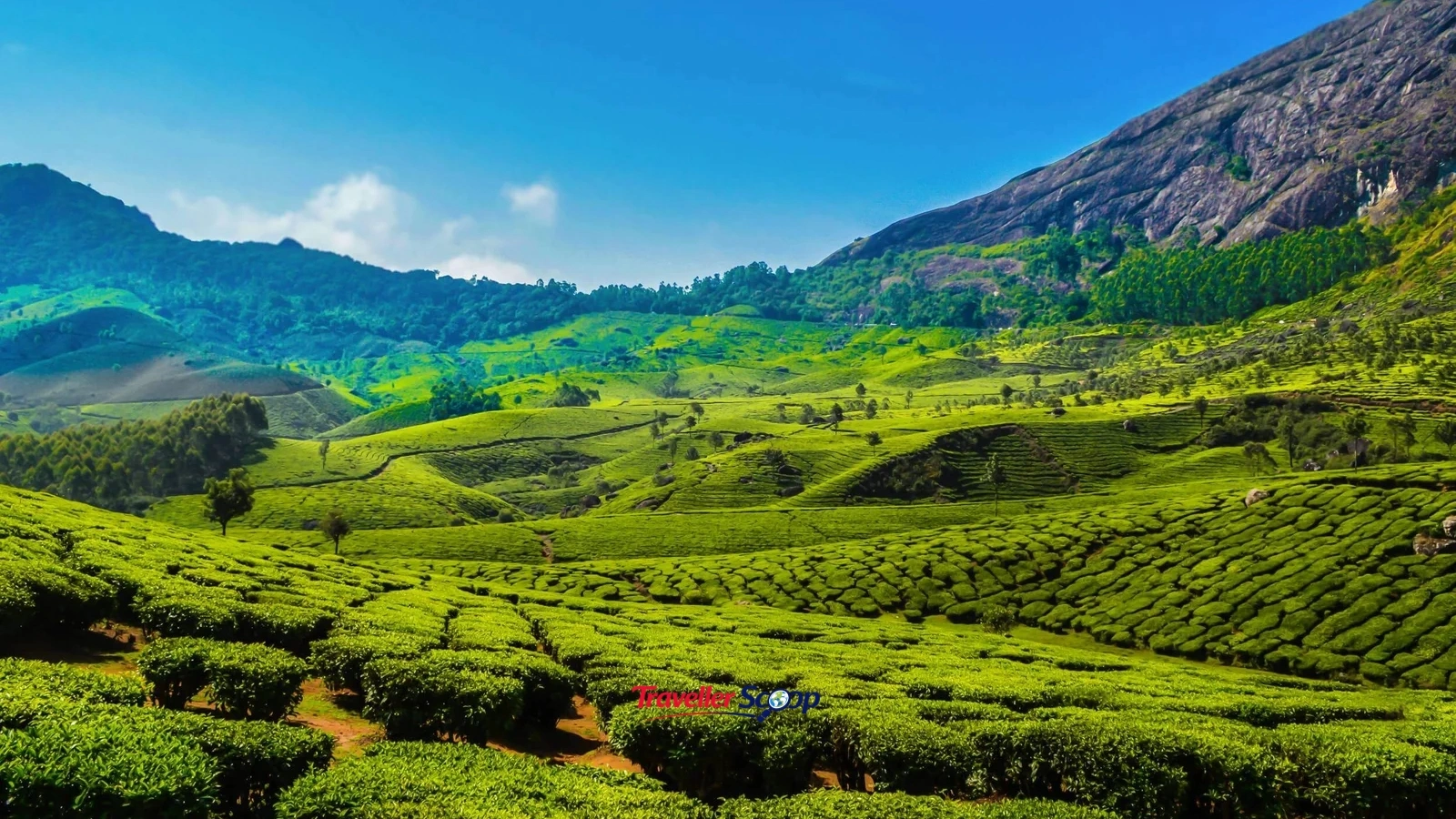
If you’re based in South India and don’t want to trek across the country for a cheap mountain break, Munnar in the Western Ghats delivers the same value equation as its northern counterparts, just with tea estates instead of pine forests.
Average daily budget: ₹800–₹2,000
- Homestays among tea plantations: ₹700–₹1,500/night
- Full meals starting around ₹100
- Local sightseeing (Mullayanagiri-style viewpoints, Attukal waterfalls): mostly free or under ₹50 entry
Munnar also happens to be one of the more genuinely affordable hill stations for students in India, since Kerala’s public transport (KSRTC buses) connects most attractions for a fraction of private-cab pricing.
Best time to visit:
September–March, avoiding the heaviest monsoon weeks (June–August).
Cost Comparison at a Glance
| Hill Station | Daily Budget (₹) | Best For |
|---|---|---|
| Kasol | ₹700–₹1,500 | Backpackers, solo travellers |
| Lansdowne | ₹900–₹1,800 | Delhi weekend trips |
| Chopta | ₹2,500–₹3,500 | Trekkers, offbeat seekers |
| Mussoorie (Landour side) | ₹1,200–₹2,200 | Families, quick escapes |
| Munnar | ₹800–₹2,000 | South India travellers, students |
5 Money-Saving Tips I Actually Use
- Travel in shoulder season (just before or after peak months) — hotel rates often drop 30–40%.
- Book homestays over hotels — they’re cheaper and usually include home-cooked meals.
- Use shared cabs/local buses instead of private taxis for the last-mile stretch from the nearest railway station or airport.
- Avoid Mall Road / main market accommodation in touristy hill stations — walk 1–2 km out and prices fall fast.
- Travel in a group of 3–4 to split cab and homestay costs; this alone can bring per-person spending down by nearly half.
If you’re still finalising your route, our complete guide to budget travel tips across India breaks down how to plan an entire multi-city trip without overspending, and our Uttarakhand hill stations travel guide goes deeper into Chopta, Lansdowne, and Mussoorie logistics if you’re combining more than one on this list.
For those heading south instead, check our Kerala budget travel guide for more Munnar-adjacent stays.
Conclusion
A budget doesn’t have to mean a boring trip, if anything, the cheapest hill stations in India often turn out to be the most memorable ones, simply because you’re not stuck inside a resort.
Between Kasol’s backpacker energy, Lansdowne’s quiet pine trails, Chopta’s meadows, Mussoorie’s Landour side, and Munnar’s tea gardens, there’s a low-cost mountain escape for practically every kind of traveller.
Pick the one that matches your travel style, book off-peak where you can, and you’ll come back with a full memory card and a mostly full wallet.
FAQs
Are these hill stations safe for solo female travellers?
Kasol, Mussoorie, and Munnar are generally considered safe and see regular solo traveller footfall, but standard precautions, sharing your live location, avoiding late-night solo treks, and booking verified stays, still apply anywhere.
Which is the cheapest hill station in India overall?
Kasol and Lansdowne consistently rank as the cheapest, with daily budgets as low as ₹700–₹900 if you stick to homestays, local food, and shared transport.
Can I do a hill station trip in India under ₹10,000?
Yes. A 3-day trip to Lansdowne or Kasol for two people, including stay, food, and local transport, can comfortably stay under ₹10,000 total if booked outside peak season.
What is the minimum budget needed per day for a hill trip?
Realistically, ₹700–₹1,000 per day covers a basic homestay, two meals, and local transport in most budget hill stations, excluding the cost of reaching the destination.
Which cheap hill stations are best for students?
Kasol, Munnar, and Lansdowne are especially student-friendly due to hostel-style dorms, discounted local eateries, and easy group-travel options.

Khushi Vaid
Senior Travel EditorI’m Khushi Vaid, a travel writer with over 2 years of experience creating destination guides, travel tips, and travel planning content. At Traveller Scoop, I write about destinations, travel trends, and practical advice to help readers explore the world with confidence.