
Day vs Night Flights: Which Is Better for a Safer Trip?
Day vs night flights is a question I never used to think twice about it until a 2 a.m. departure from Delhi left me staring at the ceiling, wide awake, while everyone around me slept through turbulence I could barely feel.That flight changed how I book every trip now. As someone who flies at least […]

Day vs night flights is a question I never used to think twice about it until a 2 a.m. departure from Delhi left me staring at the ceiling, wide awake, while everyone around me slept through turbulence I could barely feel.
That flight changed how I book every trip now. As someone who flies at least eight to ten times a year for work and leisure, I’ve taken enough red-eyes and enough sunrise departures to have real, first-hand data on what actually happens up there, and it isn’t always what airlines or travel forums tell you.
In this guide, I’m breaking down the day vs night flights debate using real numbers, my own booking history, and what aviation experts actually say, so you don’t have to guess which slot suits your next trip.
If you’ve ever typed “Is it safer to fly at night or during the day?” into Google at midnight before confirming a booking, you’re exactly who I wrote this for.
Day vs Night Flights: What Do These Terms Actually Mean?
Before comparing safety and comfort, let’s get the basics right, because this is where most people confuse “night flight” with “red-eye flight.” A night flight simply means departure or arrival happens between sunset and sunrise.
A red-eye, on the other hand, is a specific type of night flight that departs late at night and lands the next morning, usually on long domestic or international routes. Day flights are the ones scheduled between sunrise and early evening, when the sky is naturally lit.
This distinction matters a lot when you’re weighing day vs night flights for your itinerary, because the “night” category actually includes very different flight experiences depending on route length, layovers, and how many time zones you’re crossing.
Is It Safer to Fly at Night or During the Day?
This is the question I get asked the most, and I used to believe daytime flights were automatically safer, mostly because that’s what “common sense” suggests. But after digging into aviation data and talking to people in the industry, the real answer surprised me.
Commercial airlines run round-the-clock crew rotations specifically so pilots and cabin staff never operate on unsafe fatigue levels, regardless of whether they’re flying at 6 a.m. or 11 p.m.
Aviation professionals have repeatedly confirmed there is no separate category of daytime-only pilots, since crews train extensively to operate safely in every lighting condition using instruments, airport lighting systems, and standardized procedures.
In other words, when it comes to commercial aviation specifically, experts say there is essentially no difference in safety between flying during the day or at night, because strict fatigue-management regulations apply around the clock.
Where the “is it safer to fly at night or during the day” question gets more nuanced is in private and general aviation, where visibility genuinely does matter more.
In smaller aircraft, poor night visibility makes it harder to spot obstructions like terrain, which is why beginner private pilots are usually restricted from night flying until they gain additional certification.
But for the commercial flights most of us book on trips, this risk simply doesn’t apply in the same way.
Best Time to Fly to Avoid Turbulence
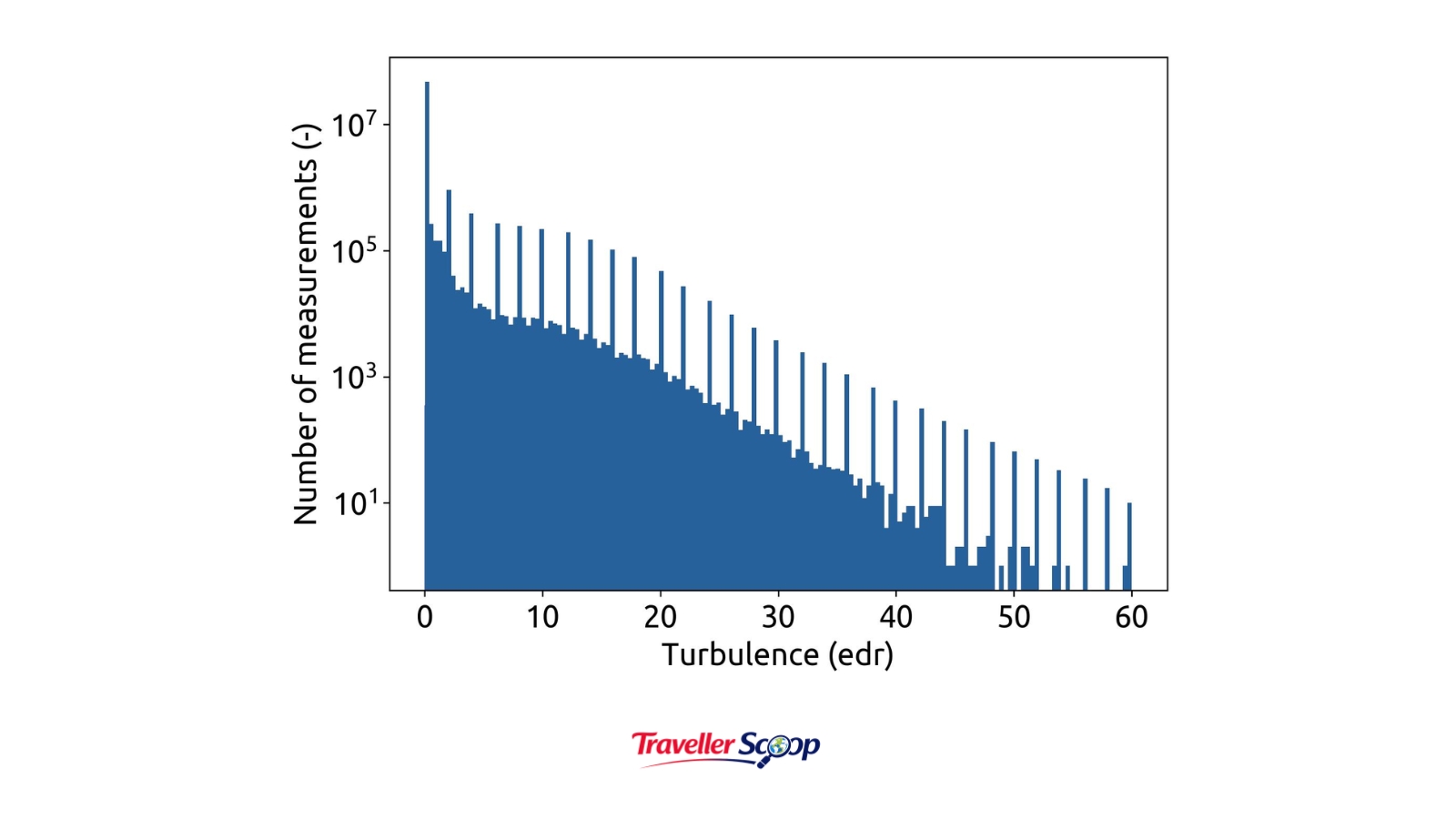
Here’s where the numbers actually favor one side, and it’s the stat I now use every time I book a long-haul ticket. A turbulence-forecasting service called Turbli studied a massive dataset, more than 25 million flight measurements, and found that night flights experience less turbulence overall, particularly at lower altitudes.
The reason comes down to basic physics: turbulence is commonly linked to pockets of warm air, so cooler night-time air reduces the chances of hitting rough patches, especially during takeoff, landing, and short regional routes.
That said, the same research noted the gap narrows significantly once a plane reaches cruising altitude, so on longer international sectors the difference becomes minimal.
If motion sickness or fear of turbulence is a genuine concern for you, this is the single most useful data point in the entire Day vs Night Flights comparison: book the night slot, especially for shorter domestic hops.
Day Flights: Pros and Cons
I’ve taken enough early-morning departures to know they come with a specific trade-off, you gain visibility and predictability, but you sacrifice a full day.
Pros of flying during the day:
- Better natural visibility for both crew and passengers, especially useful on scenic routes.
- Easier to stay on your existing sleep schedule since you’re not fighting your body clock.
- Generally fewer weather-related evening delays that build up as the day progresses.
- You land with daylight still available, which makes navigating a new city on arrival far less stressful.
Cons of flying during the day:
- You lose an entire working or sightseeing day to travel.
- Airports are busier, so security lines and boarding tend to take longer.
- Domestic short-haul day flights are statistically more likely to hit low-altitude turbulence than the same route at night, based on the Turbli findings above
Night Flight vs Day Flight Pros and Cons: The Sleep and Comfort Factor
This is where the night flight vs day flight pros and cons debate gets personal, because comfort matters as much as safety once you’ve already established both options are equally secure.
Pros of night flights:
- You can sleep through most of the journey and, if you manage it well, land refreshed instead of losing a day to travel.
- Airports are quieter, so check-in and security move faster.
- Lower turbulence risk on short-to-medium routes, per the data above.
- Often cheaper, red-eyes and late-night departures are frequently discounted compared to peak daytime slots.
Cons of night flights:
- Genuine, uninterrupted sleep on a plane is hard, and poor sleep quality can trigger grogginess on arrival.
- Long-haul night flights combined with limited movement and cabin pressure changes carry a higher risk of deep vein thrombosis for some travelers, so getting up periodically matters more here than on day flights.
- If you’re crossing multiple time zones, jet lag tends to hit harder after an overnight flight because your body clock gets confused twice, once from the flight itself and once from the new time zone.
Quick Comparison Table: Day vs Night Flights
| Factor | Day Flights | Night Flights |
|---|---|---|
| Overall Safety | Equal | Equal |
| Turbulence Risk (Short Routes) | Slightly higher | Slightly lower |
| Ticket Price | Usually higher | Often 10–20% cheaper |
| Sleep Opportunity | Minimal | High (if managed well) |
| Airport Crowds | Busier | Quieter |
| Best For | Sightseeing on arrival, scenic routes, first-time travelers | Long-haul flights, budget travelers, overnight business trips |
Overnight Flight Tips for Better Sleep
If you’re leaning toward the night option after this day vs night flights breakdown, here are the overnight flight tips for better sleep that have actually worked for me across dozens of red-eyes:
- Book an aisle or window strategically: window if you want a wall to lean on, aisle if you know you’ll need to get up and move to reduce thrombosis risk.
- Skip alcohol and heavy caffeine before boarding; both disrupt real sleep even if alcohol makes you drowsy initially.
- Carry a proper neck pillow and eye mask rather than relying on the airline’s thin blanket and dim cabin lights alone.
- Set your watch to the destination time zone the moment you board, so your body starts adjusting immediately.
- Avoid heavy meals right before takeoff — a light snack digests faster and helps you fall asleep quicker once cruising altitude is reached.
- Move your legs every 60–90 minutes, even just ankle rotations, especially on flights longer than five hours.
I always plan this alongside my broader travel itinerary because arrival time genuinely changes how the first day of a trip unfolds.
Which Should You Choose? My Honest Recommendation
After weighing every factor in this day vs night flights comparison personally, here’s how I now decide:
- Choose day flights if it’s a short trip, you want to sightsee the moment you land, or you’re traveling with young kids who do better on a normal schedule, this pairs well with the tips in my family travel guide.
- Choose night flights if it’s a long-haul or budget trip, you can sleep reasonably well on planes, and you’d rather save a full day at your destination instead of spending it in transit.
- For safety specifically, both options are equally sound on commercial airlines, the real decision comes down to comfort, budget, and how well you personally sleep sitting up.
Before booking either way, I’d also recommend running your trip through a travel budget calculator to see how the price difference between day and night slots actually affects your overall trip cost and reading through general travel safety tips if this is an international booking.
Conclusion
After genuinely comparing day vs night flights across dozens of my own trips, data from aviation researchers, and real pilot and crew testimonies, my takeaway is simple: safety isn’t the deciding factor here; comfort, cost, and your travel style are.
If you want to land and start exploring immediately, or you’re traveling with kids, day flights make more sense. If you’re chasing a lower fare, a long-haul route, or simply want to wake up already at your destination, a night flight is worth the trade-off in sleep quality.
Whichever you pick, book with your actual trip goals in mind rather than a myth about safety, because on that front, both options genuinely hold up equally well.
FAQs
Is it better to fly during the day with kids?
Yes, most parents find day flights easier with children since it keeps closer to a normal daily schedule and avoids the unpredictability of getting a child to sleep on a plane.
Is it safer to fly at night or during the day?
For commercial flights, both are equally safe. Airlines run strict crew fatigue regulations around the clock, so pilots and cabin crew are never scheduled beyond safe operating limits, regardless of departure time.
What is the best time to fly to avoid turbulence?
Data from a large-scale turbulence study of over 25 million flights suggests night flights, especially on shorter routes, see less low-altitude turbulence because cooler night air reduces the warm-air pockets that typically cause bumps.
Are night flights cheaper than day flights?
Generally yes. Red-eye and late-night departures are usually priced lower than peak daytime slots because demand is lower, though this varies by route and season.
Do night flights cause more jet lag than day flights?
It can feel that way on long-haul international routes, since your body clock is disrupted both by the overnight schedule and by crossing time zones. Adjusting your watch early and avoiding heavy meals can reduce the impact.

Khushi Vaid
Senior Travel EditorI’m Khushi Vaid, a travel writer with over 2 years of experience creating destination guides, travel tips, and travel planning content. At Traveller Scoop, I write about destinations, travel trends, and practical advice to help readers explore the world with confidence.