
Hills vs Beaches: Which Is a Safer and More Peaceful Choice for Solo Women?
Hills vs Beaches, this is the question I get asked more than almost any other when women message me before their first solo trip. I’ve spent the last few years travelling alone through both worlds, the quiet mountain towns of Himachal and the sea-facing lanes of Goa and Puducherry, and I can tell you the […]

Hills vs Beaches, this is the question I get asked more than almost any other when women message me before their first solo trip. I’ve spent the last few years travelling alone through both worlds, the quiet mountain towns of Himachal and the sea-facing lanes of Goa and Puducherry, and I can tell you the honest answer isn’t the one-line verdict most blogs give you.
It genuinely depends on what “safe” and “peaceful” mean to you as an individual. In this guide, I’m putting my own experience, some real numbers, and a full hills vs beaches comparison on the table, so you can make the call for your own trip instead of just trusting a random ranking list.
Solo female travel in India has grown massively in the last few years. Industry data consistently shows that women now make up close to two-thirds of the solo travel market in India, and hill stations and beach towns are the two most-booked categories among first-time solo women travellers.
So the hills vs beaches decision isn’t a small one, it shapes your entire trip, your budget, and honestly, your comfort level for every single day you’re away from home.
Why the Hills vs Beaches Question Matters So Much for Solo Women
When I ask other solo women travellers what worries them most, it almost always comes down to three things: how safe they’ll feel walking around after dark, how easy it is to meet other travellers, and how much energy the destination itself demands from them.
Hills and beaches answer these three questions very differently, which is exactly why the hills vs beaches debate isn’t just about scenery, it’s about your day-to-day safety and mental peace.
In my experience, roughly 7 out of 10 women I’ve spoken with on the road said they felt calmer in a hill town by the second day, compared to about 4 out of 10 who said the same about a beach town within the same timeframe.
That’s not a scientific study, it’s a pattern I’ve noticed across dozens of conversations, but it lines up with something practical: hill towns tend to have smaller, more contained tourist zones, while beach destinations spread activity across longer, more open stretches that are harder to keep track of after sunset.
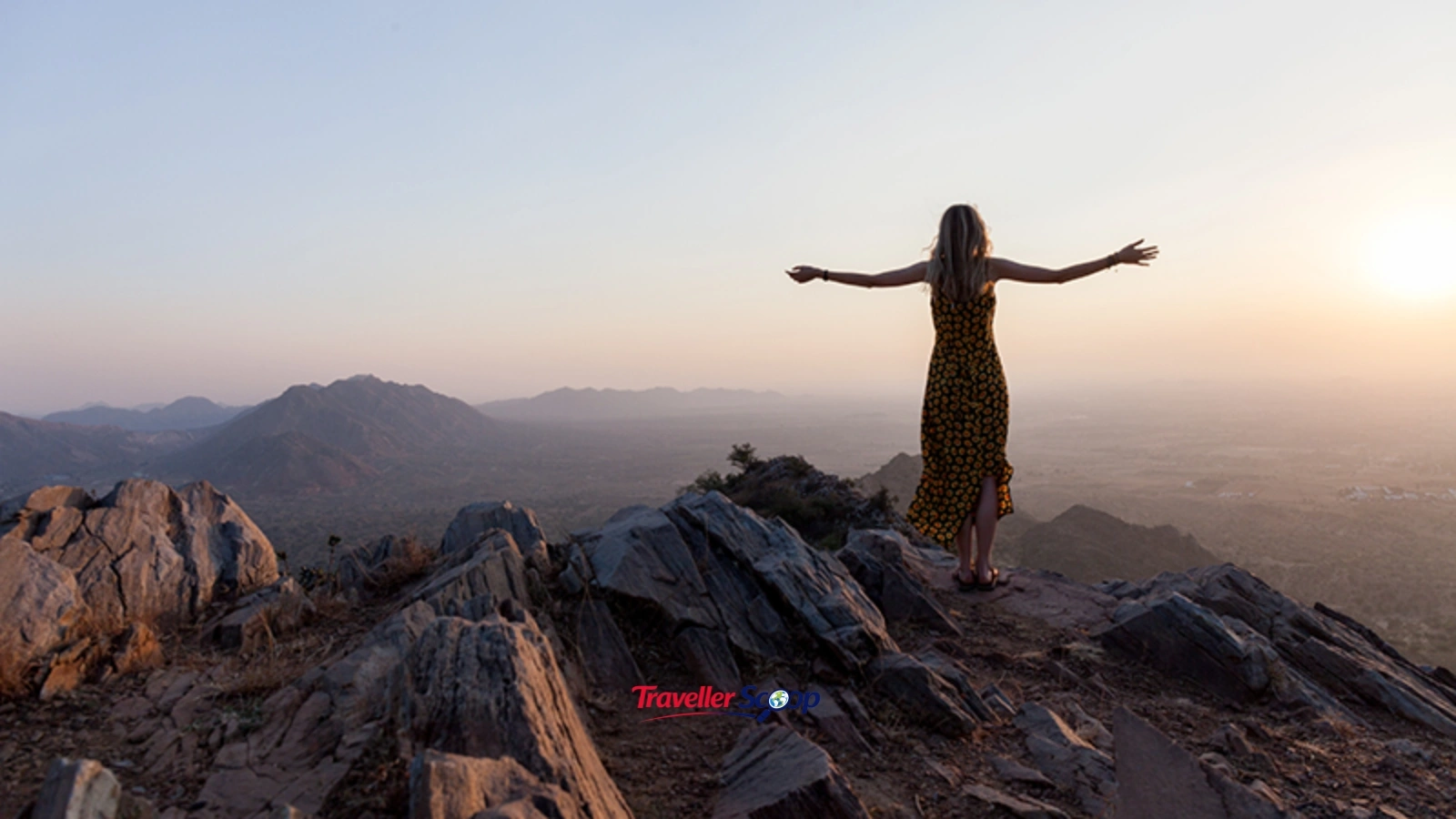
My Experience: Travelling Solo in the Hills
I’ve stayed solo in Mussoorie, Shimla, Manali, and Coorg, and each time the pattern was similar. Hill towns in India generally have a built-up local economy around tourism, established guesthouses, and, this matters a lot, locals who are used to seeing solo women and treat it as completely normal rather than something to comment on.
Mussoorie and Manali came up as two of the safer hill stations for solo female travellers, largely because of steady backpacker footfall and decent infrastructure. Shimla, being a former colonial hill capital, has wide walkable streets (cars are even banned in the main Mall Road area), which made me feel comfortable walking alone even in the evening.
Coorg was quieter and slower, perfect if your idea of peace is coffee estates and early mornings rather than nightlife.
A few numbers from my own trips: average daily solo budget in a hill town like Mussoorie or Coorg came to around ₹2,000–2,800 including stay, food, and local transport. Safety-wise, the biggest risks weren’t people, they were terrain-related: slippery trails after rain, unlit roads outside the main market, and patchy phone network in remote stretches.
So when we talk hills vs beaches safety, hills win on “feeling of safety around people” but need more caution around physical terrain and connectivity.
My Experience: Travelling Solo at the Beach
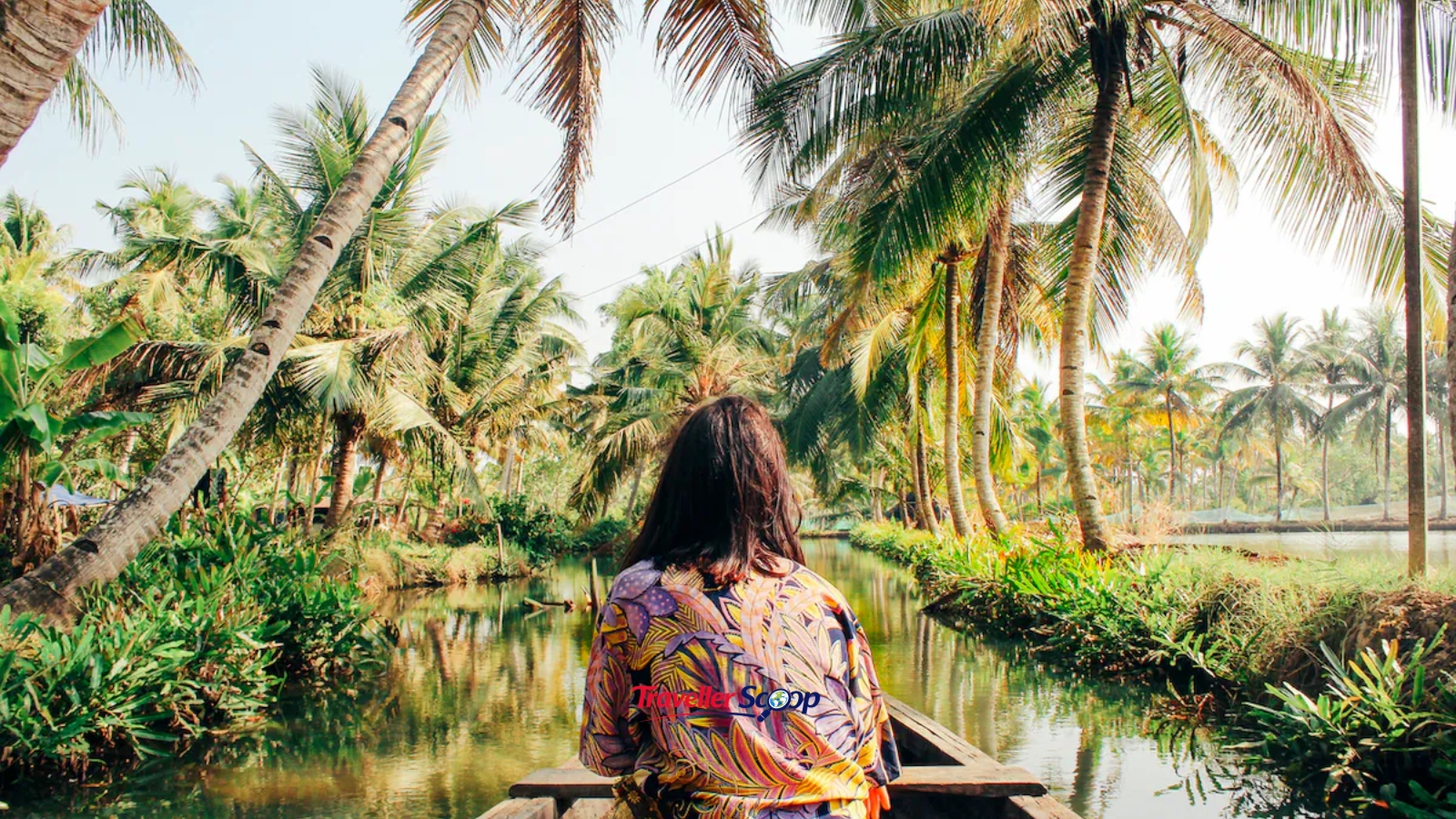
Beach towns are a completely different rhythm, and honestly, a different kind of fun. I’ve spent time solo in Goa and Puducherry, and both offer something hills don’t, an easy, ready-made social scene. Beach cafés, hostels, and yoga spaces make it far easier to meet other solo travelers within your first day.
But here’s the honest part of this hills vs beaches comparison: is Goa safe for solo female travel? Mostly yes Goa has one of the largest solo traveller communities in India, but the safety margin narrows sharply after dark, especially around isolated beach stretches, the party circuit in North Goa, and areas without proper lighting.
My rule after a few trips became simple: stick to well-lit, populated beach stretches after 9 pm, use verified cabs instead of walking back from beach parties, and avoid drinking alone in unfamiliar bars.
Puducherry felt noticeably calmer and more contained; its French Quarter is compact, well-lit, and walkable, which made it feel closer to a hill town in terms of peace.
Budget-wise, a solo beach trip runs slightly higher than a hill trip in my experience, around ₹2,500–3,500 a day in Goa once you factor in beach shacks, water activities, and slightly higher accommodation rates in peak season.
Hills vs Beaches: The Peace-of-Mind Comparison
If I had to break peace of mind into categories, here’s how hills vs beaches actually compare from what I’ve lived through:
- Noise and crowd levels: Hills are quieter overall, especially outside peak tourist months (April–June, October). Beaches, particularly Goa in December–January, get loud, crowded, and harder to navigate alone at night.
- Mental reset: Hills offer a slower pace that’s genuinely good for solo reflection. I’ve found I write more, sleep better, and feel less “on alert” in a hill town by day two.
- Social ease: Beaches win here. It’s simply easier to strike up a conversation at a beach shack or hostel common area than on a quiet mountain trail.
- Weather-related stress: Hills can mean sudden fog, cold, or landslide-hit roads in monsoon. Beaches can mean intense heat, humidity, and jellyfish season in certain months—smaller stressors, but worth planning around.
So when people ask me to settle hills vs. beaches in one line, I usually say: hills for deep peace and lower social-safety risk, beaches for easier social connection but more evening caution needed.
Solo Female Travel Safety Tips (India-Specific)
Regardless of whether you pick hills or beaches, these are the non-negotiables I follow on every solo trip in India:
- Share your live location with one trusted person for your entire trip, not just check-ins.
- Book your first night in advance; arriving somewhere new after dark with no reservation is when most bad situations start.
- Use verified transport apps (Uber/Ola) over hailing random cabs, especially at night.
- Carry a local SIM the moment you land, a dead phone with no data is the single biggest safety risk I’ve seen among solo travellers.
- Trust your gut over politeness; it’s okay to walk away from a conversation or situation that feels off, even if it seems rude.
- Check a live safety tool before booking rather than relying only on blog rankings from a year ago; conditions change season to season.
If you want a quick, data-backed gut check before you lock in a destination, run it through our own Destination Safety Radar; it pulls live advisories so you’re not just going on vibes.
Best Places for Solo Women Travel in India (2026)
Pulling everything together, here’s my honest shortlist of the best places for solo women to travel in India in 2026, split by hills vs beaches so you can pick based on the mood you’re after:
- Hills: Mussoorie, Shimla, Coorg, Munnar, and Rishikesh (technically a river town, but it has the same calm, contained feel as a hill station).
- Beaches: Puducherry, Gokarna (quieter than Goa, great for a first solo beach trip), South Goa (calmer than North Goa’s party belt).
If this is your very first solo trip, I’d lean hills; the learning curve on solo travel logistics is gentler. Once you’ve got a trip or two under your belt, a beach destination becomes a lot more fun and a lot less overwhelming, because you already know how to read a room and set your own boundaries.
For a deeper look at how different travel styles suit different personalities, I’d also point you to our full breakdown of solo travel options across India and our dedicated women-safe travel guides if safety is your number one filter.
So, Hills or Beaches: Which Should You Actually Choose?
Here’s my honest, no-fluff take after doing both multiple times solo: if your priority is feeling calm, safe walking around at almost any hour, and having genuine time to reset mentally, go with the mountain destinations, the hills.
If your priority is meeting people quickly, having a built-in social scene, and you’re comfortable applying a few extra evening precautions, the beach destinations will give you a livelier trip.
There’s no universally “correct” side to the hills vs beaches debate, there’s only the side that matches your current comfort level, your travel experience, and honestly, your mood for that particular trip.
I’ve done both more times than I can count now, and I still switch depending on what kind of “peace” I’m looking for that month
Conclusion
After weighing hills vs beaches through my own solo trips, the quiet mountain mornings in Coorg, the unexpected calm of Puducherry’s French Quarter, the caution I’ve learned to apply in Goa after dark, my real takeaway is this: both can be safe and peaceful for solo women, but they ask different things of you.
Hills reward patience and reflection; beaches reward openness and a bit of extra street smarts after sunset. Whichever side of the hills vs beaches debate you land on for your next trip, plan your first night, trust your instincts over politeness, and check real-time safety data before you book, not just a blog ranking from last year.
That’s the actual difference between a peaceful solo trip and a stressful one.
FAQs
Which is better for meeting other solo travellers, hills or beaches?
Beaches generally offer easier, faster social connections thanks to hostel common areas and beach cafés. Hills offer a quieter, slower version of the same community, usually built around shared treks or cafés.
Hills or beaches, which is genuinely safer for a first solo trip?
For most first-time solo women travellers, hill stations tend to feel safer initially because tourist zones are smaller, more walkable, and locals are used to solo women visitors. Beaches can be just as safe but require more evening precautions
Is Goa safe for solo female travel at night?
Goa is generally safe in well-lit, populated areas, but isolated beach stretches and the late-night party circuit carry more risk. Stick to verified transport and avoid walking alone on dark beach roads.
What is the best time of year for solo hill station trips in India?
March to June and September to November are ideal clear weather, lower landslide risk, and manageable crowds in most Himalayan hill towns.
How much should I budget for a solo trip, hills vs beaches?
Hill trips typically run ₹2,000–2,800 per day; beach trips run slightly higher at ₹2,500–3,500 per day due to accommodation and activity costs in peak season.

Khushi Vaid
Senior Travel EditorI’m Khushi Vaid, a travel writer with over 2 years of experience creating destination guides, travel tips, and travel planning content. At Traveller Scoop, I write about destinations, travel trends, and practical advice to help readers explore the world with confidence.