International Travel Updates for Indians: 5 Big Changes in Visa Fees & Travel Rules
International travel updates for Indians is something I always check before planning any trip abroad because travel rules change very quickly these days. A small rule change can impact your budget, route, and entry process, from new visa fees to new travel rules.In recent months, many countries have implemented new measures for Indian travelers, which are […]

International travel updates for Indians is something I always check before planning any trip abroad because travel rules change very quickly these days. A small rule change can impact your budget, route, and entry process, from new visa fees to new travel rules.
In recent months, many countries have implemented new measures for Indian travelers, which are quite crucial if you have an international trip planned in the near future. Since I travel a few times each year, I learned long ago to pay attention to these updates; ignoring them can create last-minute chaos at airports or surprise expenses when applying for a visa.
In some countries, entry has been simplified; in others, visa fees have become more expensive or new digital forms are required. But there are also alterations to your flight routes and border processes that affect how well your journey goes.
In this article, I will explain five key updates in layman’s terms so that you can plan, save money, and avoid nasty surprises during your next international trip.
Read more: https://travellerscoop.com/best-international-trips-for-indians/
Are there new visa rules for Indians?
Yes, many new visa rules for Indians and significant travel updates differing from country to country could easily have a direct impact on how we plan our international trips in 2026.
Governments are re-systematizing to digitalize, secure, and systematize immigration. As a result, travelers coming to India will see changes not only in terms of visa fees but also in the entry, transit, and immigration process.
The features in these updates primarily include enhancements and developments across four key aspects:
- Transit policies: Relaxing or tightening airport rules depending on the route and nationality; some countries are loosening transit visa requirements.
- Digital entry forms: In many destinations, digital immigration declarations are required ahead of arrival or are QR-based at airports, forcing us towards a more technology-embedded travel experience.
- Visa fee changes: Many have changed their visa fees, especially long-stay, multi-entry, and business visa categories, which makes the overall cost of travel high.
- Immigration Systems: Traditional passport stamping is gradually being supplanted in favor of biometric systems such as fingerprint scans and facial recognition to increase border security and tracking.
All in all, these changes fall under an international travel update for Indians, where nations have opened up travel more easily in one space but gone tougher on another.
The following are the essential country-wise updates any traveler should be aware of before booking an international flight to ensure they have nothing impeding their trip.
1. France removes airport transit visa requirement for Indians
Another significant addition in France to the global travel update for Indian nationals is of huge benefit to repeat travelers/transit passengers.
Getting through France was once synonymous with putting in the extra time. Sometimes, even if I were just transferring flights and not going out of the airport, I would have to apply for an airport transit visa. It made travel planning even more stressful, particularly when booking connecting flights for Europe, the US, and elsewhere.
However, there is a major upgrade in the system.
Indian passport holders transiting through France only and staying within the international transit area of the airport will not require an airport transit visa from 10 April 2026.
It smooths foreign travel and is a step in the right direction towards simplifying new rules for the granting of various visas to Indians.
What Changed (Update On The France Transit Rule):
- No more airport transit visas for Indian travellers travelling via France
- Does not apply when you are exiting the airport transit zone.
- Thus, the rule is applicable with effect from 10 April 2026 onwards
- Also Read | Latest International Air Travel Updates For Indians To Make Transit More Hassle-Free
This is how this breaks down in simple terms:
- The great thing is that there is no extra visa paperwork; you can change flights in France.
- You will need to stay in the international transit area only
- This rule kicks in when you’re traveling to a third-country destination
- Quicker and more user-friendly transit via French airports
- Connecting flights are a bit easier to book through France.
Why this update is important:
- For those who need many visa papers, their approval took much time
- It cuts down the time required to plan an international trip.
- Allows for more flexible connections through France
- Can help alleviate travel stress and booking difficulty
- Enhances overall efficiency for long-haul travellers flying in or out of India
All in all, this change is a very welcome addition to the international travel update for Indians, particularly those who regularly transit through European hubs.

2. Vietnam introduces digital immigration
One of the key recent developments with the entry processes in Vietnam is an international travel update involving Indians. This is mainly for travelers arriving at Ho Chi Minh City and is aimed at creating more digitization and organization in immigration.
As of now, travelers coming to Tan Son Nhat International Airport must perform an electronic sea entry visa declaration before arrival. Under the newly issued travel rules, this is part of Vietnam paving its path toward a more coherent and technology-based immigration system.
This is not a new visa system but an additional step that could help to streamline processing at the point of arrival.
Update on Vietnam’s travel rule (Ho Chi Minh City):
- Vietnam has launched a digital immigration declaration
- Voice includes travellers to Ho Chi Minh City (Tan Son Nhat Airport)
- The effective date of the rule is 15 April 2026
- This forms part of the wider digital entry systems for Indians travelling anywhere in the international travel updates.
- The intent is to simplify, systematize, and digitalise immigration
Things I noticed about this rule:
- This is NOT instead of the e-visa system
- Fanatics is an extra step to visa approval
- This only refers to passengers entering Ho Chi Minh City.
- This does not apply to travellers who are transiting through Vietnam (with no stay)
- It is primarily aimed at enhancing fine arrival processing practices at immigration counters
How the process works:
The digital declaration must be completed by travelers in one of the following ways:
- Option 1: Complete the form on the official portal online before departure
- Method 2: Continue the QR code and complete the form at the airport where you arrive
The form generally includes basic information like the following:
- Personal information
- Passport details
- Travel information
- Information on where you land and your stay in Vietnam
Why this update matters:
- It adds a step before passing through immigration
- Facilitates faster processing at the airport once you reach
- Lowering Manual Paperwork at Immigration Counters
- Better organised with new visa laws for Indians and other travellers
- If it is neglected, then you may face a delay at immigration checkpoints
My takeaway:
I have learned that this is one of those small and necessary amendments that travelers overlook, among other extremely important ones, from my experiences with keeping track of the international travel updates for Indians. Failing to fill this out will slow down my entry into Vietnam
Well, this forced me to double-check Vietnam’s entry requirements for flying, especially the one to fly to Ho Chi Minh City.
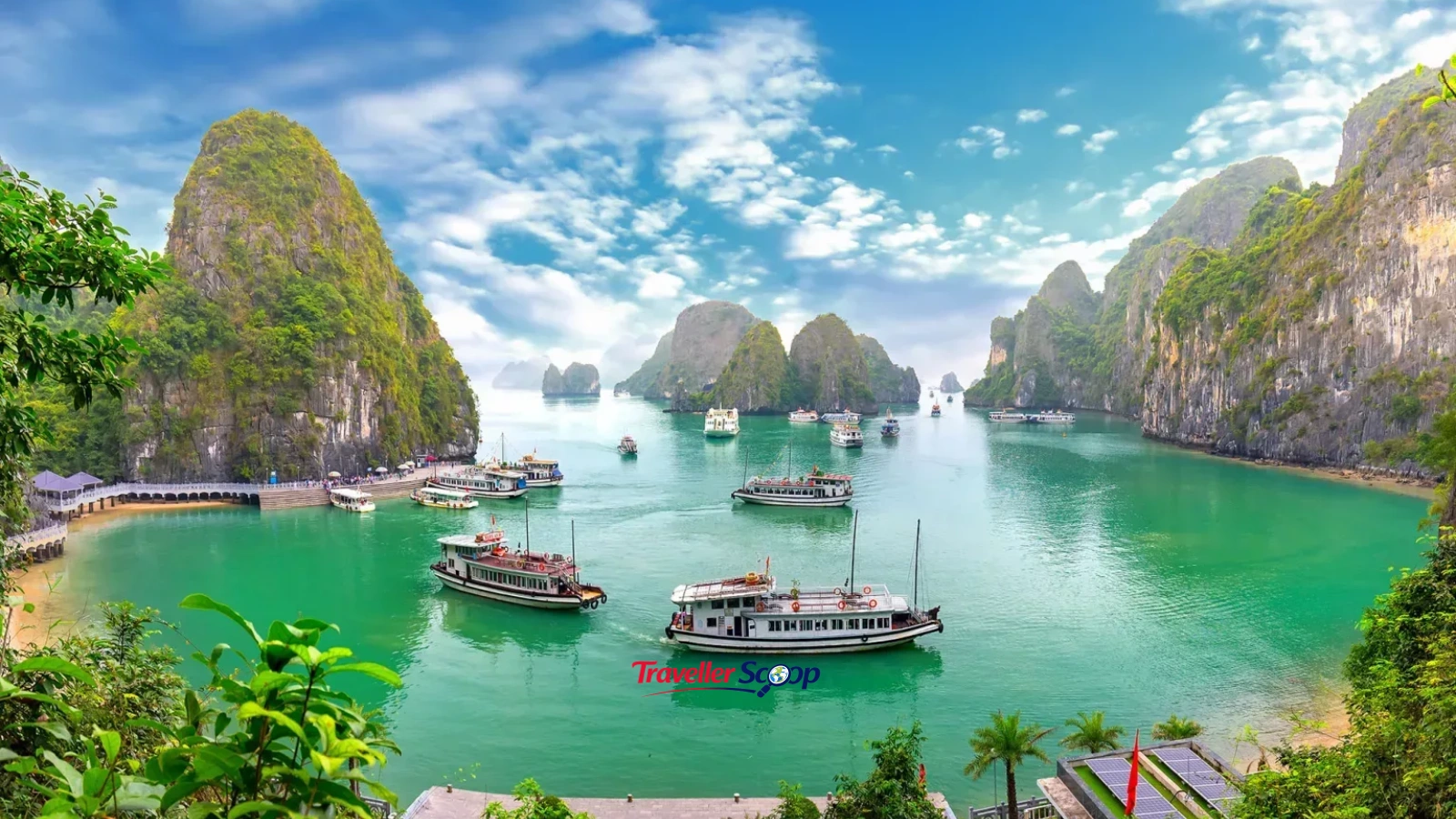
3. Akasa Air launches direct Mumbai-to-Hanoi flights
This is good news in the latest international travel update for Indians, particularly for people flying within Southeast Asia. India has been gradually and progressively adding to its airline connectivity, and Akasa Air’s latest route is a good indicator of this expansion.
Akasa Air has announced an expansion in its international routes, with plans to start direct flights from Mumbai to the Vietnamese capital Hanoi beginning 4 September 2026. This new route will help in decluttering travel for the travelers, both tourists and business travelers, both ways from India to Vietnam.
Previously, getting to Vietnam often involved one or more layovers in cities like Bangkok or Singapore. Which means the journey becomes faster and easier with this recent connection.
Akasa Air Mumbai to Hanoi route Key details:
- Akasa Air directly connects Mumbai & Hanoi
- Service starts on the 4th of September, 2026
- This route will operate 4 times a week
- Vietnam now becomes Akasa Air’s 7th international destination
- Official and travel platforms have already opened bookings.
- That is also a part of the expanding global travel update in India and the Indian boost to global connectivity.
Why is this new route useful?
- Eliminates the need to connect through Bangkok or Singapore
- Allows for seamless travel from one destination to Vietnam, thereby reducing journey times
- Reduces overall journey time significantly
- Reduces travel stress due to lengthy layovers and multiple changes at the airport
- May contribute to lowering the overall price of travel if you book early
The thing I notice about this change for myself:
- Back in the day, you had to transit at least once when going to Vietnam, which made it a tiring neck of the woods trip
- And connections with stop plans also increased the risk of potential delays or missed flights.
- Travel becomes less complicated and more predictable, too, with a nonstop flight now on the table.
- This also makes Vietnam a more enticing place for short trips and cheap (budget) vacations
- This aligns perfectly with the recent trend of new travel guidelines and better connectivity for Indian travelers.
Why this should matter to Indian travelers:
- Improves overall India-Vietnam air connectivity
- Increased tourism between the two nations
- Enables short international getaways within Southeast Asia.
- Decreased reliance on 3rd country transit hubs
- Provides more flexibility in international itinerary planning
All in all, this is a very useful update for the Indian travelers’ overseas travel update, which makes it very efficient to reach Vietnam from their last visit to India.

4. Schengen countries fully launch Entry/Exit System (EES)
That’s one of the touchstones in the latest update on international travel for Indians, especially those planning to visit Europe.
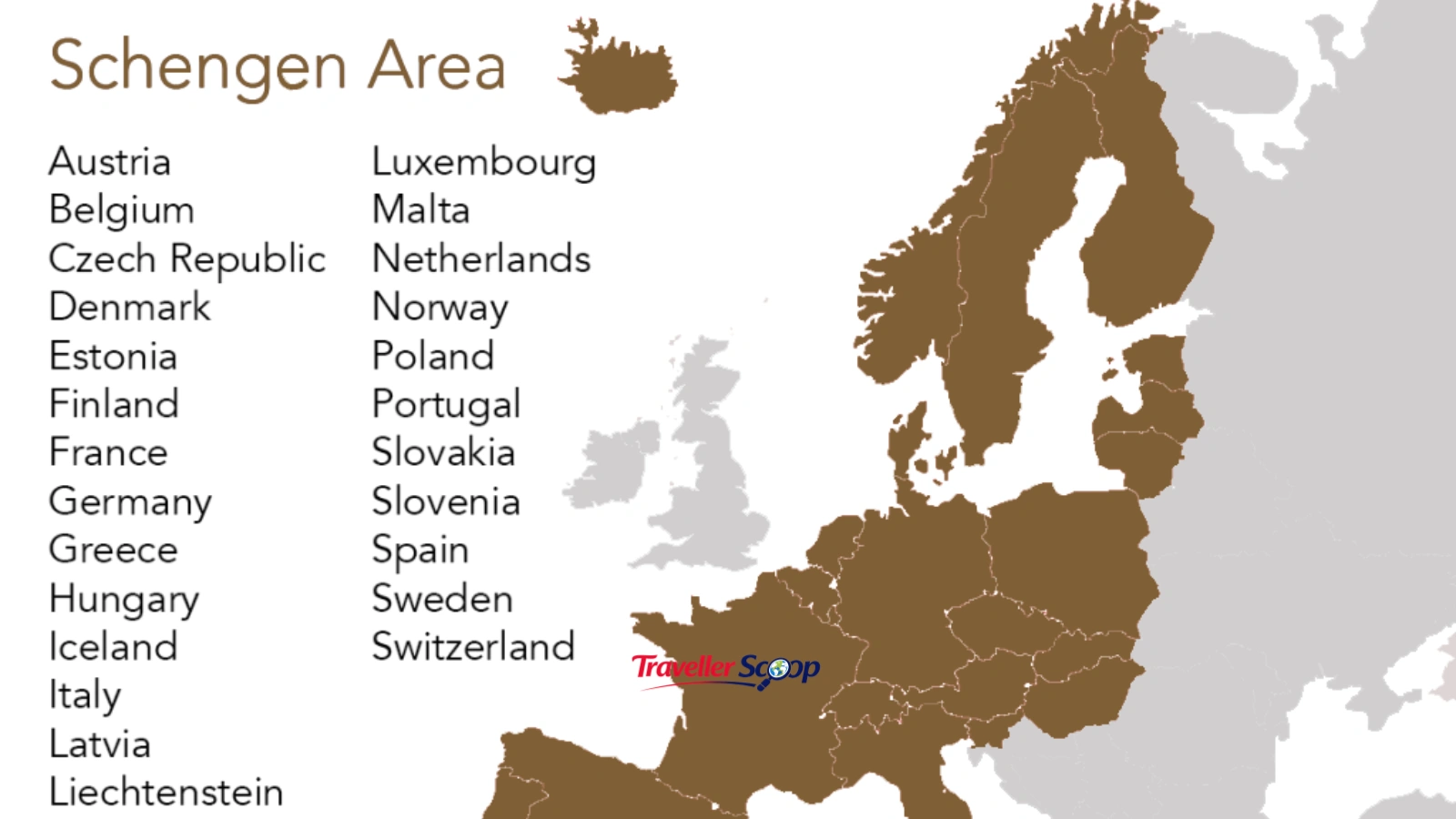
The Schengen area on 10 April 2026 has overtaken a pivotal change in the immigration procedure by abolishing conventional passport stamping and implementing a completely digital border control system called an Entry/Exit System (EES). This writer is one of the biggest new travel rules for Indians heading to Europe over the past 12 months.
To manage entries and exits in a more efficient way, Europe has introduced an electronic-based system to track the moves of travelers; stamps on passports at immigration counters are thus also being phased out.
Which changes have occurred in the Schengen Entry Exit System (EES):
- Passport stamping has been removed entirely
- At the point of entry, patrons have their faces and fingerprints scanned.
- Digital databases now contain all entry and exit records
- Complete biometric registration is needed for first-time entry
- Thus, instead of going through the entire process, only quick verification is done for future visits.
- This is a part of the larger international travel update for citizens heading to the European continent from India
The new EES system covers 29 Schengen countries:
- This incorporates the notable European destinations that Indian explorers consistently visit
- Same digital immigration process at all external Schengen borders
The premise for Europe implementing this new travel rule:
However, one reason for this change from a system perspective is to increase efficiency and security at borders:
- Assists in rapid immigration and border security assessments
- Easier to monitor visa overstays turned violators
- Lower the probability of mistakes in stamping passports
- Enhance internal Border security across Europe
- Establishes an immigration system that is more modern and automatic
My personal takeaway from this update:
- Planning a European trip, immigration will now have a more digitally structured
- Instead of passport stamps, everything will be stored electronically.
- Registered biometrics may also result in slightly slower entry the first time than requested.
- After this, writing future entries should be faster and less cumbersome.
All in all, this indicates the new visa rules for Indians and other travellers are moving towards automation
What this means for Indian travelers:
- Modifications to immigration throughout all Schengen countries
- Ensures travel records are more accurate and less opaque
- Cuts down on physical passport stamp reliance
- Better long-term travel tracking for frequent travellers
Significant milestone towards the traditional update in international travel for Indians
It is a significant milestone in the transition to a fully digital border, and, at the same time, Indian travelers visiting Europe can expect to undergo an improved, but somewhat changed, experience of immigration.
Read more: https://travellerscoop.com/schengen-visa-guide-first-time-travelers/
5. Thailand increases visa fees for long stays
Thailand remains one of the most visited destinations in Asia for Indian travelers, especially for short holidays, beach trips, and quick international vacations. In the latest international travel update for Indians, there is both good news and an important cost change that travelers should be aware of.
The positive part is that visa-free travel for up to 60 days for Indian passport holders remains unchanged, which continues to make Thailand a budget-friendly destination for short trips. However, there is a significant update in the new visa fees for Indians who are planning longer stays or multiple visits.
From 27 April 2026, Thailand has officially revised its visa fee structure across different categories.
Thailand visa update – key details:
- Visa-free entry for up to 60 days remains available for Indians
- New visa fee structure applies from 27 April 2026
- This update is part of the latest international travel update for Indians affecting Southeast Asia travel planning
- Changes mainly impact long-stay, business, and multiple-entry visa categories
New visa fees for Thailand:
- Single-entry tourist visa: ₹3,000
- Multiple-entry tourist visa: ₹13,500
- Transit visa: ₹2,500
- Non-immigrant visas: ₹7,000 to ₹30,000 (depending on category)
- SMART visa: up to ₹1.2 lakh
- Long-Term Resident visa: up to ₹1.4 lakh
What this means for travellers:
- Short holidays under the visa-free limit are still easy and affordable
- Budget travellers planning quick trips will not be affected much
- Longer stays will now require higher visa expenses
- Frequent travellers and business visitors will face increased travel costs
- Overall trip planning for extended stays will need better budgeting and preparation
My personal view on this update:
- If I am going for a short vacation, I don’t need to worry about visa changes
- The visa-free entry option still makes Thailand a convenient destination
- However, for longer stays or repeat visits, the new visa fees for Indians will definitely increase the total travel cost
- I will need to plan my budget more carefully if I intend to stay longer or travel multiple times in a year
This is a clear example of how the international travel update for Indians is balancing easy tourism with stricter long-term visa policies
Why this update matters:
- Keeps Thailand accessible for short-term tourism
- Increases costs for long-term and business travel
- Encourages travellers to plan trips more strategically
- Impacts overall Southeast Asia travel budgeting for Indians
- Highlights the importance of staying updated with new travel rules and visa fees
Overall, Thailand remains a strong and popular destination for Indian travelers, but this update shows that while short trips are still easy, long-term travel will now require more financial planning and awareness.

Conclusion
So, are there new visa rules for Indians? Yes—and they are changing in many ways.
The latest international travel update for Indians shows a mix of easier travel procedures and increased costs. Countries like France are simplifying transit rules, while Vietnam is adding digital steps. At the same time, Thailand has increased visa fees for long stays, and Europe has shifted to biometric immigration systems.
From my perspective, the biggest lesson is simple: international travel is becoming more digital and structured. If I want a smooth journey, I need to stay updated before every trip.
Checking new visa rules for Indians before booking flights is no longer optional—it has become an essential part of travel planning.
Read more: https://travellerscoop.com/european-countries-indians-can-visit
FAQs
1- Are there new visa rules for Indians in 2026?
Yes, several countries have updated their visa and entry systems, including France, Vietnam, Thailand, and Schengen nations.
2- What is the biggest change for Indian travelers in Europe?
The Schengen region has replaced passport stamping with a biometric entry/exit system.
3- Do Indians still need a transit visa for France?
No, a transit visa is no longer required if you stay inside the international airport zone.
4- Has Thailand increased visa fees?
Yes, Thailand has increased visa fees for long-stay and multiple-entry visas.

Khushi Vaid
Senior Travel EditorI’m Khushi Vaid, a travel writer with over 2 years of experience creating destination guides, travel tips, and travel planning content. At Traveller Scoop, I write about destinations, travel trends, and practical advice to help readers explore the world with confidence.