Monsoon vs Winter Travel in India: Which Is More Beautiful?
Monsoon vs winter travel in India is more than just a seasonal debate; it’s a choice between two completely different versions of the country. Let me ask you something honestly: have you ever stood at the edge of Dudhsagar Falls when the monsoon is roaring or watched the fog lift over Jaisalmer’s fort on a January […]
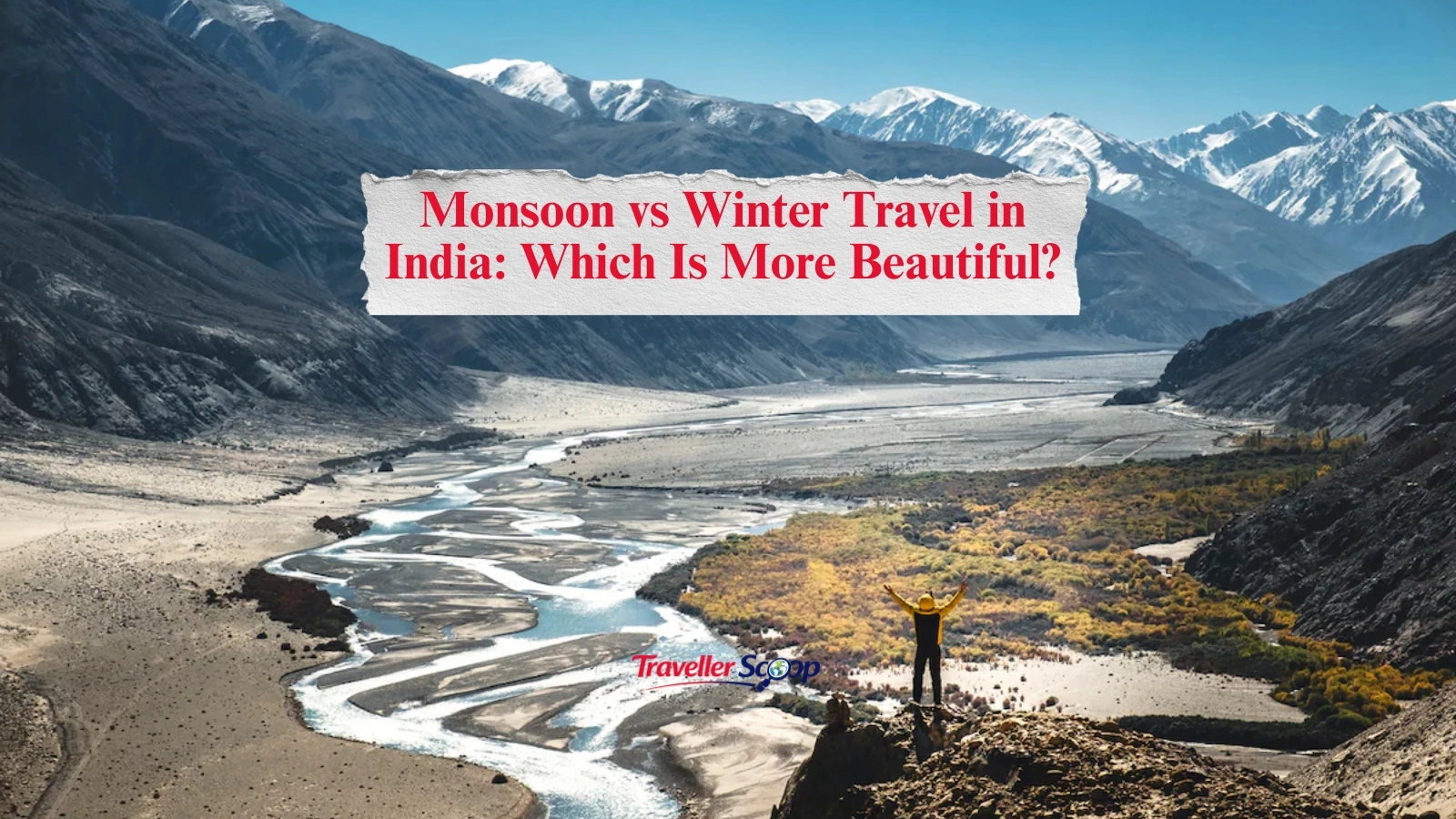
Monsoon vs winter travel in India is more than just a seasonal debate; it’s a choice between two completely different versions of the country. Let me ask you something honestly: have you ever stood at the edge of Dudhsagar Falls when the monsoon is roaring or watched the fog lift over Jaisalmer’s fort on a January morning?
Both of those moments stopped me in my tracks. And that’s exactly why the debate of monsoon vs winter travel in India is one I keep coming back to as a traveler.
India doesn’t do anything halfway. When it rains, it pours, turning dry riverbeds into silver ribbons and turning every hill station into a living painting. When winter arrives, the whole country exhales, the skies turn impossibly blue, and everywhere, from Goa to Varanasi, it feels like it was made for wandering. Both seasons are extraordinary.
But which one is more beautiful for you, the traveler? That’s what I want to explore in this complete guide.
Whether you’re planning your first India trip or your tenth, understanding the difference between monsoon travel in India and winter travel in India can completely change your experience, your budget, your photos, your safety, and the memories you carry home.
Let’s dive deep.
Monsoon vs Winter Travel in India: Which Season Should You Choose?
Before comparing Monsoon vs Winter Travel in India, let’s get the basics right.
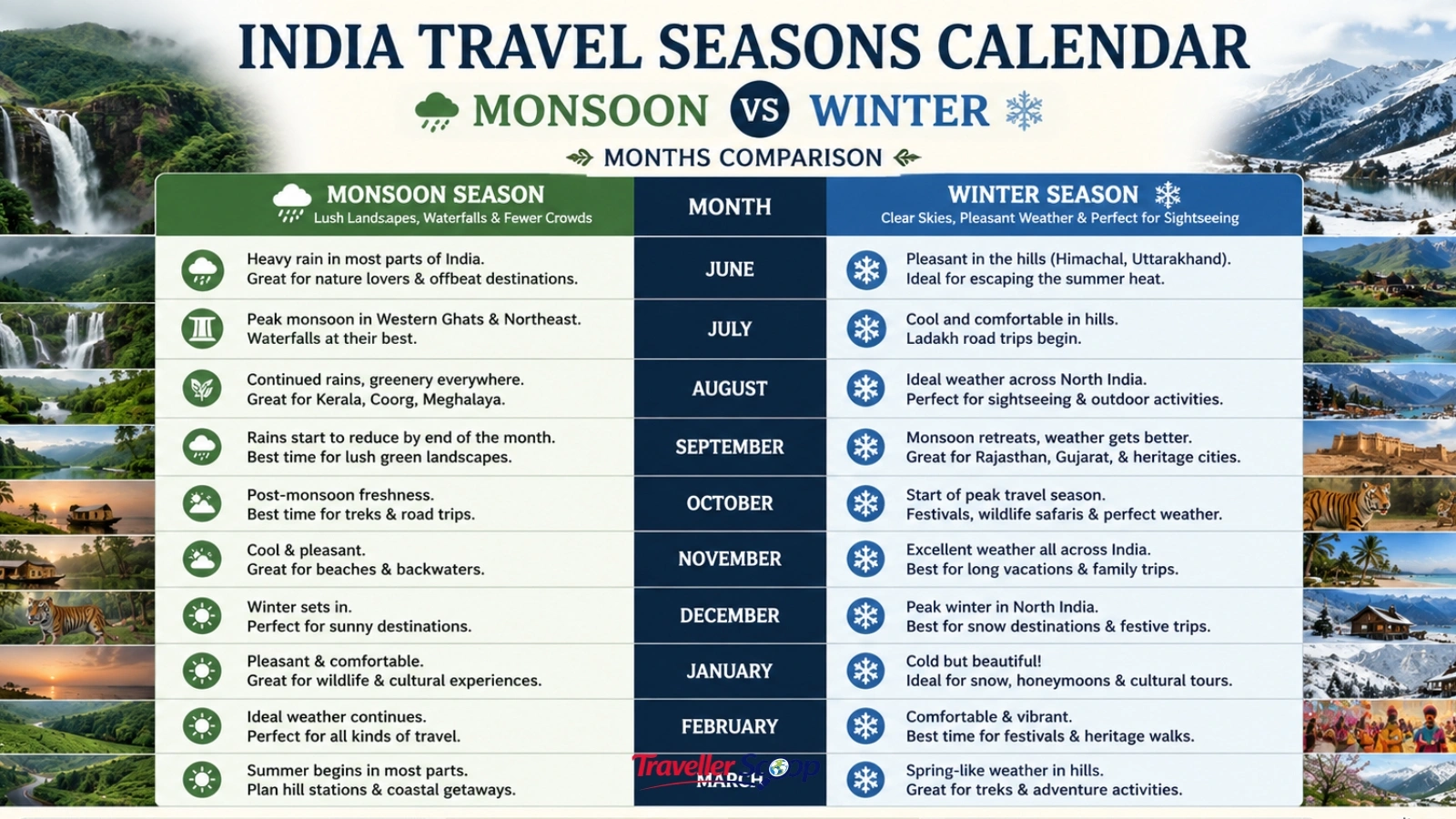
- Monsoon Season: Mid-June to September (Southwest Monsoon). Northeast monsoon affects Tamil Nadu and Andhra Pradesh from October–December.
- Winter Season: October to March (peak months: November–February)
India received 9.66 million international tourists in 2024, and the majority of them visited during the October–March winter window. However, monsoon travel is quietly growing, with budget travellers and slow travellers increasingly choosing the green season.
Monsoon Travel in India: What It Feels Like
Monsoon travel in India feels like stepping into a living postcard, where misty mountains, roaring waterfalls, fresh earth, and endless greenery turn every journey into a magical experience.
1. The Magic No One Talks About
I’ve done monsoon travel in India twice, once in Kerala and once in Meghalaya, and both times, I left feeling like I’d seen a secret version of India. The rain scrubs the air clean, the light is soft and cinematic, and the crowds? They’re gone. Practically non-existent.
Here’s what you can expect:
- Temperature: 24°C–32°C across most regions. Humid but not unbearable.
- Landscapes: Explosive greenery. Waterfalls everywhere. Rivers full and fast.
- Hotel Prices: 30–50% cheaper than peak winter rates.
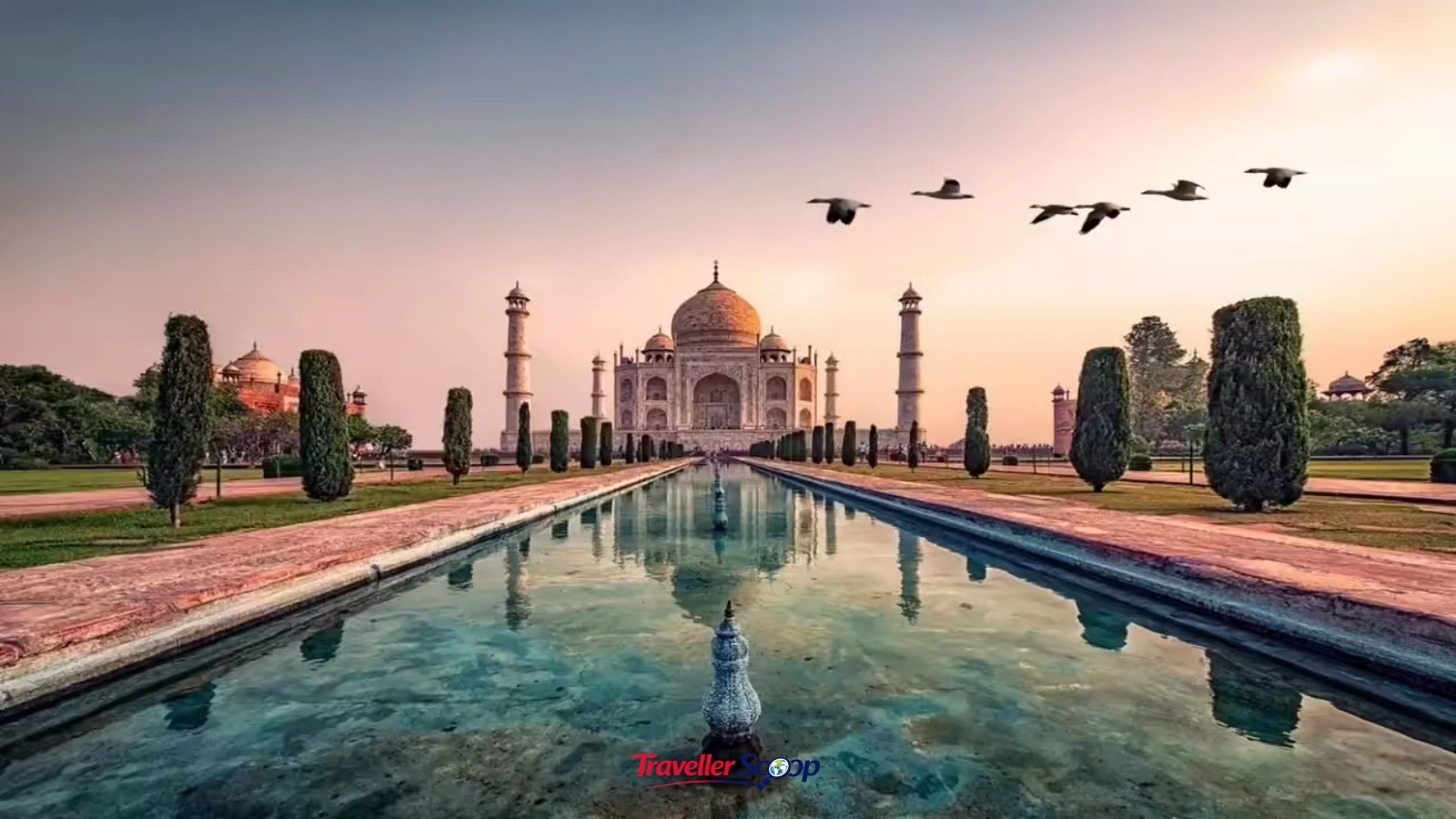
- Crowds: The Taj Mahal, which sees 4+ million visitors annually, is dramatically quieter in July–August.
- Monsoon Months in India for Travel: July and August are peak rain months; September is the sweet spot, rain easing, and green still vivid.
Best Destinations for Monsoon Travel in India
| Destination | Why Go in Monsoon |
|---|---|
| Meghalaya | Cherrapunji — one of the wettest places on Earth — looks absolutely jaw-dropping during monsoon with massive waterfalls and mist-covered hills. |
| Kerala | The backwaters are full and lush, while Ayurvedic retreat and resort prices often drop significantly during the rainy season. |
| Goa | Waterfalls like Dudhsagar Falls are at their most powerful and are best experienced in the monsoon. |
| Coorg, Karnataka | Coffee estates turn emerald green, creating dreamy landscapes perfect for nature lovers and peaceful getaways. |
| Valley of Flowers, Uttarakhand | Valley of Flowers National Park opens only during monsoon months, mainly July and August, when the valley blooms with colorful flowers. |
| Ladakh | Unlike most of India, Ladakh stays surprisingly dry during the southwest monsoon, making it ideal for trekking and road trips |
2. Challenges of Monsoon Travel in India (Be Honest With Yourself)
I’ll be straight with you, monsoon travel in India is not for everyone. Here’s what can go wrong:
- Flooding: Low-lying coastal areas, especially parts of Mumbai, Assam, and Bihar, experience serious flooding. Always check local weather before you go.
- Road closures: Landslides in hilly regions (Himachal Pradesh, parts of Uttarakhand) can block mountain roads for days.
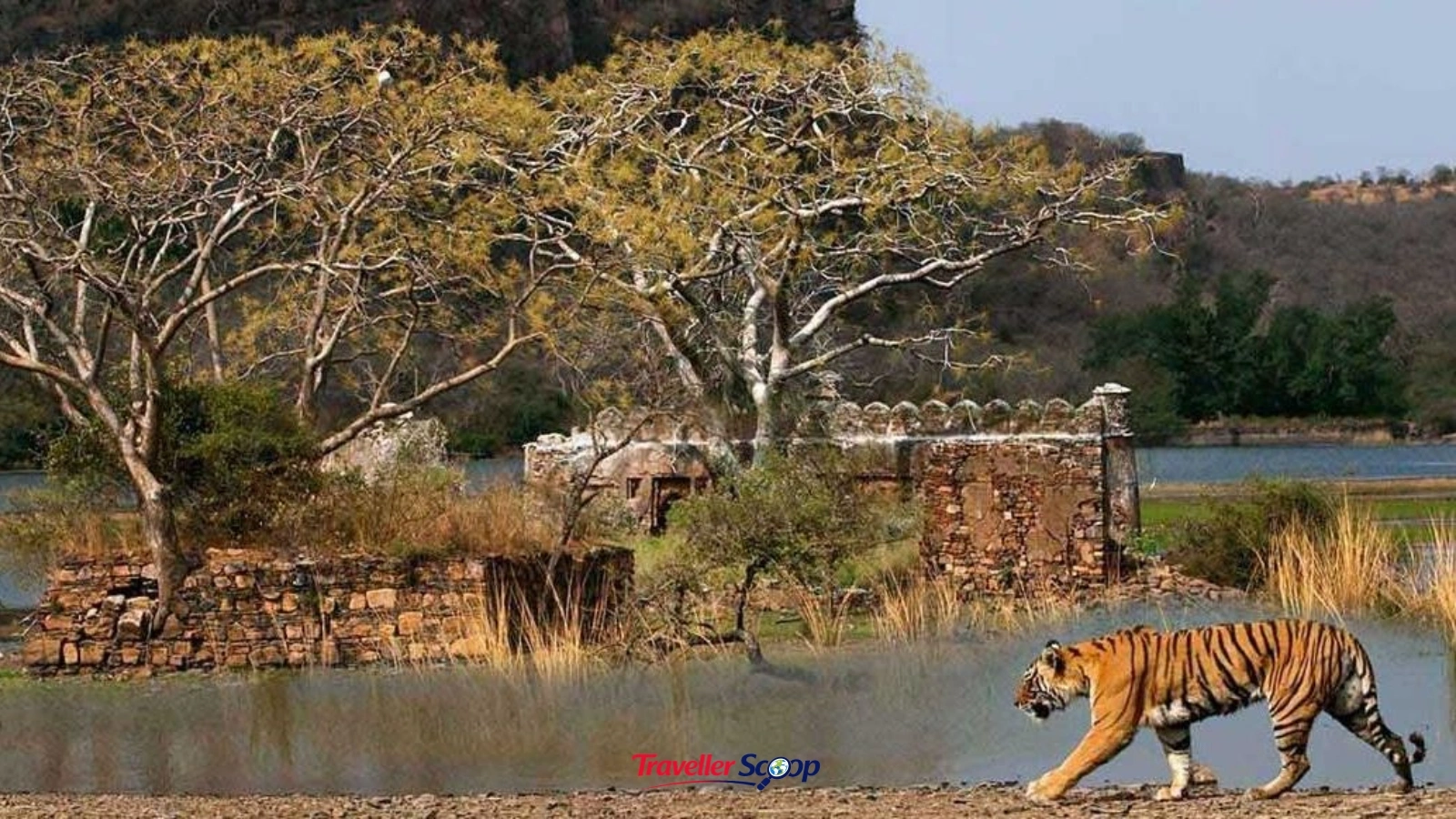
- Wildlife safaris: Many national parks like Jim Corbett and Ranthambore are closed from July to September.
- Humidity: Coastal cities like Chennai and Kolkata can feel oppressively humid.
Winter Travel in India: The Classic Choice
Winter travel in India is the classic choice for travelers who love clear skies, comfortable weather, colorful festivals, and endless opportunities for sightseeing across the country.
1. Why Winter Is India's Peak Season
When people ask me, “What is the best season to travel in India?” nine out of ten times, winter is the safe answer. And there’s a reason for that. India’s travel and tourism sector contributed ₹20.9 trillion (US $249.3 billion) to GDP in 2024, and a massive chunk of that comes from the October–March tourist wave.
Winter in India means the following:
- Temperature: 10°C–25°C in the north; 20°C–30°C in the south. Pleasant nearly everywhere.
- Crystal clear skies for photography: the Himalayas are visible from Shimla.
- Festival season: Diwali, Pushkar Camel Fair, Rann Utsav, Christmas in Goa.
- Wildlife: National parks are open; tiger sightings are at their peak in Ranthambore and Bandhavgarh in December–March.
- Wedding season: Colorful baraat processions in the streets of Rajasthan.
Best Destinations for Winter Travel in India
| Destination | Why Go in Winter |
|---|---|
| Rajasthan (Jaipur, Udaipur, Jaisalmer) | Pleasant 15–22°C weather makes sightseeing comfortable, while camel fairs and desert festivals add a magical cultural experience. |
| Goa | Winter is peak beach season with sunny weather, vibrant nightlife, and famous events like the Sunburn Festival. |
| Kerala Backwaters | Post-monsoon freshness brings clear skies, lush scenery, and perfect houseboat experiences across the backwaters. |
| Varanasi | Watching the Ganga Aarti in the cool winter evening air feels peaceful, spiritual, and truly unforgettable. |
| Rann of Kutch | The famous Rann Utsav takes place from November to February, offering cultural performances, desert camping, and white salt desert views. |
| Andaman and Nicobar Islands | Winter brings calm seas and crystal-clear water, creating ideal conditions for diving, snorkeling, and island hopping. |
2. Challenges of Winter Travel in India
- Prices spike: Hotels in Goa and Rajasthan can be 2x–3x more expensive in December–January vs the monsoon off-season.
- Crowds: Popular monuments, beaches, and hill stations are packed. Book accommodation at least 6–8 weeks in advance for December.
- North India fog: Dense fog in December–January causes train and flight delays across Delhi, Punjab, and UP. Factor in buffer time.
- Very cold in the mountains: Shimla, Manali, and Ladakh see sub-zero temperatures. Pack seriously heavy
Monsoon vs Winter Travel in India: Head-to-Head Comparison
Let’s put them side by side so you can decide which season wins for you:
| Factor | Monsoon (June–Sept) | Winter (Oct–March) |
|---|---|---|
| Beauty | Lush green landscapes, dramatic waterfalls, and moody skies create cinematic views. | Golden sunlight, clear skies, and festive energy make destinations feel vibrant and lively. |
| Budget | Travel is usually 30–50% cheaper with lower hotel and flight rates. | Peak tourist season brings higher hotel, transport, and activity prices. |
| Crowds | Tourist spots remain peaceful with very low crowds. | Popular destinations often become crowded, especially during holidays. |
| Weather Safety | Some regions face flooding and landslide risks during heavy rain. | Weather stays safe, comfortable, and predictable across most of India. |
| Wildlife | Many wildlife parks remain closed during heavy monsoon months. | Best season for tiger sightings and jungle safaris in India. |
| Photography | Perfect for dramatic, misty, and unique travel photography. | Excellent for bright landscapes, sharp photos, and colorful festivals. |
| Beaches | Rough seas and strong waves limit beach activities and water sports. | Calm seas and sunny weather create ideal beach conditions. |
| Waterfalls | Waterfalls are full, roaring, and at their most spectacular. | Most waterfalls become smaller or dry after monsoon ends. |
| Trekking | Some treks become risky due to slippery trails and landslides. | Ideal weather for trekking in most mountain regions. |
| Cultural Festivals | Festivals like Onam and Janmashtami add local cultural charm. | Major celebrations like Diwali, Pushkar Fair, and Christmas create unforgettable travel experiences. |
Which Regions Are Better in Monsoon vs Winter?
This is where monsoon vs winter travel in India gets really nuanced, because India is not one destination; it’s 28 states with wildly different climates.
Go During Monsoon If You’re Visiting:
- Meghalaya, Sikkim, Northeast India: Monsoon is the peak beauty season here.
- Ladakh: Paradoxically dry during the southwest monsoon. Best window: July–September.
- Western Ghats: Kerala, Coorg, and Goa’s hinterland are extraordinarily green.
- Valley of Flowers: Open only in the monsoon.
Go During Winter If You’re Visiting:
- Rajasthan: Camels, forts, and cold desert nights are best experienced in cool weather.
- Goa: Beaches, shacks, and sunsets are a winter-only affair.
- South India Temples: Tamil Nadu, Hampi, Mysore — pleasant and dry.
- Wildlife Sanctuaries: Corbett, Ranthambore, and Bandipur are open and active.
- Andaman Islands: Sea visibility for diving peaks November to April.
Budget Breakdown: How Much Does Each Season Cost?
One of the biggest practical differences in monsoon vs winter travel in India is your wallet.
Average Monsoon Travel Budget (per person, per day):
- Budget backpacker: ₹1,200–1,800/day
- Mid-range traveller: ₹3,000–5,000/day
- Luxury: ₹8,000–15,000/day
Average Winter Travel Budget (per person, per day):
- Budget backpacker: ₹1,800–2,800/day
- Mid-range traveller: ₹5,000–9,000/day
- Luxury: ₹15,000–40,000+/day
A 3-night stay at a heritage hotel in Udaipur during December can cost ₹18,000–₹25,000, while the same room in July–August might go for ₹8,000–₹12,000. That’s a significant saving for the same experience.
Photography: Which Season Gives Better Travel Photos?
This is genuinely a tough call, and as someone who travels with a camera, I think about this a lot.
Monsoon photography wins: Waterfalls at peak flow, vivid emerald landscapes, dramatic storm clouds, moody light, reflections in flooded fields, empty monuments. If you shoot landscape or fine art travel photography, monsoon is a dream.
Winter photography wins: Sharp Himalayan peaks, golden fort light, festival colors, wildlife portraits in warm afternoon light, fog over Varanasi at dawn. If you shoot architecture, wildlife, or street photography, winter is unbeatable.
My honest recommendation: budget travelers who love photography should seriously consider Monsoon. You’ll get unique shots with zero crowd interference, and you’ll spend significantly less.
What About Shoulder Season? (October–November
If monsoon vs winter travel in India feels like too stark a choice, consider the shoulder season of October–November. This is genuinely the sweet spot:
- The monsoon has retreated from most of North and Central India.
- Greenery from the rains is still vivid — not yet dry.
- Temperatures begin dropping pleasantly.
- Prices are just starting to rise but are not yet at their peak.
- Diwali and Navratri create a festival atmosphere.
October–November is arguably the single best month combination to visit India if you want beauty, comfort, and reasonable prices.
Conclusion
After everything I’ve seen and experienced, here’s my honest take:
Winter wins for first-timers. The weather is forgiving, the experiences are iconic, and the cultural depth of India is easiest to access in the cool, festive October–March window. If you’re planning your first India trip, go in winter, especially in November or February.
Monsoon wins for adventurers and budget travelers. If you’ve already done the Golden Triangle, if you want to see a completely different, wilder, greener India, if your budget is limited, or if you simply want to avoid the crowds, the monsoon is waiting for you with open, rain-soaked arms.
And honestly? Monsoon vs winter travel in India is the wrong question if you’re trying to find one perfect answer. India’s magic is that it offers you two completely different countries, depending on when you arrive.
Wherever and whenever you go, the chai will be hot, the colors will be vivid, and India will surprise you.
FAQs
Is November a good time to visit India?
November is one of the best months to visit India. The monsoon has ended across most of India, temperatures are pleasant (18°C–28°C), greenery is still lush, and the festival season (Diwali, Pushkar Fair) makes it culturally vibrant. It's the sweet spot between monsoon and peak winter.
Is monsoon travel in India safe?
Yes, with careful planning. Avoid flood-prone low-lying coastal areas and mountain roads prone to landslides. Stick to destinations like Meghalaya, Kerala, Ladakh, and the Western Ghats where monsoon is manageable and beautiful.
Which is cheaper, monsoon or winter travel in India?
Monsoon is significantly cheaper. Hotel rates can be 30–50% lower compared to peak winter months (December–January). Flight prices also tend to be lower during the monsoon off-season.
What are the best places to visit in India in winter?
Rajasthan (Jaipur, Jodhpur, Jaisalmer, Udaipur), Goa, Kerala, Varanasi, the Andaman Islands, Rann of Kutch, and South India's temple towns (Madurai, Hampi, Mysore) are all spectacular in winter.
Can I visit national parks during monsoon in India?
Most major national parks — including Ranthambore, Jim Corbett, Bandhavgarh, and Bandipur — are closed during July–September for the monsoon. However, Valley of Flowers National Park in Uttarakhand opens only in this period (July–August).

Khushi Vaid
Senior Travel EditorI’m Khushi Vaid, a travel writer with over 2 years of experience creating destination guides, travel tips, and travel planning content. At Traveller Scoop, I write about destinations, travel trends, and practical advice to help readers explore the world with confidence.