
Essential Power Bank Packing Tips for Smooth & Stress-Free Travel
Power bank packing tips are the one thing most travelers overlook until their phone dies mid-journey, Google Maps stops working, and they’re stranded in an unfamiliar city. I’ve been there. Having traveled the world for years and sharing my experiences here on TravellerScoop, I can assure you that knowing how to pack a power bank is equally […]
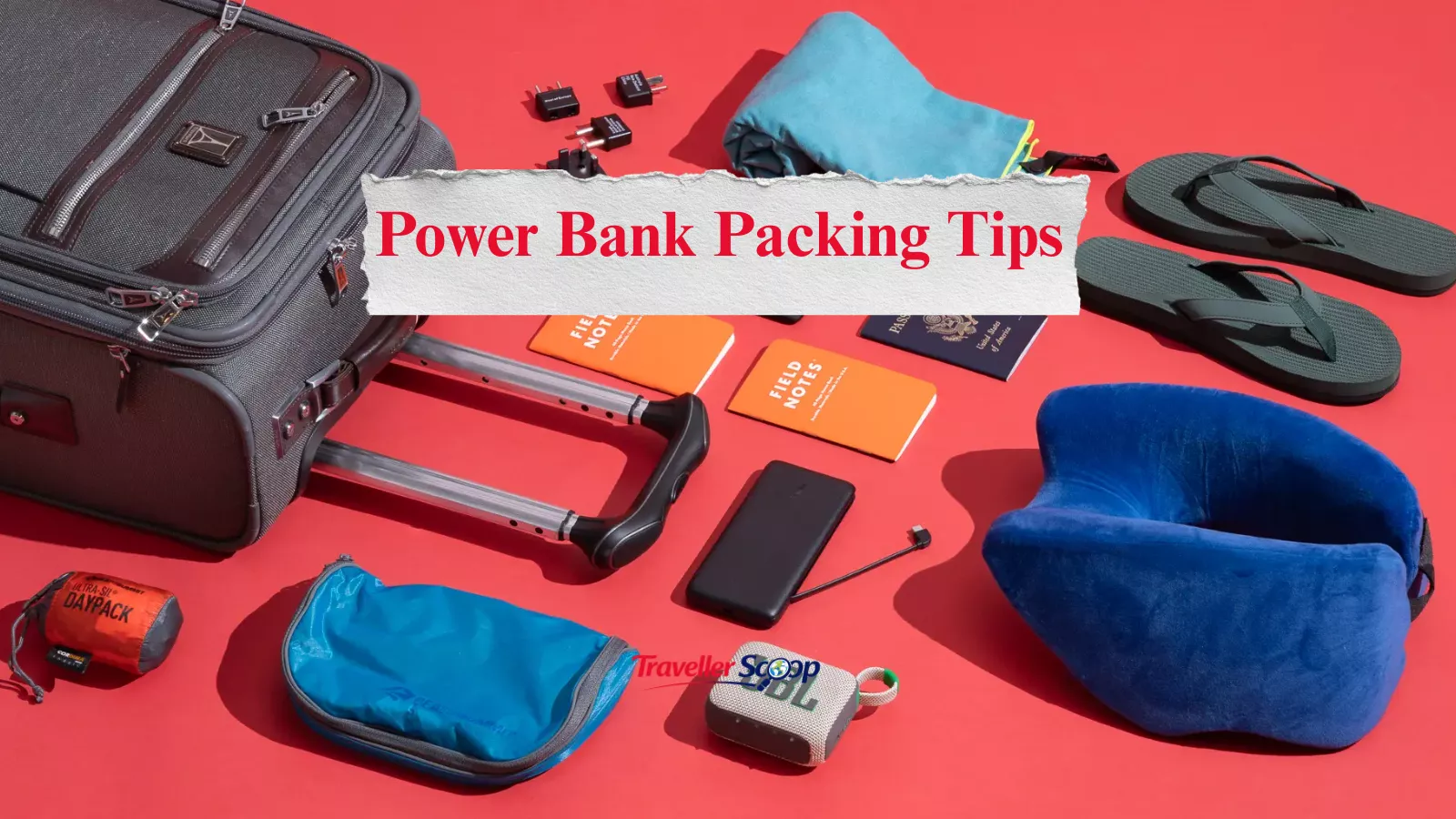
Power bank packing tips are the one thing most travelers overlook until their phone dies mid-journey, Google Maps stops working, and they’re stranded in an unfamiliar city. I’ve been there. Having traveled the world for years and sharing my experiences here on TravellerScoop, I can assure you that knowing how to pack a power bank is equally as important as picking the right one.
So, whether you are an occasional outdoorsman or a die-hard backpacker, these travel tips for year-round relaxation will help ensure that you never get caught in the middle of a no-power emergency again! In this guide I’m going to cover everything from TSA laws and maximum capacities to smart packing hacks, and the best power bank when it comes to long-haul trips. Let’s dive in!
Why Power Bank Packing Tips Matter More Than Ever in 2026
We live in a device-heavy world where staying connected is no longer optional, especially while traveling. On an average international trip today, most travelers carry a smartphone, wireless earbuds, a smartwatch, and often a tablet, camera, or laptop as well.
Every device depends on battery life, and when you are constantly navigating airports, using maps, translating languages, booking cabs, or capturing memories, running out of charge can quickly turn into a stressful situation.
That is exactly why portable chargers have become essential travel companions. But with the increasing use of lithium-ion batteries, airlines and airport security agencies have also tightened regulations. Understanding proper power bank packing tips has now become just as important as remembering your passport.
Between 2020 and 2025, aviation authorities recorded more than 4,000 battery-related incidents involving overheating devices, smoking batteries, and onboard fire risks. Because of these growing concerns, organizations such as the FAA in the United States, EASA in Europe, and ICAO introduced stricter aviation guidelines for carrying lithium-ion batteries on flights.
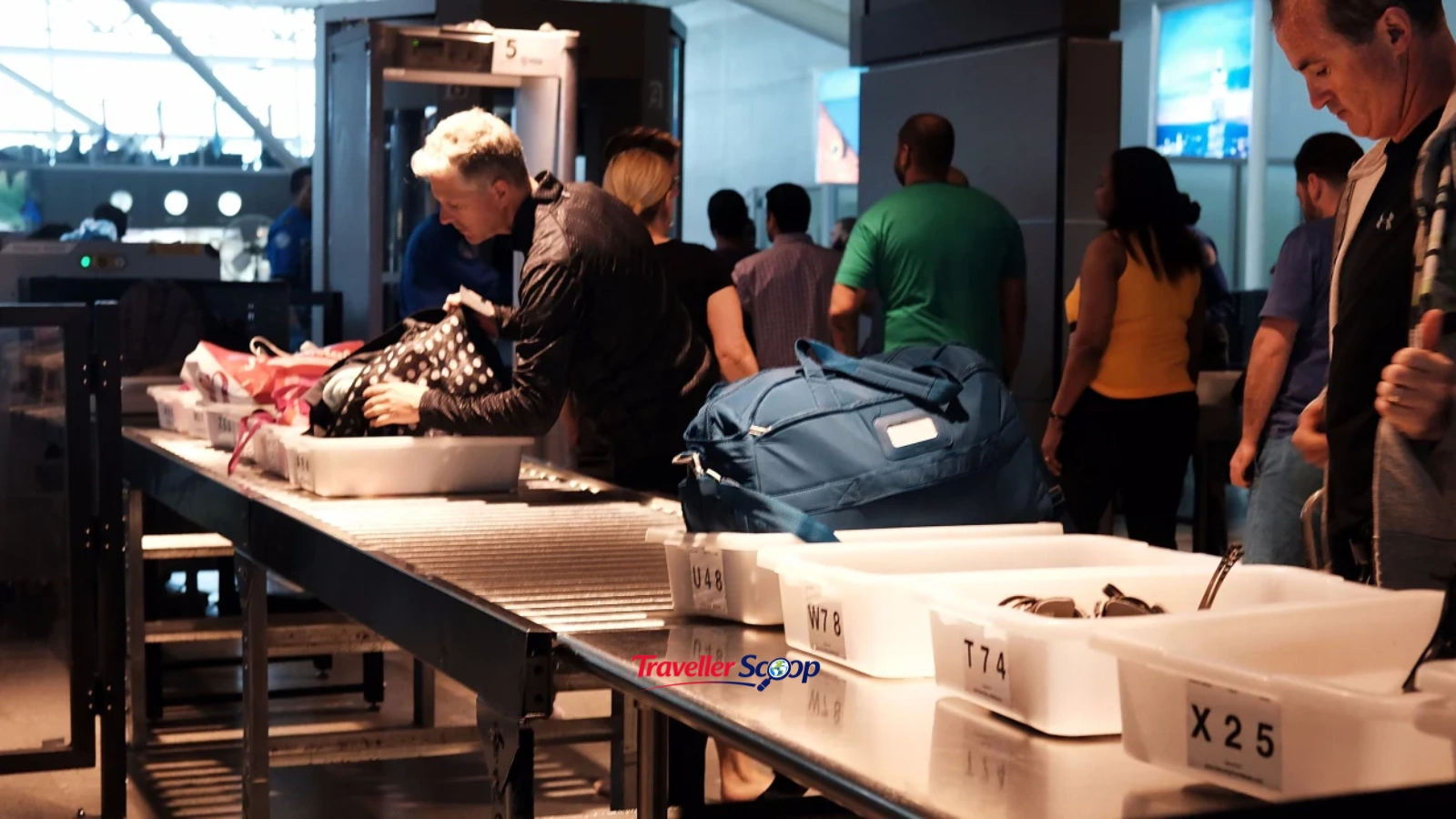
One of the most important TSA rules for power banks travel is that power banks are not allowed inside checked baggage. They must always be carried in your cabin bag or personal backpack where cabin crew can access them quickly in case of overheating. Many travelers still make the mistake of packing power banks inside suitcase luggage, which can lead to confiscation during security screening.
Another important rule is battery capacity. Most airlines allow power banks under 100Wh without requiring special approval. Larger-capacity batteries may need airline permission or may be restricted completely depending on the route and airline policy. This is why checking the watt-hour rating before flying is one of the smartest power bank packing tips travelers can follow.
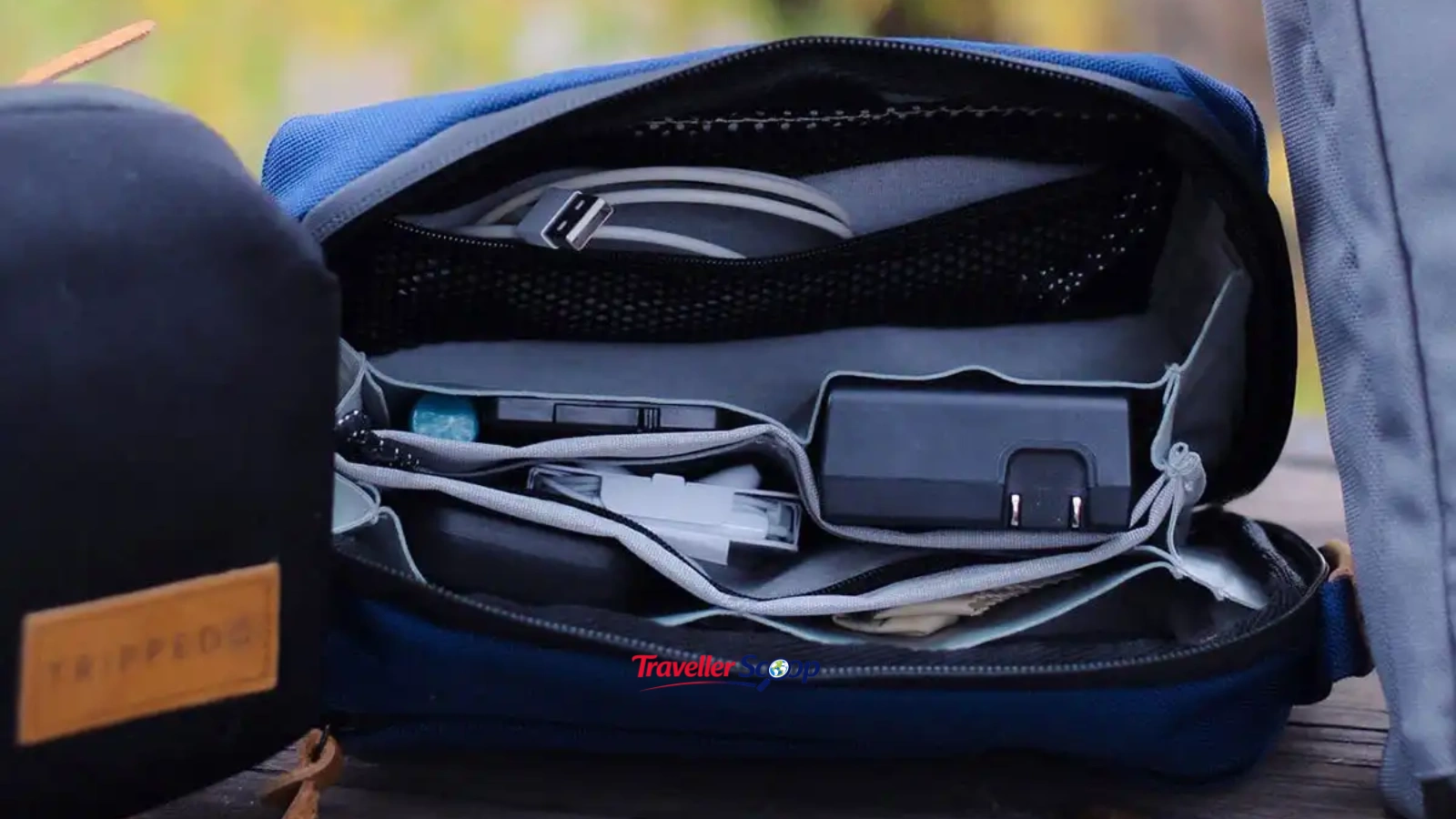
For smoother airport experiences, experts also recommend keeping power banks protected inside a pouch or dedicated electronics organizer. Loose batteries or damaged charging ports can trigger extra screening checks at security. Carrying original labels or saving a photo of the power bank specifications on your phone can also help airport officers verify the battery size quickly.
These small habits may sound simple, but they are genuinely valuable tips for stress-free travel. A properly packed power bank not only keeps your devices charged during long layovers and delayed flights, but also helps you avoid unnecessary airport trouble, last-minute confiscations, or boarding delays.
The good news is that traveling with a power bank is completely safe when done correctly. By following updated airline guidelines, understanding TSA rules for power banks travel, and using practical power bank packing tips, travelers can stay connected, organized, and stress-free throughout their journey.
Understanding TSA Rules for Power Banks
Before we get into packing strategies, let’s clarify the non-negotiables. These are the TSA rules for power banks that every traveler must follow in 2026.
1. The Golden Rule: Carry-On ONLY
Power banks are classified as spare lithium-ion batteries by the FAA. This means they must always go in your carry-on luggage, never in your checked baggage. Airlines reserve the right to confiscate and dispose of any power bank found in a checked bag during security screening.
2. Watt-Hour (Wh) Limits
Airlines regulate power banks based on watt-hours, not just mAh. Here’s what you need to know:
- Under 100 Wh: Allowed without approval. Most power banks fall in this range.
- 101–160 Wh: Allowed but requires prior airline approval. Limited to 2 per passenger.
- Above 160 Wh: Not allowed on passenger aircraft.
3. Quick Calculation Formula
Wh = (mAh × Voltage) ÷ 1000
Most lithium-ion power banks run at 3.7V. So a 20,000mAh power bank = 74 Wh, perfectly safe to fly with, no questions asked.
How Many Can You Carry?
Most airlines allow 2 or more power banks within the safe capacity limits. Always check your specific airline’s policy before flying internationally, as rules can vary.
Pro: Always keep a photo of your power bank’s label saved on your phone. Security officers can verify the Wh rating quickly, saving you time at the checkpoint.
Top Power Bank Packing Tips for Stress-Free Travel
Now let’s get into the practical power bank packing tips that I personally swear by after hundreds of flights.
1. Always Pack It in an Accessible Pocket
Store your power bank in the top or outer pocket of your carry-on. During TSA screening, you’ll likely need to remove electronics larger than a cell phone. Being able to grab your power bank instantly without unpacking your entire bag saves time and stops the long line of impatient travelers behind you from giving you the evil eye.
2. Use a Protective Pouch Always
Never toss a bare power bank loose into your bag. USB ports and metal terminals can contact keys, coins, or zippers and cause a short circuit. A dedicated tech organizer pouch keeps everything safe and organized. I use one on every trip, and I’ll never go back, you can read more about my recommended travel gear.
3. Cap the Ports or Use Electrical Tape
If your power bank doesn’t come with port caps, use a small strip of electrical tape to cover the USB ports during transit. This is a simple and often overlooked tip that can prevent accidental activation and short circuits in a crowded bag.
4. Keep the Label Visible
Make sure the mAh and Wh rating label on your power bank is legible. If security needs to inspect it, they look directly at the label. If yours has faded, print out a spec sheet from the manufacturer’s website and keep it with the device.
5. Never Travel with a Damaged Unit
This one is critical for safety. Before packing, do a quick physical check:
- Is the casing cracked or swollen?
- Do the ports smell burnt or feel loose?
- Does the power bank feel unusually hot when idle?
If yes to any of the above, leave it at home. A swollen or damaged lithium battery is a genuine fire risk. Replace it with a certified model before your next trip.
Choosing the Best Power Bank for Long Trips
Knowing the right capacity for your trip is a key part of tips for stress-free travel. More is not always better; a heavier power bank adds unnecessary weight, while a too-small one won’t get you through the day.
Here’s a simple guide based on trip type:
| Trip Type | Recommended Capacity | Devices Covered |
|---|---|---|
| Weekend City Break | 10,000mAh | 2–3 phone charges |
| 5–7 Day International Trip | 20,000mAh | Phone + earbuds for 4–5 days |
| Long-haul Multi-Country | 25,000mAh (under 100Wh) | Phone + tablet + earbuds |
| Laptop-Dependent Travel | 25,000mAh with 65W+ PD | Phone + laptop top-up |
What to Look for in a Travel Power Bank:
- USB-C Power Delivery (PD): Charges modern devices significantly faster. Essential for iPhones after iPhone 8, and all USB-C Android flagships.
- GaN Technology: Newer power banks using Gallium Nitride are more efficient, generate less heat, and are often smaller for the same capacity.
- Multiple Ports: Look for at least one USB-C and one USB-A to charge two devices simultaneously — a lifesaver when traveling with a partner.
- Built-in Cables: Brands like Anker and EcoFlow offer models with retractable built-in cables, eliminating the need to pack extra cords.
- Digital LED Display: Shows exact battery percentage remaining, far more reliable than the usual 4-dot indicators.
How to Pack a Power Bank for a Flight: Step-by-Step
Let’s break this down into a simple, repeatable process:
- Step 1: Check capacity. Verify the Wh rating is under 100Wh (or under 160Wh with airline approval). Use the formula: Wh = (mAh × 3.7) ÷ 1000.
- Step 2: Inspect the unit. Do a quick physical check: no cracks, no swelling, no burnt smell, and the ports are clean.
- Step 3: Protect the ports. Use port caps or electrical tape to cover terminals.
- Step 4: Pack in the carry-on outer pocket. Never check it. Keep it easy to access for TSA inspection.
- Step 5: Photograph the label. Save an image of the mAh/Wh label to your phone gallery.
- Step 6: During the flight. Use your power bank only when you’re awake and can monitor it. Never leave a device charging unattended, especially on overnight long-haul flights.
Conclusion
Staying powered up on the road doesn’t have to be stressful. With these power bank packing tips, you now have everything you need, from understanding TSA rules for power banks and choosing the best power bank for long trips to packing it correctly and knowing your in-flight rights.
My biggest takeaway after years of travel? Buy once, buy right. A certified power bank from a trusted brand, packed properly in your carry-on with ports protected and the label visible, will get you through every security checkpoint without friction, and keep your devices alive through every adventure.
If this guide helped you, share it with a fellow traveler! And don’t forget to explore more of our tips for stress-free travel right here on Traveller Scoop. Safe travels!
FAQs
1- Can I bring a 20,000mAh power bank on a plane?
Yes. A 20,000mAh power bank at 3.7V equals approximately 74Wh, which is well within the TSA’s 100Wh carry-on limit. Just make sure it goes in your carry-on, not your checked bag.
2- How many power banks can I bring on a flight?
Most airlines allow 2 or more power banks under 100Wh. For power banks between 101–160, well, you’re typically limited to 2 units and must get prior airline approval. Anything above 160Wh is not permitted.
3- What happens if I accidentally pack my power bank in checked luggage? Security scanners will detect it. You may be called back to retrieve it if you’re still at the airport. If your bag has already been checked, the power bank may be removed, and you won’t get it back. Always double-check before checking in.
4- Can I use my power bank during a flight?
Generally, yes, but policies vary by airline. Never charge devices while sleeping or leave them unattended. Keep the power bank visible, not stuffed inside a seat pocket or overhead bin.
5- What is the best power bank capacity for a week-long trip?
For a 5–7 day international trip with a smartphone, earbuds, and smartwatch, a 20,000mAh power bank (around 74Wh) is the sweet spot, enough power for the whole trip without exceeding airline limits.

Khushi Vaid
Senior Travel EditorI’m Khushi Vaid, a travel writer with over 2 years of experience creating destination guides, travel tips, and travel planning content. At Traveller Scoop, I write about destinations, travel trends, and practical advice to help readers explore the world with confidence.