Big Update! South Korea Launches Workcation Visa for Indians Don’t Miss It
South Korea Launches Workcation Visa, and I’ve been getting the same message in my DMs every day this month: “Khushi, is it true South Korea now lets Indians live and work remotely for years?” Yes, and it’s a bigger deal than most travel pages are giving it credit for.On June 30, 2026, South Korea officially […]
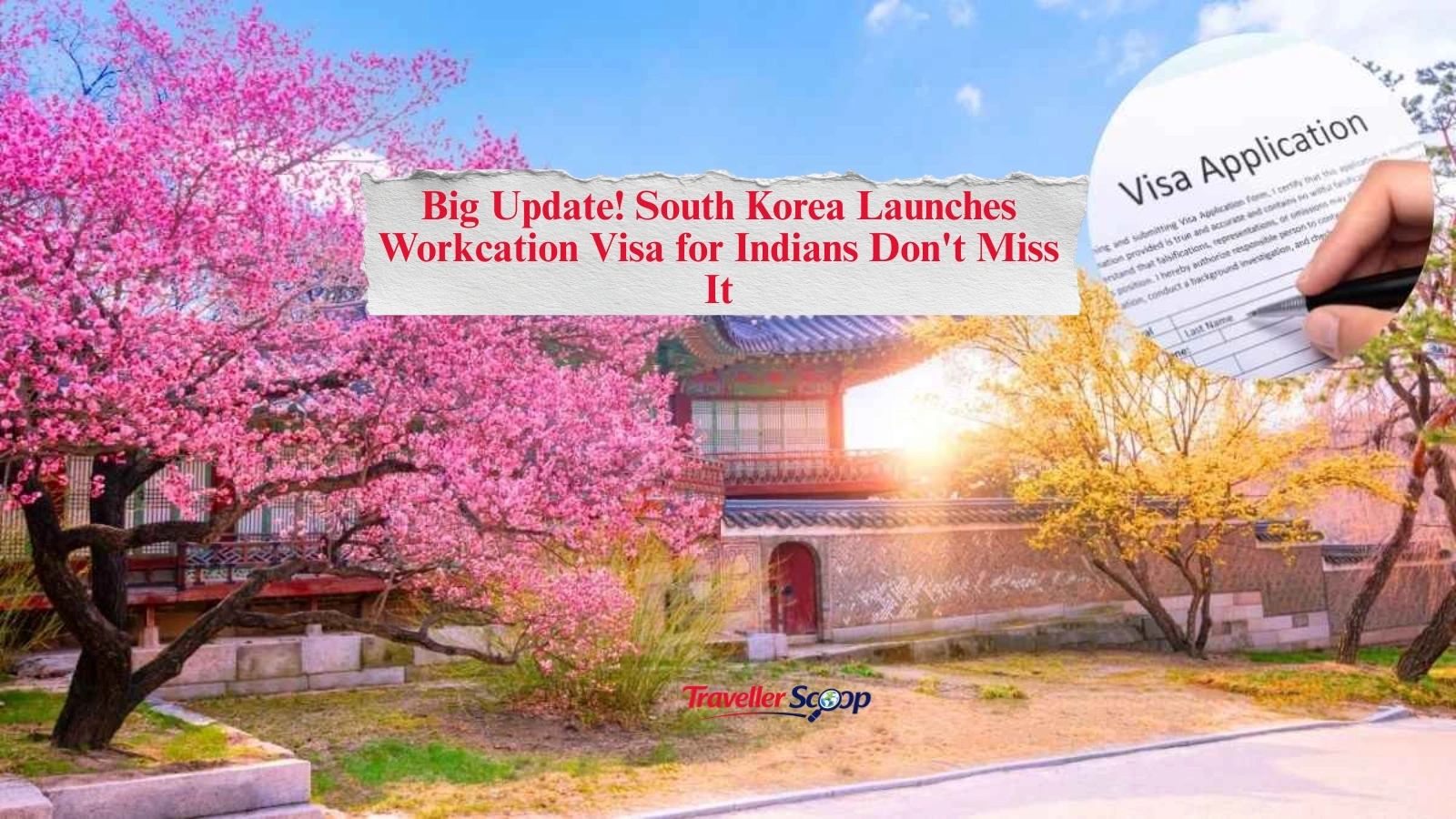
South Korea Launches Workcation Visa, and I’ve been getting the same message in my DMs every day this month: “Khushi, is it true South Korea now lets Indians live and work remotely for years?” Yes, and it’s a bigger deal than most travel pages are giving it credit for.
On June 30, 2026, South Korea officially made its F-1-D workcation visa a permanent immigration category after running it as a two-year pilot. If you’ve been researching the South Korea Workcation Visa for Indians, you’re looking at this at exactly the right time, because the rules just changed in ways that make it easier, not harder, for younger applicants and people willing to live outside Seoul.
I run this blog because I got tired of reading recycled visa articles that copy-paste government PDFs and call it a day. This one is different. I dug through the actual Ministry of Justice update, cross-checked embassy notices, and pulled every number that matters for an Indian applicant: income thresholds in rupees, real document lists, processing timelines, and the honest trade-offs nobody mentions.
If you’re an Indian remote worker, freelancer, or business owner dreaming of typing away from a Seoul café or a Busan beach town, here’s everything you need, A to Z, about the South Korea Workcation Visa, how the South Korea Digital Nomad Visa (F-1-D) actually works for Indians in 2026, and how to apply without wasting three months on rejected paperwork.
What Is the South Korea Workcation Visa (F-1-D)?
The Workcation Visa is officially called the F-1-D Digital Nomad Visa. It lets foreign nationals including Indians, live in South Korea while continuing to work remotely for a company or clients based outside Korea. It is not a work permit for Korean employers. Think of it as permission to relocate your laptop, not your job.
It launched as a pilot on January 1, 2024, ran through May 2026, and, this is the big news, became a permanent visa category on June 30, 2026, with meaningfully eased eligibility rules.
That’s the headline behind every “South Korea Launches Workcation Visa” story you’re seeing right now: it’s not a brand-new idea, but it just graduated from a trial run into a real, standing visa pathway.
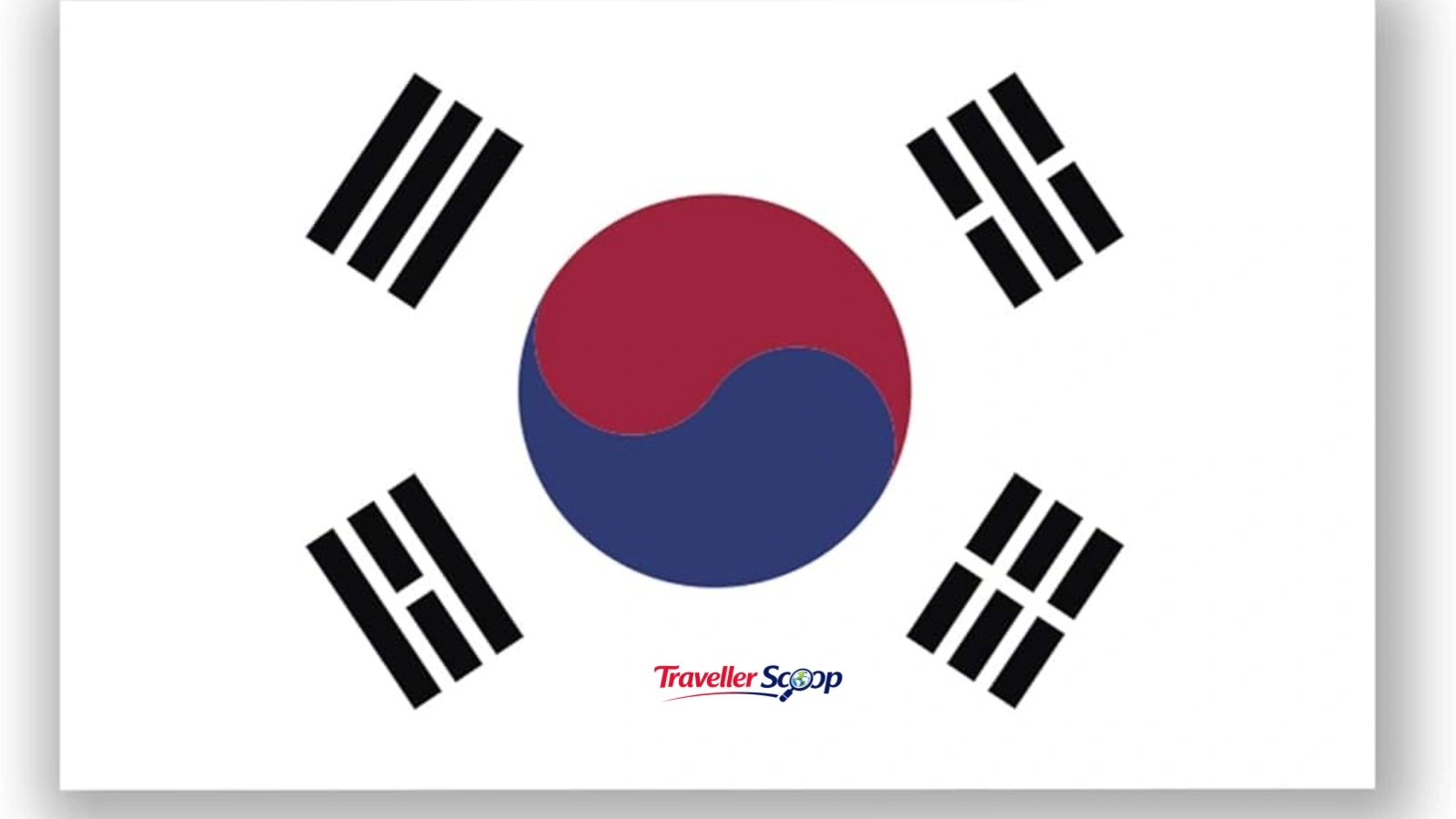
Why This Update Matters for Indians Specifically
Under the old pilot rules, almost everyone had to earn twice South Korea’s GNI per capita, regardless of age or where they planned to live. That single flat threshold shut out a lot of younger Indian freelancers and mid-level remote employees.
The permanent 2026 version introduces a tiered income system based on age and location, and that’s exactly the change that opens the door wider for Indian applicants:
- Applicants aged 35 and above living in Seoul, Incheon, or Gyeonggi Province still need the full 2x GNI threshold.
- Applicants aged 18–34 who choose to live outside the Seoul metro area can qualify at a much lower income bar, as low as 1x GNI per capita in some regions.
- Visa validity has been extended from a maximum of two years under the pilot to up to three years, with multiple entries.
- Spouses and dependent children can now accompany the primary applicant on the same visa.
For India’s large remote-working, freelancing, and export-services workforce (IT consultants, designers, writers, marketers, and developers billing overseas clients), this is one of the more accessible long-stay visas South Korea has ever offered.
South Korea Workcation Visa Eligibility for Indians
To qualify for the South Korea workcation visa, Indian applicants generally need to meet these criteria:
- Age: 18 years or older (younger dependents can join as family members).
- Employment history: At least 1 year of continuous experience working for a foreign (non-Korean) company or running your own foreign-registered business, in the same field you’ll continue working in.
- Remote-work capability: Your job or business must be fully performable from Korea, with zero paid work for Korean companies or Korean clients.
- Income threshold: Meets the applicable tier based on your age and planned city of residence (details below).
- Clean criminal record: A police clearance certificate from India (and any country you’ve lived in for over a year in the past five years).
- Health insurance: Private medical insurance covering at least USD 75,000 in treatment and repatriation costs, valid for your full stay.
There is currently no Korean language requirement for this specific visa, which is a relief compared to Korea’s points-based F-2 residence visa.
Income Requirements for Indian Applicants (In Rupees)
This is the number everyone actually wants, so here it is in INR terms:
| Applicant Profile | Income Requirement (Approx.) |
|---|---|
| Age 35+ living in Seoul, Incheon, or Gyeonggi Province | Minimum annual income: ~USD 65,800 (approximately ₹54–56 lakh/year) |
| Age 18–34 living outside the Seoul metropolitan area | Minimum annual income: As low as 1× Korea’s GNI (approximately ₹27–30 lakh/year) |
| Self-employed professionals & freelancers | Must meet the applicable income threshold and provide 3–6 months of invoices, client contracts, and bank statements as proof of income. |
A few honest notes from my research: consulates ask for this income to be documented through 3–6 months of bank statements, signed employment or freelance contracts, and recent tax returns (Form 16 or ITR for Indian applicants).
If your income fluctuates month to month, common for Indian freelancers, build a clean, consistent paper trail before you apply, because inconsistent numbers are the single biggest reason applications get delayed.
Documents Required for the South Korea Digital Nomad Visa
Based on the current embassy guidance, prepare:
- Valid Indian passport (with enough remaining validity)
- Completed F-1-D visa application form
- Passport-size photographs (Korean visa photo specs: 3.5cm x 4.5cm, white background)
- Proof of employment or business ownership (offer letter, contract, company registration)
- Income proof: 3–6 months of bank statements, ITR, salary slips or freelance invoices
- Police clearance certificate (apostilled/notarized, generally within 5 years)
- Private health insurance certificate (min. USD 75,000 coverage)
- Proof of accommodation in Korea (hotel booking or rental agreement for initial stay)
- Family documents if bringing dependents (marriage/birth certificates, translated and notarized)
All documents not in English or Korean need certified translation.
How to Apply for the South Korea Workcation Visa: Step by Step
- Confirm your eligibility tier based on your age and the Korean city you plan to live in.
- Gather and organize documents; start this at least 6–8 weeks before your intended travel date.
- Book an appointment at the Korean Embassy or Consulate serving your region in India (New Delhi, Mumbai, or Chennai or via the relevant VFS/BLS visa center).
- Submit your application in person along with all supporting documents and the visa fee.
- Attend biometrics/interview if requested by the consulate.
- Wait for processing, typically 10 business days to 3–4 weeks, depending on consulate load and document completeness.
- Receive your visa grant notice and travel to South Korea.
- Register for your Alien Registration Card (ARC) at a local immigration office within 90 days of arrival if you’re staying longer than 90 days, this step is mandatory and easy to forget.
If you’re already researching Korea for a shorter trip first, it’s worth reading our [South Korea Tourist Visa Guide for Indians] before committing to the Workcation route, since a short scouting trip on a tourist visa can help you pick the right city.
What You Can and Can't Do on This Visa
You can:
- Live in South Korea for up to 3 years, with multiple entries/exits
- Continue working for your foreign employer or clients
- Bring your spouse and dependent children
- Travel around Korea freely during your stay
You cannot:
- Take any paid work with a Korean company or Korean clients
- Convert this visa into a Korean work permit without a separate application
- Use it as a backdoor path to Korean employment
Violating the “no local work” rule is the most common way people lose this visa, so keep your income streams clearly foreign-sourced
Best South Korean Cities for Indian Workcationers (Cost of Living)
Since younger applicants now get a real income break for living outside Seoul, here’s where I’d actually consider basing myself:
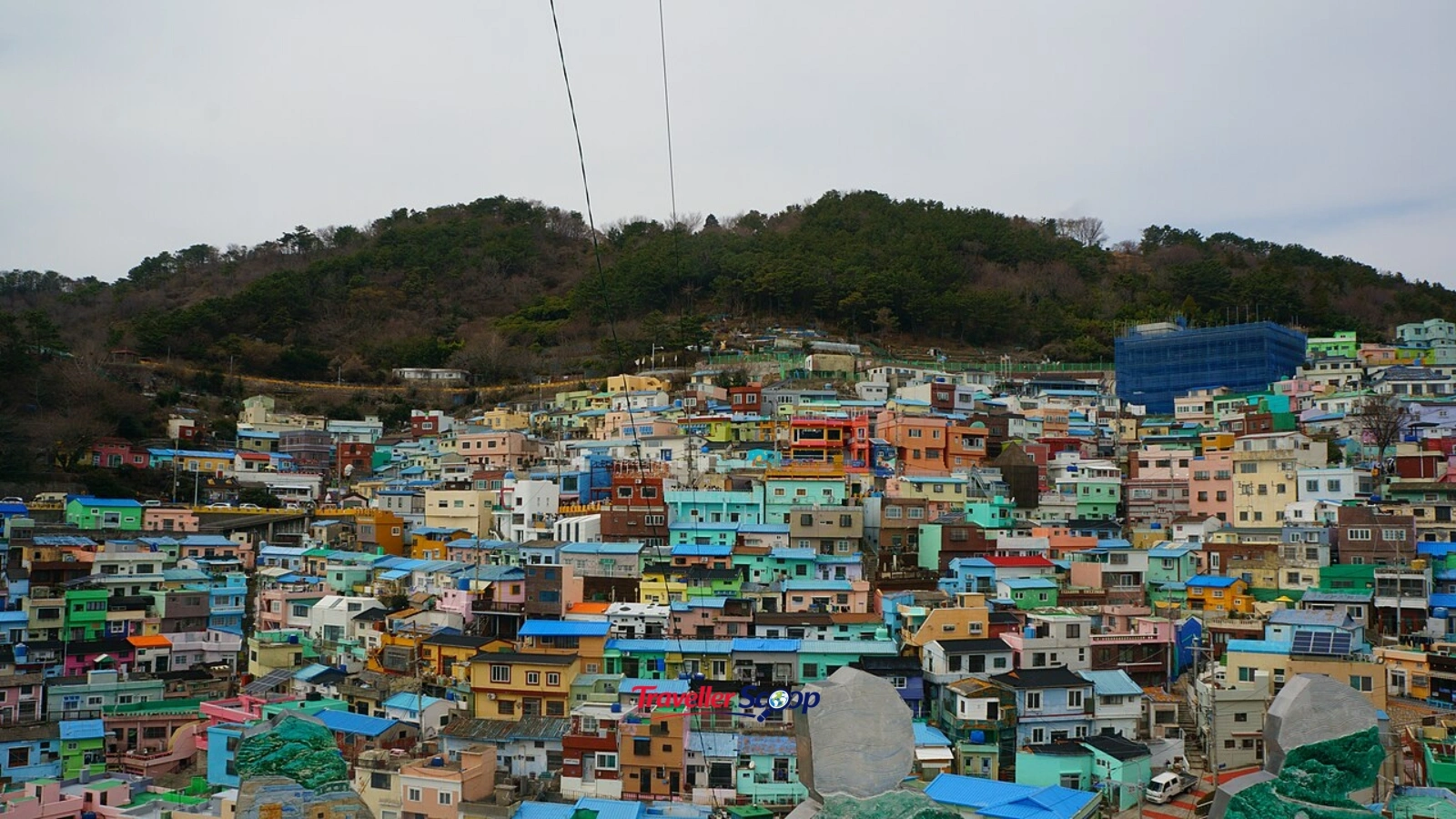
- Busan: Coastal, more affordable than Seoul, strong café-working culture, direct rail access to the rest of the country.
- Jeonju: Known for food and a slower pace, great if you want lower rent and a cultural deep dive.
- Incheon (outskirts): Cheaper than central Seoul while staying close to the airport and Seoul day trips.
- Chuncheon or Gangneung: For those who want mountains or coastline with genuinely low living costs.
If budget planning is your next step, check our [South Korea Budget Travel Guide] for a full monthly cost breakdown across these cities.
Pros and Cons for Indian Remote Workers
Pros:
- Up to 3-year stay, longer than most digital nomad visas globally
- No Korean language requirement
- World-class internet infrastructure (1 Gbps fiber standard nationwide)
- Family can join on the same visa
- Lower income bar for younger applicants outside Seoul — a real win for Indian freelancers
Cons:
- Health insurance requirement (min. USD 75,000 coverage) adds real cost
- No permission to earn from Korean sources, even side gigs
- Seoul-based applicants still face a steep income threshold (~₹55 lakh/year)
- Documentation-heavy process; inconsistent income proof causes delays
My Honest Take
I’ll be direct: this visa isn’t for someone testing the digital nomad waters on a shoestring budget. The income and insurance requirements are real, and Seoul specifically remains expensive to qualify for.
But if you’re an Indian professional already earning steadily from international clients or a foreign employer, and you’ve been eyeing South Korea’s safety, infrastructure, and culture, the 2026 rules make this one of the more realistic long-stay options out there, especially if you’re under 35 and open to a city outside Seoul.
I’d rather see more Indian remote workers actually use this properly than chase a Seoul-only dream that the income math doesn’t support yet.
Conclusion
South Korea’s decision to make the F-1-D Workcation Visa permanent, with a fairer, tiered income system, is genuinely one of the more Indian-friendly long-stay visa updates in Asia this year.
If you’re a remote-working Indian professional or freelancer with steady foreign income, this is worth taking seriously in 2026, especially if you’re willing to look beyond Seoul.
Start gathering your income documentation now, pick your city based on the eligibility tier that fits you, and give yourself at least 6–8 weeks before you plan to travel.
If you found this useful, explore our [Seoul Travel Guide] and [South Korea Packing List] for the next steps in planning your move
FAQs
Can I work for a Korean company on this visa?
No. The visa strictly prohibits paid work for Korean employers or Korean-based clients.
What is the South Korea Workcation Visa called officially?
It's officially the F-1-D digital nomad visa, commonly called the workcation or workation visa.
Can Indians apply for the South Korea Workcation Visa?
Yes. Indian nationals can apply, provided they meet the age, employment, income, and insurance requirements outlined above.
How much income do I need for the South Korea Digital Nomad Visa as an Indian?
It depends on your age and city. Seoul-area applicants aged 35+ need roughly ₹54–56 lakh/year; applicants aged 18–34 outside Seoul may qualify from around ₹27–30 lakh/year.
How long can I stay on the South Korea Workcation Visa?
Up to three years, with multiple entries, under the newly permanent 2026 rules.

Khushi Vaid
Senior Travel EditorI’m Khushi Vaid, a travel writer with over 2 years of experience creating destination guides, travel tips, and travel planning content. At Traveller Scoop, I write about destinations, travel trends, and practical advice to help readers explore the world with confidence.