The World’s Most Expensive Tourist Visa Fees in 2026 Revealed
World’s Most Expensive Tourist Visa Fees in 2026, when I first started researching this topic, I assumed only the US and UK would top the list. But as I went through the official immigration portals of country after country, I realized the entire visa-pricing landscape had shifted in 2026.New surcharges, currency fluctuations, and policy overhauls […]
World’s Most Expensive Tourist Visa Fees in 2026, when I first started researching this topic, I assumed only the US and UK would top the list. But as I went through the official immigration portals of country after country, I realized the entire visa-pricing landscape had shifted in 2026.
New surcharges, currency fluctuations, and policy overhauls mean that finding a “cheap visa destination” today is far harder than it used to be.
In this article, I’ll walk you through my own research-backed, A-to-Z breakdown of the world’s most expensive tourist visa fees, not a copy-paste list you’ll find on ten other sites, but real numbers pulled straight from official sources.
If you’re planning international travel in 2026, this guide will help you budget correctly before you book.
World's Most Expensive Tourist Visa Fees 2026: Quick Overview
Before we dive into the details, here’s a quick snapshot I compiled from my research:
| Rank | Country | Approx. Tourist Visa Fee (USD) |
|---|---|---|
| 1 | United States | ~$435 |
| 2 | New Zealand | ~$211 |
| 3 | United Kingdom | ~$160 (£127) |
| 4 | Australia | ~$125 |
| 5 | Japan (New 2026 Rate) | ~$100 |
| 6 | Schengen Area (Europe) | ~$97 (€90) |
| 7 | Canada | ~$73 |
This World’s Most Expensive Tourist Visa Fees table shows that the US has pulled far ahead of everyone else in 2026, and the reason behind it is genuinely interesting.
Why the US Now Has the World's Most Expensive Tourist Visa Fees
When I checked the fee schedule on the US State Department’s website, I discovered that a new “Visa Integrity Fee” will be added in 2026. This has pushed the total tourist visa cost to roughly $435, up from around $185 previously.
It’s the single biggest jump I found across any country, and it’s exactly why the US now sits at the top of the World’s Most Expensive Tourist Visa Fees list.
If you’re planning a US trip, I’d personally suggest keeping at least $450-500 aside just for the visa, since third-party service center charges (like VFS) are billed separately on top of this.
Here’s a breakdown of why the fee is so high:
- Total tourist visa cost: Approximately $435 (including the newly introduced Visa Integrity Fee, where applicable).
- Previous visa cost: Around $185, meaning the total cost has increased significantly in 2026.
- Reason for the increase: The addition of the new Visa Integrity Fee, introduced as part of the updated U.S. immigration and border policy.
- Extra charges: The visa fee does not always include third-party service charges. In many countries, applicants may also need to pay additional fees to visa application centers such as VFS Global or other authorized service providers.
- Other possible expenses: You may also need to budget for passport delivery, document photocopies, travel to the visa interview, or biometric appointment costs, depending on your location.
1. New Zealand: Second on the List of the World's Most Expensive Tourist Visa Fees
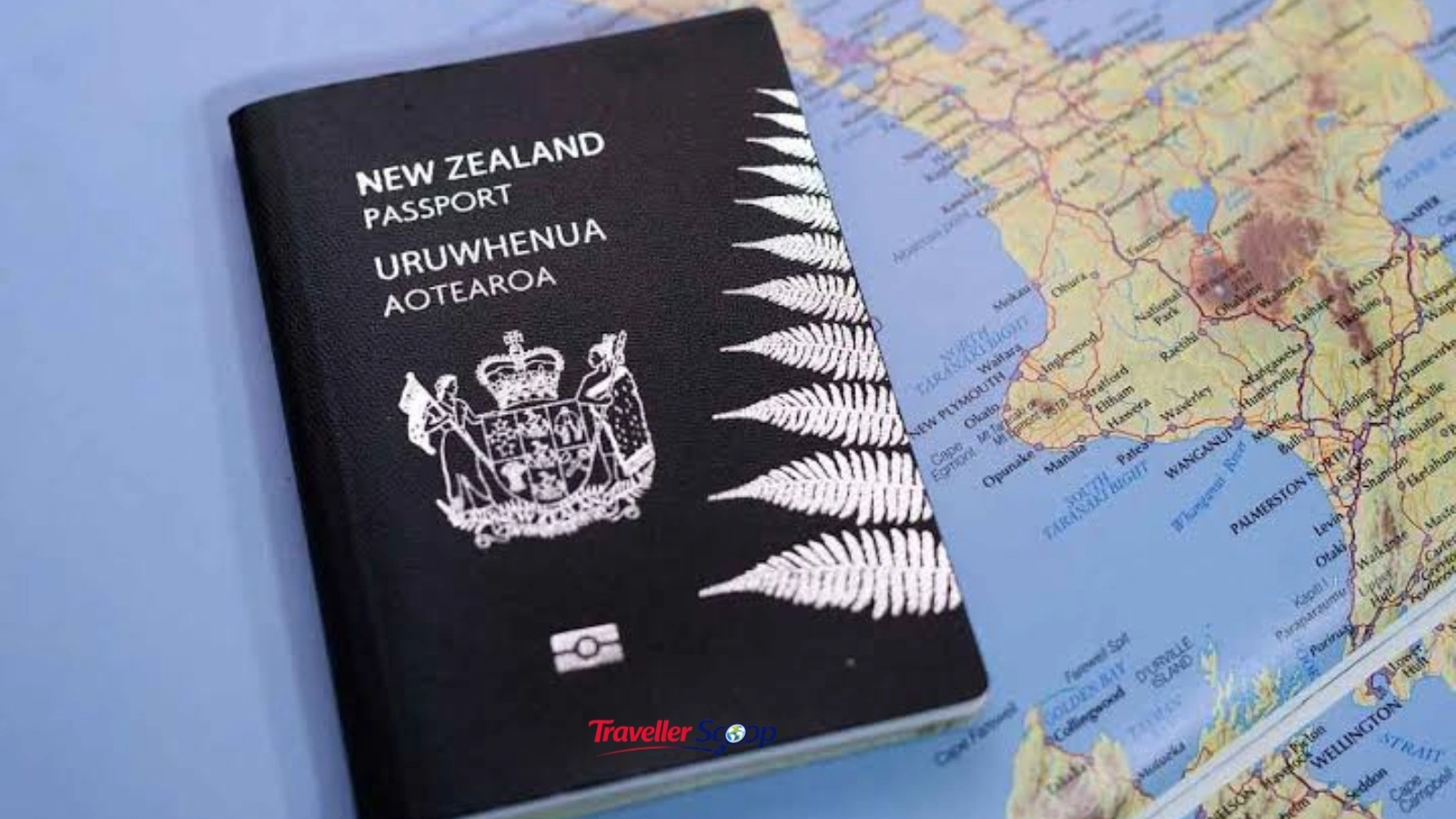
New Zealand is one of the most beautiful destinations in the world, but visiting it has become noticeably more expensive in 2026. While checking the latest visitor visa fees and immigration updates, I found that travellers now need to budget for more than just the visa application fee.
Here’s what you should know:
- Approximate visitor visa fee: Around $211 (NZD equivalent) for most tourist visa applicants.
- Additional tourism levy: New Zealand also charges an International Visitor Conservation and Tourism Levy (IVL), which is paid separately from the visa fee.
- Higher total cost: Once the visa fee and the tourism levy are combined, the total amount can easily exceed $250, depending on the type of application and exchange rates.
- Extra service charges: In some countries, applicants may also need to pay visa application centre or document handling fees, which are charged separately.
- Non-refundable payment: Visa application fees are generally non-refundable, even if the application is refused or withdrawn.
- Processing time: Since processing can take several weeks during busy travel seasons, it’s recommended to apply well in advance of your planned departure.
Budget Tip
If you’re planning a holiday to New Zealand in 2026, it’s wise to keep $260–300 aside for visa-related expenses.
This budget should comfortably cover the official visitor visa fee, the International Visitor Conservation and Tourism Levy (IVL), and any additional service center or processing charges that may apply in your country.
Although New Zealand is known for its breathtaking landscapes and unforgettable road trips, travelers should remember that visa costs are now a significant part of the overall travel budget, making early financial planning more important than ever.
2. United Kingdom: Standard Visitor Visa Breakdown
The UK’s Standard Visitor Visa costs £127 (~$160) in 2026. It’s non-refundable, meaning even if your application gets rejected, you don’t get your money back. If you want faster processing, priority service costs an extra £250, and super-priority can go up to £1,100.
When I first applied for a UK visa myself, I hadn’t accounted for this hidden cost, which is why I always remind readers that the world’s most expensive tourist visa fees aren’t limited to the base fee alone; the add-ons matter just as much.
If you’d like a full currency-wise breakdown, check out my Europe budget travel guide.
Here’s what you should know before applying:
- Standard Visitor Visa fee: £127 (approximately $160) for a six-month tourist visa.
- Non-refundable application fee: The visa fee is non-refundable, even if your application is refused, withdrawn, or cancelled.
- Priority processing service: If you want your application processed faster, you can choose the Priority Visa Service, which costs around £250 extra, in addition to the standard visa fee.
- Super Priority service: For the fastest possible decision, the Super Priority Visa Service can cost up to £1,100, depending on the location and availability.
- Additional charges: Applicants may also need to pay for biometric appointments, document scanning, passport courier services, or visa application center fees, depending on where they apply.
- Exchange rate impact: Since the visa fee is charged in British pounds, the amount you pay in your local currency can vary with exchange rate fluctuations.
Budget Tip
If you’re planning to visit the UK in 2026, it’s a good idea to set aside $180–250 for a standard visa application and related service charges. If you expect to use priority or super-priority processing, your total visa-related expenses can increase significantly, so budgeting in advance is essential.
Many travelers focus only on the advertised visa fee, but the real cost often includes optional processing services and application center charges. Before applying, check the latest fee structure and decide whether faster processing is worth the additional expense.
3. Australia and Japan: The Fast-Rising Costs
Australia’s Visitor Visa (subclass 600) costs approximately $125 (USD), and applicants must also undergo a character check.
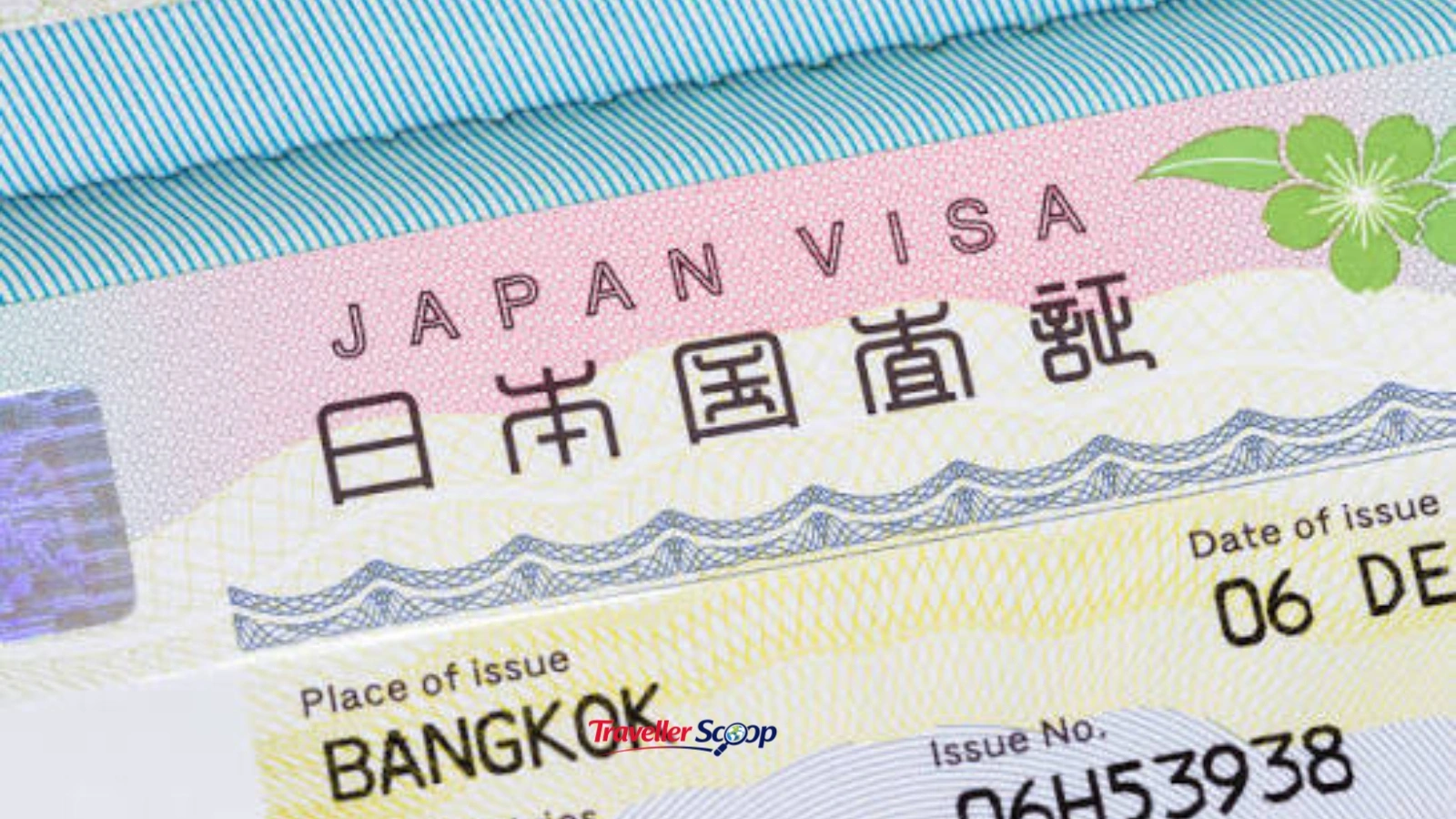
But the most surprising find in my research was Japan. For the first time since 1978, Japan has revised its visa fees; the single-entry visa jumped from ¥3,000 to ¥15,000 (~$100), and the multiple-entry visa from ¥6,000 to ¥30,000.
That’s a fivefold increase, making Japan the fastest riser on the World’s Most Expensive Tourist Visa Fees list.
Here are the key details:
- Approximate visitor visa fee: Around $125 (USD), depending on exchange rates.
- Visa type: Visitor Visa (Subclass 600), commonly used for tourism, visiting family and friends, or short business visits.
- Character requirements: Applicants must satisfy Australia’s character requirements, which may include providing information about their criminal history or previous immigration issues.
- Supporting documents: Travellers are generally required to submit proof of sufficient funds, travel plans, passport details, and evidence that they intend to return to their home country after the visit.
- Additional expenses: Depending on your country of application, you may also need to pay biometric collection fees, health examination costs (if requested), or visa application centre service charges.
- Processing time: Processing times vary depending on the applicant’s circumstances and the volume of applications received.
4. Schengen Area and Canada: Comparatively Affordable
If you’re planning to explore Europe’s Schengen countries, the standard fee is €90 (~$97) — reduced to €45 for children aged 6-12, and free for children under 6. This fee is identical across all 27 Schengen countries since it’s set by EU regulation.
Canada’s visitor visa (TRV) costs approximately $73 (USD), making it the most affordable among the major destinations on this list. If you need the full application process explained step by step, I’ve covered it in my Canada visa guide.
Countries With Highest Visa Fees 2026: Common Reasons Behind the Hike
During my research, I noticed three recurring patterns behind the countries with the highest visa fees in 2026:
- Currency-based reciprocity: if your country charges its citizens more, they charge yours the same way.
- Inflation adjustment: like Japan’s case, where fees were revised after 48 years.
- New tourism levies: added for infrastructure and environmental funding.
If you want to understand how to plan your visa budget properly, I’ve written a detailed breakdown in my visa budget planning tips article.
My Personal Tips to Save Money on Tourist Visas
- Always apply through the official government portal; third-party agents charge extra.
- Check for e-visa options wherever available, since they’re usually cheaper than embassy visas.
- Opt for a multiple-entry visa if you visit the same country often; it saves money in the long run.
- Budget for biometrics and service center charges alongside the base visa fee.
If you’re planning your next trip, don’t miss my article on the best time to apply for a tourist visa; it can help you avoid processing delays.
Conclusion
The World’s Most Expensive Tourist Visa Fees in 2026 aren’t just numbers; they’re a reminder that visa costs deserve as much attention in trip planning as flights and hotel bookings.
Researching this myself made it clear that a trip that cost around $50 in visa fees just five years ago can now cost $200-400.
If you want to travel smart, always check the official immigration website before your next trip, and bookmark this guide to stay updated on the World’s Most Expensive Tourist Visa Fees.
FAQs
What should be included in a visa fee budget?
The base visa fee, biometrics charge, service-centre fee, and any priority-processing costs if you need faster turnaround.
Which country charges the most expensive tourist visa fee in 2026?
The United States is the most expensive in 2026, with the new Visa Integrity Fee pushing the total cost to approximately $435.
Are service-centre charges included in the visa fee?
No, most countries' official visa fees don't include charges from third-party service centers like VFS Global or TLScontact, those are billed separately.
Which country still offers an affordable tourist visa?
Canada and the Schengen Area (Europe) are comparatively affordable, with fees ranging between $73-$97.
Why did Japan increase its visa fees?
Japan revised its fees for the first time since 1978, driven by inflation and currency adjustments, the single-entry visa fee increased fivefold.

Khushi Vaid
Senior Travel EditorI’m Khushi Vaid, a travel writer with over 2 years of experience creating destination guides, travel tips, and travel planning content. At Traveller Scoop, I write about destinations, travel trends, and practical advice to help readers explore the world with confidence.