When Is the Best Time to Visit Morocco? Don’t Book Until You Read This
When Is the Best Time to Visit Morocco, I asked myself this exact question three times before I actually got my dates right. The first time, I booked a Marrakech trip in the peak of July, and I still remember standing in Jemaa el-Fnaa Square at 2 PM with the temperature reading 43°C, sweat pouring […]
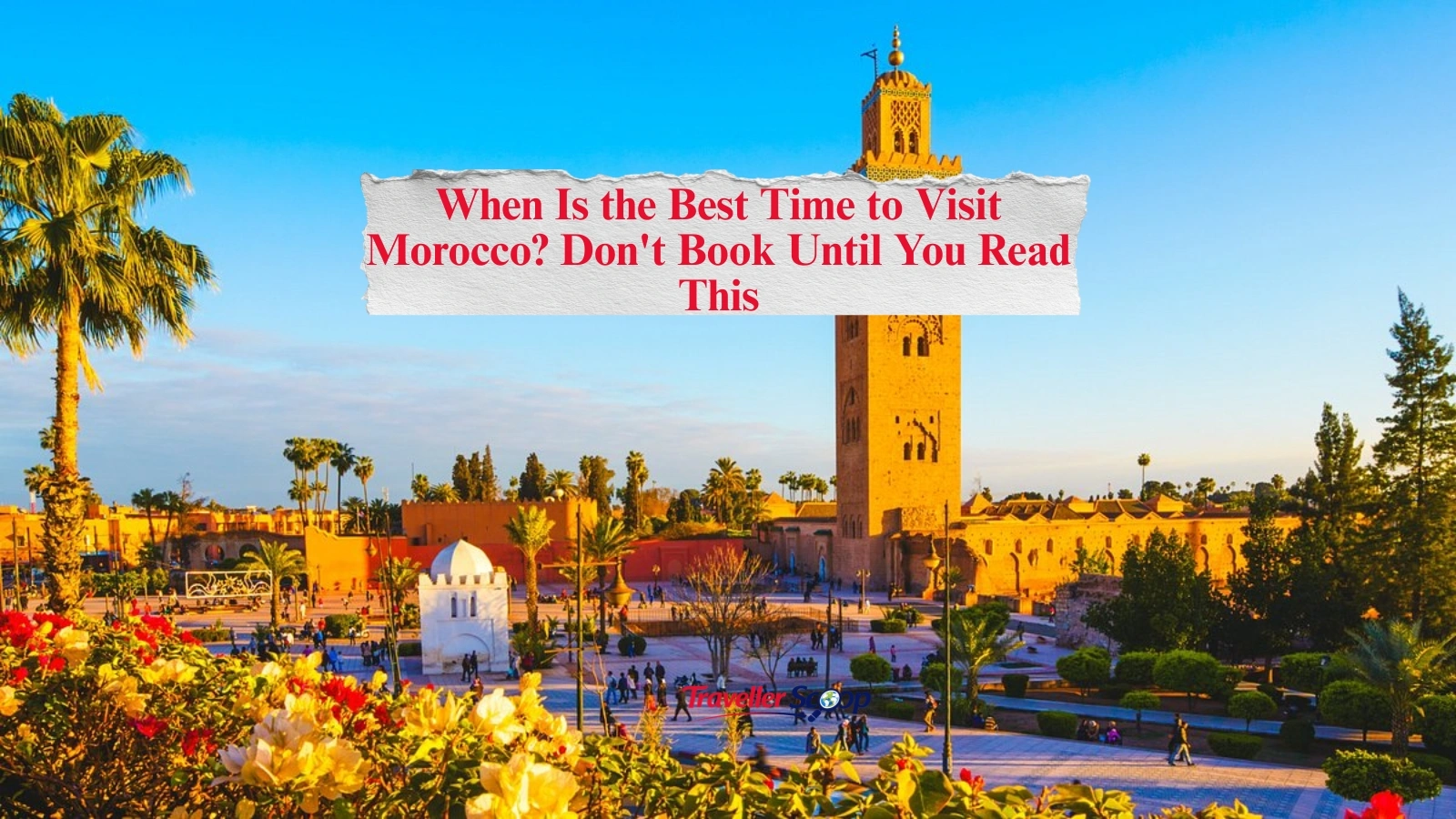
When Is the Best Time to Visit Morocco, I asked myself this exact question three times before I actually got my dates right. The first time, I booked a Marrakech trip in the peak of July, and I still remember standing in Jemaa el-Fnaa Square at 2 PM with the temperature reading 43°C, sweat pouring down my back, wondering why nobody warned me.
That one mistake taught me more about Moroccan seasons than any travel guide ever did.
So this isn’t a copy-paste weather chart. This is what I actually learned after digging into month-by-month data, talking to local guides, and yes, sweating through my own bad planning.
If you’re trying to figure out the best time to visit Morocco for your specific trip, desert camping, mountain hikes, beach days, or just wandering the medinas, this guide breaks it down properly.
Best Time to Visit Morocco
If you want the short version, the best time to visit Morocco is March to May (spring) and September to November (autumn). These two windows give you comfortable daytime temperatures between 20°C and 27°C, minimal rainfall, and enough daylight to actually explore without melting.
If desert travel is your main goal, aim for late September through early May, since Sahara temperatures during peak summer regularly cross 45°C.
But the “best” time genuinely depends on what you’re chasing, beaches, mountains, or dunes, so let’s go region by region.
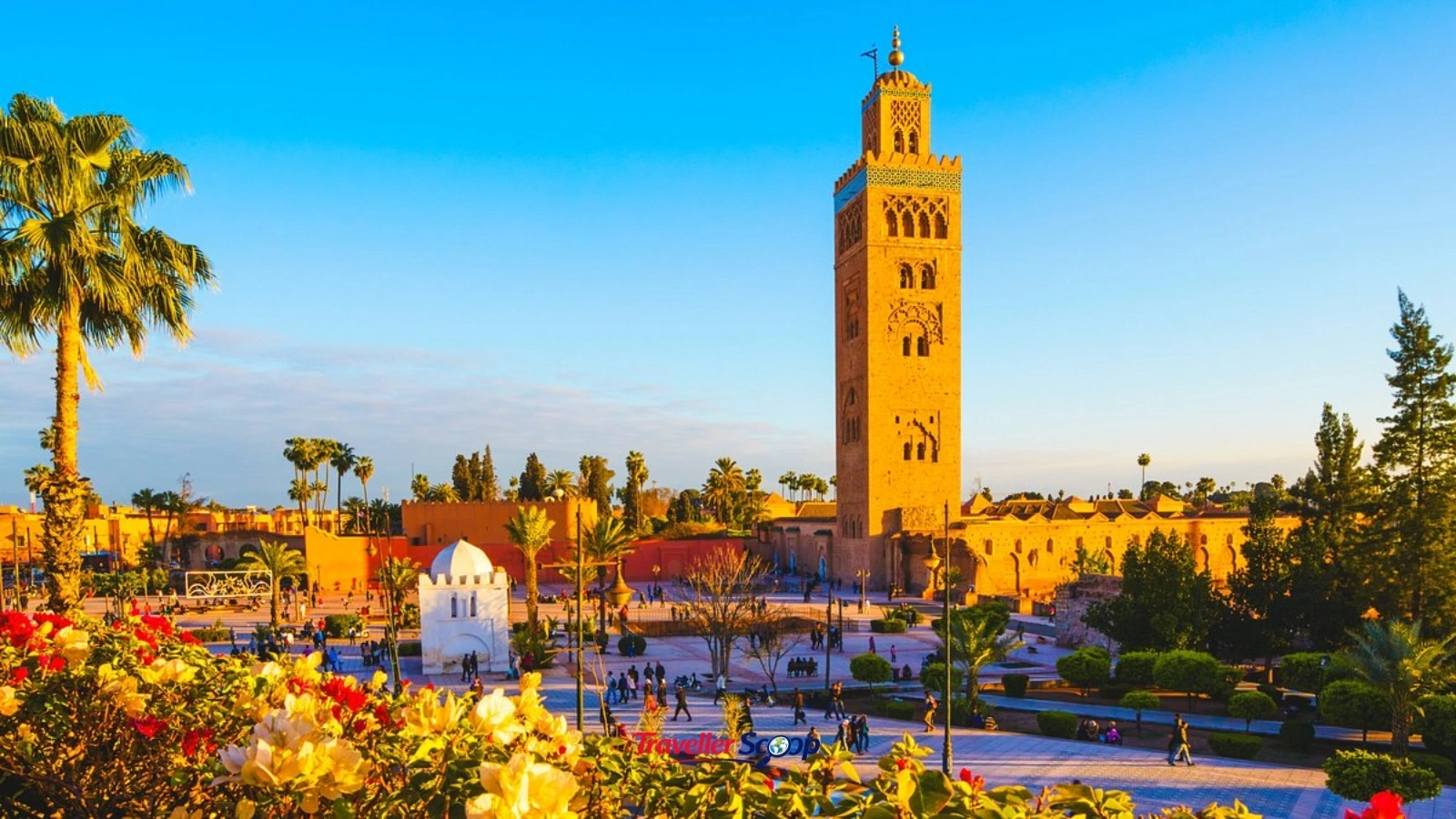
Morocco Weather Month by Month (With Real Numbers)
Here’s the data I put together after comparing multiple seasonal reports and my own trip logs:
- January–February: Coolest months. Daytime highs sit around 12°C to 18°C, and nights in the mountains can drop close to freezing. Rain is more likely in the north, but this is genuinely the cheapest month to visit Morocco, since hotel and riad prices drop by 20-30% compared to spring.
- March–April: Temperatures climb to 18°C-24°C. Wildflowers bloom across the Atlas foothills, and this is when the International Nomads Festival happens near M’Hamid El Ghizlane.
- May: One of the sweet spots. Temperatures hover between 22°C and 28°C, daylight stretches past 8 PM, and the Rose Festival lights up the Dades Valley in Kelaat M’Gouna.
- June: Summer starts creeping in, but coastal cities like Essaouira stay 8-10°C cooler than Marrakech thanks to Atlantic breezes.
- July–August: The hottest stretch. Marrakech and Fes routinely cross 38°C-42°C. Only good for coastal or mountain travel, not desert or city-heavy itineraries.
- September–October: My personal favorite. Temperatures settle back to 24°C-30°C, crowds thin out from summer peaks, and the date harvest fills the Draa Valley.
- November: Mild days around 20°C-24°C, slightly more rain (Morocco’s wettest month), but still very walkable.
- December: Quiet and budget-friendly, except the last week when Christmas and New Year travelers push prices up sharply.
If your goal is Morocco weather, that’s neither punishing heat nor freezing nights, September and October win almost every time.
Best Time to Visit Morocco for the Sahara Desert
This is the one people get wrong most often, myself included. I once tried booking a desert camp for July, but my guide politely talked me out of it. Sahara daytime temperatures during summer can exceed 45°C, and nights offer zero relief in the low-lying dune areas.
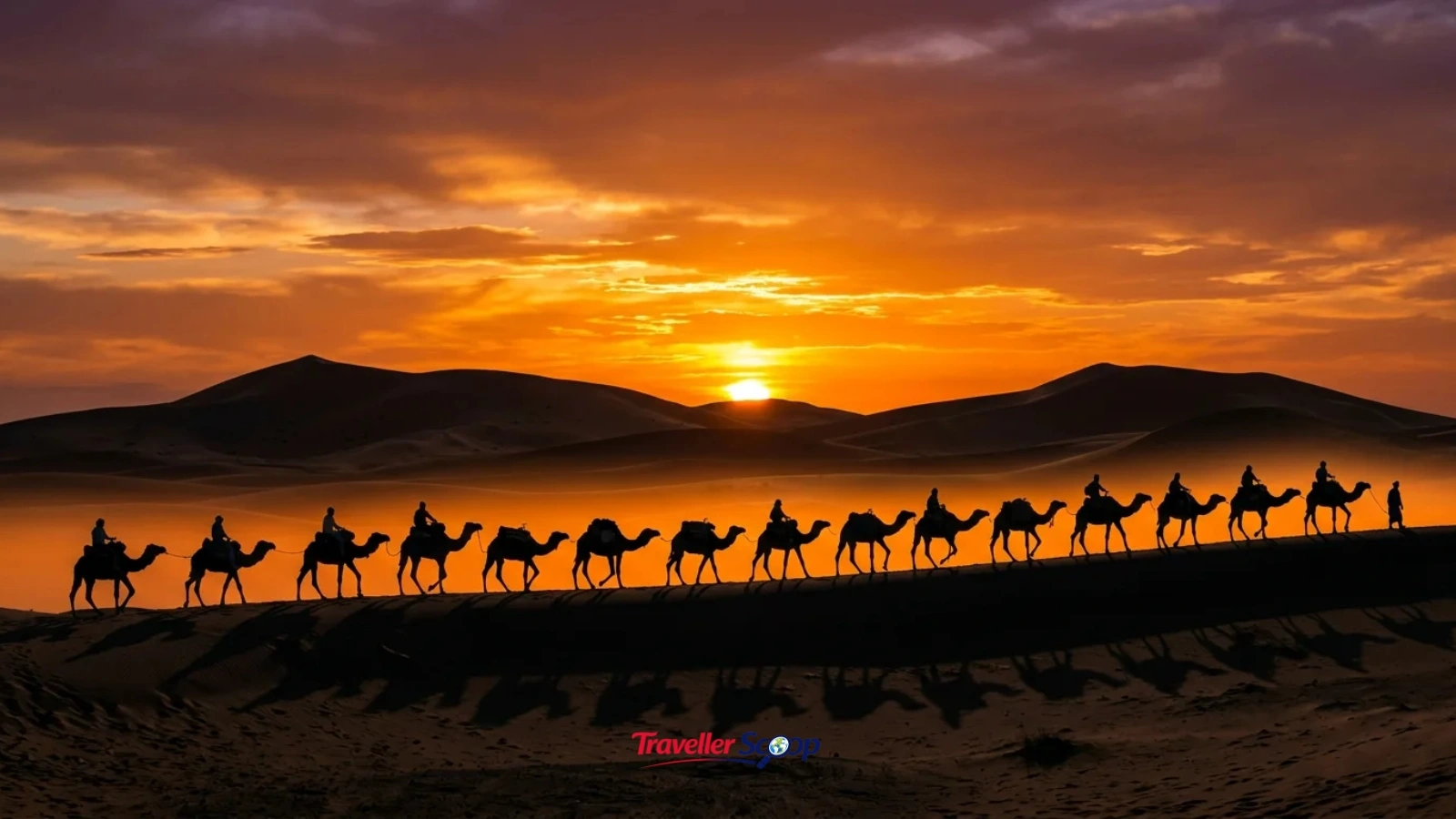
The best time to visit Morocco for the Sahara Desert is October through April, with November and March being ideal: warm days around 25°C-30°C and cool, clear nights perfect for stargazing near Merzouga.
Winter (December-February) is actually stunning here too: crisp air, near-empty camps, and skies so clear you can count constellations without any light pollution. Just pack proper layers, because desert nights in winter can dip below 5°C.
If you’re mapping out a longer route that includes the desert plus cities, this pairs well with a structured travel itinerary approach so you’re not wasting travel days.
Best Time to Visit Morocco to Avoid Crowds
If crowded streets and long queues stress you out the way they do me, timing your Morocco trip carefully can make a huge difference. While Morocco is beautiful year-round, some months attract significantly fewer visitors, giving you a more relaxed and authentic experience.
Skip These Busy Periods
- April (especially around Easter holidays): One of the busiest months as pleasant weather attracts international tourists and spring vacationers.
- Last two weeks of December: Christmas and New Year holidays bring a sharp increase in visitor numbers, especially in Marrakech, Fes, and the Sahara Desert.
The Quietest Months to Visit Morocco
1. January: The Calmest Month of the Year
- Lowest visitor numbers across most of Morocco.
- Easier to explore famous attractions without crowds.
- Better hotel availability and lower accommodation prices.
- Great time for photography with empty streets and landmarks.
- Cool temperatures make sightseeing comfortable, though mountain regions can be snowy.
2. June: Before the Summer Rush
- Spring tourists have already left.
- European summer vacation crowds haven’t fully arrived yet.
- Attractions are noticeably quieter than in April and May.
- Hotels often offer better rates compared to peak season.
- Coastal cities remain pleasant, although inland destinations can be quite warm.
3. Late November: Peaceful Before the Holidays
- Autumn travel demand begins to decline.
- Markets, historic sites, and popular attractions become much less crowded.
- Comfortable temperatures for city walks and desert excursions.
- Excellent opportunities to experience local culture without heavy tourist traffic.
- Better chances of finding discounts on accommodations and tours.
Why Traveling During These Months Is Worth It
- Shorter lines at major attractions.
- More peaceful walks through historic medinas.
- Easier to take photos without large crowds.
- Better conversations with local artisans and shopkeepers.
- Greater availability of riads, guided tours, and transportation.
- Often lower prices for hotels and flights.
My Experience in Fes
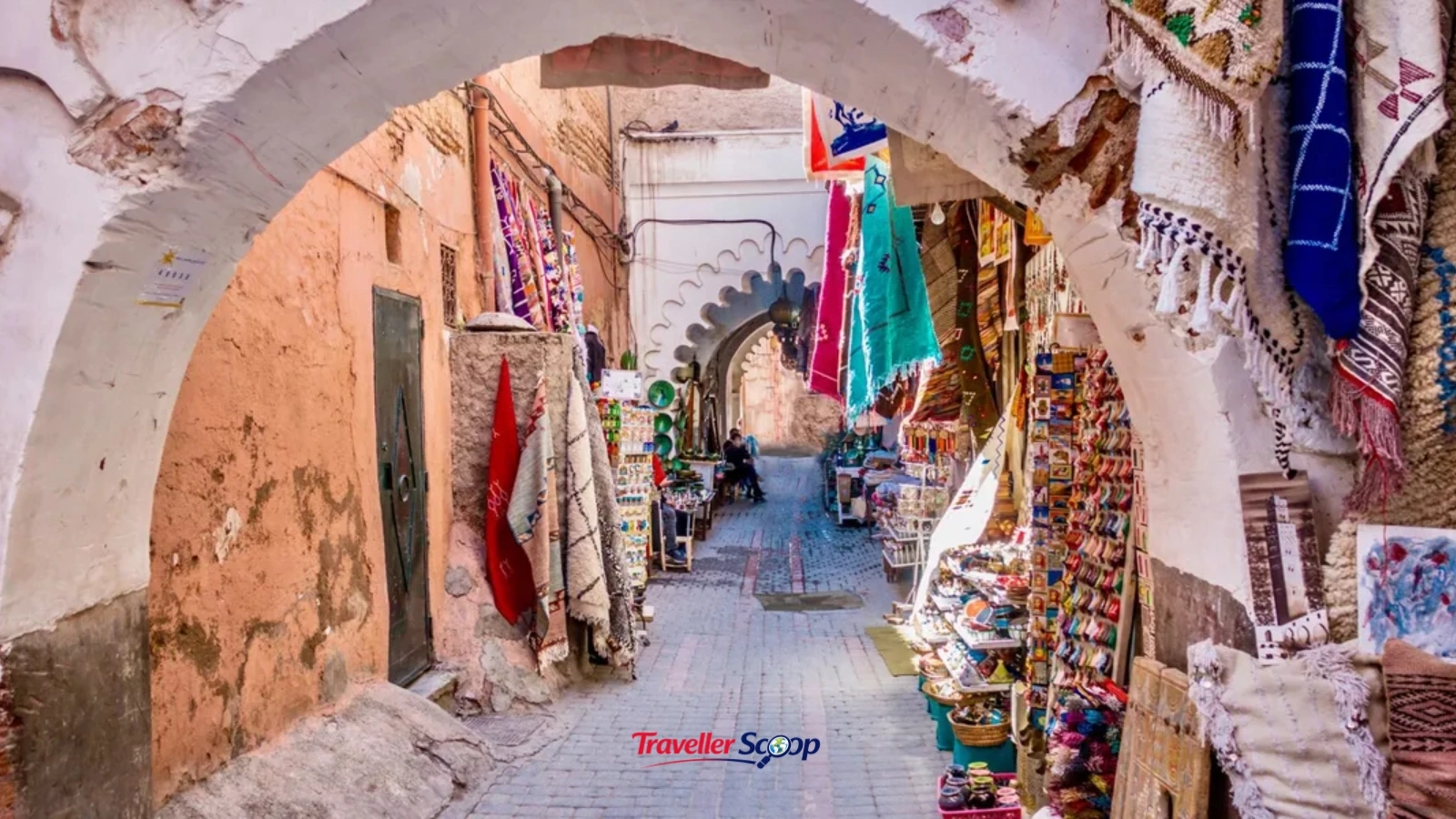
I visited Fes in late January, and the difference was remarkable. The medina, usually known for its maze-like lanes packed with visitors, felt surprisingly peaceful.
Instead of slowly shuffling through shoulder-to-shoulder crowds, I could wander at my own pace, admire the centuries-old architecture, and stop whenever something caught my eye.
One of the best parts was being able to connect with local shopkeepers genuinely. Rather than rushing from one customer to the next, many were happy to chat, share stories about their crafts, and explain the history behind their products.
It transformed the experience from simply sightseeing into something far more personal and memorable.
If your ideal vacation is about soaking in Morocco’s atmosphere rather than navigating crowds, January, June, and late November are easily some of the best times to visit.
Cheapest Month to Visit Morocco
If budget is driving your calendar, here’s what I found comparing accommodation pricing across seasons: the cheapest month to visit Morocco is consistently January, followed closely by June and early December (before the 22nd).
Riad prices in Marrakech and Fes can drop by 25-35% compared to peak spring rates, and flights from most international hubs are noticeably cheaper too.
If you’re the type who plans trips around cost more than weather, this is worth reading alongside general travel safety and planning tips before you lock in dates. Off-season travel has its own quirks, like shorter operating hours during Ramadan (which shifts every year, so always check the current dates before booking).
Season-Wise Summary Table
| Season | Months | Best For | Average Temperature |
|---|---|---|---|
| Spring | March – May | First-time visitors, sightseeing, Atlas Mountains, city exploration (Marrakech, Fes, Chefchaouen) | 20–27°C |
| Summer | June – August | Coastal towns, beach vacations, surfing, Essaouira and Agadir | 30–42°C (cooler along the coast) |
| Autumn | September – November | Sahara Desert tours, photography, hiking, pleasant weather, fewer crowds | 22–30°C |
| Winter | December – February | Budget-friendly travel, Sahara stargazing, skiing in the Atlas Mountains, festive holidays | 8–18°C (can drop below freezing in mountain regions) |
What I Wish I Knew Before Booking My First Trip
A few things no blog told me before my first Morocco trip:
- Pack layers regardless of season. Even in warm months, desert and mountain nights swing 15-20°C cooler than daytime.
- Check Ramadan dates every year. Restaurant hours and some tour schedules shift significantly during the fasting month.
- Coastal Morocco runs on a different clock than inland Morocco. Essaouira in July feels nothing like Marrakech in July.
- Book riads early for spring and late December. These are the two windows where good ones sell out weeks in advance.
If this is part of a bigger trip, maybe combining Morocco with a longer regional swing, it’s worth comparing it against other popular destinations for travelers to figure out how much time you can realistically dedicate here.
Conclusion
If I had to boil down everything I’ve learned about the best time to visit Morocco, it’s this: there’s no single “perfect” month, there’s a perfect month for your trip. Chasing desert stars? Go between October and April.
Want empty medinas? January and June are gold. Trying to stretch a tight budget? January wins again. My biggest regret was assuming Morocco had one weather pattern for the whole country, it doesn’t, and once I planned around that, every trip since has gone smoother.
Wherever you land on the calendar, build in a little flexibility. Some of my best travel memories in Morocco happened on days the weather app got completely wrong.
FAQs
Is Morocco too hot to visit in summer?
Inland cities like Marrakech and Fes get extremely hot (38-42°C) in July and August, but coastal towns like Essaouira and Taghazout stay comfortable year-round.
What is the overall best time to visit Morocco?
Spring (March-May) and autumn (September-November) offer the most balanced weather across cities, mountains, and desert regions.
What is the best time to visit Morocco for the Sahara desert?
October through April, with November and March being the most comfortable for both daytime exploring and overnight camping.
What is the cheapest month to visit Morocco?
January is typically the cheapest, followed by June and early December, thanks to lower demand and off-peak pricing.
When should I go to avoid crowds in Morocco?
January, June, and late November see noticeably fewer tourists compared to peak spring and the December holiday rush.

Khushi Vaid
Senior Travel EditorI’m Khushi Vaid, a travel writer with over 2 years of experience creating destination guides, travel tips, and travel planning content. At Traveller Scoop, I write about destinations, travel trends, and practical advice to help readers explore the world with confidence.