5 Best Places to Surf in India: Discover Thrilling Waves and Unforgettable Adventures
Best places to surf in India, that’s the exact phrase I kept typing into Google before my very first surf trip, and I remember how thin the useful answers actually were. I still remember the first time I stood up on a board wobbling, arms flailing, salt water stinging my eyes, on a quiet beach in […]
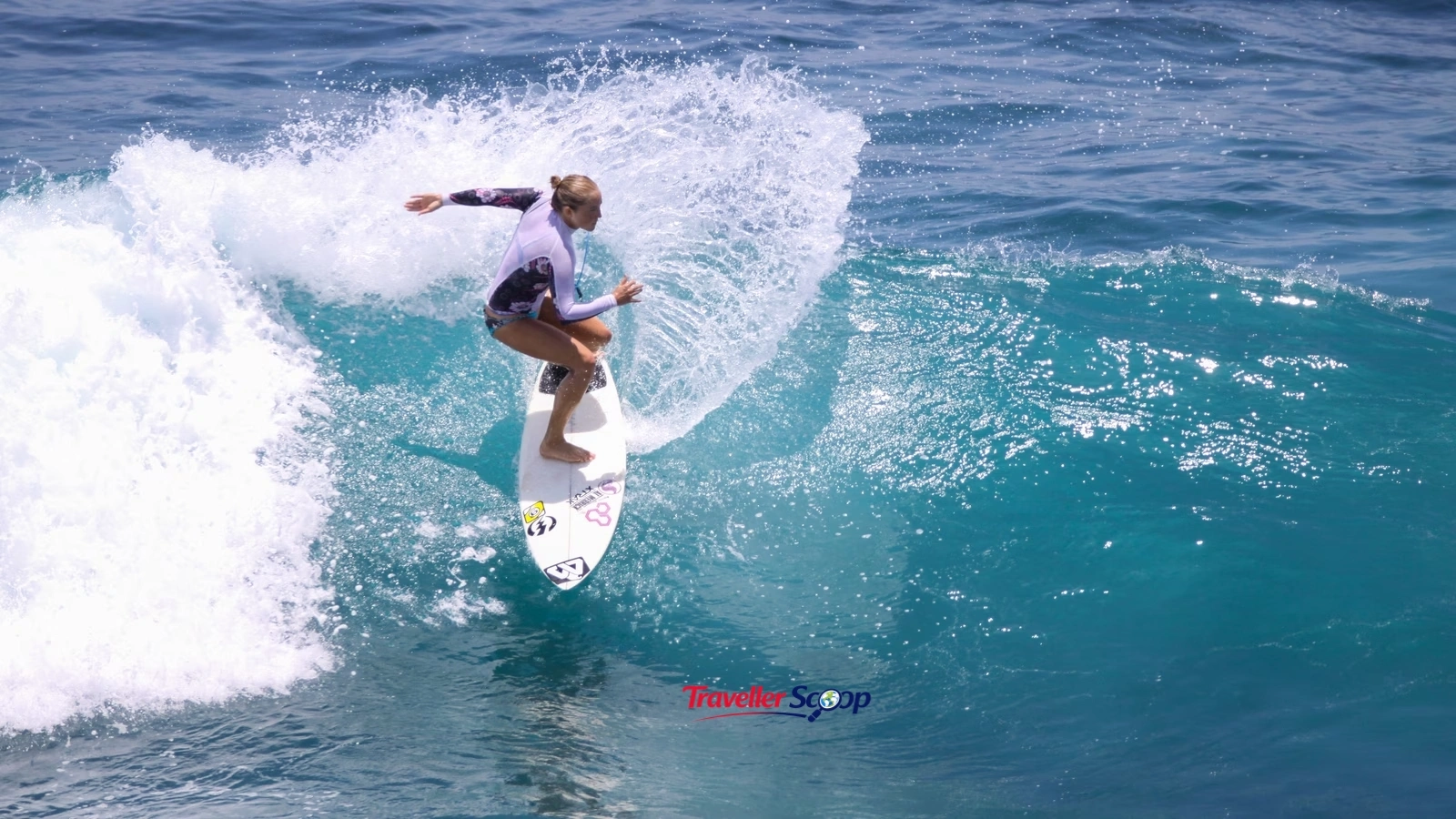
Best places to surf in India, that’s the exact phrase I kept typing into Google before my very first surf trip, and I remember how thin the useful answers actually were. I still remember the first time I stood up on a board wobbling, arms flailing, salt water stinging my eyes, on a quiet beach in Karnataka.
That single wave changed how I look at Indian coastlines forever, and it’s the reason I started digging into every corner of this country’s surf scene. Over the last two years, I’ve paddled out at five different coasts, spoken to instructors who’ve been riding these waves since the sport’s earliest days here, and made every rookie mistake so you don’t have to.
If you’re searching for the best places to surf in India, this guide is the one I wish someone had handed me before my first trip. I’m covering the best places to surf in India that actually deliver, real breaks, real costs, real seasons, not just a copy-pasted list.
India isn’t the first country that comes to mind when people think “surf trip.” Bali, Portugal, and Costa Rica usually win that conversation. But here’s the thing: India has over 7,500 km of coastline, two very different seas (the Arabian Sea in the west and the Bay of Bengal in the east), and a surf culture that’s barely 20 years old, which means the line-ups are still refreshingly empty.
When I ask fellow travellers about the best places to surf in India, most can’t name more than one or two spots. That’s exactly why I wanted to put together a proper, first-hand list of the best places to surf in India rather than a generic roundup.
In this article, I’ll walk you through the top five surf destinations, what makes each one unique, how much a lesson actually costs in 2026, and when you should book your flights.
If you’re hunting for best surfing spots in India for beginners, I’ve flagged which ones are the friendliest for first-timers.
Why Is India's Surf Scene Suddenly Worth Your Attention?
Organized surfing in India kicked off in 2004, when an American surfer known locally as the “surfing swami” opened the country’s first dedicated surf school in a small coastal town in Karnataka.
Two decades on, there are now more than a dozen certified surf schools spread across four states, and the Indian Surf Federation has trained dozens of internationally licensed local instructors.
What used to be a niche activity practiced by fishermen-turned-surfers is now a legitimate adventure-tourism category, and that’s exactly why more travellers are searching for the best places to surf in India every single month.
What makes this list different from the ones I read before my first trip is that I actually stayed at these spots, paid for lessons out of my own pocket, and tracked the real numbers, because nobody tells you that a “cheap” surf camp in one town can cost triple in another, purely based on season
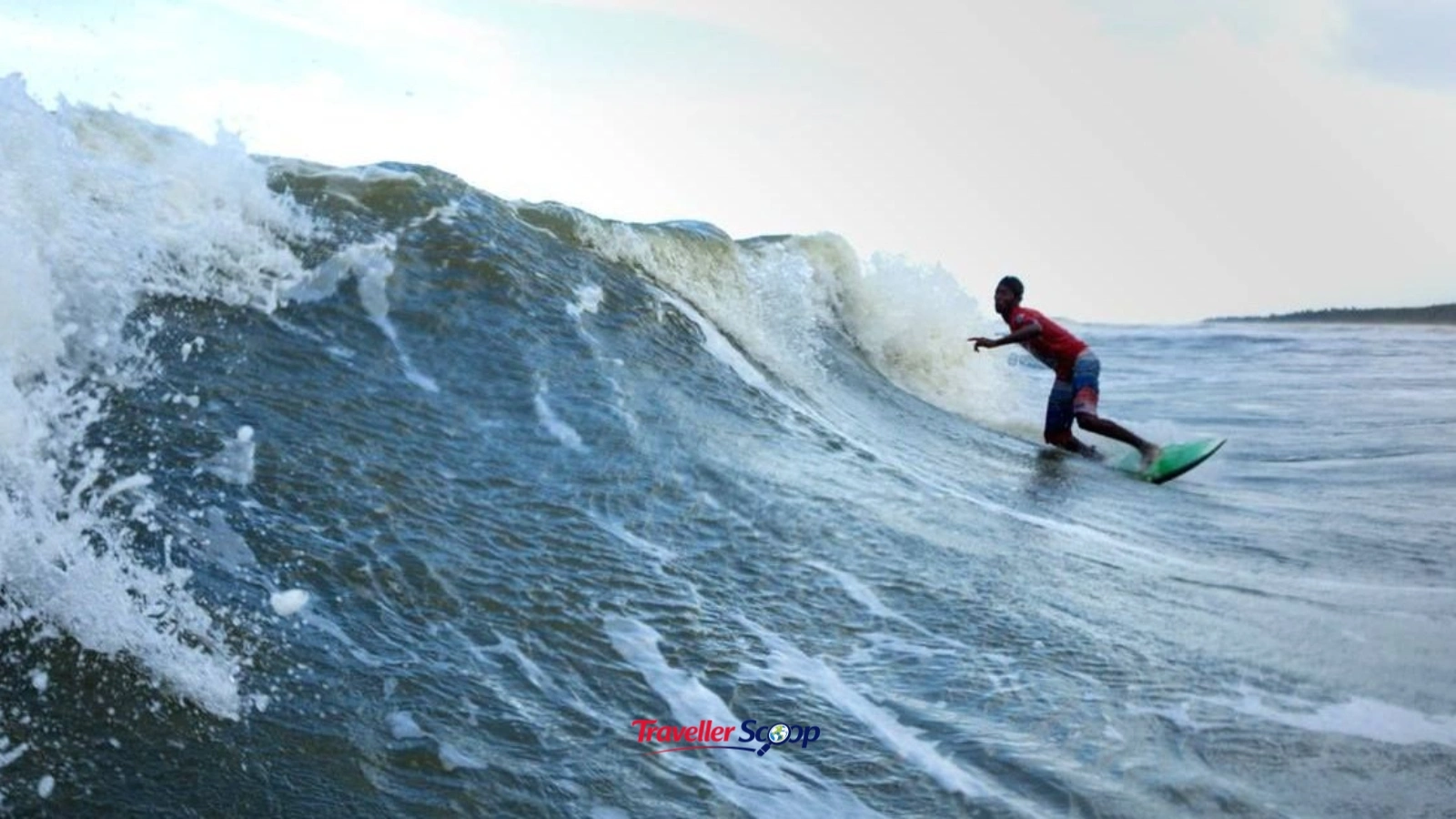
5 Best Places to Surf in India
From Goa’s lively beaches to the peaceful shores of Karnataka and Tamil Nadu, these surfing destinations offer exciting waves, beautiful views, and unforgettable experiences for both beginners and experienced surfers.
1. Mulki, Karnataka: India's Undisputed Surf Capital
If there’s one town that deserves the top spot on any list of the best places to surf in India, it’s Mulki. Located roughly 30 minutes north of Mangaluru, this sleepy fishing town is where India’s first surf school opened its doors, and it still has the country’s most developed surf infrastructure.
A short boat ride across the Shambhavi River takes you to Sasihithlu Beach, where the waves sit at a gentle 2–3 feet, ideal if you’re one of the many people typing “best surfing spots in India for beginners” into Google right now.
Here’s what surprised me: a single 1.5-hour beginner lesson at a Mulki surf school costs somewhere between ₹2,200 and ₹3,000, while a full 5-day course with accommodation included runs ₹12,000–₹25,000.
That’s genuinely better value than paying for daily lessons if you’re serious about learning. Most schools guarantee you’ll be standing up within your first two or three sessions, which was true in my case, I caught my first proper wave on session two.
Best time to visit Mulki:
October to May, with the window between November and March offering the cleanest conditions on the Arabian Sea coast.
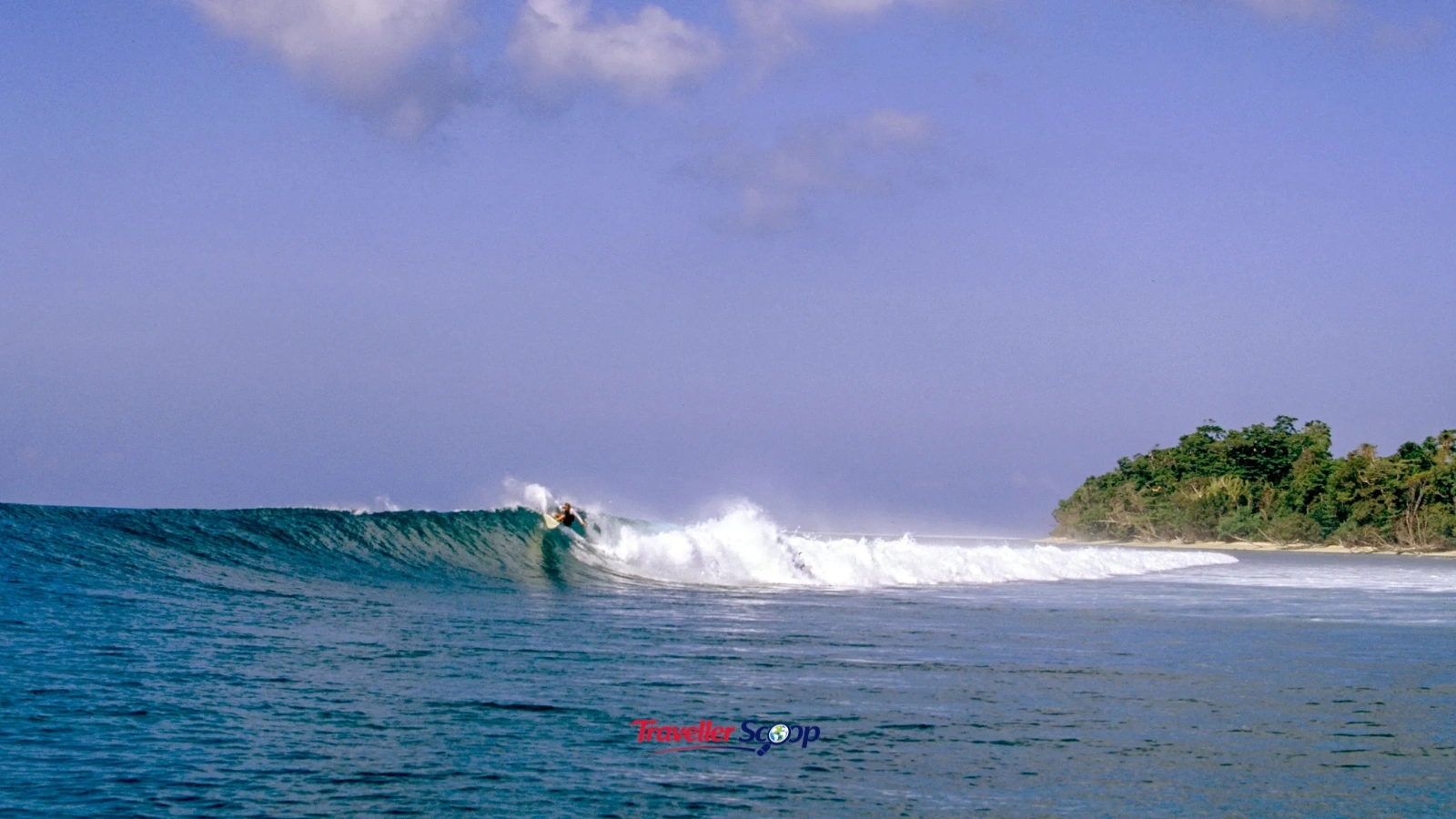
2. Varkala, Kerala: The Most Scenic Waves in the Country
I’ll be honest, I went to Varkala for the cliffs and stayed for the waves. This is easily one of the best places to surf in India if you want dramatic red laterite cliffs towering over your line-up.
Surfing in Varkala Kerala means choosing between two vibes: gentle, forgiving whitewash near Black Beach and Varkala Beach for absolute beginners, or the slightly punchier head-high sets at Kappil and Edava Beach once you’re ready to push yourself.
Surf season here runs October through May, but locals and instructors both told me November to March is when the swell lines up best.
Group lessons across Kerala typically cost ₹1,500–₹2,500 for a 90–120 minute session, and most schools throw in board and rash guard rental for free, worth confirming before you pay, since sunburn on an Indian beach happens faster than you’d expect, even on cloudy days.
What I loved most about surfing in Varkala Kerala, wasn’t even the waves, it was finishing a session, walking five minutes, and having a coconut on the clifftop while watching the next set roll in.
3. Kovalam, Kerala: Consistent Swells and NGO-Run Surf Culture
Kovalam doesn’t get the same Instagram attention as Varkala, but for anyone genuinely comparing the best places to surf in India, it deserves a serious look.
The Kovalam Surf Club here runs as part of a larger community NGO, which means your lesson fee also supports local fishing families who’ve transitioned into surf instruction, something I found genuinely moving after chatting with a few of the instructors about how the sport changed their income.
Waves here are consistent thanks to Kerala’s exposure to the Arabian Sea swell, and the vibe is far less touristy than neighbouring Kovalam beach resorts might suggest. Expect to pay similar rates to Varkala, roughly ₹1,500–₹2,500 for a beginner group session.
Pro tip: Combine a Kovalam and Varkala trip into one Kerala surf circuit, they’re close enough that you can experience two very different breaks within the same week.
4. Covelong, Tamil Nadu: The Best of the East Coast
Every list of best surfing spots in India for beginners I researched agreed on one thing: if you’re on the east coast, Covelong (near Chennai) is your best bet. This is where the Bay of Bengal swell, driven by the northeast monsoon, produces its most rideable waves, typically between October and March, the opposite season window to the west coast.
Covelong’s surf school was one of the first to open on this side of the country, and it’s known for building genuine local talent rather than just running lessons for tourists. Daily lessons, including board rental, usually fall in the ₹2,000–₹4,000 range.
Instructors here told me it takes most beginners two to three sessions to stand up consistently, which matched what I saw watching a group of first-timers from Chennai during my visit.
If you live in or near Chennai and have been searching for the best time to surf in India without booking a long-haul flight to the west coast, Covelong solves that problem entirely.
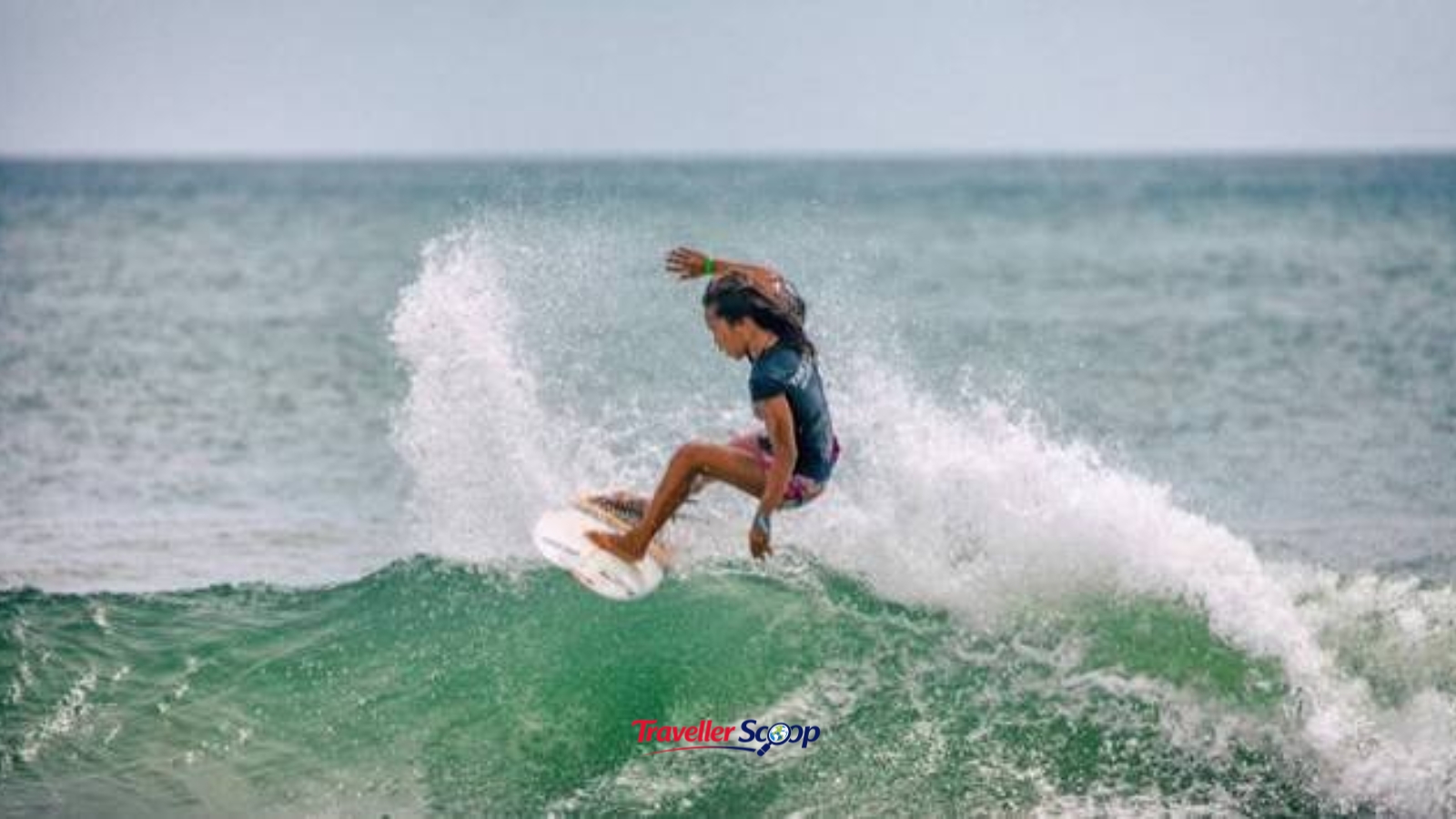
5. Puducherry (Serenity Beach): Reliable, Beginner-Friendly, Underrated
I almost left Puducherry off this list, but it earns its place among the best places to surf in India for one simple reason: consistency. Two piers built after the 2004 tsunami accidentally created a beginner-friendly wave that breaks gently and predictably at Serenity Beach, exactly what you want when you’re still learning to read the ocean.
One of the country’s oldest surf schools on the southeast coast operates here, offering courses ranging from a single 60–90 minute session (around ₹1,500) to full 15-day intensive programs.
The best surf season runs August through March, though the sea stays surfable through most of the year if you’re not fussy about swell size.
What makes Puducherry special for me wasn’t just the waves, it’s that you can combine a surf session with kayaking through mangrove forests or wandering the colonial-era White Town in the same afternoon.
Best Time to Surf in India: A Season-by-Season Breakdown
This trips up almost every first-time visitor, so let me spell it out clearly. India’s two coasts run on opposite surf calendars:
- West Coast (Arabian Sea) Goa, Karnataka, Kerala: Best from October to May, peaking November to March.
- East Coast (Bay of Bengal) Tamil Nadu, Puducherry, Andaman: Best from October to March, driven by the northeast monsoon.
If you’re chasing the best time to surf in India and want to combine two regions in one trip, plan around the November–March window, it’s the only stretch where both coasts are firing at once.
What a Surfing Trip in India Actually Costs
Based on my own bookings and conversations with instructors across all five spots:
- Group beginner lesson (90–120 minutes): ₹1,200–₹3,000
- Private lesson: 2–3x the group rate
- Full 5-day course with accommodation: ₹12,000–₹25,000
- Surfboard rental alone: ₹300–₹600 per hour
For reference, that’s dramatically cheaper than learning to surf in places like Bali or Morocco, where a single group lesson can already cost the equivalent of ₹1,800–₹3,500.
Packing Tips From Someone Who Got Sunburned Learning This the Hard Way
- A rash guard (most schools rent these out, but pack your own if you burn easily)
- Reef-safe sunscreen, Indian beach sun is brutal even under clouds
- A dry bag for your phone and wallet
- Flip-flops you don’t mind losing to the sand
- Basic swimming comfort, you don’t need to be a strong swimmer, but comfort in water helps enormously
If you’re still finalising your route, check out our complete Kerala backwaters and beaches itinerary to pair your surf days with some slower travel, or browse our Goa beach guide if you want to combine surfing with nightlife.
For everything you’ll need before any coastal trip, our India packing checklist for beach destinations covers the basics I mentioned above in more depth. And if budget is a concern, our budget backpacking India guide has more cost breakdowns like the ones above.
Conclusion
Chasing the best places to surf in India taught me something I didn’t expect: this country’s surf scene isn’t a watered-down alternative to Bali or Portugal, it’s its own thing entirely, with empty line-ups, ridiculously affordable lessons, and coastal towns that haven’t yet been swallowed by tourist crowds.
Whether you start in Mulki’s beginner-friendly waves, chase the cliffside views of Varkala, or catch the east coast swell at Covelong, you’re getting a genuinely different experience each time.
My honest advice? Pick one coast, commit to at least three days of lessons, and let the ocean do the rest. I promise the wobbly, salt-in-your-eyes version of you on day one will look completely different by day three.
FAQs
Is surfing in Varkala Kerala suitable for complete beginners?
Yes. Varkala Beach and Black Beach offer gentle, forgiving whitewash that's ideal for first-timers, while nearby Kappil and Edava Beach offer bigger waves once you're ready to progress.
Do I need to know how to swim to learn surfing in India?
No. Most beginner lessons happen in shallow, knee-to-hip-deep water with an instructor right beside you. Being comfortable in water helps your confidence, but it isn't mandatory to start.
Which is the single best place to surf in India for a first-timer?
Mulki in Karnataka and Covelong in Tamil Nadu are generally considered the two best surfing spots in India for beginners, thanks to consistent small waves and the most experienced instructors in the country.
What is the best time to surf in India?
The west coast (Goa, Karnataka, Kerala) is best from October to May, while the east coast (Tamil Nadu, Puducherry) peaks from October to March. November to March overlaps both.
How much does a surf lesson cost in India?
Expect ₹1,200–₹3,000 for a group lesson of 90–120 minutes, and ₹12,000–₹25,000 for a full multi-day course including stay.

Khushi Vaid
Senior Travel EditorI’m Khushi Vaid, a travel writer with over 2 years of experience creating destination guides, travel tips, and travel planning content. At Traveller Scoop, I write about destinations, travel trends, and practical advice to help readers explore the world with confidence.