
Varanasi vs Haridwar: Which Is Better for a Cultural and Riverside Getaway?
Varanasi vs Haridwar is a comparison worth making if you want to experience India’s cultural heritage, sacred riverside views, local food, and traditional evening rituals without spending a fortune. Both cities stand along the River Ganga, but the experience you get in each place is quite different.I find this comparison particularly useful for travellers who […]

Varanasi vs Haridwar is a comparison worth making if you want to experience India’s cultural heritage, sacred riverside views, local food, and traditional evening rituals without spending a fortune. Both cities stand along the River Ganga, but the experience you get in each place is quite different.
I find this comparison particularly useful for travellers who want more than a temple visit. Some people want to walk through centuries-old streets, watch the river at sunrise, and explore local traditions. Others prefer peaceful riverside moments, aarti ceremonies, and a convenient short trip from Delhi.
Varanasi, in Uttar Pradesh, is known for its historic ghats, Kashi Vishwanath Temple, Banarasi silk, and famous Ganga Aarti. Haridwar, in Uttarakhand, is known for Har Ki Pauri, riverside bathing areas, hilltop temples, and its connection to the Himalayan pilgrimage routes.
So, which destination deserves your next trip? In this guide, I compare the two cities by culture, riverside experiences, sightseeing, weather, travel time, and estimated expenses. I have also included a practical itinerary to help you decide according to your budget and available days.
Varanasi vs Haridwar: What Is the Main Difference?
The biggest difference is the atmosphere and the type of cultural experience each destination offers.
Varanasi is ideal for travellers interested in history, traditional neighbourhoods, religious architecture, street food, and the many layers of life along the Ganga. Haridwar is a good choice for visitors who want to attend an evening aarti, explore temples, spend time near the river, and continue towards Rishikesh or the Himalayas.
Here is the corrected table, ready to add to your TravellerScoop article.
| Travel Factor | Varanasi | Haridwar |
|---|---|---|
| Best For | History, culture, food, and ghats | Riverside rituals, temples, and short breaks |
| Main Attraction | Dashashwamedh Ghat | Har Ki Pauri |
| Signature Experience | Sunrise boat ride and evening Ganga Aarti | Evening Ganga Aarti beside the river |
| Cultural Highlights | Kashi Vishwanath Temple, old lanes, and Sarnath | Mansa Devi Temple, Chandi Devi Temple, and Har Ki Pauri |
| Suggested Stay | 3–4 days | 1–2 days |
| Nearby Extension | Sarnath | Rishikesh |
| Travel from Delhi | Flight or train | Train or road |
| Overall Atmosphere | Busy, historic, and culturally vibrant | Pilgrimage-focused, spiritual, and river-centred |
These are general planning suggestions, not strict rules. Your experience will depend on the season, crowds, accommodation location, and the activities you want to prioritise.
Which City Offers a Better Cultural Experience
Varanasi offers a deeper, more raw, and intense cultural and spiritual experience, while Haridwar provides a cleaner, calmer, and more family-friendly pilgrimage experience.
1. Varanasi: A Living History of the Ganga
Varanasi is the stronger choice if you want to explore India’s historic riverside culture in depth. Its ghats, narrow lanes, temples, traditional music, silk shops, and food stalls make the city interesting beyond its most famous religious attractions.
Start early in the morning with a walk beside the Ganga or a boat ride, when the changing light reveals the city’s riverfront. Later, explore the old neighbourhoods, visit Kashi Vishwanath Temple, and try local specialities such as kachori-sabzi, tamatar chaat, lassi, and Banarasi paan.
Another important stop is Sarnath, approximately 10 km from central Varanasi, depending on your starting point. It is associated with the Buddha’s first sermon and adds a significant Buddhist historical dimension to the trip.
What makes Varanasi special is the combination of everyday life and heritage. You can see traditional craftwork, hear temple bells, discover historic buildings, and watch local vendors serving residents as well as visitors.
However, the city can be crowded, and some lanes are narrow. Comfortable walking shoes and a flexible schedule will make exploring easier.
2. Haridwar: Riverside Traditions and Temple Culture
Haridwar offers a different cultural experience. Its identity revolves around the Ganga, religious gatherings, temple visits, and the rituals performed along its riverfront.
Har Ki Pauri is the central attraction for many visitors. Spend time exploring the surrounding ghats, observing the riverside activity, and attending the evening Ganga Aarti.
You can also visit Mansa Devi Temple and Chandi Devi Temple. Both are located on hills and are popular pilgrimage destinations; ropeway services may be available, subject to operating conditions and tickets.
Haridwar is also a practical base for travellers planning to continue to Rishikesh. You can combine temple visits and riverside experiences with yoga centres, nature walks, or other activities in the neighbouring town.
My recommendation: Choose Varanasi for a deeper exploration of historic city life. Choose Haridwar if you prefer a shorter, river-focused cultural break
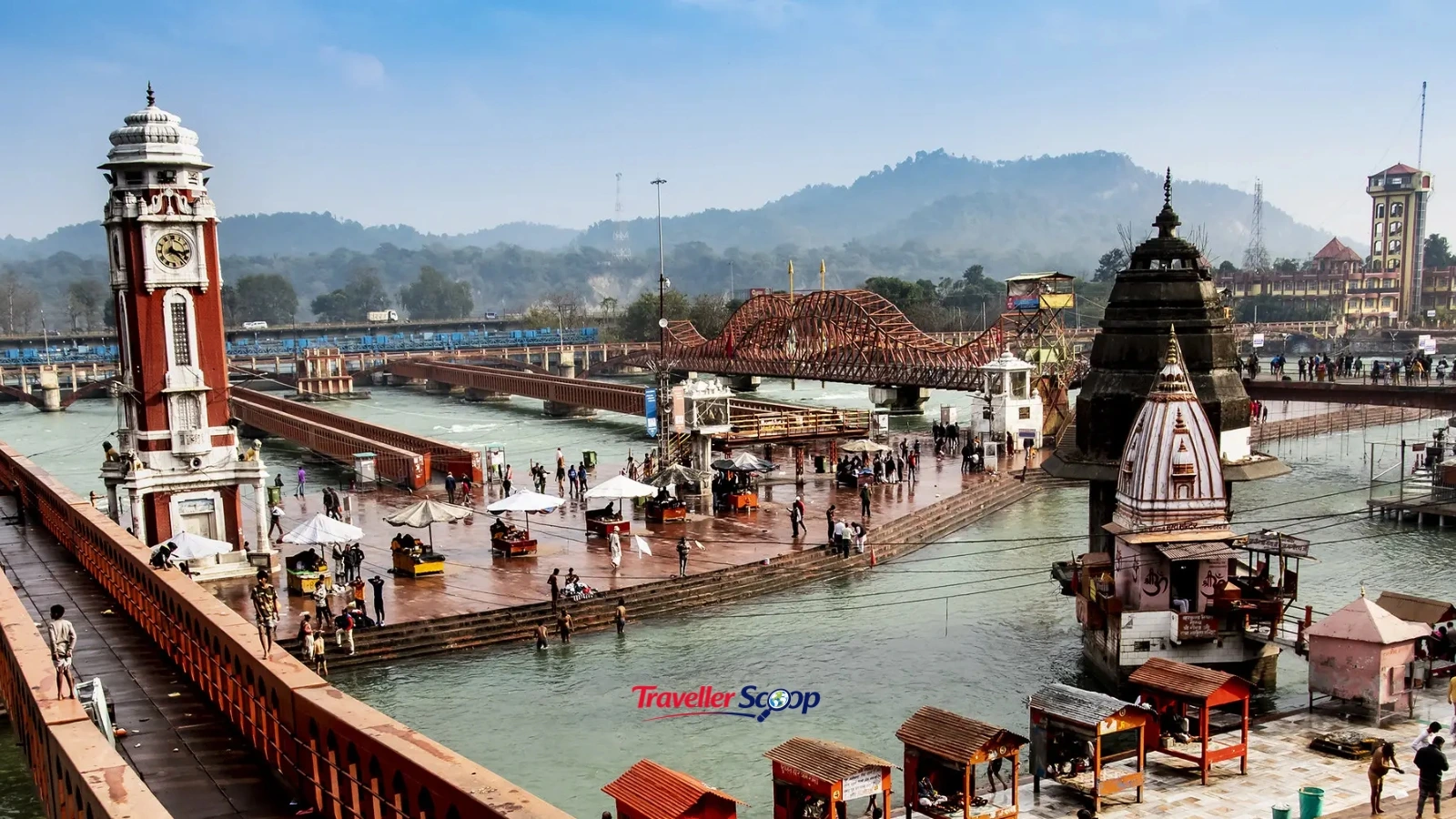
Ganga Aarti in Varanasi vs Haridwar: Which Is Better
The evening Ganga Aarti is one of the most memorable experiences in both destinations, but the setting and atmosphere differ.
1. Varanasi Ganga Aarti
The best-known ceremony takes place at Dashashwamedh Ghat. Priests perform coordinated rituals with large lamps, incense, bells, and chanting while crowds gather along the steps and boats on the river.
Arrive early to find a suitable viewing position, especially during weekends and major festivals. A boat offers a different perspective, but confirm the price and duration before boarding. Boat operators may charge more during busy periods.
2. Haridwar Ganga Aarti
Har Ki Pauri is the main place to experience the evening ceremony in Haridwar. The river, the gathering of devotees, the lamps, and the surrounding ghats create a distinctive atmosphere.
Crowds can become dense, so allow enough time to reach the area and follow local instructions. If you want to participate in a riverside ritual, ask local authorities or trusted vendors about the permitted arrangements.
Which Aarti Should You Choose?
Choose Varanasi if you want a visually elaborate ceremony within a historic urban landscape. Choose Haridwar if you want to experience the riverfront gathering as part of a compact pilgrimage-style trip.
Neither is universally better. Both have their own cultural significance, and your preference will depend on whether you value the historic surroundings or the riverside setting more.
Riverside Experiences: Sunrise Boats or Evening River Views
The riverside experience is another major reason to compare these cities.
In Varanasi, a sunrise boat ride gives you a view of the long stretch of ghats as the city begins its day. You may see people praying, bathing in designated areas, performing rituals, or opening shops along the waterfront.
A morning walk can be just as rewarding if you prefer to stay on land. You can explore the ghats at your own pace and pause for tea or breakfast in the surrounding neighbourhoods.
Haridwar is better suited to travellers who want to spend time around a concentrated stretch of riverfront. The atmosphere around Har Ki Pauri changes throughout the day, with visitors arriving for prayers, bathing, and the evening aarti.
Important safety note: The Ganga can have strong currents, particularly during high-water periods. Never assume that a bathing area is safe simply because other people are using it. Follow barriers, warning signs, lifeguard instructions, and official restrictions.
For photography, Varanasi generally offers more variety in historic riverfront scenes. For a shorter trip centred on the river and evening rituals, Haridwar is an excellent option.
Varanasi vs Haridwar Trip Cost: Which Is More Affordable
Both cities can be explored on a modest budget. Your final spending depends on your departure city, travel dates, hotel standards, local transport, and whether you book private tours or boat rides.
The following figures are illustrative planning estimates for one person, not live quotes. They assume a budget-conscious trip from Delhi, with basic accommodation, local meals, public transport where practical, and modest sightseeing.
| Expense | Varanasi (3 Days) | Haridwar (2 Days) |
|---|---|---|
| Return Transport from Delhi | ₹1,000–₹5,000 | ₹600–₹2,500 |
| Accommodation | ₹1,500–₹3,600 | ₹1,000–₹3,000 |
| Food | ₹900–₹1,800 | ₹600–₹1,400 |
| Local Transport | ₹400–₹1,000 | ₹300–₹800 |
| Sightseeing and Activities | ₹500–₹1,500 | ₹300–₹1,200 |
| Estimated Total per Person | ₹4,300–₹12,900 | ₹2,800–₹8,900 |
Note: These are estimated budget ranges per person, not live prices. Actual costs depend on travel dates, transport bookings, accommodation, and activities.
Actual fares can fall outside these ranges, especially around festivals and school holidays. Check transport prices and hotel availability before finalising your budget. Temple donations, shopping, premium hotels, and private transfers are not included.
Haridwar can be cheaper for a short trip from Delhi because it is closer and usually requires fewer nights of accommodation. Varanasi may cost more overall because travellers often stay longer to explore its historic neighbourhoods and nearby attractions.
To keep expenses under control, book train tickets early, choose accommodation within a reasonable distance of your main attractions, and compare the total cost rather than looking only at the room rate.
For more ideas, read TravellerScoop’s guide to domestic destinations for budget-friendly travel.
Best Time to Visit Varanasi and Haridwar
October to March is generally a comfortable period for exploring both cities, although winter mornings and evenings can be cold, and fog may affect transport.
1. October to November
This is a popular period for sightseeing as the weather generally becomes more comfortable. Varanasi attracts visitors for Kartik-season festivities, including Dev Deepawali, whose date varies each year according to the Hindu lunar calendar.
Haridwar can also be pleasant during this period, making it suitable for temple visits and riverside walks. Festival dates can bring additional crowds and higher accommodation prices.
2. December to February
Winter is suitable for daytime sightseeing, but early mornings may be foggy or chilly. Carry warm clothing, particularly if you plan a sunrise boat ride in Varanasi or an evening aarti in either city.
Allow extra travel time when fog affects trains or flights.
3. March to April
These months can work well for temple visits and cultural sightseeing, although temperatures rise as summer approaches. Check local festival schedules before booking.
4. May to September
Summer can be hot, particularly in Varanasi. The monsoon brings the possibility of heavy rain, slippery steps, and changing river levels.
Haridwar may also experience heavy rainfall and strong currents during the monsoon. The Kanwar Yatra period can create significant traffic and crowd-management restrictions in the region.
For a first visit, I would generally shortlist October, November, February, or early March, then check the exact forecast, festival dates, and transport conditions.
Can You Visit Both Cities in One Trip
Yes. If you have around 6–8 days, you can combine both destinations, although the most efficient route depends on train schedules, flight availability, and your starting city.
A possible plan is:
- Days 1–3: Explore Varanasi, its ghats, temples, local food, and Sarnath.
- Day 4: Travel to Haridwar. Consider an overnight train or a suitable flight-and-road combination after checking actual schedules.
- Days 5–6: Explore Har Ki Pauri, attend the aarti, and visit selected temples.
- Days 7–8: Add Rishikesh for riverside walks, yoga, or other suitable activities, then return home.
Varanasi and Haridwar are not neighboring cities, so avoid assuming you can travel between them quickly by road. Check the complete journey, including transfers and waiting time, before fixing your sightseeing plans.
Which City Should You Choose?
Here is my practical decision guide.
Choose Varanasi if you:
- Want to explore historic ghats and old neighbourhoods.
- Enjoy photography, heritage, traditional crafts, and street food.
- Want to visit Kashi Vishwanath Temple and Sarnath.
- Can spend at least three days exploring at a comfortable pace.
- Prefer a destination with a wide variety of cultural experiences
Choose Haridwar if you:
- Want a shorter cultural getaway from Delhi.
- Are particularly interested in Har Ki Pauri and the evening Ganga Aarti.
- Prefer a trip built around riverside rituals and temple visits.
- Want to continue to Rishikesh or the Himalayan pilgrimage routes.
- Have only one or two days available.
My verdict is simple: Varanasi is the stronger option for an immersive cultural city break, while Haridwar is the more convenient option for a short riverside getaway. Your own interests matter more than a universal winner.
Conclusion
Varanasi vs Haridwar is not simply a choice between two religious destinations. It is a choice between two different ways of experiencing the Ganga and India’s cultural heritage.
Varanasi is ideal if you want historic streets, sunrise boat rides, traditional food, and an immersive look at life along the ghats. Haridwar is a strong choice if you want a shorter riverside escape, an evening aarti at Har Ki Pauri, and the option to continue to Rishikesh.
If I had to recommend one for a traveller with three or four days and a strong interest in culture, I would choose Varanasi. For a quick weekend from Delhi, I would choose Haridwar.
Whichever city you select, plan around the weather, check transport schedules, respect local customs, and leave enough time to enjoy the riverfront without rushing. Both destinations offer meaningful experiences when approached with curiosity and realistic expectations.
FAQs
What is the best time to visit Varanasi and Haridwar?
October to March is generally suitable for sightseeing. November can be especially busy in Varanasi around Dev Deepawali, while winter fog and festival crowds can affect travel plans in both cities.
Varanasi or Haridwar which is better for a first-time visitor?
Varanasi is better for a broad cultural experience involving historic ghats, food, temples, and old neighbourhoods. Haridwar is often easier for a short first trip, particularly from Delhi, because its major attractions can be covered in less time.
Which city has the better Ganga Aarti?
Varanasi's Dashashwamedh Ghat ceremony is known for its elaborate visual presentation and historic setting. Haridwar's ceremony at Har Ki Pauri offers a distinctive riverside atmosphere. The better choice depends on whether you prefer a grand spectacle or a river-centred devotional gathering.
Is Haridwar cheaper than Varanasi?
Haridwar can be cheaper for a short trip from Delhi because of its proximity and shorter suggested stay. However, actual costs depend on transport fares, accommodation, travel dates, and sightseeing choices.
How many days are enough for Varanasi and Haridwar?
Allow around 3 days for Varanasi and 1–2 days for Haridwar. If you want to visit both, plan approximately 6–8 days, including intercity travel.

Khushi Vaid
Senior Travel EditorI’m Khushi Vaid, a travel writer with over 2 years of experience creating destination guides, travel tips, and travel planning content. At Traveller Scoop, I write about destinations, travel trends, and practical advice to help readers explore the world with confidence.